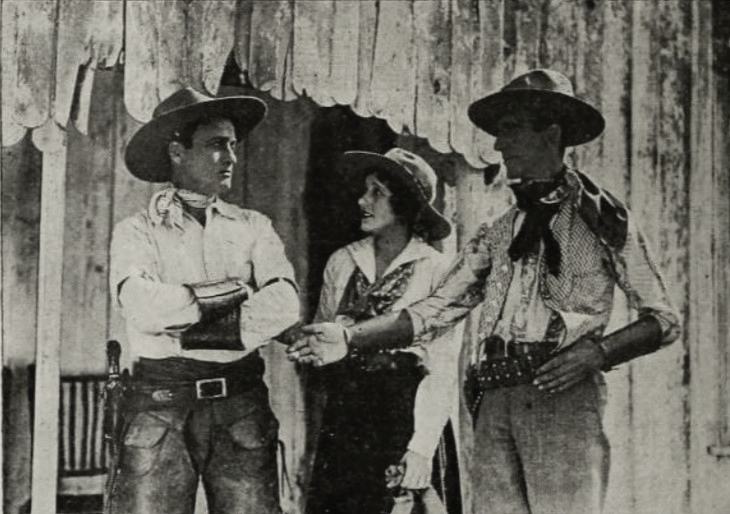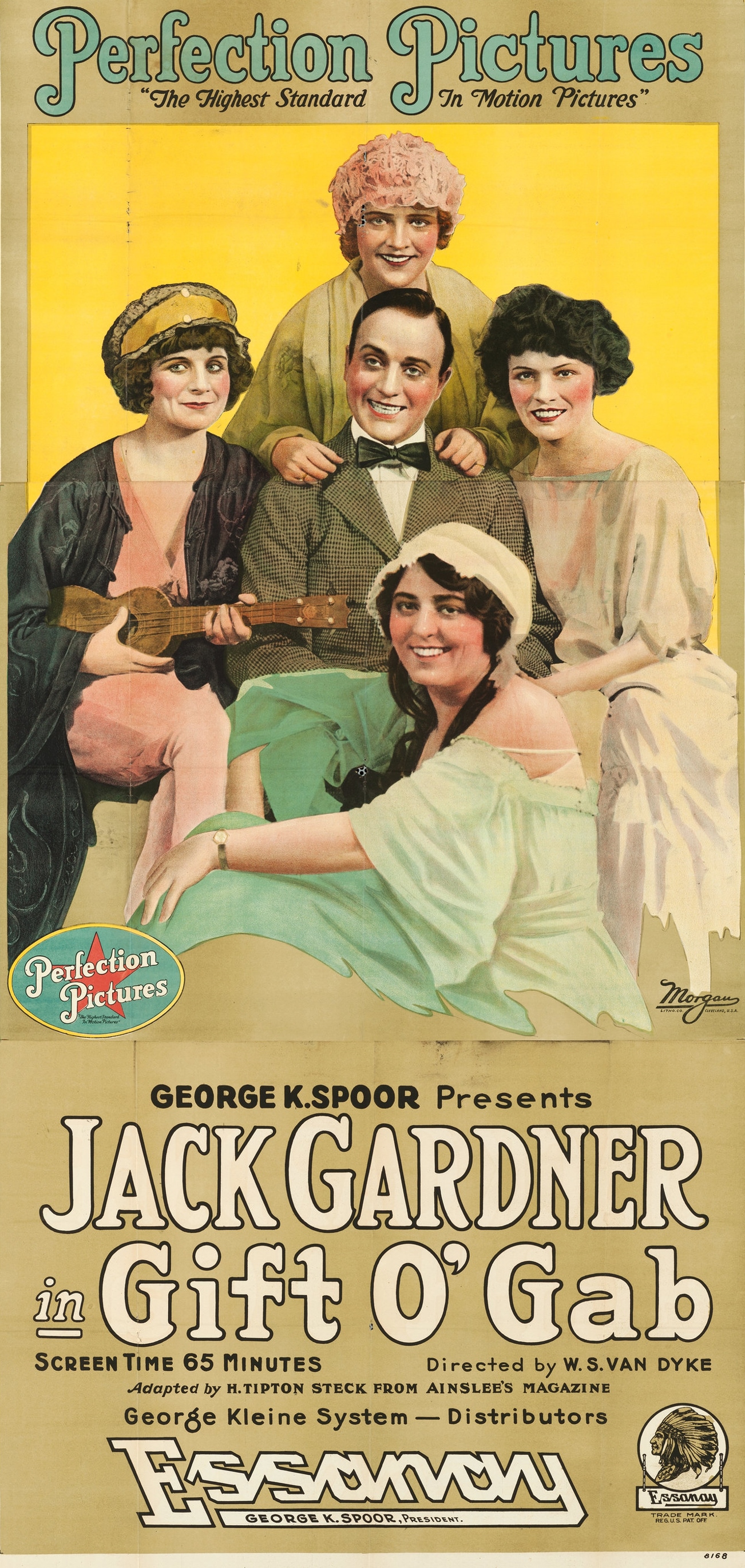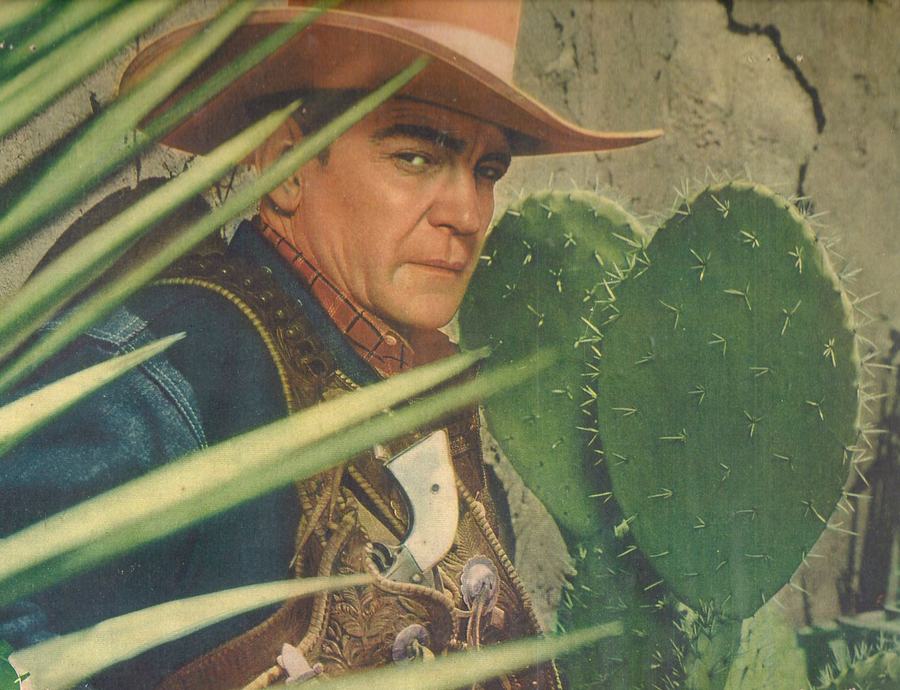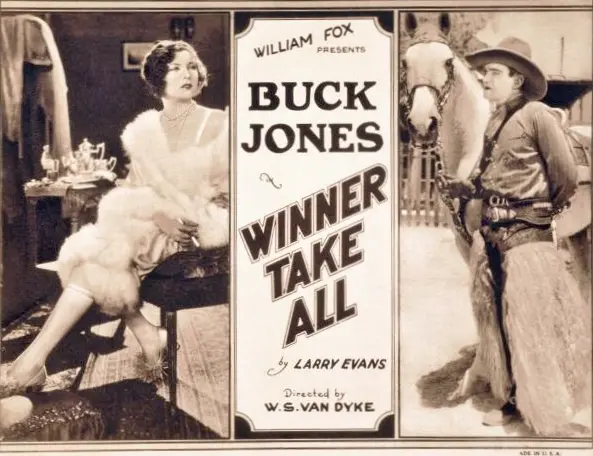
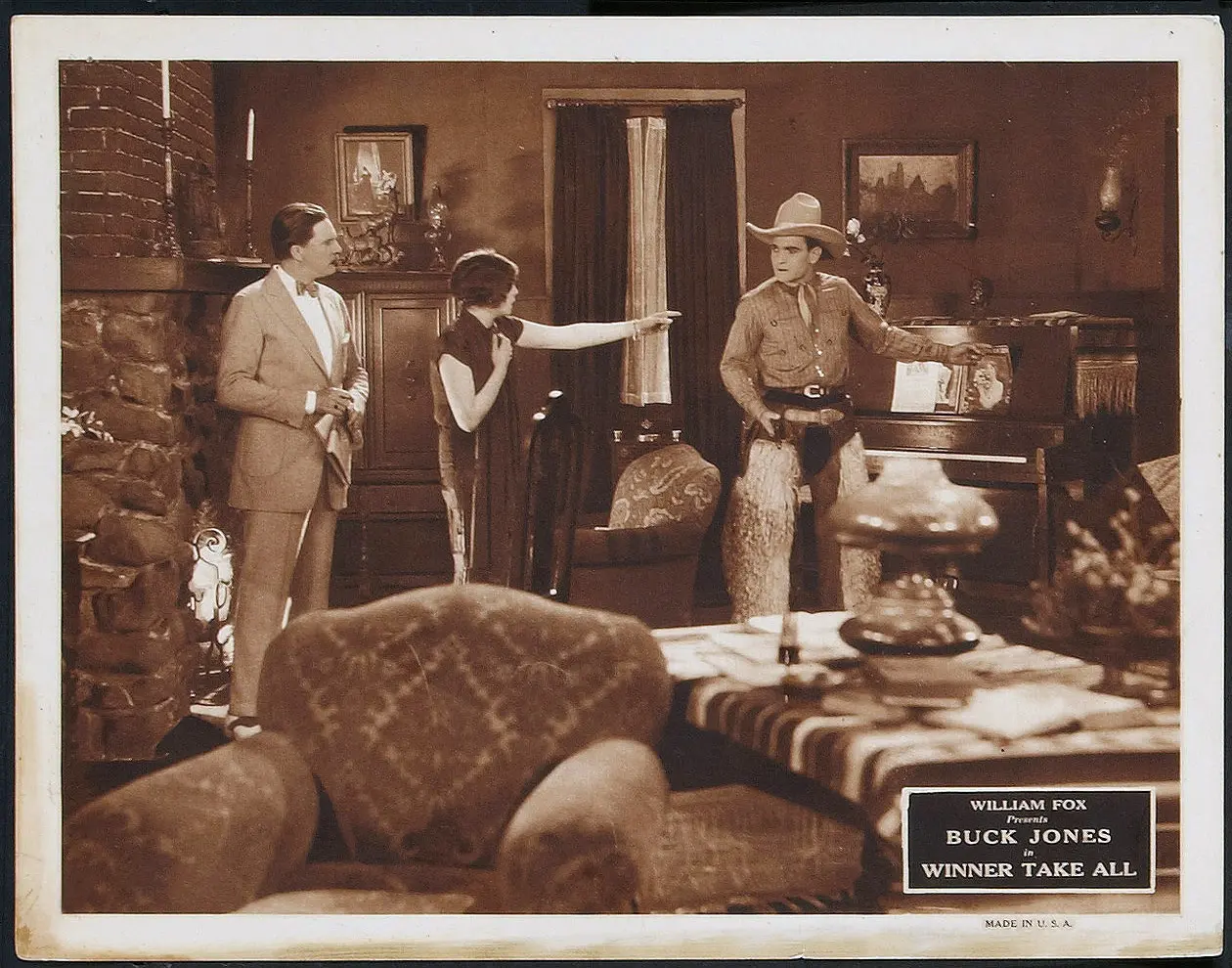
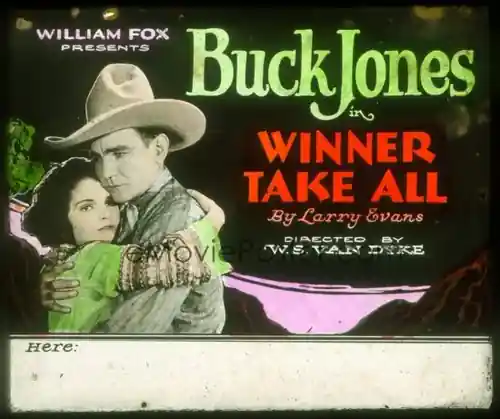
When Perry Blair's foreman fires him for fighting, fight promoter Charles Dunham hires him and takes him east to enter the boxing ring. Perry becomes a star boxer but breaks his contract and returns home when he is ordered to fight a crooked match.
The cinematic landscape of 1924 was one of profound transition, a period where the rugged individualism of the frontier began to clash violently with the burgeoning artifice of industrial modernity. In Winner Take All, we witness a fascinating distillation of this cultural friction. Directed with a keen eye for physic...
production_art
production_art
Comparing the cinematic DNA and archive impact of two defining moments in cult history.
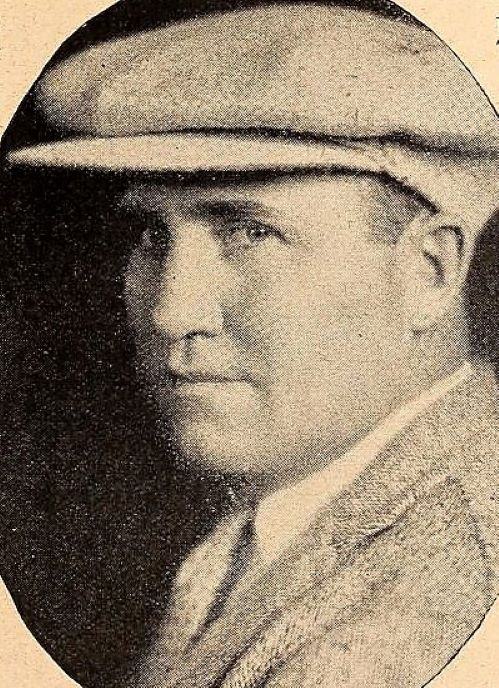
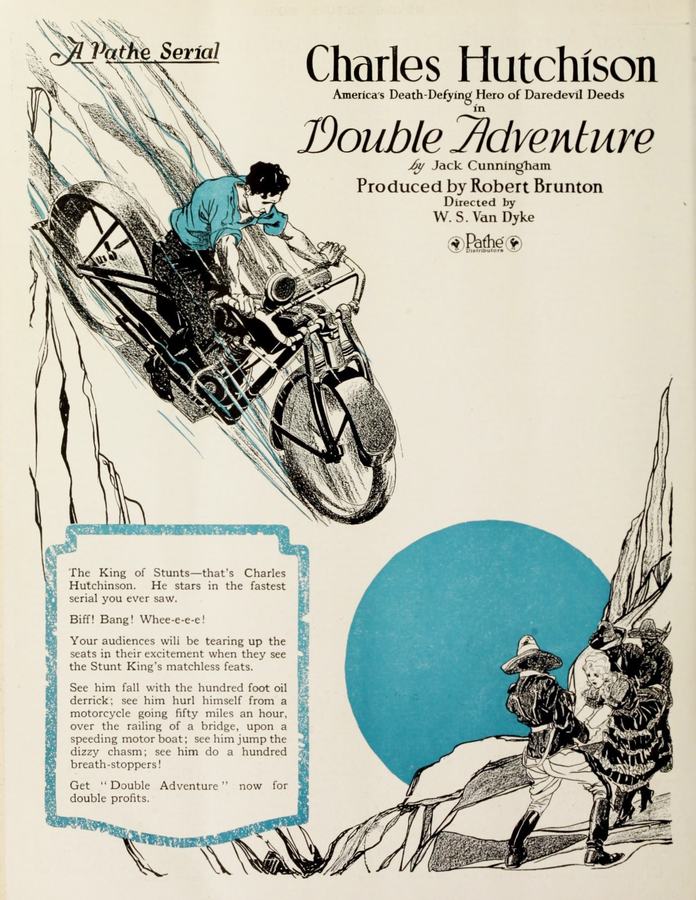
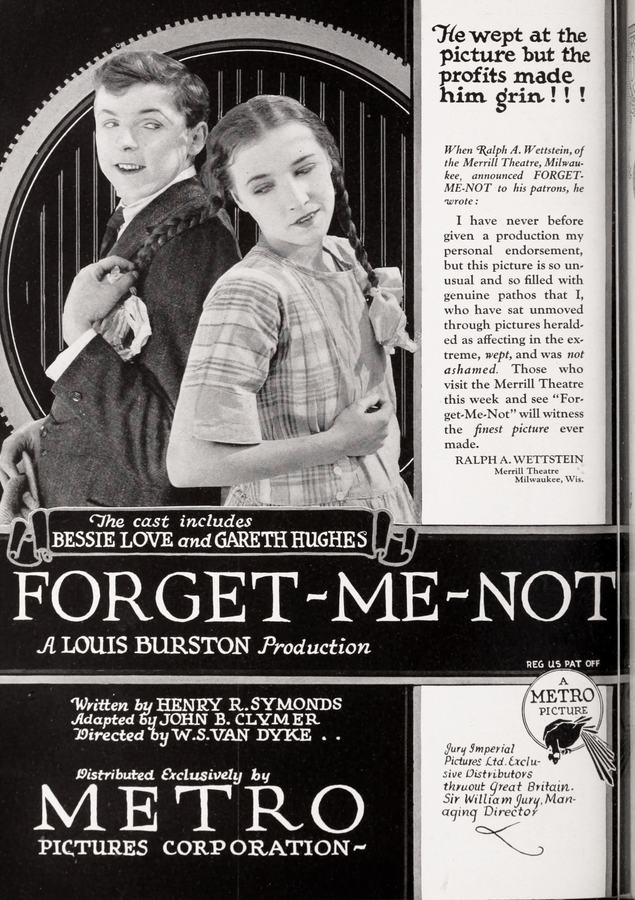
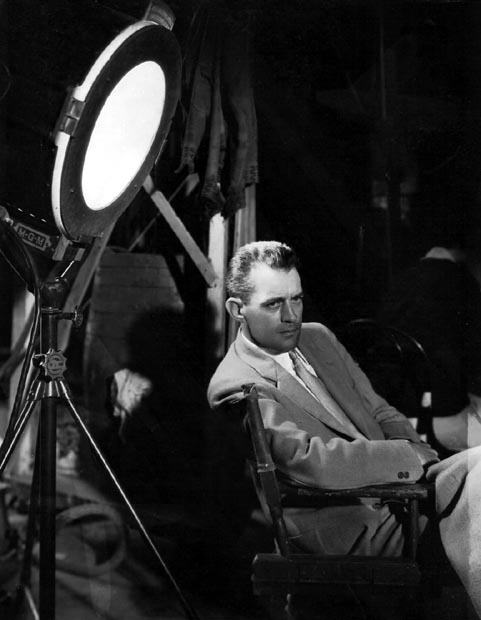
W.S. Van Dyke
Bruno Ziener
Community
Log in to comment.
" The cinematic landscape of 1924 was one of profound transition, a period where the rugged individualism of the frontier began to clash violently with the burgeoning artifice of industrial modernity. In Winner Take All, we witness a fascinating distillation of this cultural friction. Directed with a keen eye for physical choreography, the film serves as a vehicle for Buck Jones, an actor whose screen presence traditionally evoked the wide-open prairies rather than the claustrophobic confines of ..."
Ewart Adamson, Larry Evans
United States
Deep dive into the cult classic
Discover similar cinematic experiences
A Directorial Spotlight on W.S. Van Dyke