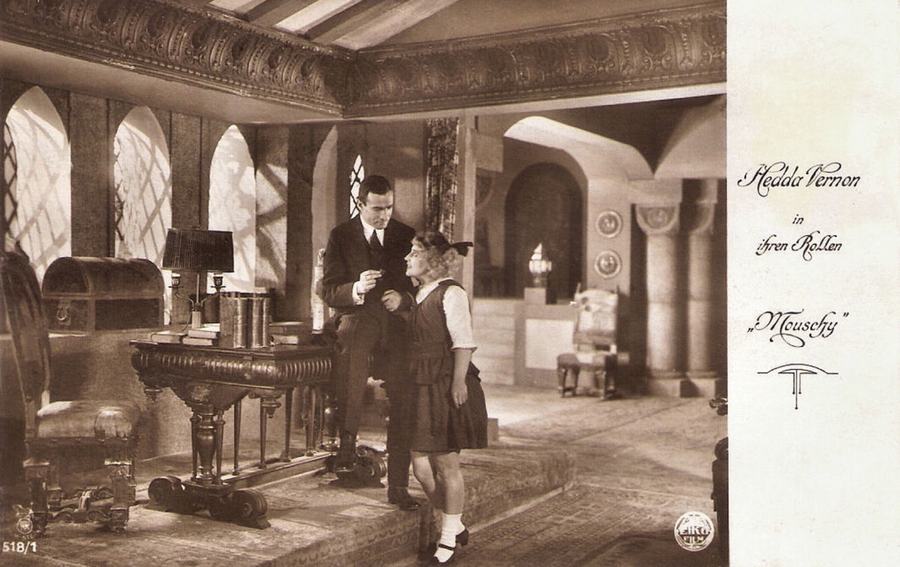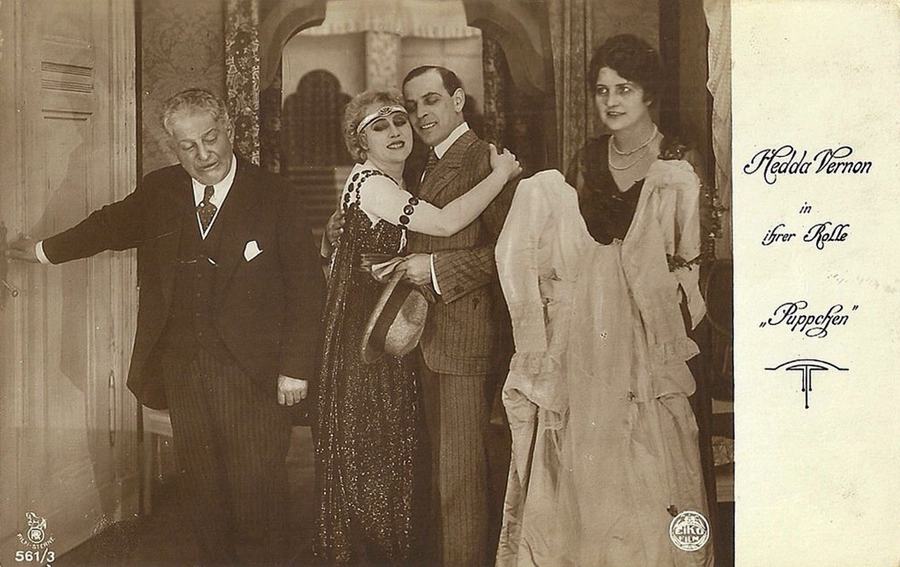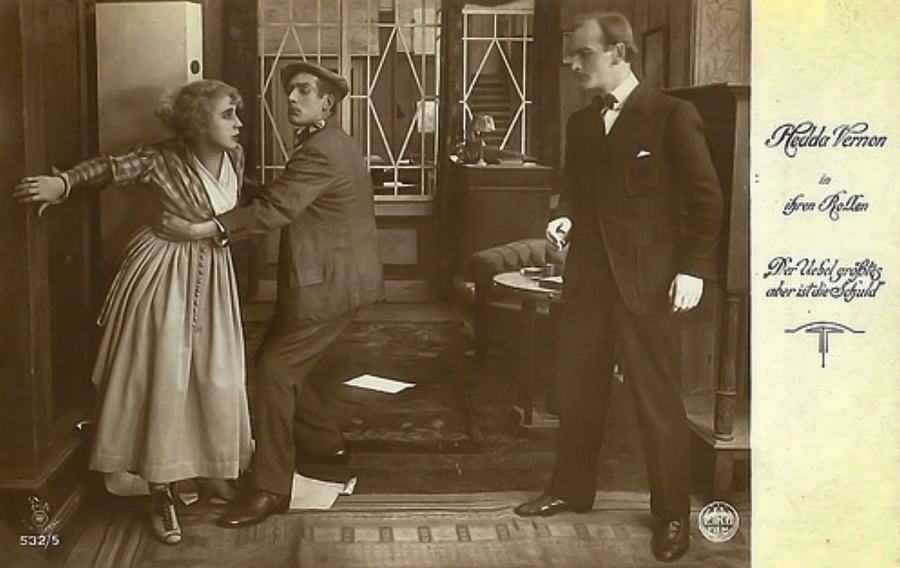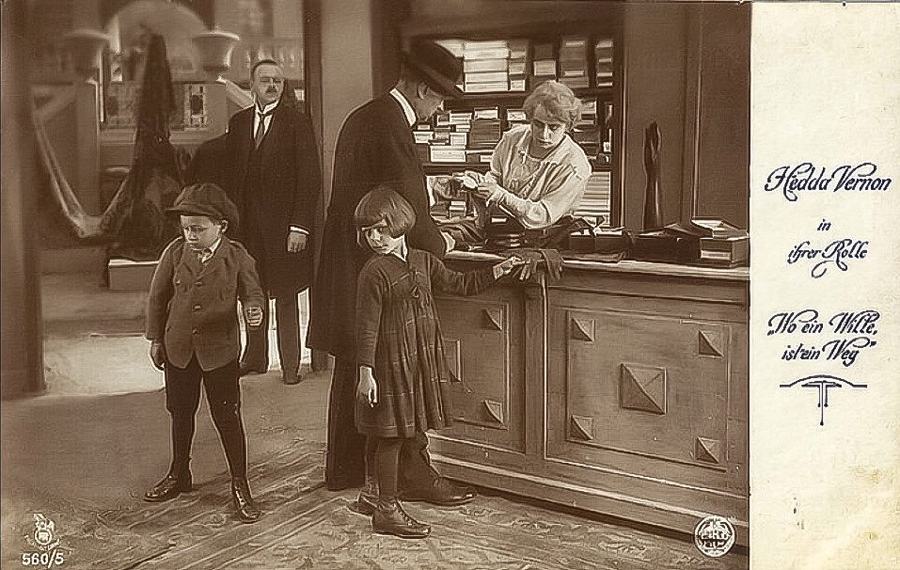
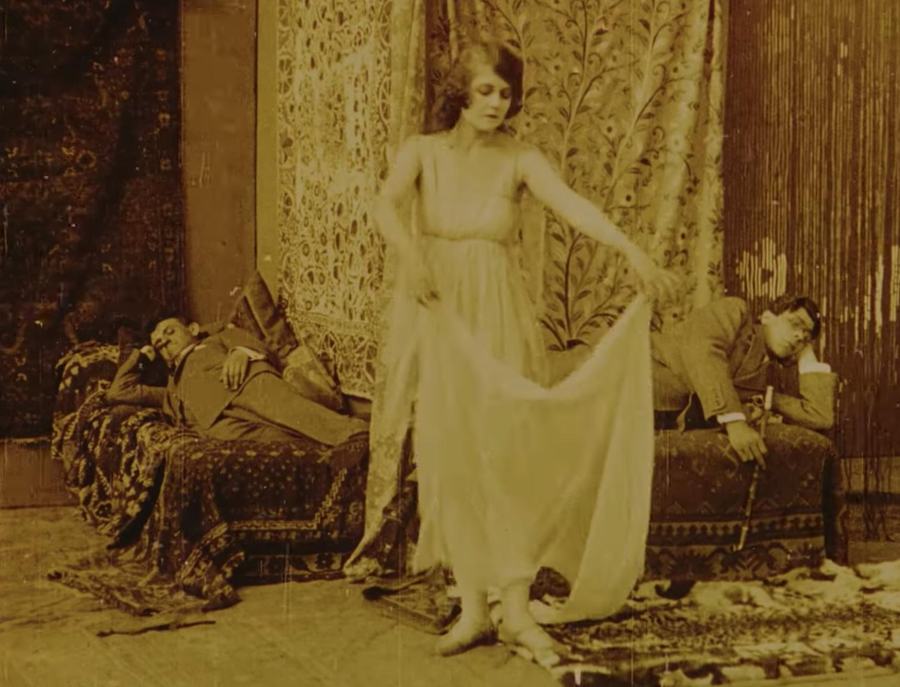
A velvet curtain lifts on the immaculate horror of respectability. In the flicker of nitrate and candle-power, Wo ein Wille, ist ein Weg stages a bourgeois salon like a mausoleum upholstered in damask: every teacup aligned with the precision of a firing squad, every smile pinned in place by ancestral diamonds. Hedda V...
production_art
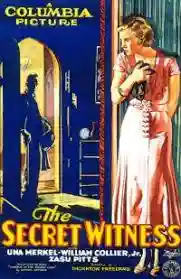
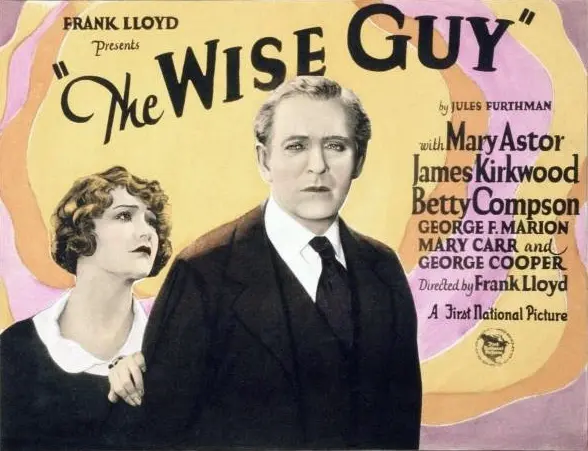
Comparing the cinematic DNA and archive impact of two defining moments in cult history.
Hubert Moest
Hubert Moest
Community
Log in to comment.
" A velvet curtain lifts on the immaculate horror of respectability. In the flicker of nitrate and candle-power, Wo ein Wille, ist ein Weg stages a bourgeois salon like a mausoleum upholstered in damask: every teacup aligned with the precision of a firing squad, every smile pinned in place by ancestral diamonds. Hedda Vernon glides through the frame as if her spine were corseted by dynastic guilt; her gaze, half lambent, half lethal, anticipates the moment when the gilded walls will echo not with..."

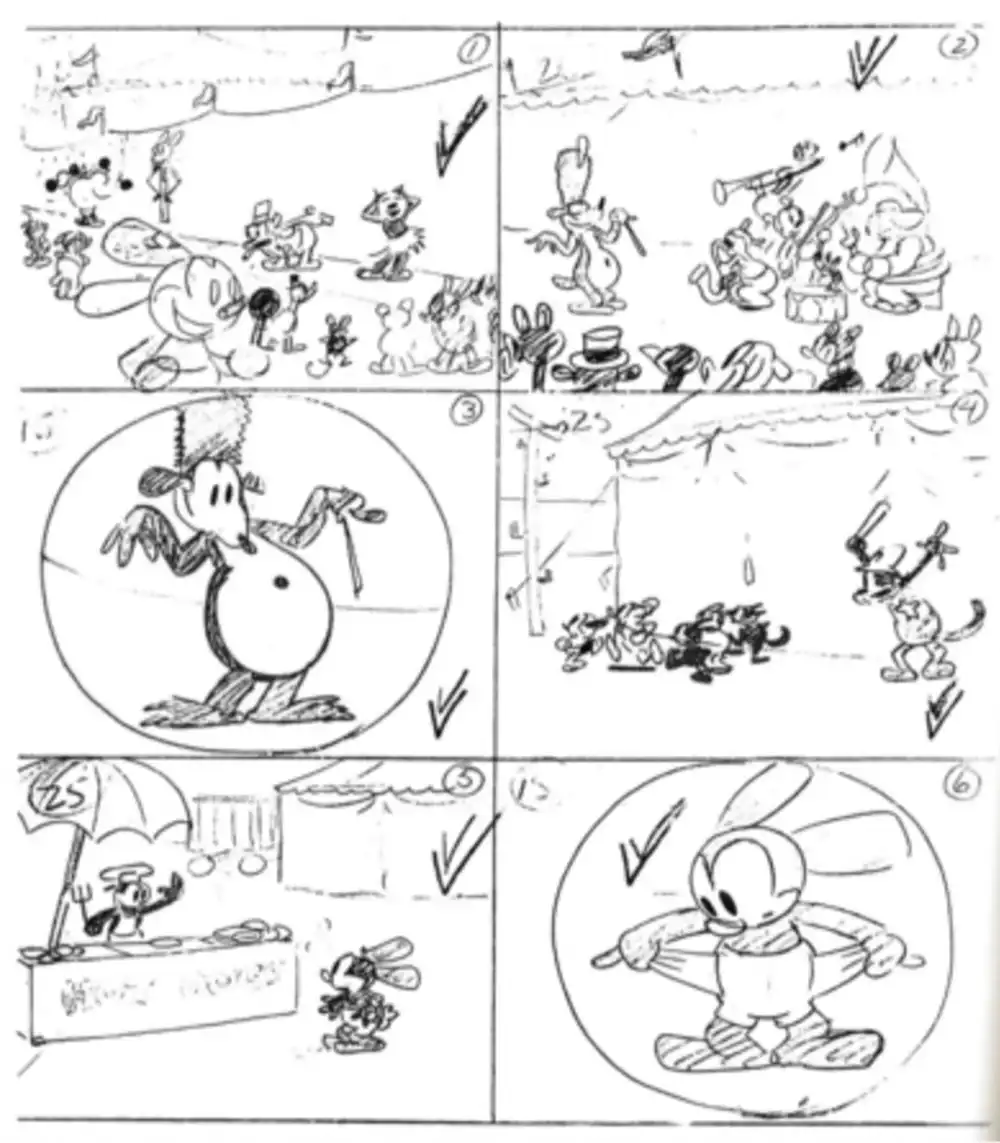
Deep dive into the cult classic
Discover similar cinematic experiences
A Directorial Spotlight on Hubert Moest