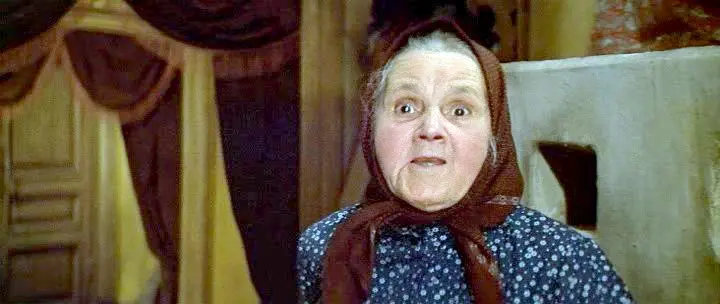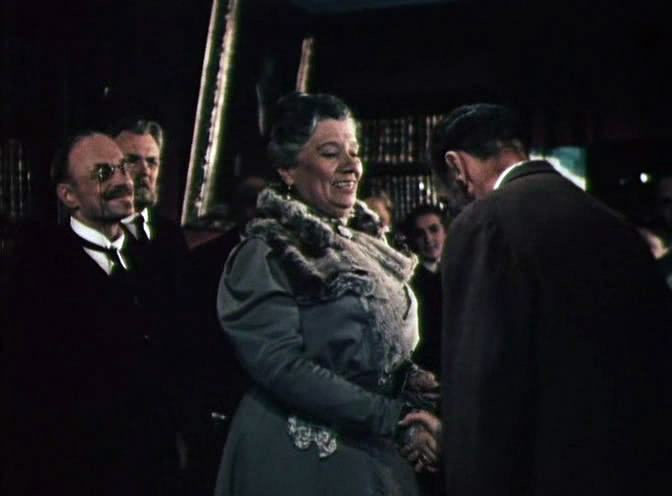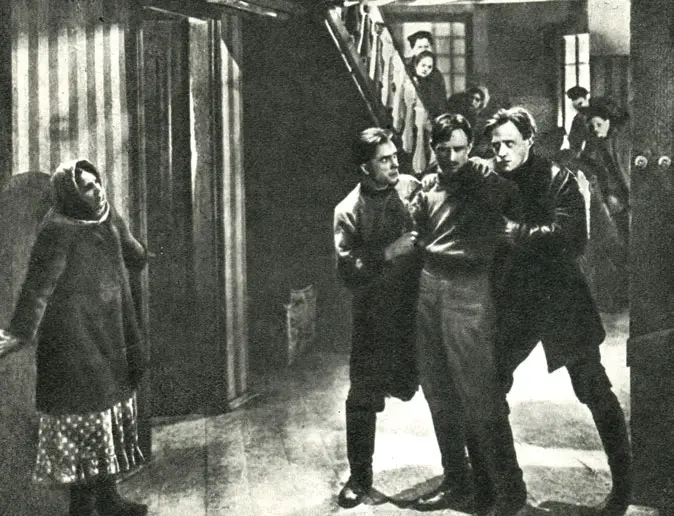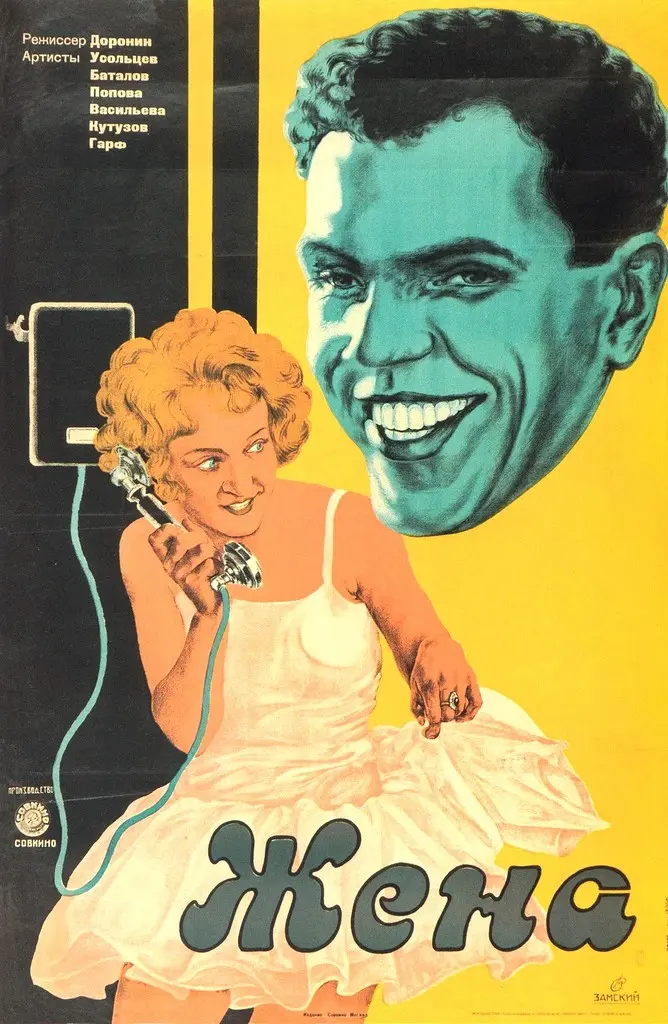
The NEP years. Glazkov, assistant director of a textile factory, a loudmouth and lover of rallies to emancipate Soviet women, meets pop dancer Tamara Bakhmetyeva.
Is Zhena Worth Watching Today?Is Zhena worth watching today? Short answer: yes, but with significant caveats that demand a particular kind of cinematic palate. This film is an essential watch for cinephiles interested in early Soviet cinema and its unique social commentary, particularly those fascinated by the nascent ...
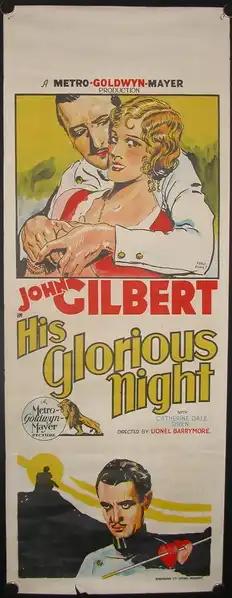
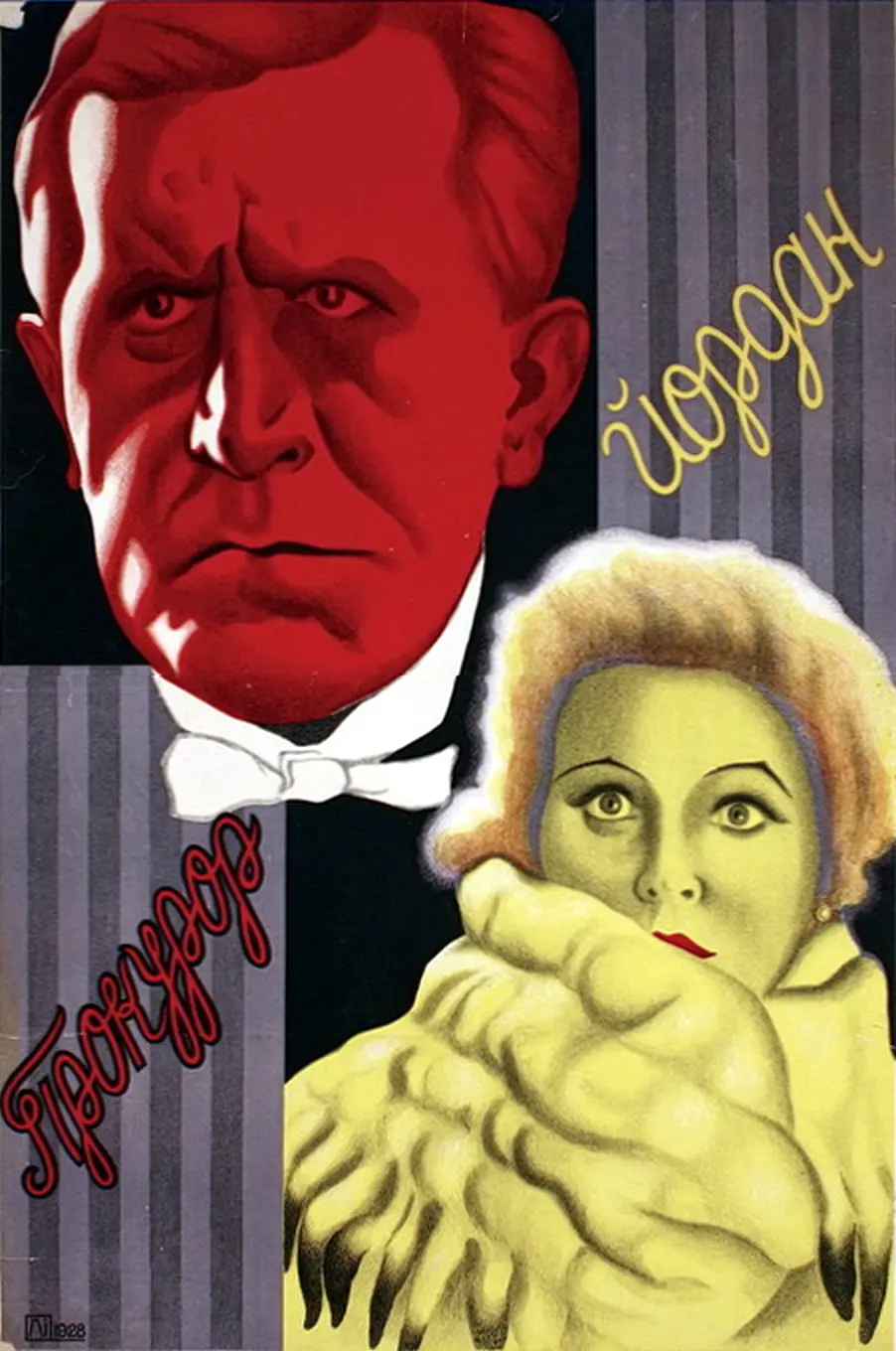
Comparing the cinematic DNA and archive impact of two defining moments in cult history.
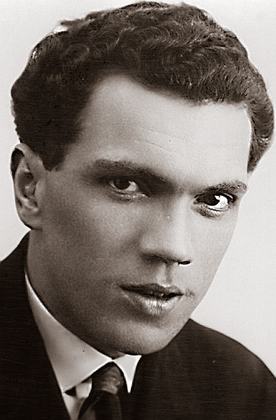
Mikhail Doronin
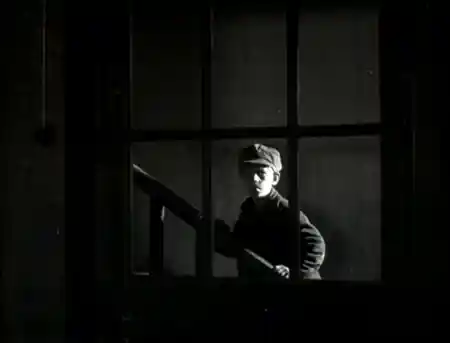
Mikhail Doronin
Community
Log in to comment.
"Is Zhena Worth Watching Today?Is Zhena worth watching today? Short answer: yes, but with significant caveats that demand a particular kind of cinematic palate. This film is an essential watch for cinephiles interested in early Soviet cinema and its unique social commentary, particularly those fascinated by the nascent stages of women's emancipation in a rapidly changing political landscape. It is decidedly not for viewers seeking a straightforward, emotionally resonant drama or those unfamiliar ..."
Aleksandr Dubrovskiy
Soviet Union
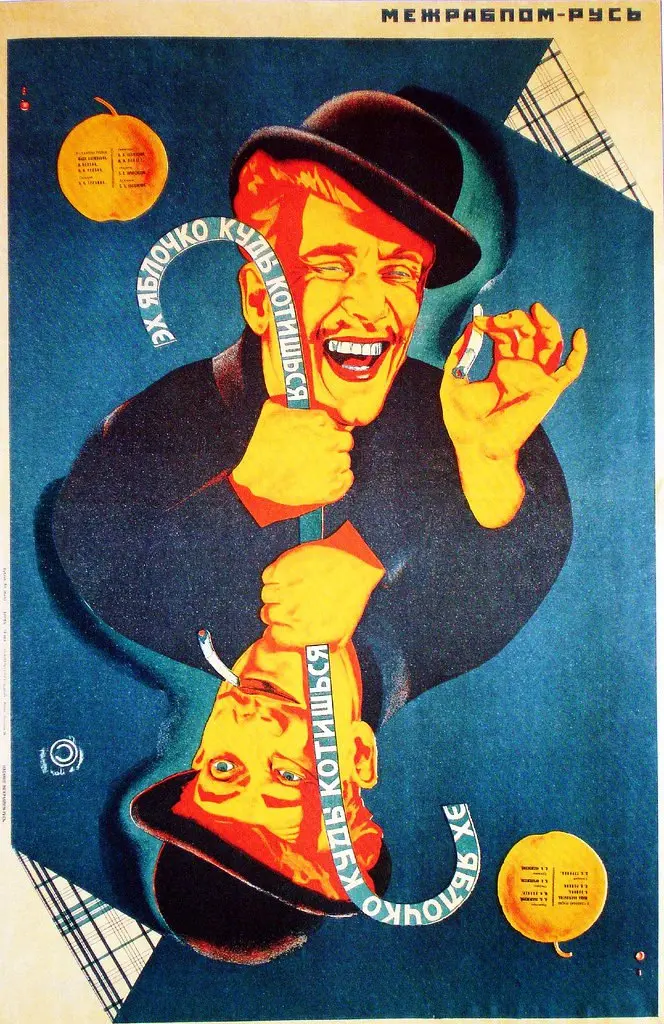
1926 · IMDb 5.9