DbcultAccessing Vault...
6.4/10
Senior Film Conservator
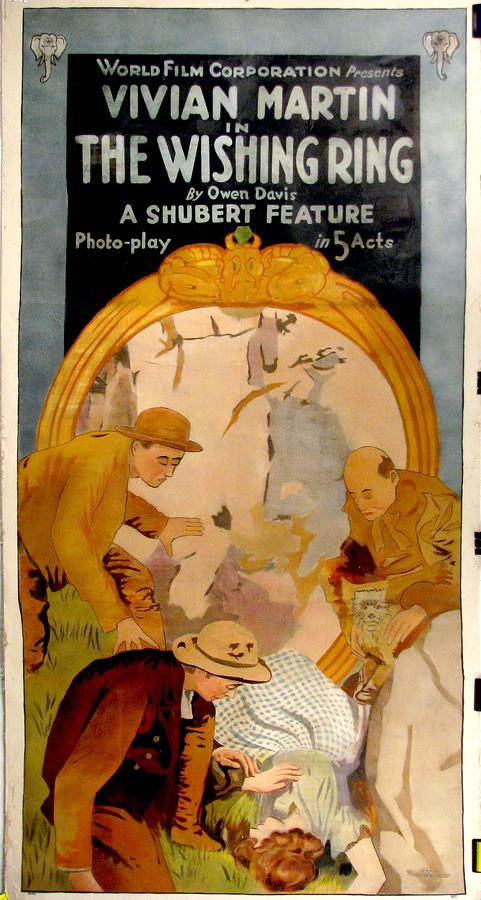
A definitive 6.4/10 rating for a film that redefined the boundaries of cult cinema. The Wishing Ring: An Idyll of Old England remains a cornerstone of transgressive art.
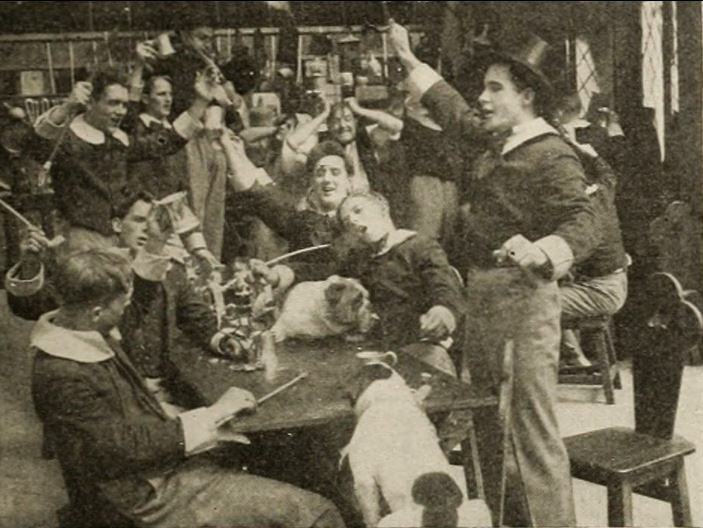
The film opens with a brisk montage of bustling university corridors, the clatter of ink pens, and the stern gaze of professors. Giles, played with a restless intensity by Walter Morton, is introduced as a young scholar who questions the very pillars of academia. His defiance culminates in a dramatic confrontation that leads to his expulsion. Rather than a bleak ending, the scene is imbued with a sense of liberation, hinting that the road ahead is paved with uncertainty yet possibility. The black‑and‑white palette is punctuated by the soft glow of candlelight, suggesting that even in darkness, a spark of hope endures.
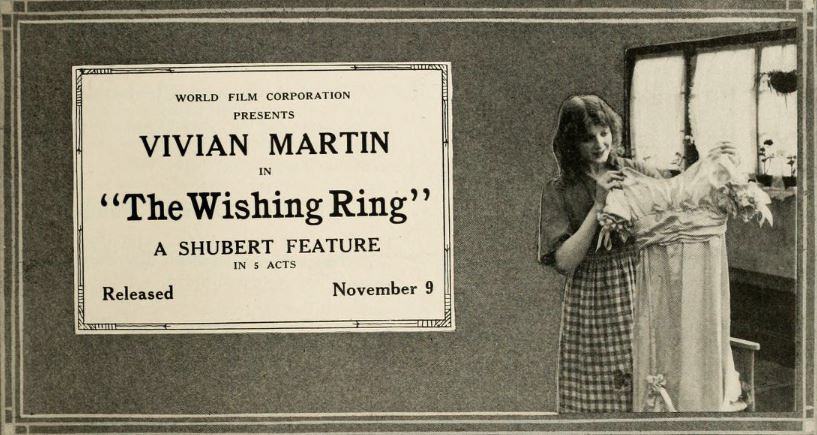
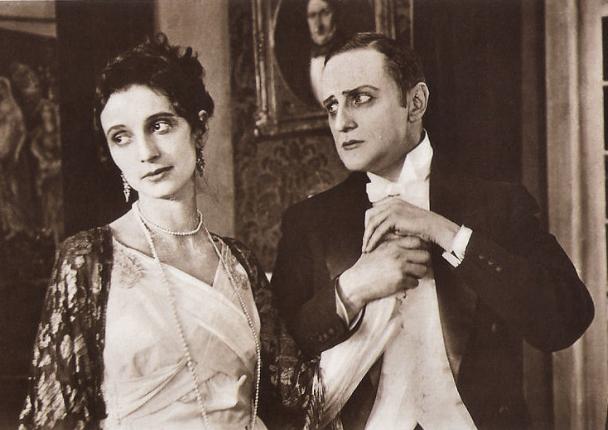
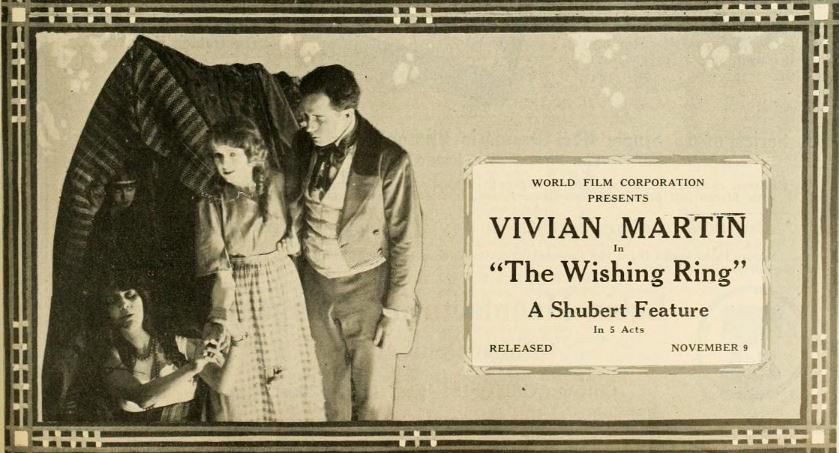
Walter Morton’s portrayal of Giles is a masterclass in silent acting; his expressive eyebrows and deliberate gestures convey a spectrum of emotions without uttering a word. Complementing him is Vivian Martin as Eliza, whose luminous eyes and subtle smiles bring a breath of fresh air to the narrative. The supporting cast—Simeon Wiltsie, Johnny Hines, and Chester Barnett—add layers of authenticity, each character reflecting a different facet of early 20th‑century English society. Alec B. Francis’s cameo as the stern professor provides a stark counterpoint, while James Young’s comedic interludes offer much-needed levity. The chemistry between Morton and Martin is palpable, their interactions a dance of longing and restraint that keeps the audience emotionally invested.
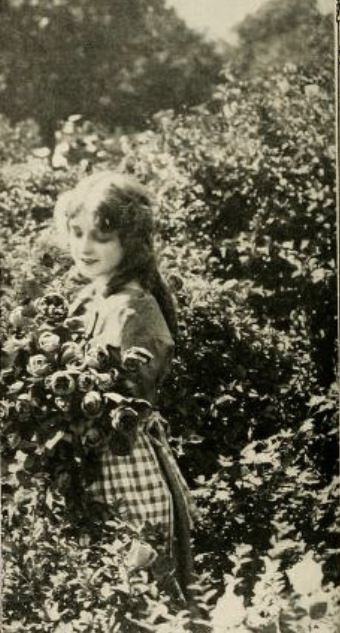
Maurice Tourneur, known for his atmospheric compositions, brings a lyrical quality to the film’s visual narrative. He employs long, sweeping shots of the English countryside to underscore Giles’s yearning for freedom. The use of chiaroscuro—sharp contrasts between light and shadow—mirrors the protagonist’s internal conflict. The camera lingers on the dust motes drifting through a sunlit window, a motif that recurs whenever Giles confronts a pivotal decision. Tourneur’s choice to frame Eliza against a backdrop of blooming roses during their first encounter imbues the scene with symbolic resonance: the juxtaposition of fragility and resilience. The film’s pacing is deliberate, allowing moments of silence to breathe and letting the audience absorb the weight of each glance.
At its core, the film is a meditation on individuality versus conformity. Giles’s expulsion is not merely a plot device; it is a catalyst that forces him to confront the societal expectations imposed upon him. Eliza, in turn, embodies the spirit of rebellion, challenging the rigid gender norms of the era. Their relationship becomes a conduit through which the film explores the transformative power of love. The narrative arc is linear yet layered, with each milestone—meeting Eliza, discovering her secret diary, and ultimately choosing to defy his father—adding depth to the protagonist’s evolution. The film also touches on themes of redemption, suggesting that personal growth is possible even when one is cast out by society.
When placed alongside contemporaneous works such as Les Misérables and Oliver Twist, The Wishing Ring stands out for its intimate focus on personal rebellion. While the former films grapple with class struggle on a grand scale, this narrative zooms into the microcosm of a single young man’s defiance. The film also shares thematic kinship with The Life and Passion of Jesus Christ, in its portrayal of sacrificial love, though it does so in a secular, humanistic context. The subtle interplay between light and darkness in this film echoes the visual poetry of The Flying Circus, yet it remains grounded in the quiet dignity of everyday life.
Although the film itself is silent, the accompanying score—performed live in theatres—complements its emotional trajectory. The composer’s use of a restrained string section during Giles’s moments of doubt contrasts sharply with the exuberant brass fanfare that underscores his eventual decision to pursue love. The music’s ebb and flow mirrors the visual rhythm, creating a symbiotic relationship between sight and sound that enhances the storytelling. In scenes where Eliza’s laughter is heard, the score swells with a playful motif, reinforcing her role as the catalyst for Giles’s transformation.
Set against the backdrop of early 20th‑century England, the film captures the tension between tradition and modernity. The rigid academic environment that condemns Giles reflects the broader societal pressure to conform, while the rural village offers a sanctuary where individuality can flourish. The film subtly critiques the patriarchal structures that limit women’s agency, as seen in Eliza’s defiant acts. By weaving these social commentaries into a personal love story, the film invites viewers to reflect on their own relationship with societal expectations. It also serves as a time capsule, preserving the aesthetic and moral values of an era that straddled the cusp of modernity.
The Wishing Ring’s influence can be traced in later romantic dramas that prioritize character development over spectacle. Its nuanced portrayal of a young man’s internal struggle prefigures the thematic depth seen in films such as The Life and Death of King Richard III and Les amours de la reine Élisabeth. Moreover, the film’s visual style—particularly its use of natural lighting and atmospheric framing—has informed modern cinematographers who seek to evoke emotional authenticity. The narrative’s emphasis on personal agency over societal approval resonates with contemporary audiences, ensuring its continued relevance.
In a world where social media often dictates personal identity, The Wishing Ring offers a timeless reminder that true fulfillment stems from authenticity. Giles’s journey mirrors the modern struggle to balance external expectations with internal desires. The film encourages viewers to question institutional authority, whether it be academia, corporate structures, or cultural norms. Eliza’s character, too, serves as a beacon for those who dare to defy gender conventions and pursue their passions. By juxtaposing these themes against a historical backdrop, the film bridges past and present, illustrating that the quest for self‑realization is a universal human endeavor.
The Wishing Ring: An Idyll of Old England remains a masterful blend of visual artistry, compelling performances, and enduring thematic relevance. Its quiet yet potent narrative invites the audience to traverse the delicate line between conformity and rebellion, ultimately celebrating the transformative power of love and individuality. The film’s legacy endures, echoing through subsequent generations of cinema and reminding us that, even in the darkest of times, a single act of defiance can illuminate the path to a brighter future.
Community
Log in to comment.