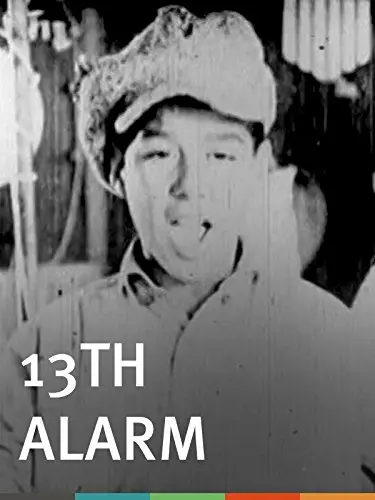
A definitive 4/10 rating for a film that redefined the boundaries of cult cinema. 13th Alarm remains a cornerstone of transgressive art.
Is '13th Alarm' worth watching today? Short answer: yes, but with significant caveats. This film is a delightful, if dated, watch for those fascinated by early cinema's inventive spirit and the earnest portrayal of childhood ambition, yet it will likely test the patience of viewers accustomed to modern narrative conventions and production polish.
It's a niche experience, tailor-made for film historians, enthusiasts of silent-era curiosities, and anyone who cherishes the raw, unpolished charm of pre-studio system storytelling. Conversely, if you seek high production values, complex character arcs, or rapid-fire pacing, '13th Alarm' is decidedly not for you.
This film works because of its sheer inventive spirit and the charming, unpolished performances that ground its whimsical premise in genuine youthful grit.
Scene from 13th Alarm
Cinematic perspective: Exploring the visual vocabulary of 13th Alarm (1925) through its definitive frames.
This film fails because of its rudimentary plot structure, which, while endearing, offers little in the way of dramatic tension or sophisticated character development, coupled with the inevitable technical limitations of its era.
You should watch it if you appreciate historical curiosities, stories of youthful resourcefulness, and the foundational creativity that shaped early cinematic language.
The Spark of Ingenuity: Plot & Premise
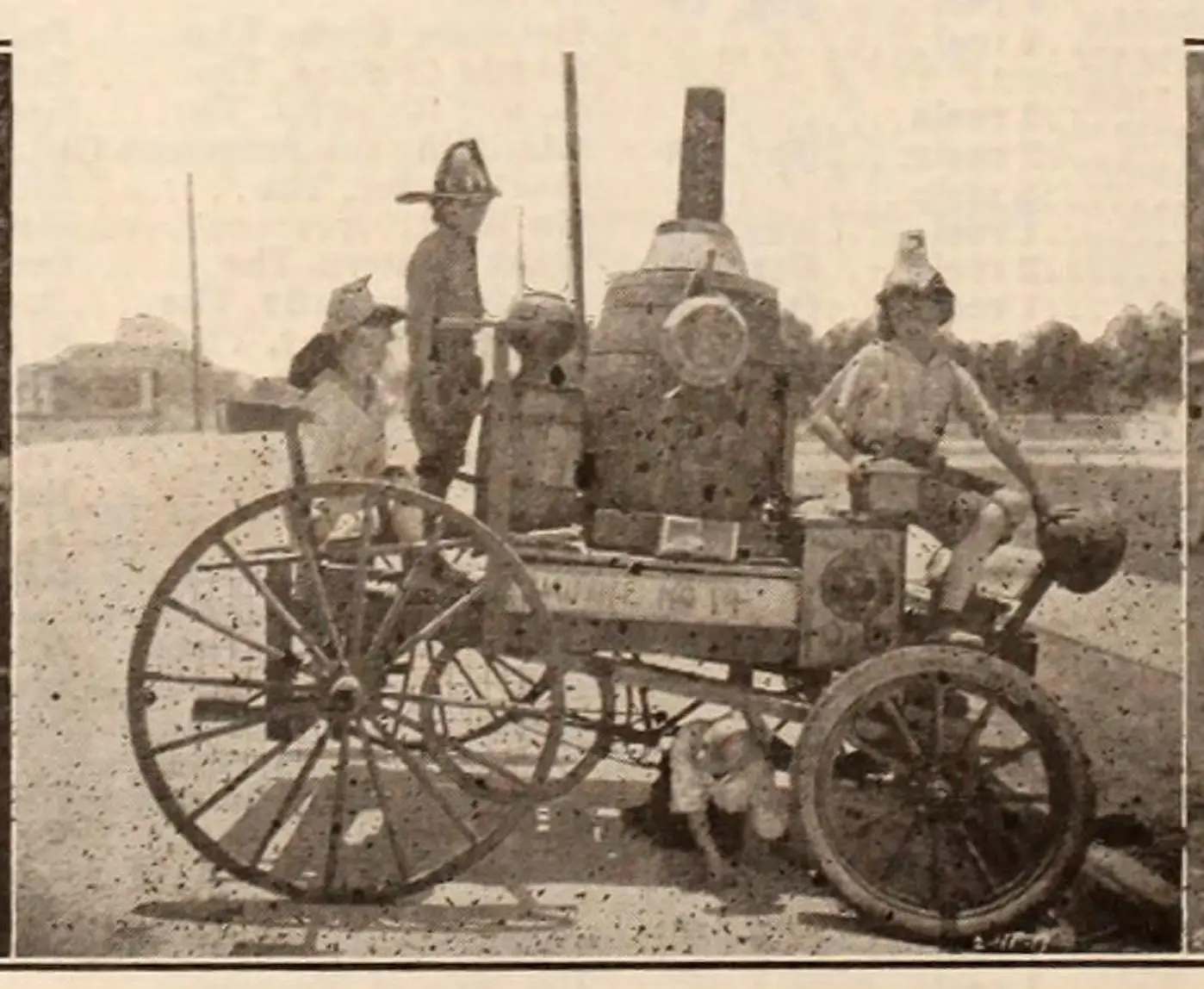
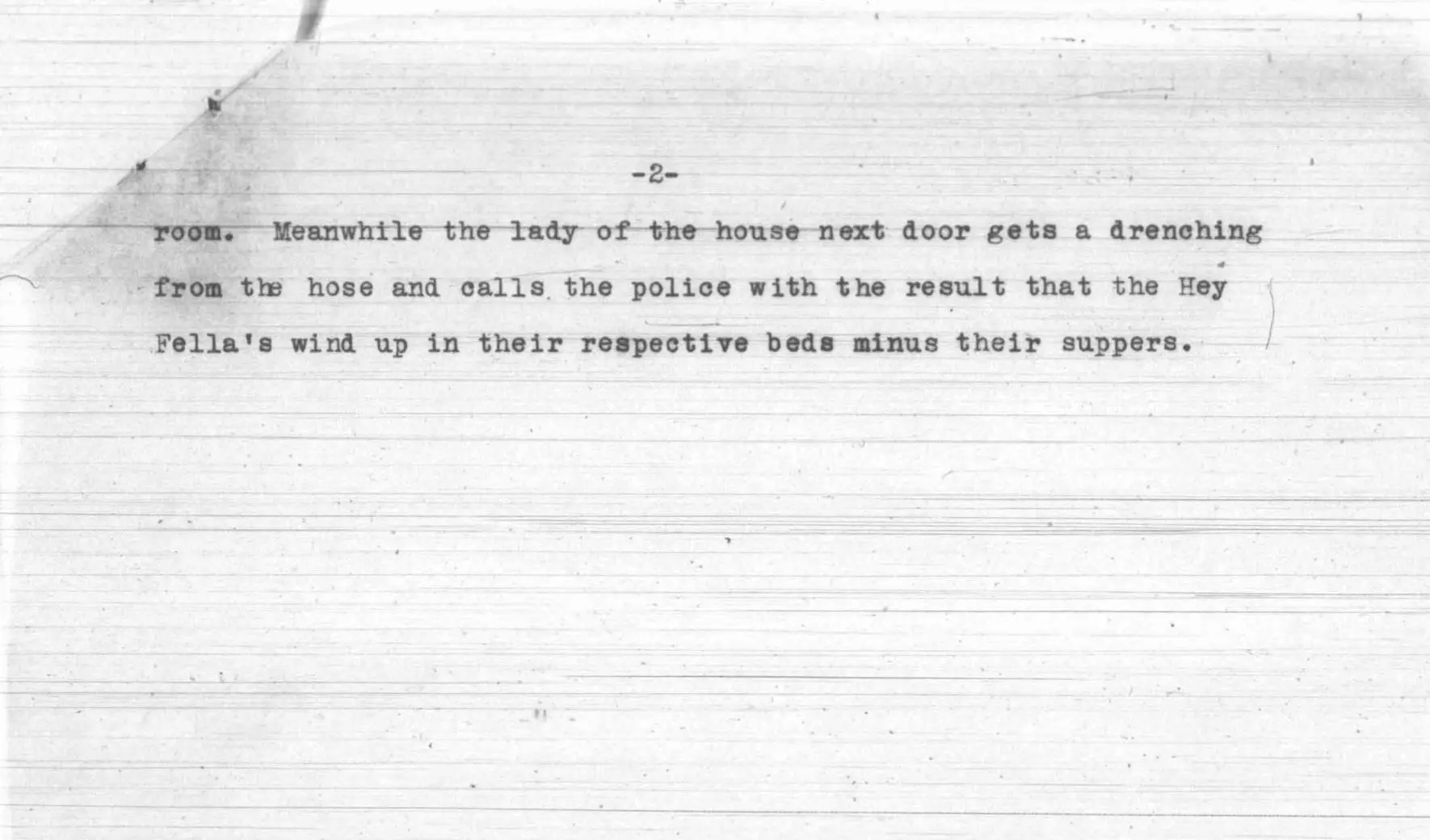
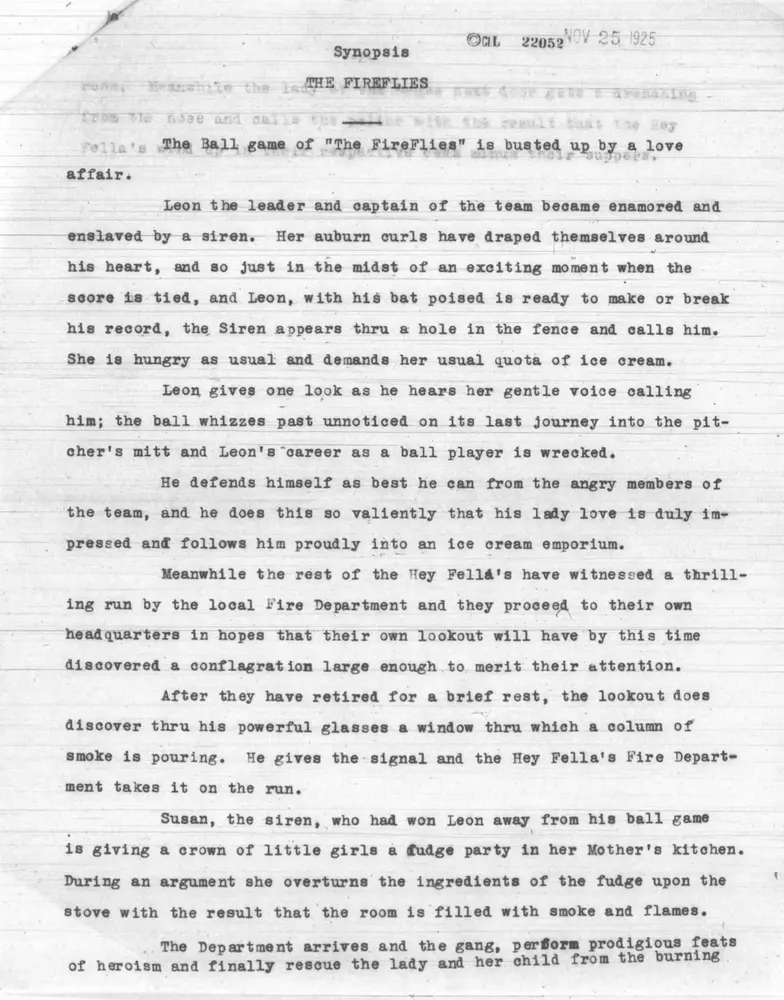
At its heart, "13th Alarm" is a simple, almost fable-like narrative. It chronicles the 'Hey Fellas' gang, a motley crew of neighborhood kids, as they embark on an ambitious project: constructing a firehouse entirely from discarded junkyard parts. This premise, while seemingly unassuming, is a potent metaphor for childhood ambition, community building, and the transformative power of imagination.
Scene from 13th Alarm
Cinematic perspective: Exploring the visual vocabulary of 13th Alarm (1925) through its definitive frames.
The film doesn't delve into deep psychological insights or intricate subplots. Instead, its strength lies in the straightforward portrayal of a collective goal. We are invited to witness the arduous, often comical, process of scavenging, assembling, and ultimately realizing a shared dream. It's a testament to the idea that necessity, or perhaps just an abundance of free time and youthful energy, can indeed be the mother of invention.
One can imagine scenes of Jimmy Thompson, likely the gang's de facto leader, strategizing over a pile of rusted metal, or Mary Jane Milliken, perhaps the pragmatic voice, finding ingenious ways to repurpose an old automobile tire into a bell. The very act of building, of turning refuse into a symbol of civic responsibility, however small-scale, becomes the central dramatic engine. It’s less a narrative driven by conflict and more one propelled by collective will and ingenious problem-solving.
A Cast of Characters, Not Stars: Acting & Ensemble
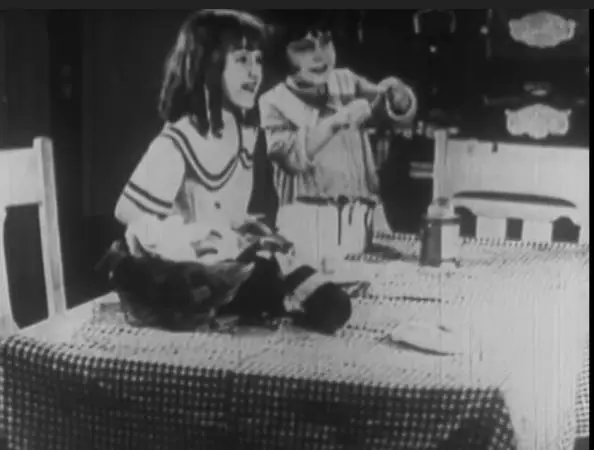
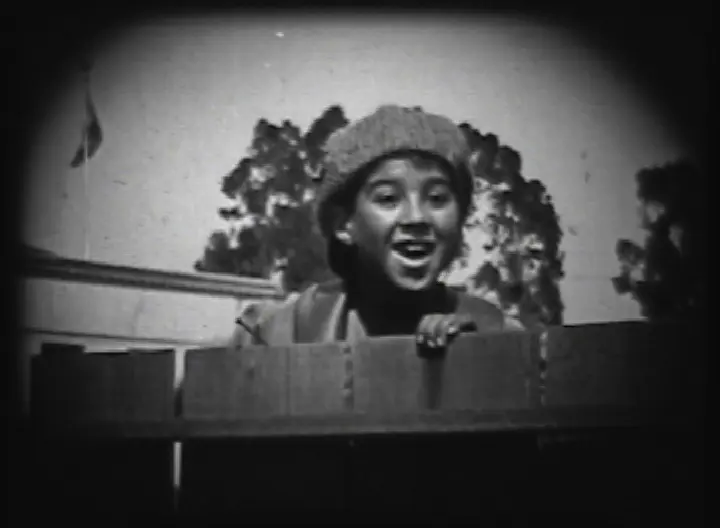
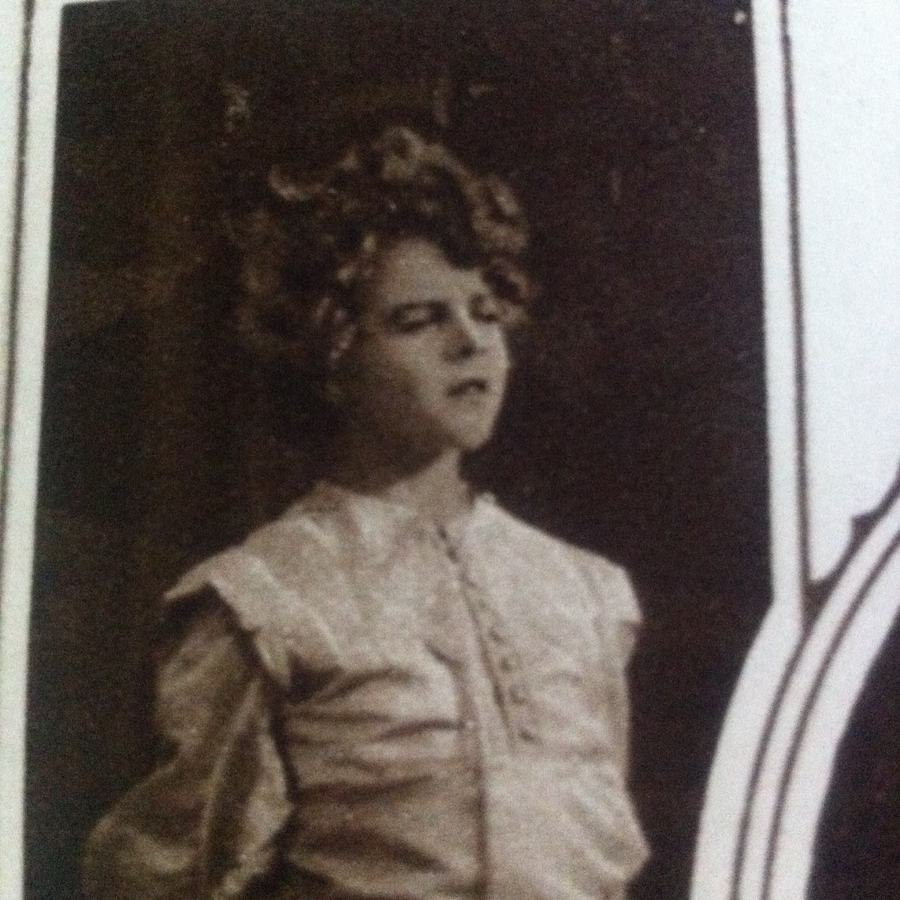
The ensemble cast, featuring names like Jimmy Thompson, Mary Jane Milliken, and Jeff Jenkins, isn't asked to deliver towering dramatic performances. Their roles are more akin to archetypes of youthful energy and specific talents within the 'Hey Fellas' gang. The film's charm emanates from their collective chemistry, the unspoken bonds forged through shared labor and a common goal.
Scene from 13th Alarm
Cinematic perspective: Exploring the visual vocabulary of 13th Alarm (1925) through its definitive frames.
One can infer that the performances would have been naturalistic, perhaps even improvisational in moments, capturing the genuine spirit of children at play, yet with a serious purpose. Consider a scene where Buddy Williams and Garner Hamm struggle comically with an oversized piece of corrugated iron, their expressions a mix of determination and exasperation. It's in these small, relatable moments that the film's humanity shines through.
The true star here isn't any single actor, but the collective, unbridled spirit of ingenuity. The film, in its simplicity, allows us to project our own memories of childhood projects and friendships onto the screen. This approach, while not conforming to modern acting standards, provides a raw authenticity that is surprisingly endearing. It's a reminder that compelling storytelling doesn't always require a marquee name; sometimes, it just needs honest portrayals of relatable human (or in this case, youthful) experience.
The Aesthetic of Scarcity: Direction & Cinematography
Kingsley Benedict's direction, coupled with the cinematography, would have been largely dictated by the practicalities of early filmmaking and the film's humble subject matter. One can envision a visual style that leans into realism, capturing the textures of the junkyard – the glint of sunlight on rusted chrome, the shadows cast by towering piles of scrap. This 'aesthetic of scarcity' becomes a character in itself, emphasizing the resourcefulness of the young protagonists.
Scene from 13th Alarm
Cinematic perspective: Exploring the visual vocabulary of 13th Alarm (1925) through its definitive frames.
The camera likely serves as an observational eye, documenting the process rather than imposing a heavy artistic interpretation. Consider wide shots that establish the vastness of the junkyard, contrasting it with close-ups of small hands meticulously fastening bolts or painting a makeshift sign. This visual juxtaposition would underscore the monumental task undertaken by the children.
While it lacks the sweeping grandeur of epics like Lucrezia Borgia or the dramatic tension of The Hidden Truth, "13th Alarm" would have relied on the visual storytelling of transformation. The transition from chaotic junkyard mess to a recognizable, if ramshackle, firehouse would be the primary visual narrative. The lighting, probably naturalistic, would emphasize the grit and grime, yet also the triumphant glow of accomplishment when the project neared completion.
Rhythm of Resourcefulness: Pacing & Tone
The pacing of "13th Alarm" is almost certainly deliberate, reflecting the methodical nature of the construction project itself. This isn't a film that rushes; it invites the viewer to linger on the details of the work, the small victories, and the occasional setbacks. The rhythm is dictated by the act of building, by the slow accumulation of parts and the gradual emergence of the firehouse structure.
Scene from 13th Alarm
Cinematic perspective: Exploring the visual vocabulary of 13th Alarm (1925) through its definitive frames.
Unlike the rapid-fire editing we're accustomed to today, the film would have employed longer takes, allowing the audience to absorb the environment and the actions of the 'Hey Fellas.' This deliberate pace, while potentially challenging for modern viewers, contributes to a reflective, almost meditative tone. It allows for a deeper appreciation of the effort involved and the simple joy of creation.
The tone is overwhelmingly one of earnestness and innocent optimism. There's a refreshing lack of cynicism, a pure celebration of youthful enterprise. It's reminiscent of the wholesome, adventurous spirit found in other early films focused on community and ingenuity, perhaps even a proto-version of the 'Our Gang' comedies. The writers, Kingsley Benedict and Pinto Colvig, likely imbued the script with a sense of playful determination that carries through every frame.
Is This Film Worth Watching?
Yes, for a very specific audience. "13th Alarm" is a fascinating artifact of early cinema. It offers a window into a bygone era of filmmaking and storytelling. Its charm lies in its simplicity and genuine portrayal of childhood ambition.
It is an important film for understanding the foundations of narrative structure. It shows how compelling stories can emerge from basic premises. The film's historical value is undeniable. It's a testament to the power of imagination. But it requires patience and an appreciation for its historical context.
Pros and Cons
Pros:
Authentic Charm: Captures the unpolished, genuine spirit of youthful endeavor and community building.
Historical Significance: A valuable glimpse into early filmmaking techniques and narrative styles.
Inspiring Premise: Celebrates ingenuity, resourcefulness, and the power of collective action.
Relatable Themes: Despite its age, the themes of friendship, ambition, and creation resonate universally.
Unique Visuals: The junkyard setting offers a distinctive backdrop, contrasting chaos with order.
Cons:
Rudimentary Plot: Lacks the complexity and dramatic tension expected by modern audiences.
Slow Pacing: Its deliberate rhythm may test the patience of viewers accustomed to faster cuts and narrative acceleration.
Technical Limitations: As an early film, it naturally lacks the production polish and sophisticated cinematography of later works.
Limited Character Depth: Characters serve more as functions of the plot than fully developed individuals.
Niche Appeal: Not for everyone; its primary audience will be film scholars and enthusiasts of historical cinema.
Key Takeaways
Best for: Film historians, early cinema enthusiasts, and those seeking a dose of nostalgic, wholesome storytelling.
Not for: Viewers seeking fast-paced action, complex narratives, or high production values.
Standout element: The sheer, unadulterated ingenuity displayed by the 'Hey Fellas' gang and the film's celebration of youthful, collaborative creation. It's a genuinely heartwarming premise.
Biggest flaw: Its narrative simplicity, which, while charming, offers little in the way of dramatic peaks or nuanced character arcs, making it feel more like a charming vignette than a fully fleshed-out story.
Verdict
"13th Alarm" is less a narrative triumph and more a fascinating archaeological dig into the foundational elements of cinema. It’s raw. It’s real. It works, but it's flawed. The film, in its modest scope, offers a surprisingly potent message about the power of collective imagination and the beauty of turning discarded remnants into something meaningful. It doesn't aim for the epic scale of Yorktown or the intricate character study of Le destin est maître; instead, it finds its strength in the everyday heroism of children with a vision.
My unconventional observation: the film’s greatest strength might be its accidental documentary-like quality, inadvertently preserving a snapshot of childhood resourcefulness and play from an era long past. It’s a time capsule of innocent ambition. While it won't be everyone's cup of tea, for those willing to engage with its historical context and embrace its quaint charm, "13th Alarm" offers a genuinely heartwarming experience. It's a reminder that sometimes, the simplest stories are the most enduring, echoing the timeless appeal of human creativity against all odds.
It earns its place as a notable, if minor, entry in the annals of early cinema. It's a film that asks you to meet it halfway, to appreciate its limitations as much as its strengths. And for that effort, it rewards you with a dose of pure, unadulterated joy. A definite watch for the historically curious, a skip for those seeking modern cinematic thrills. It's an important piece of the puzzle, even if it's made from junkyard parts.