DbcultAccessing Vault...
7.1/10
Senior Film Conservator
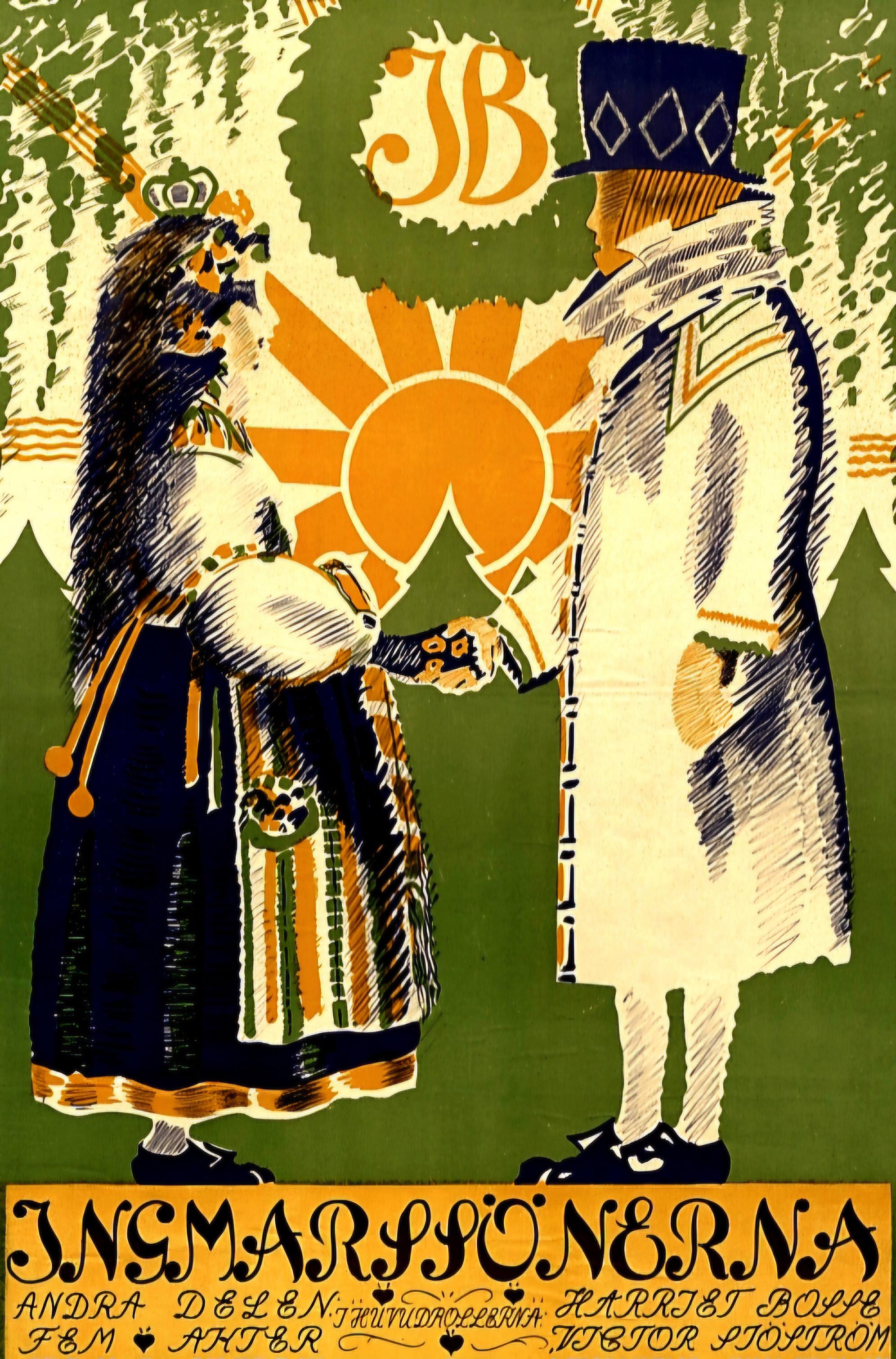
A definitive 7.1/10 rating for a film that redefined the boundaries of cult cinema. Ingmarssönerna remains a cornerstone of transgressive art.
In the pantheon of silent cinema, few figures loom as large as Victor Sjöström. With Ingmarssönerna (1919), he didn't just adapt a novel; he sculpted a philosophy out of light, shadow, and the rugged Swedish terrain. This isn't merely a film; it is a monumental exercise in cinematic naturalism that bridges the gap between the terrestrial and the divine. Sjöström, acting as both director and lead, captures the agonizing weight of tradition with a sensitivity that makes modern psychological dramas feel superficial. The narrative, extracted from Selma Lagerlöf’s Jerusalem, is a sprawling epic of the soul, focusing on the internal combustion of a man caught between the laws of the heart and the laws of the land.
The story of Lill-Ingmar is one of profound isolation amidst a community that values lineage above all else. When we meet him, he is a man paralyzed by a tragedy that would break a lesser spirit. His bride-to-be, Brita, played with a haunting desperation by Harriet Bosse, has committed infanticide—a crime born of the crushing social pressure and the perceived shame of her situation. Unlike the more melodramatic approach seen in contemporary works like The Clutch of Circumstance, Sjöström treats this horror with a somber, almost liturgical gravity. He doesn't look away from the ugliness, but he frames it within a larger cycle of human fallibility.
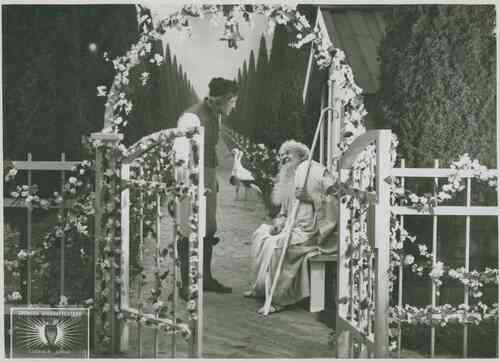
Lill-Ingmar’s struggle is not just with Brita’s sin, but with his own capacity for mercy. He is an Ingmar, and in his village, that name carries the weight of centuries of perceived moral perfection. To find a path forward, he must look backward. This leads to the film's most iconic sequence: the ascent to heaven. While many silent films of the era, such as Spöket på Junkershus, utilized the supernatural for thrills or gothic atmosphere, Sjöström uses it for introspection. The ladder to heaven is a masterclass in early special effects, but its power lies in its emotional honesty. Ingmar sits at a table with his ancestors, seeking their permission to forgive. It is a dialogue with the dead that feels more alive than most contemporary conversations.
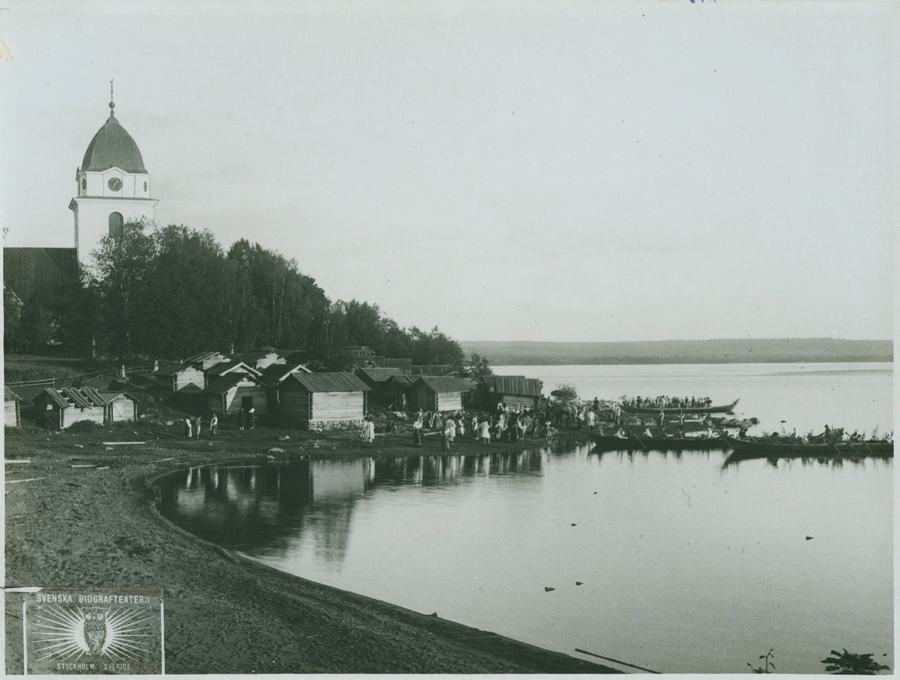
The cinematography in Ingmarssönerna is a revelation. Sjöström and his cameraman, J. Julius, treat the Swedish landscape as a primary character. The rolling hills, the dense forests, and the stark architecture of the farmsteads are not just backdrops; they are the physical manifestation of the characters' internal states. There is a ruggedness here that contrasts sharply with the more staged, theatrical environments found in Her Greatest Performance. Sjöström’s camera lingers on the textures of the world—the grain of the wood, the chill of the morning mist—grounding the spiritual elements of the plot in a tangible, earthy reality.
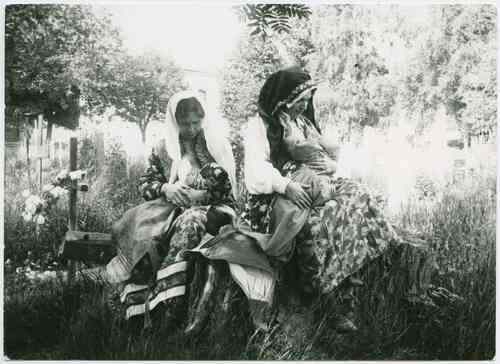
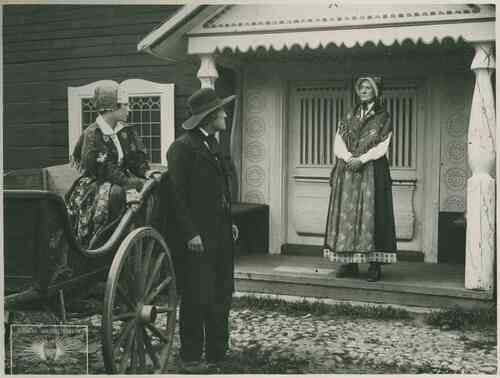
This commitment to realism extends to the performances. Sjöström himself embodies Lill-Ingmar with a stoicism that masks a roiling sea of doubt. His movements are deliberate, his expressions etched with the weariness of a man who has spent his life tilling both the earth and his own conscience. Harriet Bosse is equally compelling, capturing a sense of fractured grace that makes her character’s actions understandable, if not excusable. Their chemistry is built on silence and shared trauma, a far cry from the overt theatricality often associated with the silent era.
When examining the moral framework of Ingmarssönerna, it is fascinating to compare it to other films of the period that deal with the intersection of law and morality. For instance, A Boy and the Law offers a much more rigid, perhaps more American, view of justice. In Sjöström’s world, the law of the state is secondary to the law of the spirit and the blood. The tension in the film arises from the conflict between what the village expects and what the soul requires. This same theme of inevitable consequence is mirrored in The Inevitable, yet Sjöström provides a glimmer of transcendental hope that is often absent in the more cynical works of his contemporaries.
The film also shares an interesting DNA with Under galgen, particularly in its exploration of social outcasts and the shadow of the gallows. However, where other directors might focus on the visceral suspense of the crime, Sjöström is interested in the long-term erosion of the spirit. He asks: how does a man live with a woman who has killed his child? How does a community absorb such a fracture? These are the questions that drive the film’s nearly three-hour runtime, and Sjöström’s refusal to provide easy answers is what cements the film’s status as a masterpiece.
The "Heavenly" sequence deserves further dissection because it represents a pivotal moment in the evolution of cinematic language. Ingmar’s climb is not depicted as a grand, operatic event but as a natural extension of his physical labor. He climbs the ladder just as he might climb into a hayloft. This domesticity of the divine is a hallmark of Lagerlöf’s writing, and Sjöström translates it perfectly. The ancestors are not ethereal ghosts; they are solid, pipe-smoking men sitting in a celestial parlor. This choice demystifies death and emphasizes the continuity of the family line. It’s a stark contrast to the more sensationalist depictions of the afterlife or the macabre found in Spöket på Junkershus.
This sequence also highlights Sjöström’s sophisticated use of double exposure and set design. The transition from the mundane reality of the farm to the ethereal realm of the Ingmars is seamless, creating a sense of magical realism that predates the formal definition of the genre. It suggests that for these people, the spiritual world is not a distant concept but a neighboring province, just a ladder-climb away. This integration of the fantastic into the everyday is what gives the film its unique, haunting power.
Ingmarssönerna was a massive success upon its release, and it’s easy to see why. It spoke to a Swedish identity that was deeply rooted in the land and the Lutheran tradition of guilt and redemption. But its appeal is universal. The struggle to reconcile personal desire with ancestral expectation is a story as old as time. In the context of Sjöström’s filmography, it serves as a bridge to his later, even more celebrated works like The Phantom Carriage. You can see the seeds of that film’s obsession with death and moral reckoning here, albeit in a more pastoral setting.
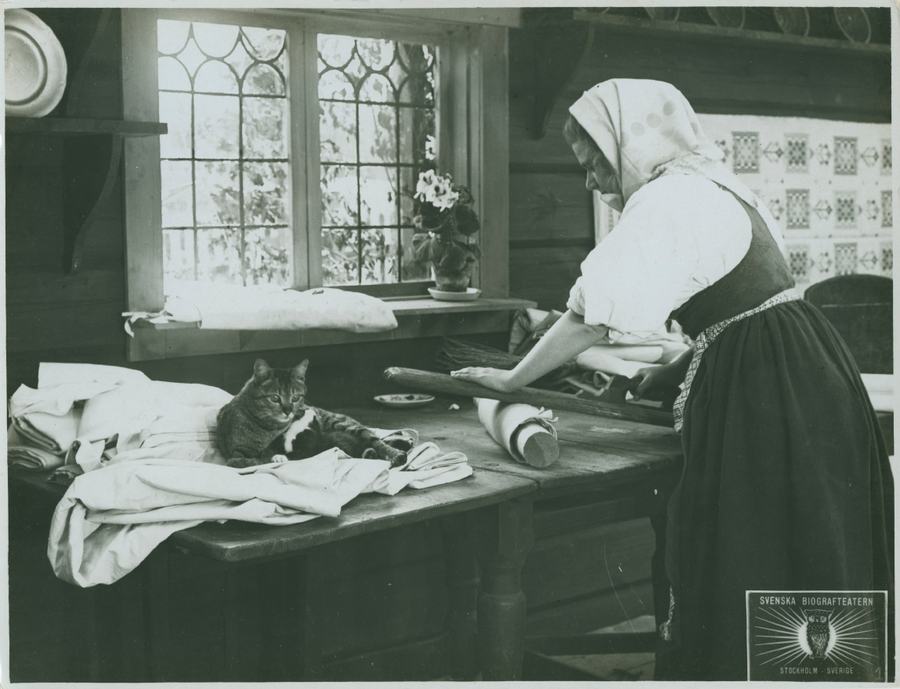
Compared to the more kinetic, action-oriented silent films like Stingaree or the spectacle-driven Kilauea Volcano, Ingmarssönerna is a slow-burn meditation. It requires patience, but it rewards that patience with a depth of feeling that few films have ever matched. It’s a reminder that cinema, even in its infancy, was capable of exploring the most complex corners of the human psyche. Sjöström doesn't just tell a story; he invites us to inhabit a world where every action has an eternal echo.
To watch Ingmarssönerna today is to witness the birth of modern psychological cinema. The film’s influence can be felt in the works of Ingmar Bergman, who famously idolized Sjöström and eventually cast him in Wild Strawberries. The DNA of the "Ingmar" films—the preoccupation with God’s silence, the harshness of nature, and the internal torment of the protagonist—became the bedrock of Swedish cinema. Even when compared to international works like Europäisches Sklavenleben or Humanidad, Sjöström’s work stands out for its unique blend of folk-simplicity and intellectual sophistication.
In the end, Ingmarssönerna is a film about the courage it takes to forgive. It is about the realization that we are all, in some way, the children of those who came before us, carrying their sins and their virtues in equal measure. Lill-Ingmar’s journey to the top of the ladder is a journey we all must take at some point—a search for a way to live with the past without being crushed by it. Sjöström’s masterpiece remains a towering achievement, a beacon of silent storytelling that continues to shine with a dark, orange-hued brilliance over a century later. It is essential viewing for anyone who wishes to understand the true power of the moving image.
IMDb —
1919
Community
Log in to comment.