DbcultAccessing Vault...
6.4/10
Senior Film Conservator
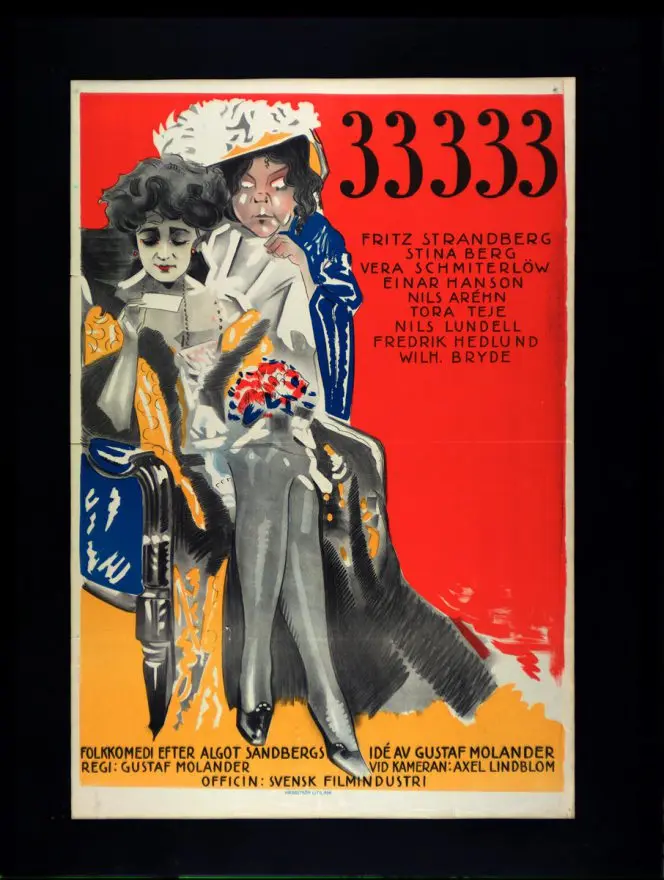
A definitive 6.4/10 rating for a film that redefined the boundaries of cult cinema. 33.333 remains a cornerstone of transgressive art.
The year 1924 stands as a monumental pillar in the architecture of Swedish cinema, a period where the visual vocabulary of the North was being articulated with unprecedented sophistication. Within this fertile ground, 33.333 emerges not merely as a narrative about a lottery ticket, but as a visceral examination of the human psyche under the duress of sudden, theoretical wealth. Directed by the legendary Gustaf Molander, the film navigates the treacherous waters between comedy and tragedy, utilizing the silent medium to amplify the internal cacophony of its protagonist’s guilt and anxiety.
At the heart of this celluloid tapestry is Nils Lundell, whose portrayal of the shoemaker is a masterclass in physical storytelling. Unlike the swashbuckling heroics found in Ashes of Vengeance, Lundell’s performance is rooted in the mundane, the tactile, and the increasingly frantic. When he purchases the lottery ticket with his two friends, the act is one of communal hope—a shared dream of escaping the drudgery of the cobbler’s bench. However, the moment the ticket is identified as the winner, it ceases to be a beacon of hope and transforms into a source of profound isolation. Molander captures this shift with a keen eye for spatial dynamics, often framing the shoemaker in cramped, shadow-heavy interiors that mirror his burgeoning claustrophobia.
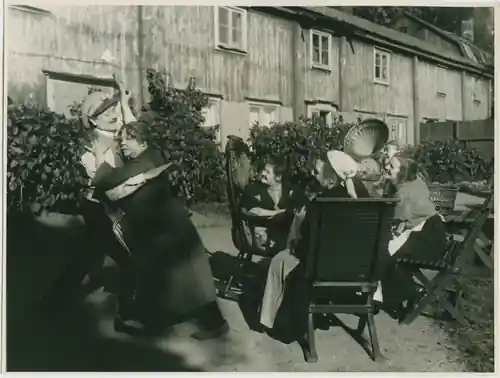
The decision to hide the ticket from his wife is the narrative’s pivotal transgression. It introduces a domestic rift that elevates the film beyond a simple caper. While films like New York Luck might treat the discovery of fortune with a whimsical levity, 33.333 delves into the darker recesses of marital distrust. The shoemaker’s fear is not just of losing the money, but of losing his standing within the home, a theme that resonates with the social realism found in Salvation Nell. The ticket becomes a phantom, a ghost that haunts the household, visible only to the man who buried it too well.
Gustaf Molander, collaborating with writers Björn Hodell and Algot Sandberg, demonstrates an innate understanding of the 'proscenium arch' problem. Many adaptations of plays, such as The Marionettes, often feel tethered to their theatrical roots. Yet, in 33.333, the camera is liberated. The cinematography utilizes the Swedish landscape and the intricate textures of the shoemaker’s shop to ground the story in a palpable reality. There is a specific sequence where the search for the ticket becomes almost hallucinatory; the objects in the room seem to conspire against the protagonist, mocking his frantic movements. This use of expressionistic lighting and pacing sets it apart from the more straightforward dramas of the era, such as The Little Minister.
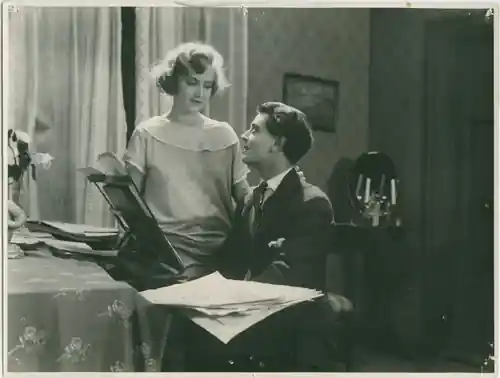
The supporting cast, including the luminous Vera Schmiterlöw and the stalwart Einar Hanson, provide a necessary counterweight to Lundell’s kinetic energy. Hanson, in particular, brings a level of gravitas that reminds the audience of the stakes involved. This isn’t just a game; it is the difference between a life of labor and a life of leisure. The tension between the three friends—the collective ownership versus the individual’s accidental loss—serves as a microcosm for broader social anxieties regarding equity and trust. It mirrors the thematic weight of films like The Mutiny of the Elsinore, where the breakdown of order leads to inevitable chaos.
Viewing 33.333 through a contemporary lens, one is struck by its modernity. The 'lottery' as a plot device is a timeless trope, yet Molander infuses it with a specifically Nordic sensibility—a blend of stoicism and sudden, eruptive emotion. The film avoids the melodramatic excesses of Diane of the Follies, opting instead for a psychological precision that feels remarkably ahead of its time. The shoemaker’s descent into a personal purgatory of his own making is a precursor to the existentialist cinema that would follow decades later. Even the title, a numerical representation of a third, hints at the fractionalization of the self and the community when confronted with the 'golden calf' of capitalism.
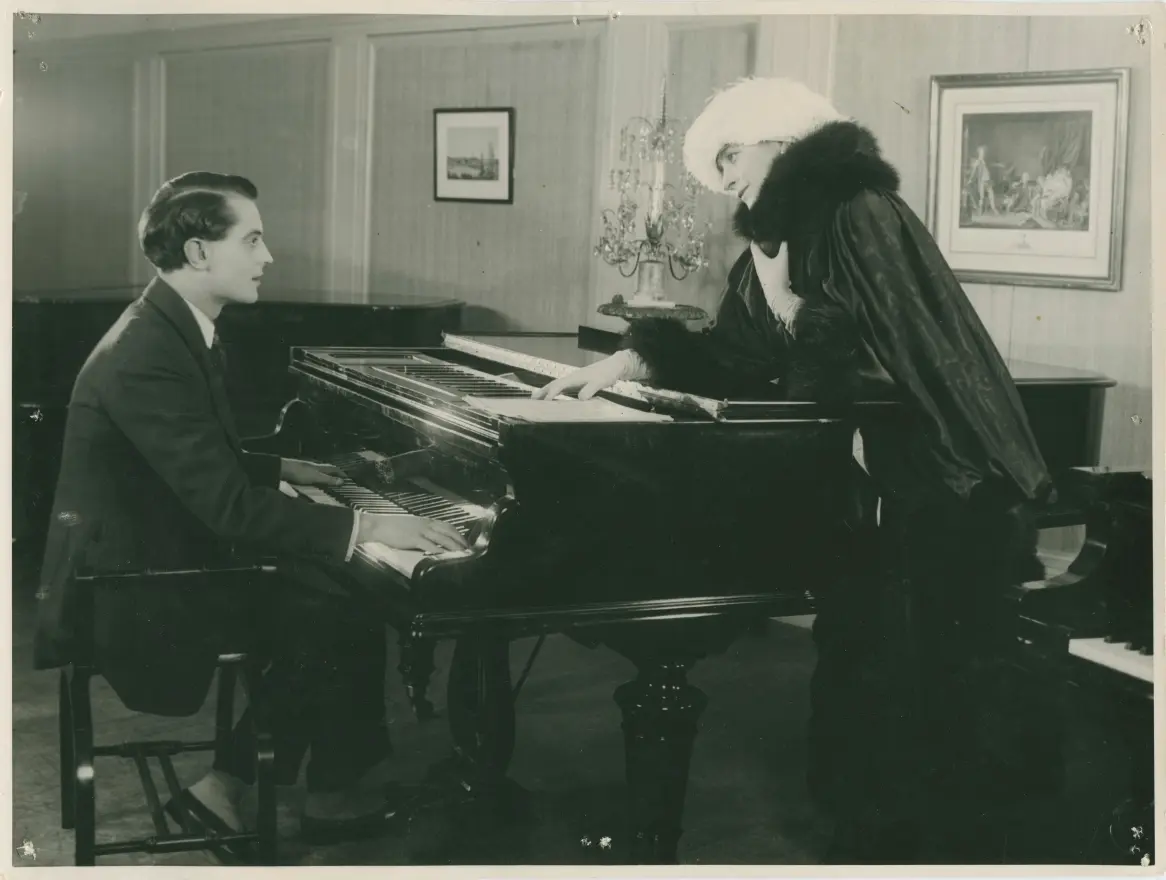
Technically, the restoration of such films allows us to appreciate the subtle nuances of the 1920s film stock. The way the light catches the dust in the shoemaker’s shop or the glint of desperation in Lundell’s eyes is essential to the experience. It lacks the broad, often caricatured performances found in An Eskimotion Picture or the rural simplicity of Bawbs O' Blue Ridge. Instead, it offers a sophisticated urbanity, even within its working-class setting. The film understands that the greatest drama often occurs in the smallest spaces—between a husband and wife, or between a man and his conscience.
When comparing 33.333 to its international contemporaries, its unique flavor becomes even more apparent. While German cinema was exploring the macabre in films like Um eines Weibes Ehre or the aristocratic intrigues of Prinzessin Tatjanah, the Swedish school under Molander was perfecting the art of the 'intimate epic.' The stakes in 33.333 are personal, yet they feel universal. The fear of being 'found out' is a primal human instinct, and the film exploits this with a pacing that mimics a tightening noose. It shares a certain DNA with the moral complexities of The Knocking on the Door, where a single action ripples outward with devastating consequences.
Furthermore, the film’s treatment of gender roles is surprisingly nuanced for 1924. The wife, played by Stina Berg, is not merely a foil or a source of conflict; she represents the grounded reality that the shoemaker is attempting to circumvent. Her absence from the secret is what gives the secret its power. In many ways, the film is a critique of the patriarchal impulse to 'protect' or 'control' financial assets, a theme that echoes the social critiques found in So sind die Männer. The shoemaker’s failure is not just a failure of memory, but a failure of partnership.
As the narrative reaches its crescendo, the irony of the situation becomes almost unbearable. The very thing that was supposed to liberate the characters—the winning ticket—becomes the instrument of their psychological imprisonment. Molander doesn’t provide easy answers or a sanitized Hollywood ending. Instead, he leaves the audience with a lingering sense of the ephemeral nature of wealth. Like the protagonists in Outlawed, the characters in 33.333 find themselves on the periphery of a society they don’t quite fit into, chasing a dream that is perpetually just out of reach.
The brilliance of 33.333 lies in its ability to find the extraordinary within the ordinary. It takes a piece of paper and turns it into a crucible. It takes a simple shoemaker and turns him into a tragic figure of Shakespearean proportions. For those who appreciate the silent era not just as a historical curiosity but as a vibrant, breathing art form, this film is an essential watch. It reminds us that while technology changes, the fundamental anxieties of the human condition—fear, greed, and the desperate hope for a better life—remain remarkably constant. Molander’s lens captures the flickering light of the human spirit, even when it is nearly extinguished by the shadow of a misplaced lottery ticket.
In the pantheon of Swedish silent cinema, 33.333 stands as a testament to the power of nuanced storytelling. It is a film that demands to be seen, not just for its historical value, but for its enduring relevance in a world still obsessed with the 'big win.' Through its expert direction, stellar performances, and profound thematic depth, it remains a crowning achievement of the era.
IMDb 6.7
1925
Community
Log in to comment.