DbcultAccessing Vault...
Cult Review
Senior Film Conservator
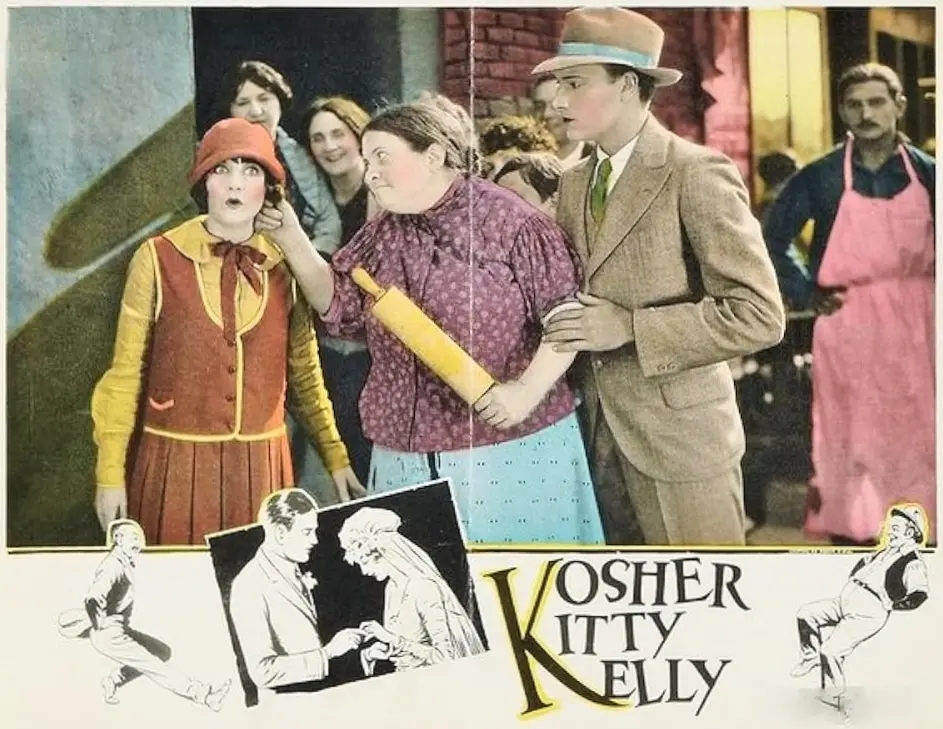
Is Kosher Kitty Kelly worth your time in the 21st century? Short answer: yes, but primarily as a historical curiosity rather than a narrative powerhouse. This film is for those who appreciate the 'melting pot' subgenre of the 1920s and silent film historians, but it is certainly not for viewers who demand modern pacing or nuanced, non-stereotypical character psychology.
The film exists in a specific pocket of American cinematic history where ethnic tension was the primary engine for both comedy and drama. It attempts to balance the slapstick of a neighborhood feud with the genuine pathos of a police officer shooting his future brother-in-law. It is a tonal tightrope walk that occasionally slips into the abyss of melodrama, yet it remains a fascinating look at the immigrant experience in old New York.
Yes, if you want to understand the roots of the American urban dramedy. This film provides a raw, albeit stylized, look at the friction between Irish and Jewish communities in the 1920s. It is simple. It is direct. It captures a moment in time that has largely vanished from the screen.
However, if you are looking for a cohesive plot that avoids heavy-handed coincidences, you might want to skip it. The narrative relies heavily on characters simply 'seeing' things and jumping to the worst possible conclusions. It’s a trope that was tired even in 1926.
1) This film works because it captures the frantic, claustrophobic energy of the New York tenements with surprising authenticity.
2) This film fails because the middle act is bogged down by redundant romantic misunderstandings that feel forced.
3) You should watch it if you are a fan of Viola Dana’s expressive acting or are researching the 'Abie’s Irish Rose' era of cinema.
The 1920s were obsessed with the 'melting pot.' Films like The Ragamuffin and The Firing Line often explored the boundaries of class and heritage. Kosher Kitty Kelly takes this a step further by pitting two of New York’s most prominent immigrant groups against each other. The conflict isn't just about love; it's about the delicatessen, the precinct, and the very sidewalk they share.
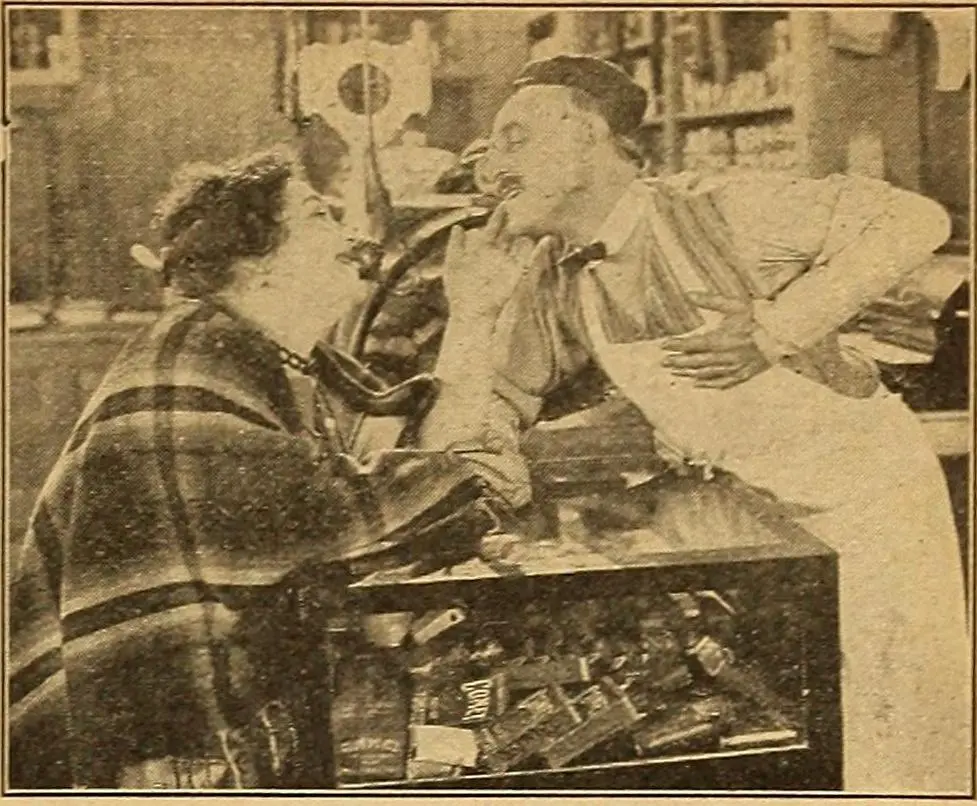
The screenplay by Gerald C. Duffy doesn't shy away from the ugliness of these disputes. When Mrs. Kelly and the Feinbaums begin their neighborhood battle, it isn't portrayed as a lighthearted romp. There is a genuine sense of community fracture. The film uses the delicatessen as a sanctuary that eventually becomes a sacrificial pyre for the neighborhood's sins. It’s a heavy metaphor for a film that also features a character named Barney getting shot in a bungled robbery.
Viola Dana is the heartbeat of this production. Her portrayal of Kitty Kelly is a masterclass in silent film transition—she moves from the flirtatious joy of her scenes with Pat to the gut-wrenching grief of her brother’s arrest with fluid ease. Dana doesn't just act with her eyes; her entire posture shifts as the weight of the neighborhood feud settles on her shoulders. She carries the film through its slower segments.
Tom B. Forman as Officer Pat Sullivan provides a sturdy, if somewhat stoic, foil. His character represents the 'Idealized Irishman' of the era—devoted to the law above all else. The scene where he shoots Barney is the film's most striking moment. It’s a brutal choice. Pat doesn't hesitate, and the film doesn't apologize for him. This creates a level of moral complexity that is often missing from similar films like Josselyn's Wife.
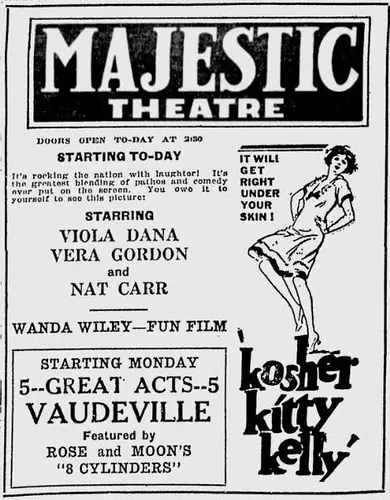
The supporting cast, particularly Vera Gordon and Nat Carr, bring the necessary 'Yiddish theater' energy to the Feinbaum household. Their performances are broad, yes, but they provide a necessary warmth that balances the more tragic elements of the Kelly family's storyline. Without their comedic timing, the film would be a relentless slog of tenement misery.
Technically, Kosher Kitty Kelly is a product of its time, but the climax in the delicatessen shows a surprising amount of directorial ambition. The fire sequence is chaotic and visceral. Unlike the more staged action in Tiger Rose, the fire here feels dangerous. The smoke fills the frame, obscuring the actors and creating a sense of genuine panic.
The use of shadows in the tenement hallways also deserves mention. There is a noir-ish quality to the scenes where Barney and his gang plot their heist. The lighting is harsh, casting long shadows that suggest the moral decay Barney is falling into. It’s a sharp contrast to the bright, over-lit scenes in Ginsburg’s shop, highlighting the divide between the law-abiding immigrants and the criminal element.
The film’s biggest flaw is its inability to decide what it wants to be. Is it a romantic comedy about inter-ethnic dating? Is it a gritty crime drama about a cop shooting his friend? Or is it a slapstick farce about a neighborhood brawl? It tries to be all three, and the result is a narrative that feels schizophrenic.
The middle section, where the lovers are 'comforted' by the wrong people, drags significantly. We spend far too much time on Pat and Rosie’s misunderstanding. It’s a plot device that feels like it was lifted from a much lesser stage play. The film stumbles here. It loses its momentum. Only the literal burning of the set brings it back to life.
Pros:
- Strong lead performance by Viola Dana.
- Fascinating historical depiction of the East Side.
- High-stakes moral conflict for the protagonist.
- Impressive practical effects during the fire scene.
Cons:
- Heavy reliance on dated ethnic tropes.
- Slow middle act that kills the narrative tension.
- Some supporting performances are overly theatrical even for silent film standards.
Kosher Kitty Kelly is a flawed but essential piece of the American cinematic puzzle. It isn't a masterpiece, but it is a vital document. It shows us how we used to tell stories about ourselves—messy, biased, and full of a strange, desperate hope for reconciliation. It works. But it’s flawed. The film’s final image of the united families is a bit too neat, but after the fire and the fury of the preceding eighty minutes, you’ll likely find yourself rooting for them anyway. It is a loud movie for a silent one, and its echoes still resonate in the way we handle cultural friction on screen today.
IMDb —
1932
Community
Log in to comment.