DbcultAccessing Vault...
Cult Review
Senior Film Conservator
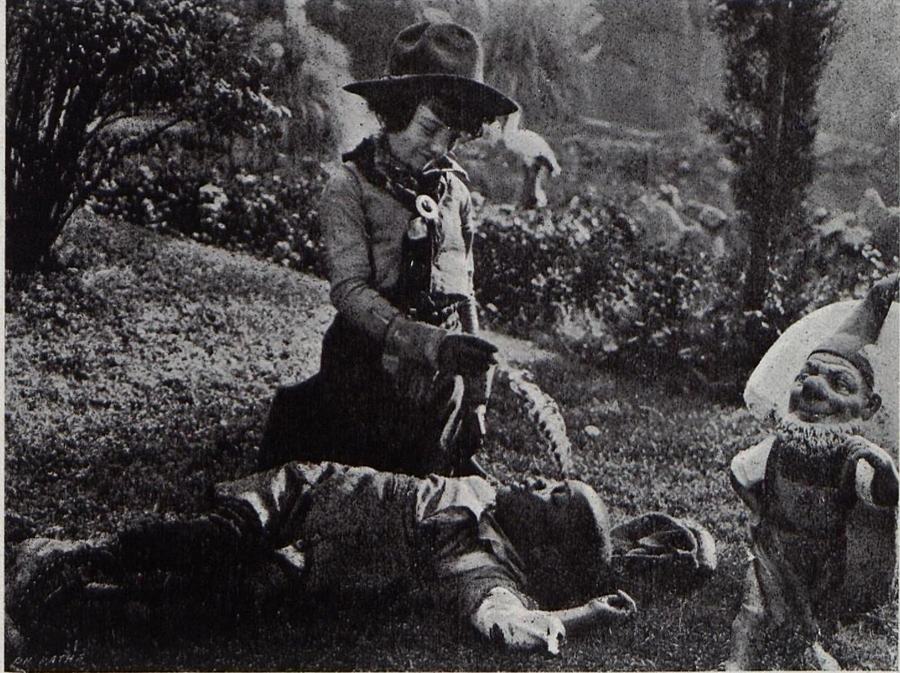
Hell’s Gulch is less a dot on a map than a state of moral tectonics—every plank of its sun-bleached sidewalk creaks with unpaid debts. Director William Bertram tilts the camera so that horizon lines skew, hinting that righteousness here is always slightly off-balance. Within this tilted cosmos, A Daughter of the West stages a domestic melodrama disguised as a sagebrush saga, and vice versa; it is the kind of picture where a child’s tear lands on a Colt .45, where lullabies are hummed against the percussion of distant Winchester fire.
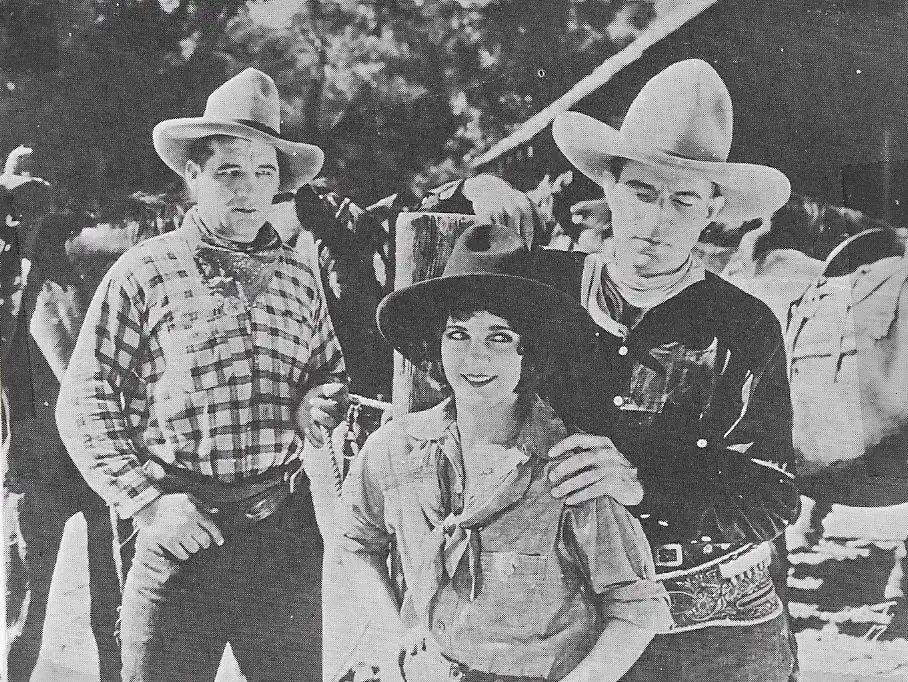
Photographer Bert Glennon treats the 1918 orthochromatic stock as if it were canvas, letting shadows pool like wet ink. When Ralph Gordon first strides into frame, the low sun carves his silhouette from copper dust, turning him into a walking daguerreotype. Notice how Marion Warner’s June is repeatedly framed through wagon-wheel spokes or half-open stable doors—visual corrals that foreshadow her eventual entrapment of Pete. The tinting strategy is equally eloquent: night interiors bathe in cerulean, connoting both moonlight and moral ambiguity; the climactic train sequence flares amber, as though the celluloid itself were being branded by speed.
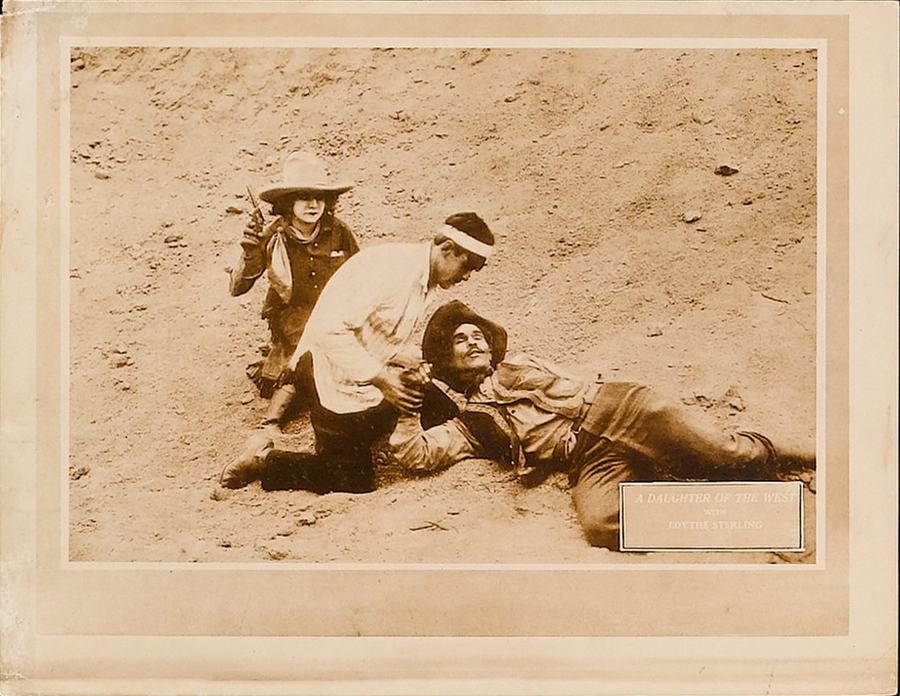
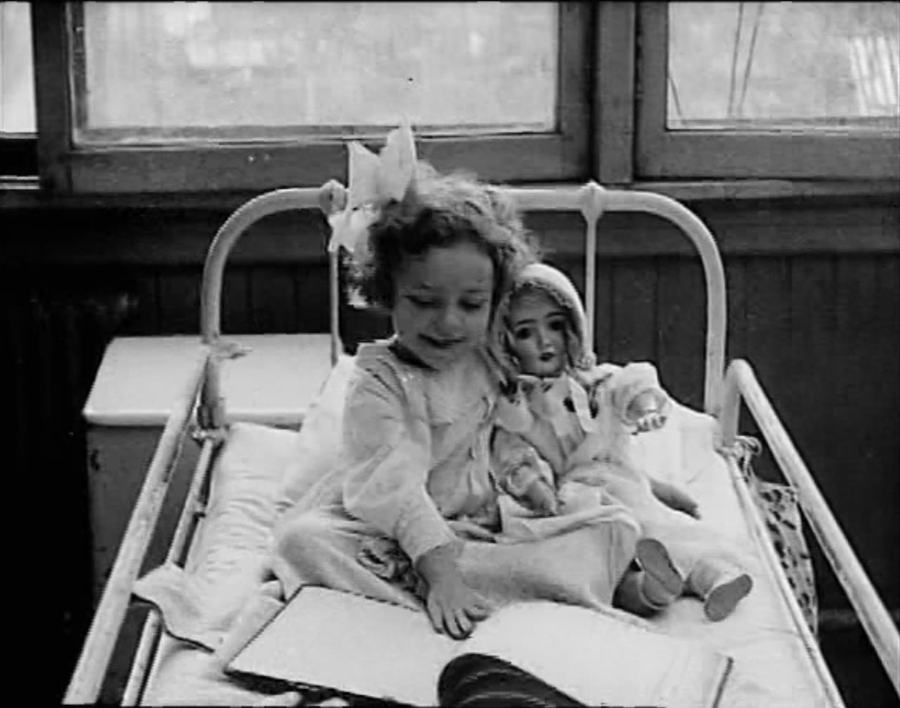
J. Morris Foster’s Ralph is calibrated at the intersection of wounded dignity and capitalist resolve; watch the way he removes his sheriff’s badge—two fingers, no flourish—as if the tin were suddenly radioactive. Leota Lorraine’s Sarah Malcomb never succumbs to the era’s predilection for swooning; instead she weaponizes stillness, letting the camera creep closer until her blink feels like thunder. Ernest Morrison’s Standish is all serpentine charm, a man who tips his hat like a gambler fanning cards. The real revelation is child-actress Marie Osborne (billed as “Baby Marie” in later publicity), whose June contains multitudes: half tomboy Prometheus, half porcelain sentinel.
While the plot creaks with coincidence—Standish appears in Gulch precisely when Ralph needs an enemy—it also harbors a proto-feminist torque. June engineers the capture; Sarah rewrites the family unit; men oscillate between bullet and repentance. The film’s emotional propulsion is not the shoot-out but the moment Sarah chooses to shield a scoundrel from the very justice Ralph embodies. That single ethical ricochet lands harder than any dynamite-laden ambush.
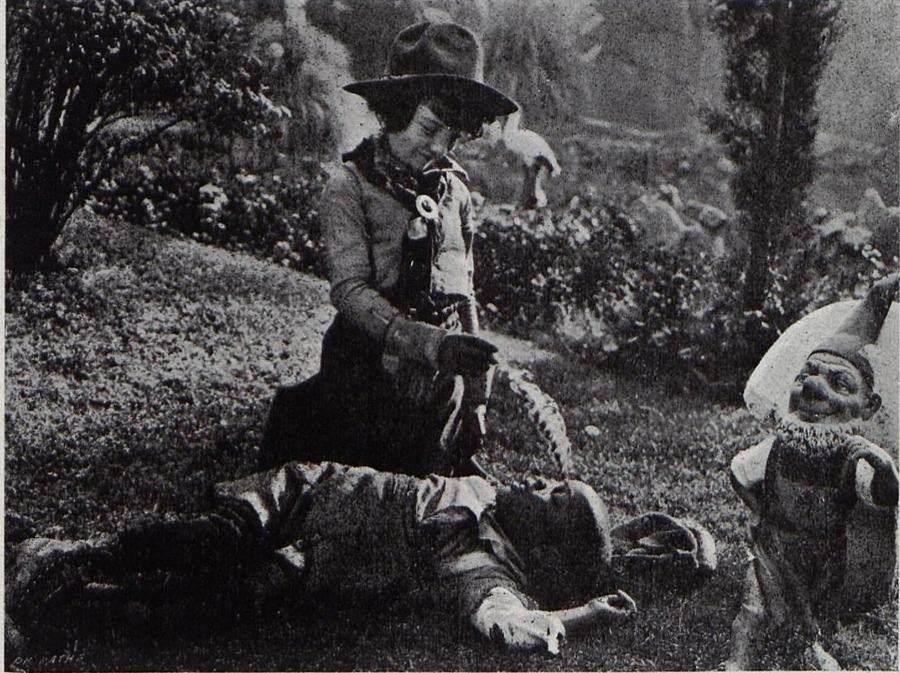
Cognoscenti will detect DNA shared with The Half-Breed (1916), where mixed-race outcasts haunt forest fringes rather than desert arroyos, and Allan Dwan’s Zaza (1917), another tale of tempestuous women bending social rules. Yet A Daughter of the West is closer in temperament to Phantom Fortunes (1916): both weave capitalist anxiety into romantic triangles, both let landscape double as psychic echo-chamber.
Most circulating prints are accompanied by patchwork scores. For optimal immersion, sync a playlist pivoting from Victor Herbert’s Indian Summer to the eerie bowed vibraphone of contemporary composer Michael Harrison; the juxtaposition of 19th-century schmaltz and 21st-century microtonality recreates the cultural whiplash that 1918 audiences felt when melodrama collided with modernity.
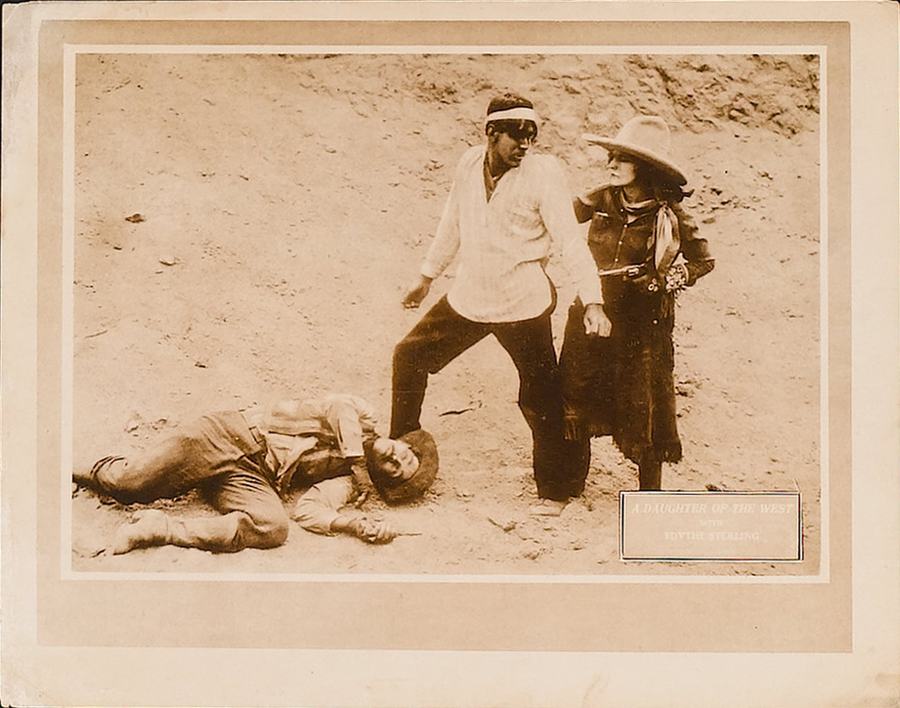
The 4K restoration by Eye Filmmuseum and the EYE Institute salvages nearly six minutes once thought lost, including a tableau of Stella’s funeral where rainfall was hand-painted onto each frame. Streaming platforms have yet to secure wide rights; however, boutique label CineMythical is issuing a dual-format Blu-ray/DVD with an audio essay comparing the film’s maternal void to Maria Rosa (1916). Pre-book through their crowdfunding portal; orders close when the copper-foil slipcase sells out.
A Daughter of the West does not reinvent the wagon wheel, yet it spins it with such fervor that splinters fly into the spectator’s eye. It is both artifact and echo: a century-old meditation on single parenthood, female agency, and the uneasy truce between justice and mercy. In the flicker of a projector lamp, Ralph’s eastbound train becomes every parent who ever fled, Sarah’s追赶 every adult who realized love is less conquest than covenant. That recognition, flashing past at twenty-four frames per second, is why silents still speak.
IMDb 7.3
1933
Community
Log in to comment.