DbcultAccessing Vault...
Cult Review
Senior Film Conservator
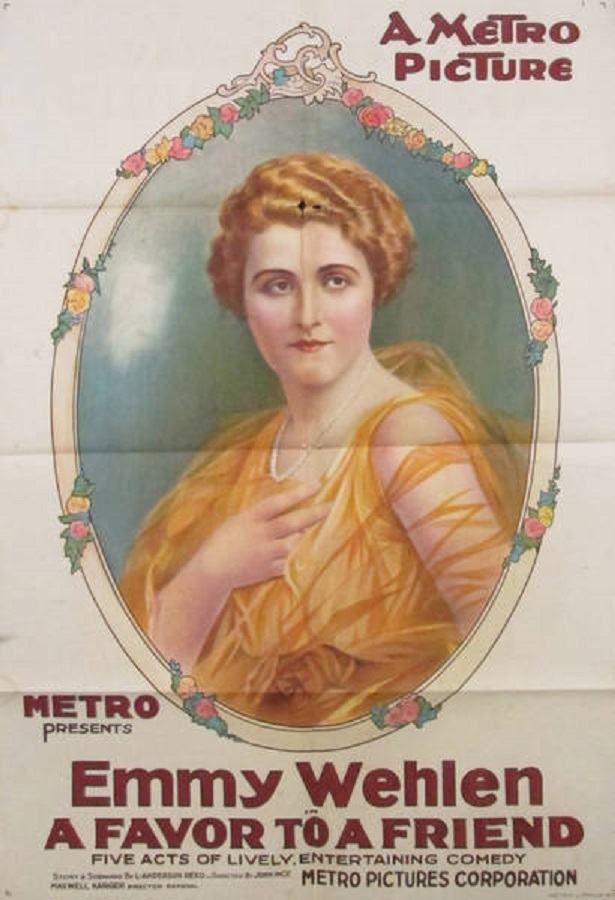
Stepping back into the cinematic landscape of 1919, one encounters a fascinating artifact in A Favor to a Friend, a film that, even a century later, retains a surprising vitality through its intricate narrative and spirited performances. This is not merely a relic of a bygone era, but a vibrant demonstration of the storytelling prowess that defined the nascent years of Hollywood. It’s a compelling blend of melodrama, romantic comedy, and social critique, woven together with a deftness that belies the technical limitations of its time. The film’s plot, a labyrinthine construction of mistaken identities, corporate chicanery, and a love story born of sheer happenstance, provides a rich canvas for exploration.
At its core, the narrative orbits around Mary Worthington, a woman of unyielding principle portrayed with compelling grace by Effie Conley. Her refusal to sign a document absolving the executors of her late father's estate from their egregious financial mismanagement sets in motion a chain of events that spirals into a veritable whirlwind of chaos. This initial conflict immediately establishes a theme of justice against corruption, a timeless struggle that resonates deeply. Mary’s steadfastness in the face of immense pressure is admirable, painting her as a heroine far more substantial than the often-passive damsels of the era. The executors, shadowy figures representing the insidious greed of the privileged, resort to drastic measures, physically detaining Mary in an attempt to break her will. This grim subplot, bordering on the gothic, infuses the film with a darker, more urgent tone, elevating it beyond a simple romantic romp.
Meanwhile, in a parallel universe of theatrical desperation, Danny Abbott, a harried press agent, finds himself embroiled in a crisis of an entirely different nature. His friend Gloria Morning’s musical, 'The Purple Pagoda,' is plummeting towards financial ruin, threatening to drag Abbott and his two East Side Jewish backers down with it. The stakes are high, and the air is thick with the scent of impending disaster. This portrayal of the cutthroat world of show business, even in its nascent form, offers a fascinating glimpse into the pressures of public perception and commercial viability. In a desperate, albeit misguided, attempt to conjure a publicity miracle, Abbott concocts a scheme: he persuades his friend Robert Garrison to stage a mock kidnapping of Gloria. The plan is simple, audacious, and utterly ill-conceived: abduct Gloria, create a sensational news item, and then release her just before showtime, hoping the resulting buzz will translate into a deluge of ticket sales. Such a gambit speaks volumes about the early understanding of media manipulation and the hunger for spectacle, a practice that, in various guises, continues to shape our entertainment landscape today.
The true genius of Luther Reed’s script, however, lies in the collision of these two seemingly disparate narratives. As Mary escapes her oppressive confinement, she seeks refuge at Gloria’s apartment, an act of sheer happenstance that irrevocably alters the course of her destiny. It is precisely at this moment that Robert Garrison, diligently executing his friend’s harebrained scheme, arrives. Mistaking Mary for Gloria, he proceeds with the kidnapping. This pivotal moment of mistaken identity is handled with admirable comedic timing, leveraging the audience's knowledge of the true circumstances to generate both suspense and amusement. Mary, quick-witted and resourceful, discerns the misunderstanding and, rather than correcting it, shrewdly plays along. For her, this unexpected abduction offers a fortuitous escape from the clutches of her father's executors, a temporary reprieve from a much graver threat. This twist imbues the film with a delightful sense of irony, transforming a planned farce into an accidental liberation.
The unfolding romance between Mary and Garrison is one of the film’s most captivating elements. Far from the conventional 'meet-cute,' their connection is forged in a crucible of deception and shared peril. At Garrison’s secluded cabin, intended as the temporary holding cell for the 'kidnapped' starlet, Mary and Robert find themselves in an intimate, albeit unconventional, setting. Removed from the pressures of their respective worlds, they discover a profound connection. Joseph Kilgour imbues Garrison with a charming roguishness, a man whose intentions, though initially misguided, are ultimately good. His burgeoning affection for Mary feels genuine, a slow burn that develops organically amidst the absurdity of their situation. This is where the film truly shines as a romantic comedy, demonstrating how affection can blossom in the most improbable of circumstances, transcending initial misunderstandings and external pressures.
The tranquility of their burgeoning love is, of course, short-lived. The cabin becomes a battleground when Gloria’s actual would-be rescuers, perhaps spurred by genuine concern or simply seeking their own slice of the publicity pie, descend upon the scene. The ensuing skirmish, a comical yet tense sequence, highlights the couple’s growing bond as they fight side-by-side against these misguided interlopers. This scene provides a welcome injection of action, showcasing the resourcefulness of both Mary and Garrison. It’s a testament to the era’s filmmaking that such a sequence could be executed with clarity and excitement, even without spoken dialogue, relying instead on visual storytelling and the expressive physicality of the actors. One might draw a parallel to the spirited escapades seen in films like Stop Thief!, where quick thinking and physical comedy are paramount to evading capture.
The reprieve, however, is merely a fleeting interlude. The relentless executors, determined to silence Mary and secure their ill-gotten gains, eventually track her down. Their discovery leads to a harrowing turn of events: Mary is forcibly committed to an insane asylum. This dark twist plunges the narrative into a more serious, almost chilling, territory, highlighting the vulnerability of individuals against powerful, corrupt institutions. It’s a stark reminder of the social injustices that could be perpetrated with impunity, particularly against women, in that era. The shift in tone here is quite dramatic, moving from lighthearted romance to a more urgent, almost thriller-like tension. Effie Conley's portrayal of Mary's despair and resilience during this period is particularly poignant, communicating a vast range of emotion through her expressions and gestures, a hallmark of powerful silent film acting.
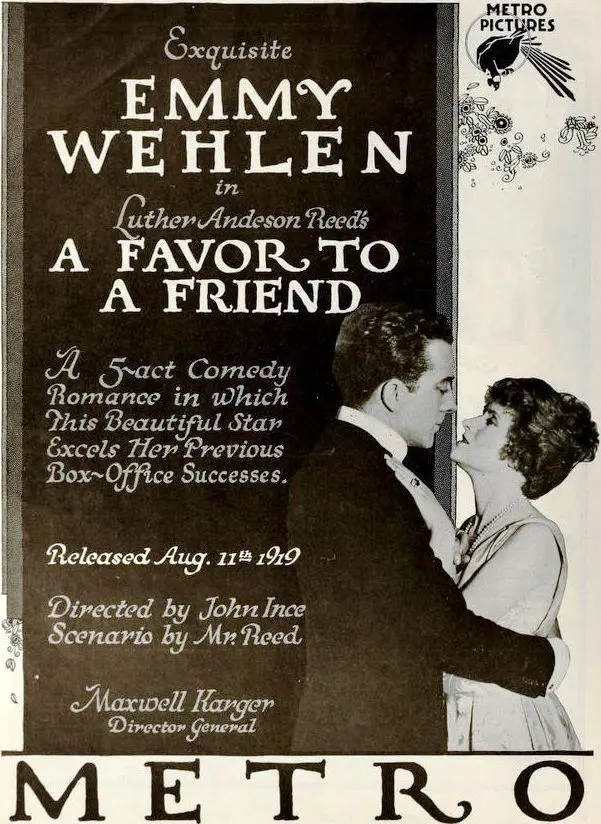
Yet, the film, true to its romantic comedy roots, cannot end on such a bleak note. Robert Garrison, now fully committed to Mary and aware of the true depths of her plight, embarks on a heroic rescue mission. His determination to save her from the unjust confines of the asylum underscores the strength of their bond, transforming him from a reluctant kidnapper into a genuine hero. This climactic sequence, undoubtedly filled with suspense and daring feats, serves as the ultimate test of their love and Garrison's character. The triumph of love over adversity, a quintessential theme in countless narratives, is here rendered with a particular urgency given the dire circumstances. The subsequent marriage of Mary and Garrison is not merely a happy ending but a symbolic victory against the forces of greed and oppression that sought to destroy Mary’s life.
The cast of A Favor to a Friend delivers performances that are both engaging and characteristic of the silent era's expressive style. Effie Conley, as Mary Worthington, carries the emotional weight of the film with remarkable grace. Her nuanced expressions convey everything from indignant defiance to burgeoning affection and deep despair, making Mary a truly empathetic protagonist. Joseph Kilgour, playing Robert Garrison, strikes a fine balance between comedic bumbling and romantic sincerity, making his character's transformation believable and endearing. The supporting cast, including Harry Todd, Fred Warren, Emmy Wehlen, Jack Mulhall, Jack Miller, and Hugh Fay, all contribute to the film’s vibrant tapestry, each playing their part in advancing the complex plot. The silent film era demanded a particular kind of physicality and facial expressiveness, and this ensemble rises to the occasion, ensuring that the narrative's twists and turns are clearly communicated through visual means and intertitles.
Luther Reed, credited as the writer, demonstrates a keen understanding of intricate plotting and character development. The ability to weave together so many disparate threads – corporate fraud, show business antics, mistaken identity, and an evolving romance – into a coherent and entertaining narrative is no small feat. The pacing, a crucial element in silent film, seems adeptly managed, ensuring that both the comedic moments and the more dramatic sequences land with appropriate impact. While specific directorial choices are harder to ascertain without more information on the director, the overall execution suggests a clear vision for how this multifaceted story should unfold on screen.
Placing A Favor to a Friend within its historical context reveals much about the cinematic trends of 1919. This was a period of immense growth and experimentation in the film industry, a time when genres were still coalescing and filmmakers were boldly pushing narrative boundaries. The film’s blend of social commentary (on corporate greed and institutional power) with lighthearted romance and farcical elements was not uncommon. Many films of the era sought to entertain while also subtly, or not so subtly, reflecting on contemporary societal issues. The theme of an innocent individual caught in the machinations of powerful, corrupt forces, for instance, echoes in other narratives of the time, such as certain melodramas that explored class divides or the darker underbelly of society, perhaps even touching on themes reminiscent of The Girl from Abroad; or, The Great Underworld in its depiction of hidden dangers.
The use of mistaken identity as a central plot device was also a popular trope, providing ample opportunities for comedic misunderstandings and dramatic irony. One can find similar narrative engines driving films like Heiress for a Day, where confusion over identity leads to a series of comedic complications. The film also touches upon the burgeoning power of media and public relations, as Danny Abbott's scheme to save 'The Purple Pagoda' highlights the early understanding of how manufactured news could sway public opinion and influence commercial success. This aspect provides a fascinating historical lens through which to view the evolution of publicity and its impact on culture.
Ultimately, A Favor to a Friend transcends its status as a historical curiosity. It is a testament to the enduring power of good storytelling, well-drawn characters, and the universal themes of love, justice, and redemption. The film's ability to blend disparate genres – from the gravitas of corporate intrigue to the lightness of romantic comedy and the tension of a rescue mission – speaks to a sophisticated narrative construction. It manages to be both entertaining and thought-provoking, offering a window into the societal anxieties and romantic ideals of its time. The journey of Mary Worthington, from a prisoner of circumstance to a woman who finds love and justice, is a deeply satisfying one.
The silent era, often unfairly dismissed as primitive, consistently produced films of remarkable complexity and emotional depth. A Favor to a Friend stands as a shining example of this artistry, reminding us that the fundamental elements of compelling cinema – engaging characters, a gripping plot, and resonant themes – have remained constant throughout the medium's evolution. Its intricate plot, delightful comedic turns, and heartfelt romance make it a film that, if rediscovered, would undoubtedly captivate modern audiences, proving that a favor to a friend, or perhaps a favor from fate, can indeed lead to the most unexpected and joyous conclusions.
The film's ultimate resolution, with Mary and Garrison marrying and Gloria's show achieving success, ties all the narrative threads together in a satisfying bow. It's a classic Hollywood ending, perhaps, but one hard-earned through a labyrinth of challenges. The journey to that ending, however, is anything but simplistic, filled with twists and turns that keep the viewer thoroughly invested. It's a delightful example of how silent cinema, even without the benefit of synchronized sound, could craft narratives that were both richly detailed and emotionally resonant, deserving of its place in the annals of early film history.

IMDb 6.2
1929
Community
Log in to comment.