DbcultAccessing Vault...
Cult Review
Senior Film Conservator
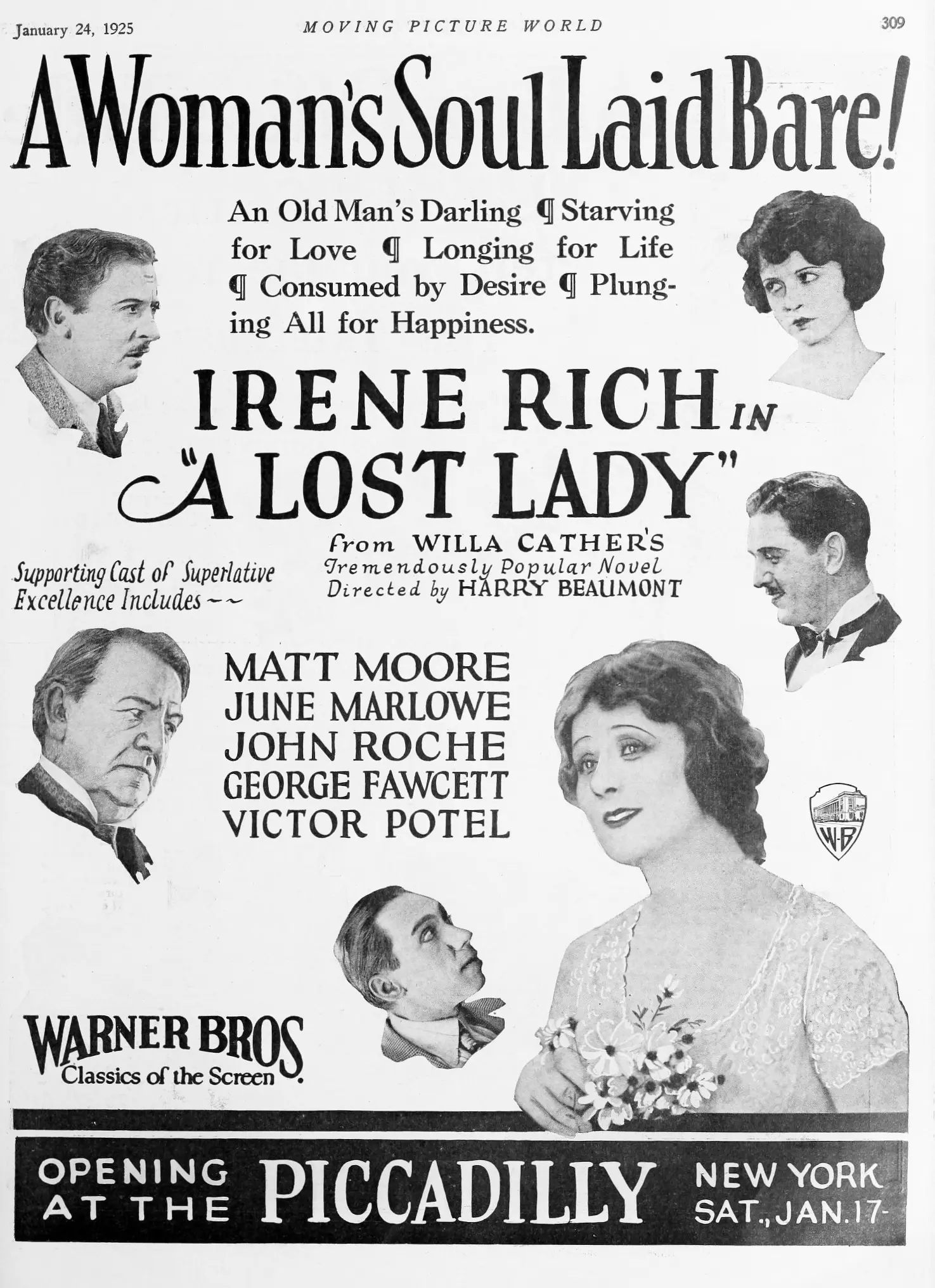
In the canon of silent cinema, certain films stand as testaments to the medium's capacity for nuanced storytelling and emotional depth. A Lost Lady (1925), adapted from Willa Cather's novella of the same name and brought to life by the screenplay of Dorothy Farnum, is one such film. This cinematic endeavor presents a rich tapestry of themes, including the vacuity of material wealth, the quest for meaning, and the societal constraints that govern female existence.
The narrative centers around a young, privileged woman whose decision to marry a wealthy, older man is as much a product of her naivety as it is of her circumstantial realities. This union, however, quickly unravels as she finds herself ensnared in a gilded cage, her life a monotony of luxurious emptiness. The performances of June Marlowe and George Fawcett bring depth and complexity to their respective roles, imbuing the film with a visceral sense of longing and disillusionment.
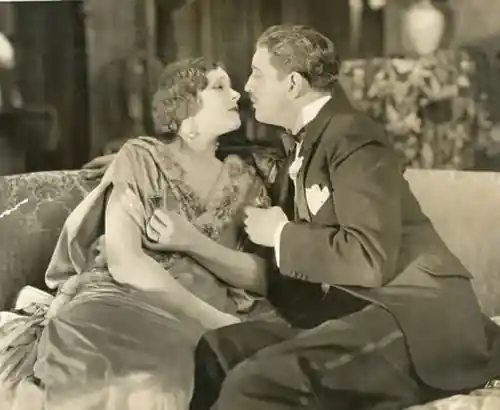
As our protagonist navigates the labyrinth of her own desires, she is accompanied by a cast of characters who each serve to illuminate different facets of her existential crisis. Irene Rich and Estelle Bradley offer noteworthy portrayals, adding layers to the narrative that underscore the societal pressures and personal agonies faced by the protagonist.
A critical examination of A Lost Lady reveals thematic echoes with other silent films of its era, such as Hold Your Breath and She Went to See in a Rickshaw, with which it shares a preoccupation with the human condition. Yet, it distinguishes itself through its unflinching portrayal of a woman's journey toward self-discovery, set against the backdrop of societal expectations.
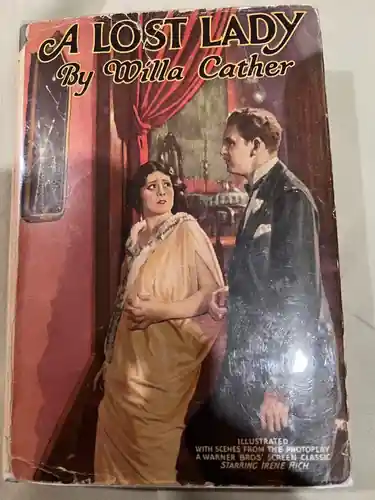
The film's exploration of female agency and the search for authenticity in a seemingly artificial world is both poignant and incisive. Through its protagonist's peregrinations, A Lost Lady poses profound questions about the nature of happiness, the elusiveness of fulfillment, and the inescapability of one's past.
In conclusion, A Lost Lady stands as a seminal work in the silent film era, offering a cinematic experience that is at once haunting and beautiful. Its themes of alienation and the pursuit of meaning continue to resonate with audiences today, securing its place as a masterpiece of early cinema.
For those interested in the cinematic arts and the evolution of film as a medium for storytelling and self-expression, A Lost Lady is an indispensable watch. Similarly, viewers who appreciate period dramas and classic cinema will find much to appreciate in this richly textured film.
IMDb —
1919
Community
Log in to comment.