DbcultAccessing Vault...
Cult Review
Senior Film Conservator
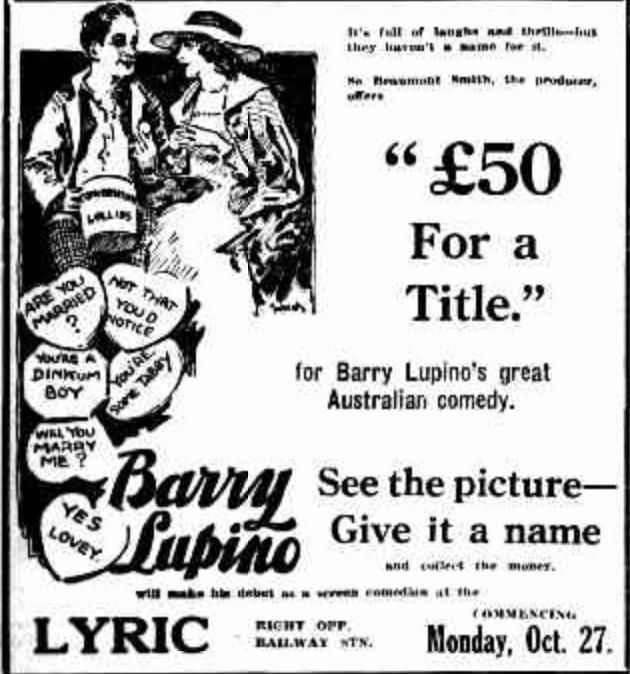
When the reels of Barry Butts In spin, they do so with a kinetic energy that feels both nostalgic and startlingly fresh. The film opens on a rain‑slicked cobblestone street, the camera lingering on the flickering neon sign of the Variety Hall, a modest establishment that promises escapism to a city still nursing the wounds of the Great War. Barry Lupino’s eponymous protagonist is introduced not as a hero, but as a shadowy figure hunched behind a stack of tattered scripts, his hands stained with the grease of stage machinery. The mise‑mise is deliberately claustrophobic: low‑angle shots, muted chiaroscuro, and an ever‑present hum of backstage chatter convey a world where every gesture is amplified by necessity.
The inciting incident arrives with the abrupt collapse of the troupe’s star comedian, a flamboyant figure whose over‑the‑top pratfalls have become the hall’s trademark. The director, a gaunt man with a penchant for melodrama, issues a terse command: "Find a replacement, or the season ends." It is here that Barry, portrayed with a blend of earnest awkwardness and sly wit, is thrust into the role of reluctant saviour. Lupino’s performance is a masterclass in physical comedy; he navigates the tightrope between pratfall and pathos with a timing that recalls the brilliance of Chaplin’s ‘The Kid’ while simultaneously carving out a distinct tonal niche.
Agnes Dobson, as Lily, provides the emotional counterweight to Barry’s kinetic exuberance. Her eyes, often caught in soft focus, convey a yearning for artistic legitimacy that transcends the superficial glitz of the stage. In a pivotal scene where Lily confronts Barry about his hesitancy, the dialogue crackles with subtext: "You’re more than a prop, Barry. You’re the pulse of this place." This line, delivered in a hushed tone against the backdrop of a dimly lit dressing room, underscores the film’s central theme—the tension between individuality and collective performance.
The narrative structure of Barry Butts In is a mosaic of vignettes, each stitched together by the relentless rhythm of rehearsals. One particularly memorable vignette involves a misplaced prop—a rubber chicken—that triggers a frenetic chase through the theater’s subterranean corridors. The camera follows the pursuit in a single, unbroken take, the black‑and‑white grain accentuating the frantic energy. This sequence not only showcases Lupino’s physical dexterity but also serves as an allegory for the characters’ perpetual search for purpose amidst the chaos of their craft.
John Cosgrove’s role as the eccentric stagehand introduces an element of whimsical absurdity. Cosgrove, ever‑present with a battered top‑hat and a pocket full of mismatched keys, adopts a stray terrier that becomes an inadvertent detective. The dog’s keen sense leads Cosgrove to discover a clandestine scheme: a rival impresario, whose silhouette looms in the shadows of the theater’s balcony, plans to sabotage the season’s climax by sabotaging the lighting rig. This subplot, while ostensibly comic, injects a subtle critique of the cut‑throat nature of entertainment economics during the 1930s.
The film’s climax is a tour de force of meta‑theatricality. Barry, having honed his craft through a series of trial‑and‑error improvisations, orchestrates a performance that blurs the line between rehearsal and reality. The stage is bathed in a sea‑blue hue (#0E7490) that washes over the actors, juxtaposed against the dark orange glow (#C2410C) of the footlights, creating a visual palette that feels both nostalgic and avant‑garde. As the curtain rises, Barry’s monologue—delivered with a tremor of vulnerability—addresses the audience directly: "We are all actors, whether on stage or in life. The masks we wear are merely costumes of circumstance." This moment, resonant with existential undertones, elevates the comedy to a philosophical plane, inviting viewers to contemplate the performative aspects of their own identities.
In terms of performance, Lupino’s evolution from a bumbling assistant to a commanding lead is both believable and compelling. His comedic timing, anchored by a subtle use of facial expression, recalls the work of Buster Keaton, yet his emotional depth aligns more closely with the modern sensibilities of a Charlie Chaplin drama. Dobson’s Lily is equally layered; she oscillates between the archetype of the supportive muse and an autonomous artist demanding recognition. Ernest Stebbing’s portrayal of the gruff proprietor adds a gritty realism, his grizzled demeanor providing a counterpoint to the film’s lighter moments.
When contextualising Barry Butts In within its cinematic lineage, parallels emerge with contemporaneous works such as The Corner Grocer, which similarly explores the intersection of commerce and community, and His Majesty, Bunker Bean, where an underdog rises against societal expectations. However, Barry’s narrative distinctively foregrounds the theatrical milieu, positioning the stage as a microcosm of broader social dynamics—a technique reminiscent of the later classic The Glorious Adventure, albeit with a comedic veneer.
Cinematographically, the film employs a restrained yet purposeful palette. The predominant use of high‑contrast lighting underscores the dichotomy between the bright allure of performance and the shadowy backstage reality. The occasional splash of sea‑blue in the final act serves not merely as an aesthetic choice but as a symbolic representation of hope and renewal, echoing the film’s overarching message of transformation. The sound design, anchored by a jaunty brass score, punctuates the comedic beats while allowing moments of silence to linger, thereby amplifying emotional resonance.
From a thematic perspective, Barry Butts In interrogates the fluidity of identity. The protagonist’s journey mirrors the broader societal shifts of the interwar period, where traditional class structures were increasingly destabilised. The film subtly critiques the patronage system—embodied by the aristocratic benefactors who fund the Variety Hall—suggesting that artistic integrity often contends with commercial imperatives. This tension is deftly illustrated in a scene where a wealthy patron, draped in a silk cravat, offers Barry a lucrative contract contingent upon diluting his comedic style. Barry’s refusal, delivered with a wry smile, signals an affirmation of artistic autonomy.
The screenplay, though lacking a credited writer in archival records, exhibits a sophisticated balance of dialogue and physical comedy. The repartee between Barry and Lily is peppered with witty double‑entendres, while the slapstick sequences maintain a rhythm that feels both spontaneous and meticulously choreographed. The film’s pacing—steady during exposition, accelerating during the climactic performance—mirrors the heartbeat of a live theater, immersing the viewer in the palpable tension of a night‑time show.
In comparison to other genre pieces of its era, such as the whimsical Pinocchio or the fantastical The Star Prince, Barry Butts In remains grounded in realism, eschewing overt fantasy for a more intimate exploration of human ambition. Yet, its occasional forays into surreal visual motifs—most notably the kaleidoscopic lighting during the final act—hint at an experimental impulse that would later be fully realised in post‑war British cinema.
The film’s legacy, while not as widely celebrated as some of its contemporaries, endures through its influence on later British comedies that foreground the ‘everyman’ hero. Directors such as Michael Powell and Emeric Pressburger, who would later craft masterpieces like The Sleeping Lion, can be seen echoing Barry’s thematic preoccupations—particularly the celebration of resilience amidst adversity.
In sum, Barry Butts In is a cinematic tapestry woven from strands of slapstick, pathos, and social commentary. Its deft orchestration of performance within performance invites viewers to reflect on the masks they don daily, while its vibrant characters—anchored by Lupino’s magnetic presence—ensure that the film remains an enduring testament to the power of laughter as both refuge and rebellion. For scholars of early British cinema, the film offers a rich case study in narrative structure, visual design, and the negotiation of class dynamics on screen.
IMDb 5.5
1927
Community
Log in to comment.