DbcultAccessing Vault...
Cult Review
Senior Film Conservator
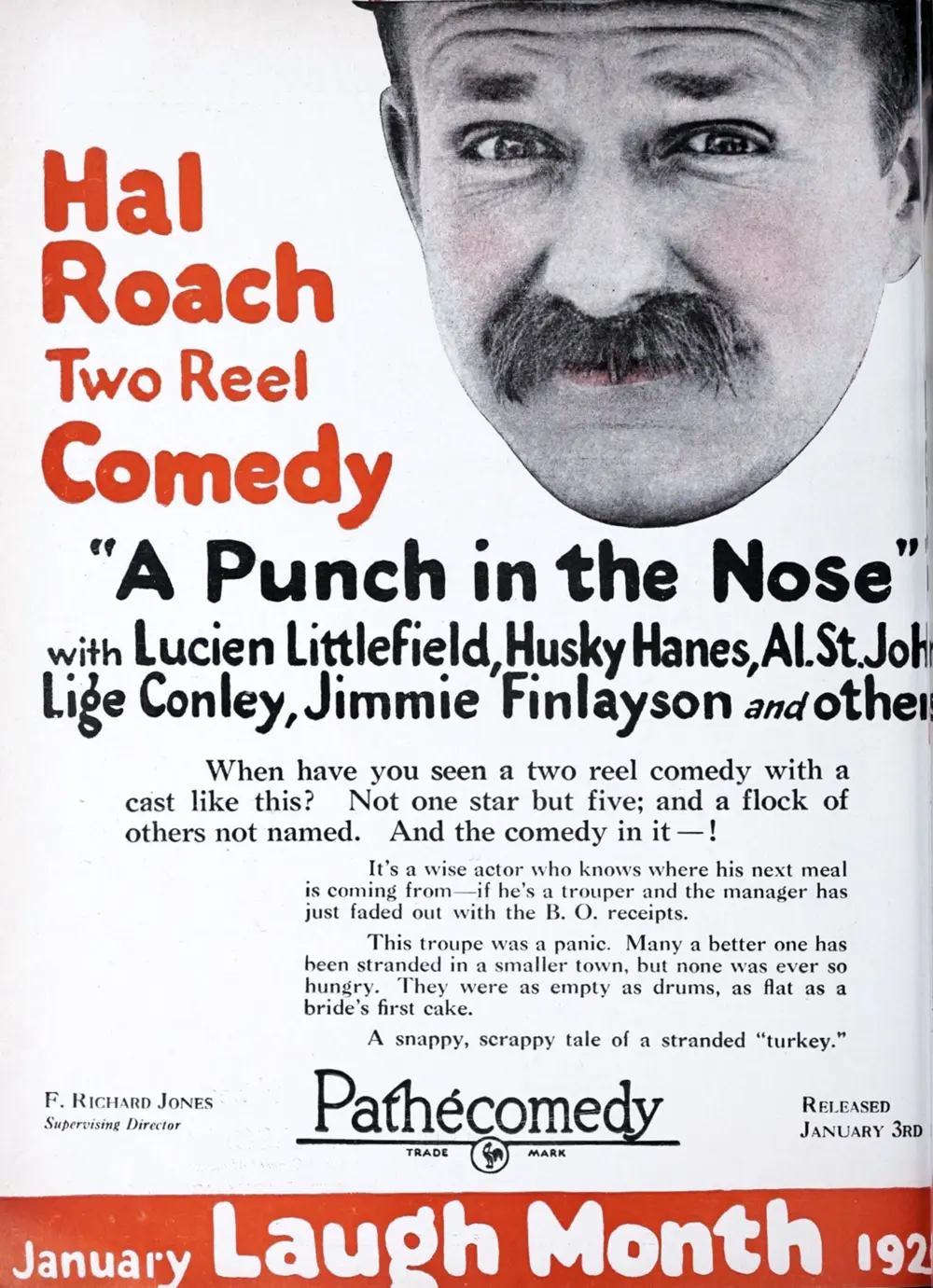
Should you invest your time in this 1926 Hal Roach curiosity? Short answer: yes, but only if you are a devotee of silent comedy mechanics or a historian of the Roach studio's ensemble era. This film is not a polished narrative masterpiece, but rather a frantic, high-energy exercise in situational absurdity that serves as a fascinating precursor to the more refined comedies of the late twenties.
This film is specifically for those who enjoy the 'all-star' approach of early silent shorts, where the gag is king and logic is a distant second. It is definitely NOT for viewers who require a coherent, grounded plot or those who are sensitive to the dated theatrical tropes of the 1920s road show tradition.
1) This film works because it utilizes the chaotic energy of an ensemble cast that includes some of the most proficient physical comedians of the era, such as James Finlayson and Al St. John.
2) This film fails because the plot is essentially a series of loosely connected vignettes that prioritize immediate laughs over any semblance of character development or narrative stakes.
3) You should watch it if you want to see a very young Janet Gaynor before she became the face of prestige cinema, or if you want to witness the specific 'Roach style' of frantic pacing in its rawest form.
There is a biting irony at the heart of A Punch in the Nose. The premise—actors pretending to be medical professionals—is a self-aware nod to the nature of the industry in 1926. The characters are described as 'not good actors,' yet their ability to deceive the sanitarium management suggests that even bad acting is a powerful tool of manipulation. Unlike the more earnest performances found in A Man Four-Square, the performances here are intentionally broad, bordering on the grotesque.
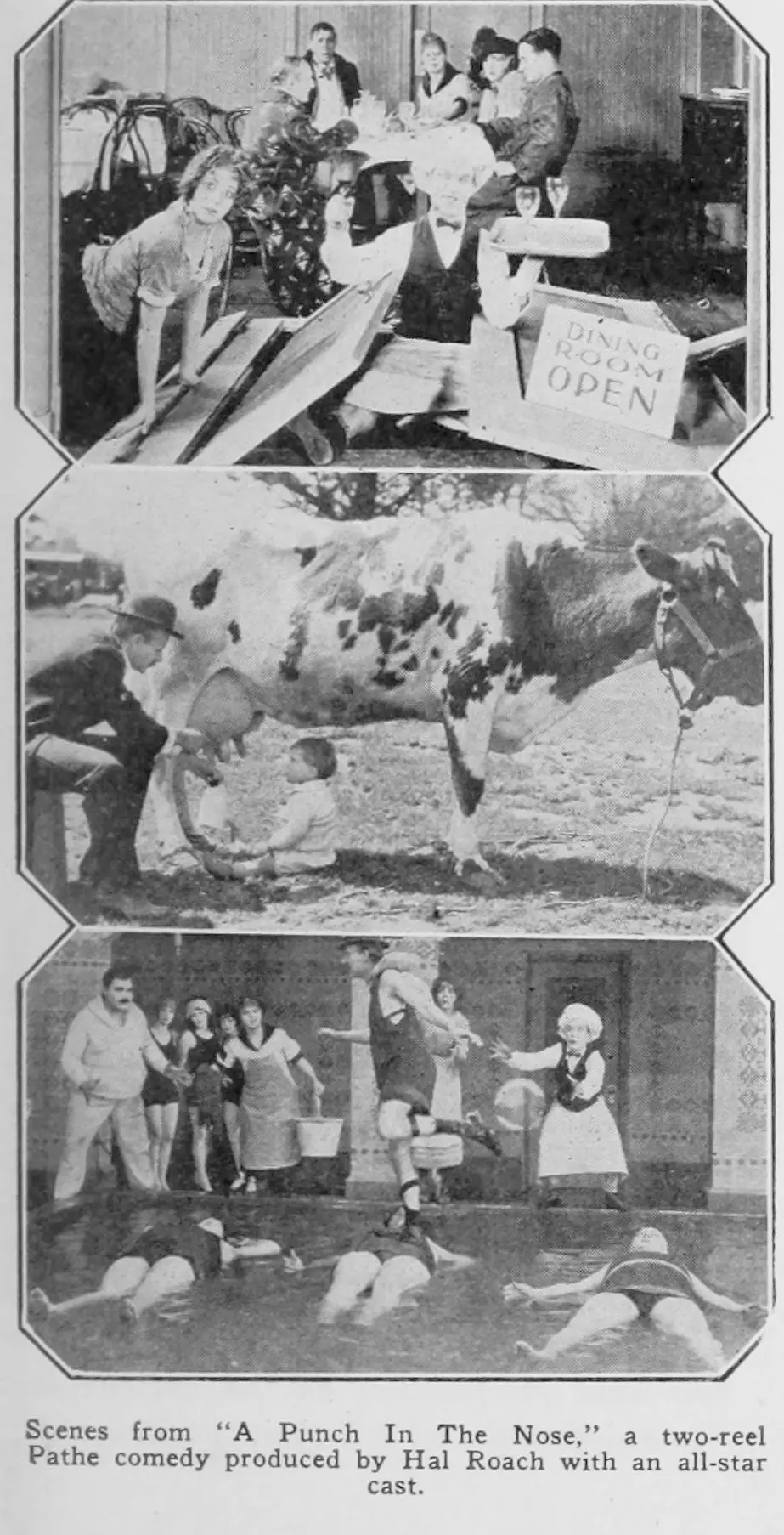
The opening scenes, which depict the 'Uncle Tom’s Cabin' road show in a state of collapse, are particularly evocative. These road shows were a staple of American life, and by 1926, they were seen as somewhat archaic. Roach and writer H.M. Walker use this as a springboard for a comedy of desperation. When the troupe enters the sanitarium, the film shifts from a theatrical satire into a workplace farce. It’s a transition that works surprisingly well, even if the logic is paper-thin.
The 1920s had an obsession with health fads, hydrotherapy, and 'rest cures,' making the sanitarium a recurring setting for silent comedy. In A Punch in the Nose, this setting is used to maximize physical slapstick. One standout moment involves the troupe attempting to perform a professional massage. The way they handle the patient—treating a human body like a piece of pizza dough—is a masterclass in choreographed violence. It’s brutal, rhythmic, and undeniably funny.
James Finlayson, with his trademark squint and 'double take and fade away,' provides the necessary friction. He isn't just a foil; he is a pressure cooker. Every time the actors-turned-doctors make a mistake, you can see the steam practically rising from his head. This type of ensemble chemistry is what separates a Roach production from the more experimental, avant-garde works like Entr'acte. Where Entr'acte seeks to deconstruct cinema, A Punch in the Nose seeks to weaponize it for a laugh.
Yes, for fans of classic slapstick. While it lacks the emotional depth of a Chaplin feature or the architectural precision of a Keaton film, it offers a raw look at the 'comedy factory' system. It is a loud film that happens to be silent. The energy levels are consistently high, and the sheer volume of talent on screen—including Al St. John and Martha Sleeper—makes it a worthwhile historical document.
The most surprising element of the film is the cast list. Seeing Janet Gaynor in this context is jarring. Just a year later, she would star in Sunrise and become the first Best Actress Oscar winner. Here, she is part of the background noise, a testament to the rigorous training ground that the Hal Roach studios provided. It’s a reminder that in the 1920s, there was no 'prestige' barrier; everyone did time in the gag trenches.
Al St. John also deserves mention. His acrobatic background is on full display during the final chase sequence. His movements are fluid, almost liquid, as he navigates the obstacles of the sanitarium. He brings a level of athleticism that rivals the work seen in Off the Trolley. The film relies heavily on this physical prowess to carry the second half, which is essentially one long, escalating pursuit.
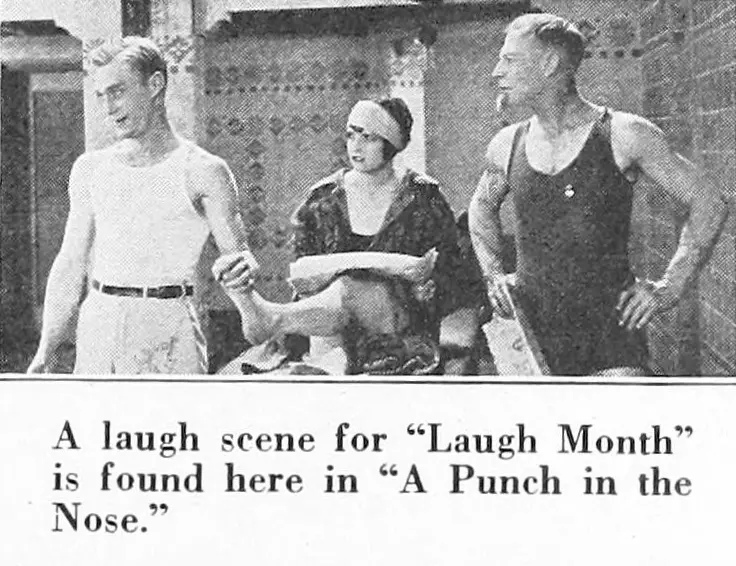
Under the guidance of Hal Roach, the direction is invisible but effective. The camera rarely moves, but the blocking is intricate. Managing a dozen actors in a single frame without it becoming a muddled mess requires a specific kind of technical skill. The film moves at a breakneck speed, a sharp contrast to the more deliberate pacing of European imports like Die Ahnfrau.
However, this speed is a double-edged sword. There are moments where the gags come so thick and fast that none of them have room to breathe. It’s a 'throw everything at the wall' approach. Some of it sticks—like the swimming pool sequence—but some of it is just noise. It works. But it’s flawed. The film doesn't care if you're bored; it only cares if you're reacting.
Pros: High-energy ensemble work; fascinating historical cast; genuinely funny physical gags; short runtime ensures it never overstays its welcome.
Cons: Paper-thin plot; dated racial tropes regarding the 'Uncle Tom' parody; repetitive chase sequences; lacks a strong central protagonist.
We cannot ignore the cultural baggage this film carries. The 'Uncle Tom's Cabin' road show was a complex cultural phenomenon, and by the 1920s, it was often the subject of parody. The film uses this as a shorthand for 'failure.' By showing the actors as incompetent, Roach is poking fun at a dying form of entertainment. This meta-commentary adds a layer of depth that might be missed by modern audiences who aren't familiar with the theatrical landscape of the time.
The character of the 'slavey'—the mistreated servant who turns out to be the owner—is a classic Victorian trope that feels a bit dusty even for 1926. It’s a lazy writing choice, but it serves its purpose: it gives the 'good guys' a moral victory and a way to banish the 'bruiser' without resorting to further violence. It’s a clean ending for a messy film.
A Punch in the Nose is a chaotic, middle-of-the-road entry in the Hal Roach filmography. It doesn't have the soul of Bunty Pulls the Strings or the dramatic weight of The Witness for the Defense, but it isn't trying to. It is a film designed for a Saturday afternoon crowd in 1926, meant to be consumed and forgotten. However, for the modern viewer, it survives as a vibrant, if slightly unhinged, snapshot of a lost era of performance. It’s a punch that lands, even if it leaves no lasting bruise.
IMDb —
1916
Community
Log in to comment.