DbcultAccessing Vault...
Cult Review
Senior Film Conservator
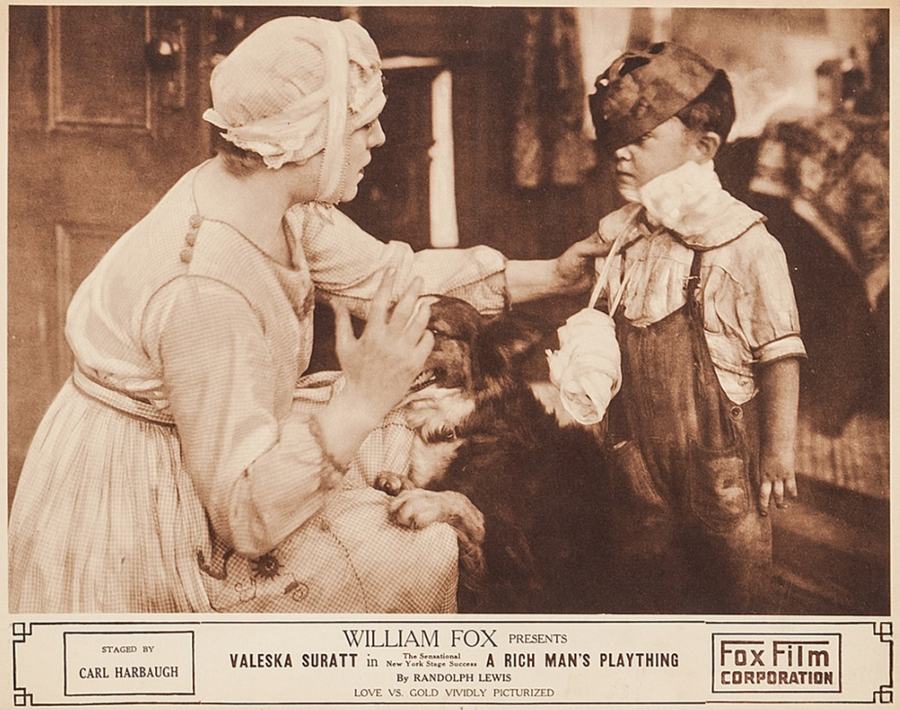
The flickering shadows of early cinema often cast grand narratives, but few captured the intricate dance of class, deception, and burgeoning social consciousness with the compelling artistry of 1917's A Rich Man's Plaything. Directed with an eye for dramatic irony and featuring performances that transcend the limitations of the silent era, this film is far more than a simple morality tale; it is a profound exploration of human nature, power dynamics, and the often-blurred lines between philanthropy and manipulation. As a critic, I find myself continually drawn back to its audacious premise and the surprisingly modern questions it poses about wealth, responsibility, and the true measure of a person's character.
From the outset, A Rich Man's Plaything plunges us into a world sharply cleaved by economic disparity. We are introduced to Marie Grandon, a cog in the industrial machine of a New England oyster cannery. Her existence is one of hard labor, a stark contrast to the opulent world inhabited by "Iron" Lloyd, the millionaire financier and, significantly, a notorious tenement owner. This initial juxtaposition immediately sets a socio-political stage, reminiscent of the earnest social commentary found in films like The Christian, which also grappled with the moral obligations of the wealthy. However, A Rich Man's Plaything elevates this theme through an intricate plot that dares to challenge the very foundations of its characters' beliefs.
Lloyd's decision to visit the town incognito, a millionaire slumming it, as it were, is the first ripple in a pond that will soon churn with significant waves. His injury, sustained in a fight, serves as a catalyst, stripping him of his usual defenses and forcing him into an unfamiliar vulnerability. It is during this period of convalescence that he encounters Marie, and their relationship, initially forged in a crucible of shared humanity rather than social standing, begins to deepen. This narrative choice is crucial; it allows for a genuine connection to form, one ostensibly free from the biases of wealth or status, setting the stage for the dramatic revelations to come. Valeska Suratt, as Marie, embodies a formidable presence, her expressive eyes conveying both the weariness of her station and the fiery idealism within. Her portrayal avoids the pitfalls of caricature, presenting a woman of substance and conviction, a proto-feminist icon in an era where such portrayals were still finding their footing.
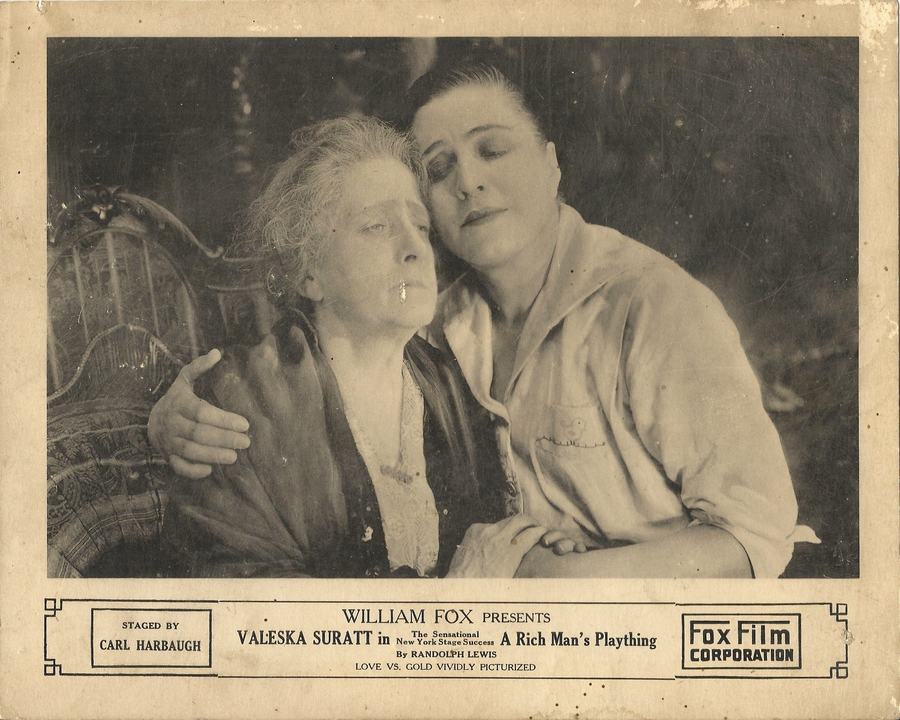
Marie's passionate discourse against the 'oppressive tenement lords' resonates deeply with Lloyd, who, under the alias of Strange, listens intently, a silent architect of her future. Her fervent wish to wage battle against the very system he profits from, if only she possessed the means, sparks an audacious idea within him. This is where the film truly distinguishes itself. Lloyd doesn't merely offer her money; he orchestrates an elaborate deception, a moral crucible designed to test the authenticity of her convictions. He has his lawyer transfer a fortune to her, presenting it as a legacy from a long-lost relative. This act is not merely a plot device; it is a philosophical inquiry into the nature of altruism and the corrupting influence of power. Does money change a person? Does it dilute their ideals or empower them to fulfill their true purpose?
Marie's subsequent journey to New York, armed with this unexpected wealth, is a testament to her unwavering resolve. She doesn't squander the fortune on personal indulgence; instead, she dedicates herself to the cause she championed, focusing her fight with laser-like precision on Lloyd’s tenements. The irony is palpable, a delicious dramatic tension that underpins every scene. Edward Martindel's portrayal of Lloyd/Strange is nuanced, conveying the millionaire's internal conflict and his calculated risk. He is not a one-dimensional villain, nor a saccharine savior; he is a man testing the boundaries of his own cynicism and hope. His actions, while morally ambiguous, stem from a desire to see if true idealism can survive the acquisition of power, a question as relevant today as it was a century ago.
The narrative gains further complexity with the introduction of Ogden Deneau, Lloyd’s business rival. Deneau’s association with Marie, ostensibly in support of her reform work, is a masterstroke of cynical opportunism. He seeks to exploit Marie's genuine passion to crush Lloyd, his true rival. This layer of intrigue adds a delightful Machiavellian twist, transforming the film from a simple tale of social justice into a labyrinth of corporate espionage and personal vendettas. However, Marie is no pawn. The script, penned by Carl Harbaugh and Randolph Lewis, imbues her with an astute awareness that transcends her initial naivete. She, too, has old scores to settle with Deneau, demonstrating a strategic mind that elevates her beyond a mere symbol of the working class. Her plan to ruin both financiers, enlisting Strange's aid in this intricate web of deceit, showcases her intelligence and unwavering commitment to her vision.
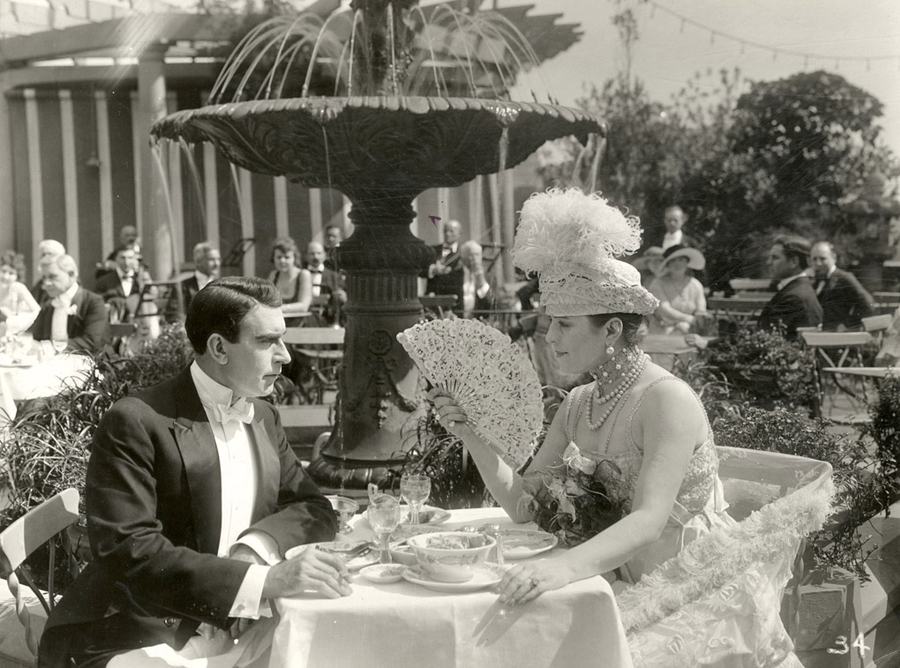
The unfolding of this intricate scheme is a masterclass in silent film storytelling. The tension builds through intertitles, expressive acting, and careful pacing. The audience is privy to the layered deceptions, creating a sense of dramatic anticipation that keeps one utterly engrossed. Comparisons to films like The Warning, which often dealt with moral dilemmas and the consequences of hidden truths, are apt, but A Rich Man's Plaything distinguishes itself with its focus on the active agency of its female protagonist in navigating and manipulating these complex power struggles.
The climax of A Rich Man's Plaything is a beautifully orchestrated symphony of revelation and emotional reckoning. On the evening of the 'great coup,' Lloyd, still in his guise as Strange, meets Marie. He informs her of Deneau's bankruptcy, a victory for her cause. But the true bombshell drops when she inquires about Lloyd, and he, with a mixture of apprehension and hope, reveals the profound deception he has practiced. This moment is the emotional heart of the film, a searing test of the love that has blossomed between them. Marie’s initial fury is entirely understandable, a visceral reaction to betrayal, to being made a 'plaything' in someone else's elaborate game. Valeska Suratt’s performance here is particularly potent, conveying a maelstrom of emotions without uttering a single word, a testament to the power of silent acting.
Yet, the film doesn't end in bitterness. Marie, after the initial shock and anger subside, listens to Lloyd's explanation of the test. This is where the narrative pivots from mere melodrama to a more profound exploration of understanding and empathy. Lloyd’s intention, however misguided in its execution, was not to mock or diminish her, but to ascertain the true depth of her character and her commitment to justice, even when endowed with the very power she sought to dismantle. It's a challenging proposition, asking the audience to reconcile a benevolent intent with a deceptive act. This complexity is what elevates the film beyond its contemporaries, many of which, like Do Men Love Women?, often presented more straightforward moral quandaries. Here, the grey areas are embraced, allowing for a more human and ultimately more resonant resolution.
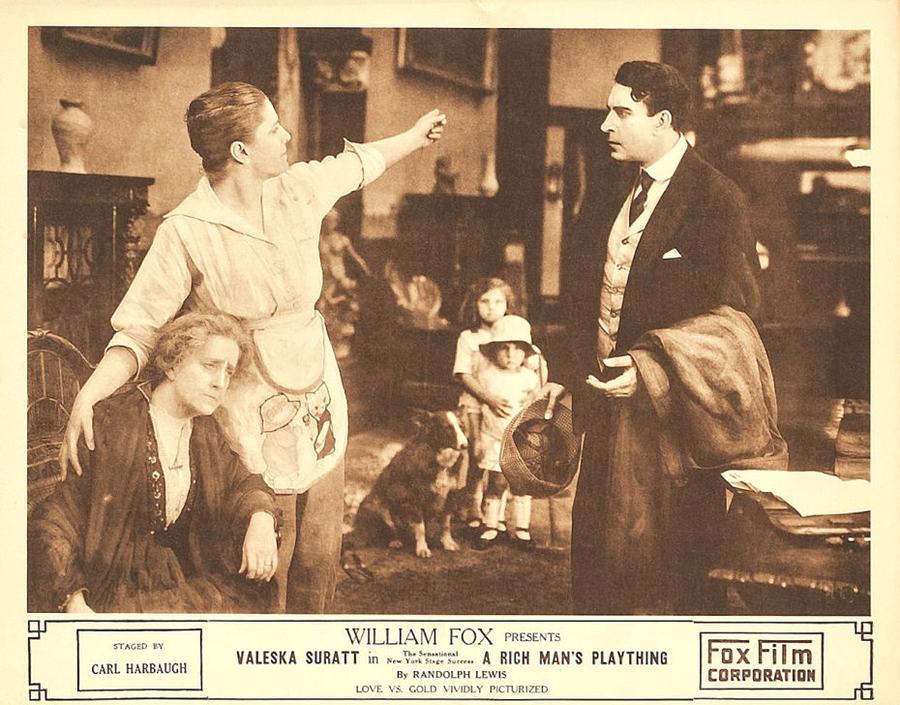
The final agreement between Marie and Lloyd to start life anew, unmarred by the sordid shadows of exploitative tenements, is more than a romantic conclusion; it's a symbolic promise of societal reform. It suggests that true change can occur when power and idealism converge, when the wealthy recognize their responsibility and the passionate are empowered to act. It’s a hopeful, if perhaps idealistic, vision for a more equitable future. The film doesn't shy away from the harsh realities of its time, but ultimately champions the possibility of redemption and transformation, not just for individuals, but for the systems they inhabit.
The performances throughout are exemplary, particularly given the constraints of silent cinema. Edward Martindel manages to convey Lloyd’s internal conflict and his underlying affection for Marie, even as he orchestrates her grand test. Valeska Suratt, the true heart of the film, commands the screen with a captivating blend of strength, vulnerability, and unwavering moral compass. Her Marie is a force of nature, a woman who truly believes in the power of change and is willing to fight for it, making her a compelling figure even by today's standards. One might draw parallels to the powerful female protagonists seen in films such as Joan the Woman, where strong feminine will drives the narrative forward. However, Marie's battle is not on a battlefield of war, but on the socio-economic front, a nuanced distinction that makes her struggle uniquely resonant.
Reflecting on A Rich Man's Plaything in the context of early cinema, one cannot help but be struck by its narrative sophistication and thematic depth. It transcends the simplistic morality plays or lighthearted comedies that often characterized the era, offering a layered exploration of social justice, personal integrity, and the transformative power of love and understanding. While films like A Gentleman of Leisure might have explored similar themes of identity and class, A Rich Man's Plaything delves deeper into the societal implications of wealth and poverty, and the active role an individual can play in challenging oppressive structures.
The film's enduring appeal lies in its willingness to tackle complex ethical dilemmas without easy answers. It challenges the audience to consider not just the actions of its characters, but the motivations behind them. Is Lloyd's deception justifiable if it leads to a greater good? Is Marie's fury valid, even if it stems from a misunderstanding? These are questions that resonate across generations, making A Rich Man's Plaything a far more profound experience than its title might initially suggest. It is a testament to the power of cinema to reflect and interrogate the societal issues of its time, offering both critique and a glimmer of hope for a better world. For anyone interested in the social commentary embedded within the foundational works of film, or simply a compelling narrative of love and justice, this silent masterpiece remains an essential watch.
The innovative use of narrative structure, where the protagonist is unknowingly pitted against the man she loves, who is simultaneously testing her ideals, creates a powerful sense of dramatic irony that keeps the viewer engaged from beginning to end. It's a sophisticated setup that speaks volumes about the creative ambition of its writers, Carl Harbaugh and Randolph Lewis. They crafted a story that dared to ask difficult questions about wealth distribution, corporate ethics, and the role of the individual in societal change. This isn't just a romance; it's a social commentary wrapped in a compelling personal drama, proving that even in the nascent years of the cinematic art form, filmmakers were capable of producing works of profound intellectual and emotional depth. The film's message, that true wealth lies not in accumulation but in the capacity for empathy and social responsibility, remains a potent and timely reminder.
IMDb 5.8
1932
Community
Log in to comment.