DbcultAccessing Vault...
5.2/10
Senior Film Conservator
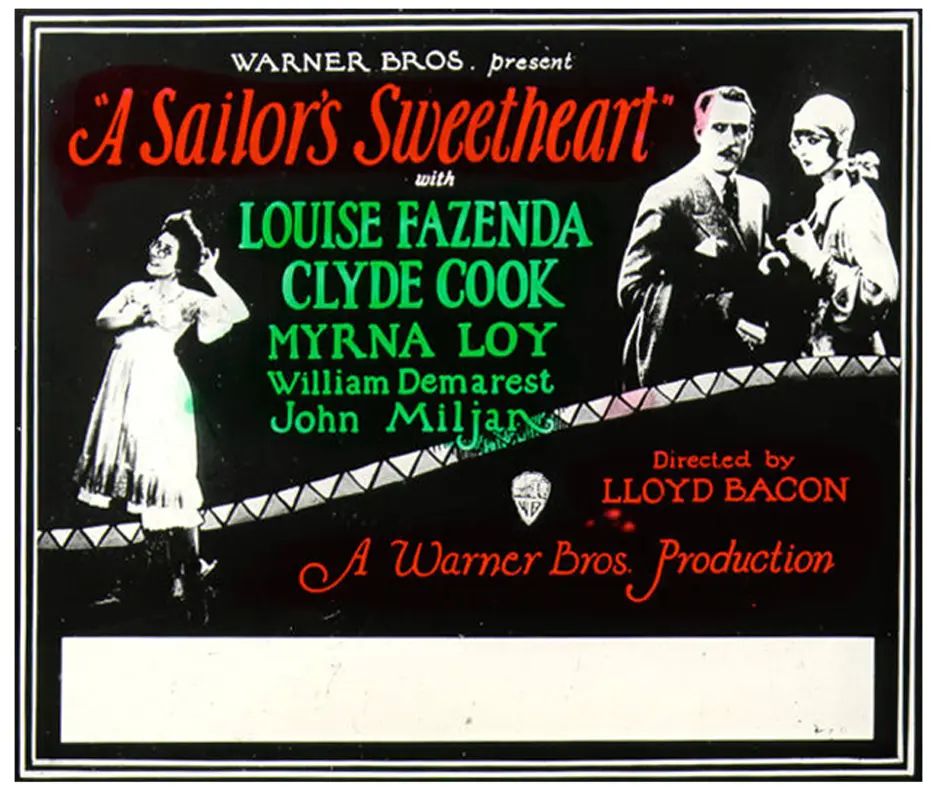
A definitive 5.2/10 rating for a film that redefined the boundaries of cult cinema. A Sailor's Sweetheart remains a cornerstone of transgressive art.
Is A Sailor's Sweetheart worth watching today? Short answer: yes, but only if you have a deep-seated appreciation for the frantic, rubber-faced energy of 1920s slapstick. This film is specifically for silent cinema completists and those who enjoy seeing the early, unrefined versions of Hollywood legends like Myrna Loy. It is absolutely not for viewers who require a tight, logical narrative or those who find the exaggerated physical comedy of the silent era grating.
1) This film works because Louise Fazenda’s physical commitment to her role as Cynthia Botts is absolute, turning a standard 'inheritance trap' plot into a showcase for her unique comedic timing.
2) This film fails because the central conflict—the 'no scandal' clause—feels incredibly flimsy even by the standards of 1927, leading to a series of coincidences that feel more forced than funny.
3) You should watch it if you want to witness the transition of Myrna Loy from a 'vamp' archetype into a more nuanced performer, or if you want a lighthearted companion piece to more serious silent works like Burnt Wings.
Yes, A Sailor's Sweetheart is worth watching for its historical value and the performance of Louise Fazenda. While the plot is thin, the film offers a fascinating look at the late-silent era comedy style. It provides a bridge between the crude slapstick of the early 1910s and the more sophisticated romantic comedies of the 1930s. If you enjoy the genre, it is a pleasant, albeit predictable, experience.
Louise Fazenda was a titan of comedy who doesn't get enough credit today. In A Sailor's Sweetheart, she plays Cynthia Botts with a mix of rigid authority and repressed panic. The way she uses her eyes to convey the terror of losing her fortune is masterclass-level silent acting. She doesn't just act; she reacts to every stimulus with her entire body. It is exhausting to watch, but undeniably impressive.
Take, for instance, the scene where she first learns of the inheritance. Her transition from a stern headmistress to a woman possessed by the prospect of wealth is sudden and jarring. It’s a moment that reminds me of the tonal shifts in Stop That Shimmy, where the comedy stems from the character's inability to maintain their social mask. Fazenda’s mask doesn’t just slip; it shatters.
However, the film relies almost too heavily on her. When she isn't on screen, the energy dips significantly. The supporting cast, while talented, often feels like they are waiting for her to return to lead the next bit of business. It works. But it’s flawed. The reliance on a single star is a common pitfall of this era, and this film falls right into it.
Before she was Nora Charles, Myrna Loy was often cast in 'exotic' or 'vamp' roles. Here, as Charlotte Ralston, we see the beginnings of that sophisticated charm that would later define her career. She plays the potential 'scandal' with a wink and a nod, providing a necessary counterpoint to Fazenda's high-strung energy. Her scenes with John Miljan are some of the most polished in the film.
The chemistry between Loy and the rest of the cast is palpable. Unlike the more somber performances in An Alien Enemy, Loy brings a light touch to the screen. She understands that the film is a farce and plays it accordingly. It’s a performance that suggests she was already outgrowing the material she was being given by Warner Bros at the time.
One specific moment involving a misunderstood look between her and Sandy McTavish serves as the catalyst for the second-act chaos. It is a simple piece of staging, but Loy elevates it with a subtle smirk that tells the audience exactly what she’s thinking. It’s a brief flash of the brilliance that would make her a household name in the sound era.
The directing by the uncredited (though often attributed to Lloyd Bacon in some circles, despite the primary credit going to the writers) hand is workmanlike. The pacing is breakneck, which is necessary for a plot this thin. If the film slowed down for even a minute, the audience would realize how little is actually happening. It’s a frantic race to the finish line that mirrors the energy of High Brow Stuff.
The cinematography is standard for 1927. There are no groundbreaking camera movements or lighting techniques here. It’s mostly medium shots and wide angles to capture the physical comedy. This isn't a film that tries to innovate visually like The Governor's Ghost. Instead, it focuses on the performers. The camera is merely a witness to the chaos.
The film is a relic of a time when a simple misunderstanding was enough to sustain a 70-minute runtime. It is charming in its simplicity but frustrating in its lack of depth.
Pros:
The film is genuinely fast-paced and never overstays its welcome. The performances, particularly from the female leads, are strong. It captures the transitionary period of Hollywood perfectly, showing the polish that was beginning to take hold in the late silent era.
Cons:
The 'scandal' premise is incredibly dated. Some of the humor relies on tropes that haven't aged well. Compared to other films of the time like The Price of Pleasure, it feels a bit more like a stage play than a cinematic experience.
A Sailor's Sweetheart is a mid-tier silent comedy that is elevated by its cast. It doesn't have the emotional weight of Burnt Wings or the experimental flair of some European imports of the time, but it achieves exactly what it sets out to do: it makes you laugh at the absurdity of social standing. It’s a loud film for a silent one, filled with crashing waves, slamming doors, and the silent screams of a woman trying to keep her fortune.
If you find yourself with an hour to spare and a desire to see where modern sitcom tropes originated, this is a solid choice. It isn't a masterpiece, but it is a highly competent piece of entertainment. Louise Fazenda is a riot, and Myrna Loy is a dream. That alone is enough to justify a viewing.
IMDb 6.8
1937
Community
Log in to comment.