DbcultAccessing Vault...
5.7/10
Senior Film Conservator
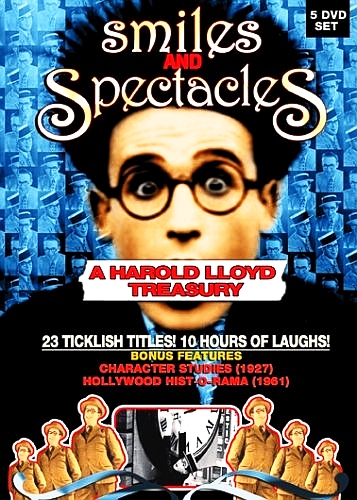
A definitive 5.7/10 rating for a film that redefined the boundaries of cult cinema. A Sammy in Siberia remains a cornerstone of transgressive art.
Stepping back into the annals of early cinema, one often unearths gems that, while perhaps not monumental blockbusters of their day, offer invaluable insights into the evolving art form. 'A Sammy in Siberia,' a silent film from 1919, is precisely one such artifact. It’s a fascinating, albeit often overlooked, piece of work that blends nascent comedic sensibilities with a surprisingly poignant wartime narrative. Far from being a mere slapstick romp, this film delves into themes of human connection, resilience, and the unexpected heroism found in the most unlikely of circumstances. It captures a fleeting moment in history, both cinematic and global, with a raw charm that is hard to deny.
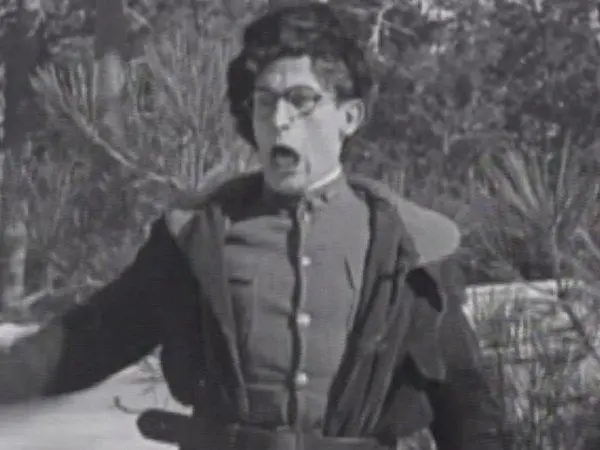
The premise is deceptively simple: an American soldier, separated from his troop amidst the chaos of the Russian intervention, finds himself a reluctant guardian to a helpless Russian girl, both of them caught in the crosshairs of marauding Bolsheviks. This narrative skeleton, however, supports a surprisingly robust exploration of character and peril. The film's ability to pivot from lighthearted physical comedy to genuine suspense is a testament to the directorial and performative talents of its era, particularly noteworthy given the nascent stage of cinematic language. It's a reminder that even in the nascent years of moviemaking, filmmakers were grappling with complex storytelling, pushing the boundaries of what could be conveyed without spoken dialogue.
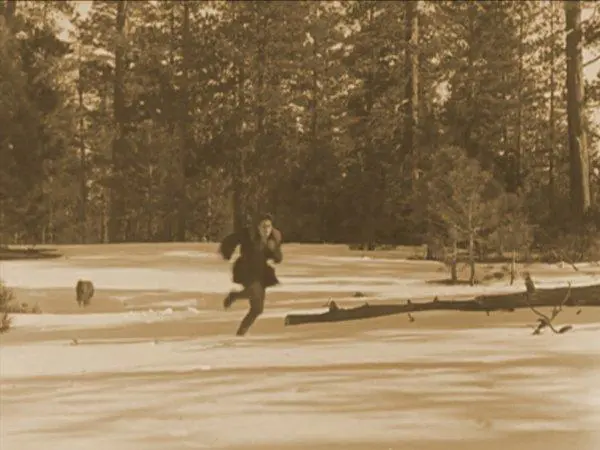
At the heart of 'A Sammy in Siberia' lies the compelling dynamic between its protagonists. While the film's title points to a male lead, the emotional core is undeniably the bond that forms between the American soldier and the Russian girl. Bebe Daniels, a prodigious talent of the silent era, brings a captivating blend of vulnerability and nascent strength to her role. Her expressive eyes and nuanced gestures convey a world of fear, hope, and eventual trust, painting a vivid portrait of innocence thrust into a brutal reality. Her performance elevates the film beyond a mere chase sequence, imbuing it with a genuine emotional resonance that lingers long after the final frame.
The American soldier, often portrayed by Sammy Brooks or a similar archetype of the era, embodies the quintessential accidental hero. He is not a hardened warrior but an ordinary man thrust into extraordinary circumstances. His initial bumbling and often comical attempts at survival gradually give way to a determined, protective instinct. This evolution is crucial, as it grounds the fantastical elements of the plot in a relatable human journey. The film cleverly uses physical comedy—the pratfalls, the narrow escapes, the ingenious improvisations—not merely for laughs, but to underscore the soldier's resourcefulness and ultimately, his burgeoning heroism. It’s a narrative arc that resonates with similar tales of unexpected courage, harkening back to the everyman hero prevalent in many silent-era narratives.
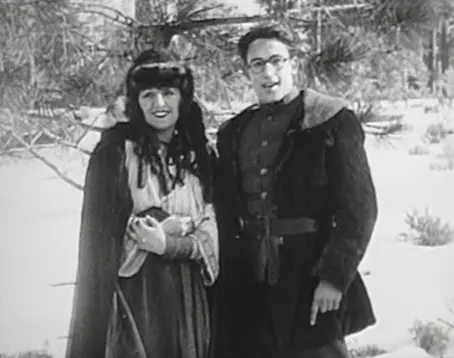
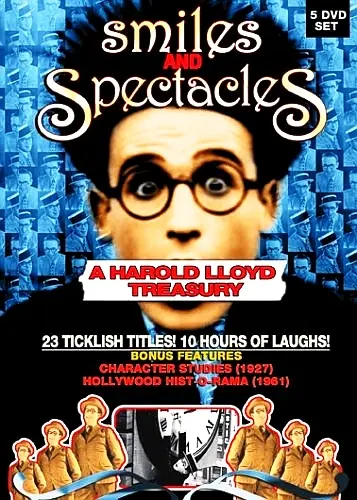
Even in its early stages, the film features appearances by names that would become synonymous with silent comedy. Harold Lloyd, though likely in a minor or uncredited role given his rapid ascent to stardom around this period, contributes to the ensemble, showcasing the collaborative spirit of early film production. His presence, however brief, hints at the burgeoning talent that would soon captivate millions. Other cast members like Dee Lampton, 'Snub' Pollard, and Noah Young, staples of the comedic short, contribute to the film's energetic pace and provide a rich tapestry of supporting characters, each adding a distinct flavor to the unfolding drama. Their collective experience in physical comedy and expressive silent acting ensures that even the most perilous moments are punctuated with moments of levity or desperate ingenuity.
The setting of Siberia, even if largely simulated on a studio backlot or local exteriors, lends an inherent sense of bleakness and isolation to the narrative. The vast, snowy landscapes, the desolate villages, and the constant threat of pursuit create a palpable atmosphere of danger. The film leverages these environmental elements to amplify the stakes, making every escape and every hiding place feel critical. This use of setting as an active participant in the story is a hallmark of effective visual storytelling, a concept still being refined in 1919. It’s not just a backdrop; it's an antagonist, a silent observer to the human struggle.
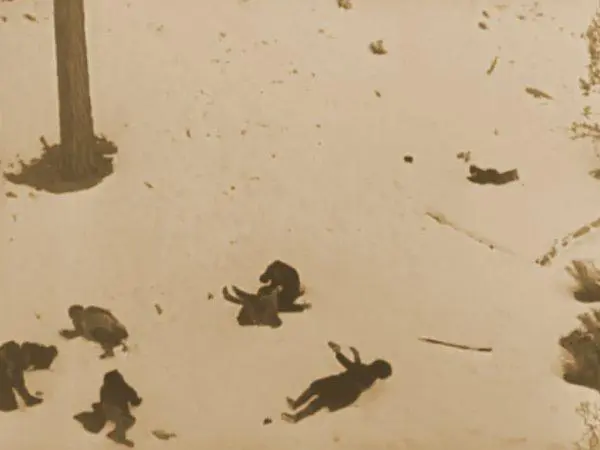
The portrayal of the Bolsheviks, while undoubtedly colored by the political climate of the time, serves its purpose as a formidable and relentless antagonist. They are depicted as a menacing, almost faceless, force, driven by an ideology that contrasts sharply with the individualistic heroism of the American soldier. This simplification, while perhaps lacking historical nuance, effectively creates clear stakes and a tangible threat, propelling the narrative forward with urgency. The urgency of their pursuit, the constant close calls, and the ingenuity required to evade them form the backbone of the film's suspenseful sequences. In this regard, it shares a thematic lineage with other films of conflict and pursuit, such as Revenge or even the dramatic tension found in The Evil Eye, where external forces relentlessly threaten the protagonists.
From a technical perspective, 'A Sammy in Siberia' exemplifies the collaborative, often uncredited, nature of silent film production. While specific writers aren't detailed, it's clear that the narrative was a product of collective ingenuity, likely emerging from a combination of directorial vision, gag writers, and the improvisational talents of the actors themselves. This organic approach often led to films that felt raw and immediate, relying heavily on visual cues, physical comedy, and exaggerated expressions to convey emotion and plot points. The pace is brisk, a common characteristic of silent shorts, ensuring that audience engagement never wanes. This rapid-fire progression of events, from one precarious situation to the next, keeps viewers on the edge of their seats, even a century later.
The film's comedic elements, while occasionally broad, are skillfully integrated into the dramatic framework. The humor often arises from the soldier's attempts to navigate an unfamiliar culture and evade capture, using slapstick and clever trickery. This blend of comedy and danger is a precarious balancing act, one that 'A Sammy in Siberia' largely pulls off with aplomb. It's a testament to the versatility of its performers and the understanding of comedic timing that was rapidly developing in the industry. One can draw parallels to the adventurous spirit and comedic pacing seen in films like A Motorcycle Adventure, where the thrill of the chase is often interspersed with humorous mishaps.
'A Sammy in Siberia' is more than just an entertaining short; it's a window into a specific historical moment. Released in 1919, it reflects contemporary anxieties and narratives surrounding the Russian Civil War and the Allied intervention. While the film’s politics are undoubtedly simplistic and propagandistic in nature, it offers a glimpse into how global events were interpreted and presented to a domestic audience through the burgeoning medium of cinema. This contextual layer adds another dimension to the viewing experience, allowing us to analyze not just the film's artistic merits but also its cultural significance. It sits alongside other historically charged narratives of the era, such as Martyrs of the Alamo or The Beggar of Cawnpore, in its attempt to weave dramatic tales around real-world conflicts, albeit with varying degrees of historical accuracy.
The film's existence also speaks to the incredible output of the early film studios, churning out countless shorts alongside features. Many of these, like 'A Sammy in Siberia,' showcased emerging talents and experimented with genre conventions. It’s through these shorter works that stars like Bebe Daniels honed their craft and that directorial styles began to coalesce. The film, in its essence, is a microcosm of the innovative spirit of early Hollywood, where storytelling was fluid and experimentation was rampant. It’s a foundational piece, demonstrating how quickly filmmakers adapted to the demands of visual narrative, establishing tropes and techniques that would endure for decades.
For modern audiences, 'A Sammy in Siberia' offers a unique blend of historical curiosity and surprisingly engaging entertainment. While the comedic sensibilities may feel dated to some, the underlying human drama and the thrill of the chase remain potent. It’s a testament to the power of silent cinema to transcend language barriers and connect with universal themes. The film reminds us that even in an era without synchronized sound, compelling narratives could be crafted through masterful visual storytelling, expressive performances, and inventive direction. It holds its own against other dramatic works of the period, such as Jeanne Doré or Anfisa, in its capacity to evoke strong emotions without uttering a single word.
The film's narrative, though straightforward, is imbued with a sense of adventure and a moral compass that points towards altruism. The American soldier’s unwavering commitment to protecting the Russian girl, even at great personal risk, speaks to a timeless human virtue. This simple act of kindness and courage forms the emotional bedrock of the film, elevating it beyond mere historical curiosity. It’s a story of unexpected heroism, a quiet testament to the enduring human spirit in the face of overwhelming adversity. This theme of protecting the vulnerable against overwhelming odds is a recurring motif in cinema, seen in various forms from Charity to The Better Man, each exploring the sacrifices made for others.
In sum, 'A Sammy in Siberia' is a captivating relic from a pivotal period in film history. It showcases the burgeoning talents of its cast, the ingenuity of its creators, and the capacity of silent cinema to tell compelling, emotionally resonant stories. While it may not possess the grand scale of later epics, its charm lies in its intimate portrayal of survival and unexpected companionship. It’s a film that deserves to be rediscovered, not just for its historical value, but for its enduring ability to entertain and move audiences. Its blend of daring adventure and heartfelt human connection makes it a valuable entry in the silent film canon, a small but significant piece of cinematic heritage that continues to resonate with its themes of resilience and unexpected heroism. It's a reminder that even in the earliest days of cinema, films were capable of intricate narratives, much like the compelling mysteries of The Great Bradley Mystery or the moral quandaries of Beyond the Law, each in their own way pushing the boundaries of what storytelling could achieve on screen. The film's unassuming title belies a rich and engaging experience, proving that sometimes the most profound narratives emerge from the most unlikely of circumstances, much like the philosophical journey implied by Il sogno di Don Chisciotte or the personal struggles depicted in The Fear of Poverty and The Law That Failed. The plight of the individual amidst larger forces, a theme echoed in Perdida, finds a compelling early expression here, making 'A Sammy in Siberia' a film well worth revisiting for any enthusiast of classic cinema.
IMDb 6.9
1934
Community
Log in to comment.