DbcultAccessing Vault...
4.9/10
Senior Film Conservator
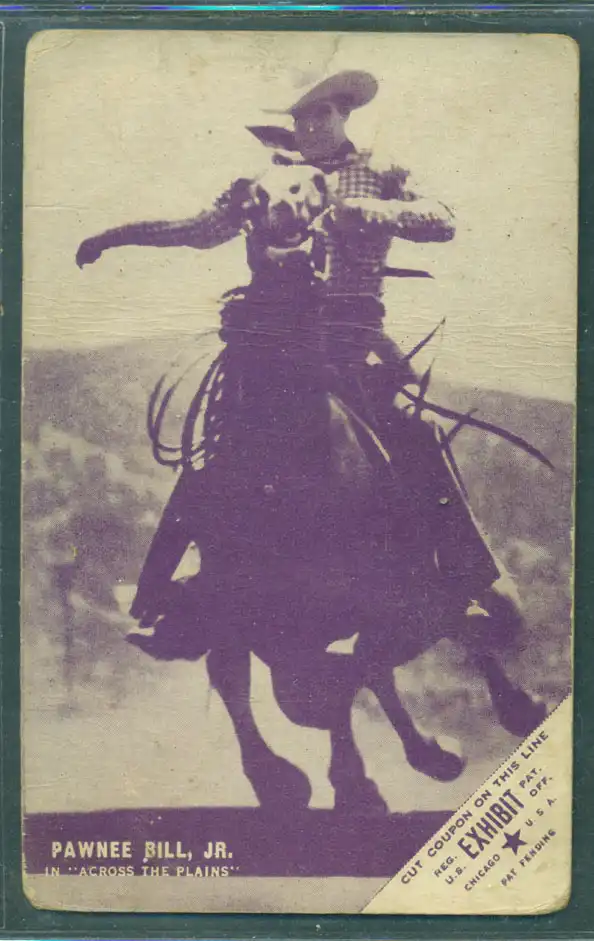
A definitive 4.9/10 rating for a film that redefined the boundaries of cult cinema. Across the Plains remains a cornerstone of transgressive art.
If you’re looking for a polished Western with sweeping vistas and a swelling orchestral score, Across the Plains is going to be a massive disappointment. But if you have a soft spot for those dusty, 1930s B-pictures where the hero looks like he’d rather be wrestling a horse than delivering a line of dialogue, there’s something almost charming about how clunky this is. It’s for the completionists, really. Or anyone who finds the stilted rhythm of early talkies weirdly hypnotic. If you want high art, go find a John Ford movie. If you want to see a stuntman in a very large hat try to look romantic, stay here.
The premise is that classic 'innocent girl gets tricked' setup. Ione Reed plays Helen Williams, who shows up in this cattle town thinking she’s got a respectable job, only to find out she’s basically there to be saloon scenery. There’s a moment when she first realizes what the job actually entails where she just looks... mildly inconvenienced? The stakes should feel higher. She’s being forced into a life she didn't choose, but the movie moves at this weird, brisk pace that doesn't let the dread land. It’s like the film is in a hurry to get to the next horse chase.
Cliff Lyons is our lead, playing Jim Blake. Lyons was a stuntman first and an actor somewhere further down the list. You can see it in the way he stands. He’s got this physical presence that makes the fight scenes actually watchable, but his romantic chemistry with Reed is basically non-existent. They look like two people waiting for the same bus. When they talk about their future, it feels less like a blossoming romance and more like they’re negotiating a lease on a car. It’s stiff, it’s awkward, and I kind of loved it for that.
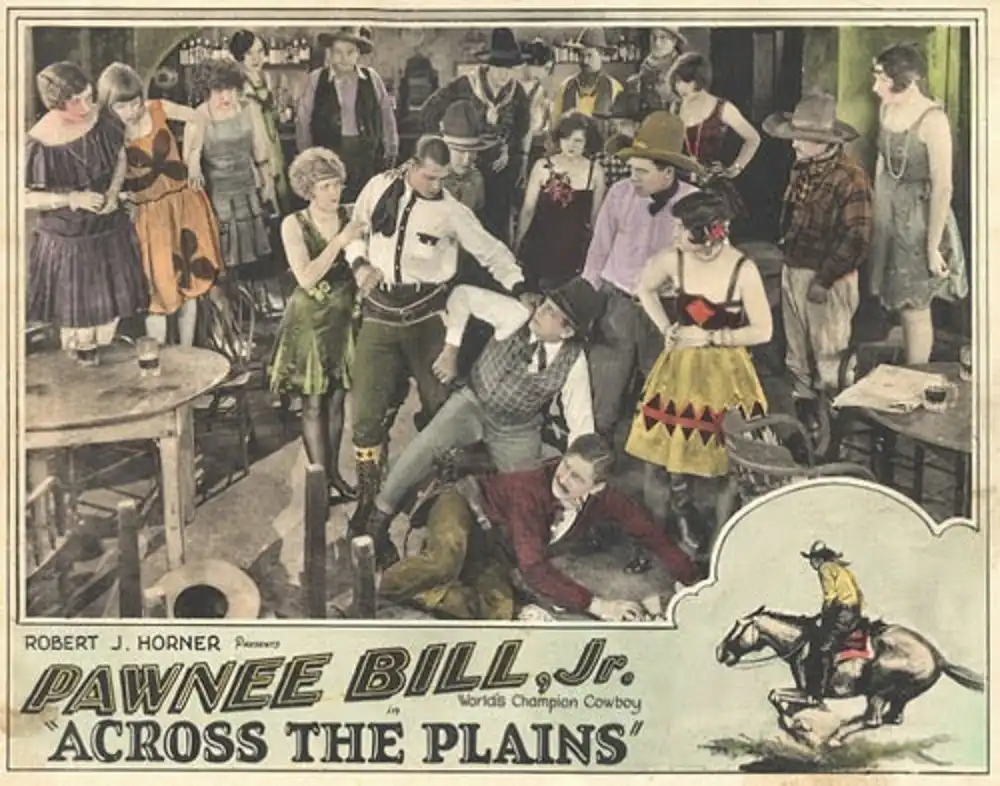
There’s a scene in the saloon where the background extras are clearly just waiting for the 'cut' signal. One guy in the back is nursing a mug that is very obviously empty, and he does it for like three minutes straight, tilting it back until his head is almost vertical. It’s those little things that make these poverty row movies fun. It feels less like a 'film' and more like a group of people who had three days and a very small amount of film stock to get something finished. It lacks the lightness of something like Too Many Kisses, which at least felt like it was having fun with its tropes.
The dialogue is pretty rough. 'I didn't know it was this kind of place,' Helen says, and the delivery is so flat it’s almost funny. It reminds me of the heavy-handed melodrama in The Broken Gate, but without the visual flair that silent films used to hide a thin script. Here, everything is just... there. In the light. Looking a bit cheap. The sound recording is particularly distracting—you can hear the floorboards creaking more clearly than the actors' voices in some of the interior shots. It gives the whole thing a weirdly intimate, stage-play feel, but not in a way that feels intentional.
The dancing scenes are where the movie really shows its seams. The 'drunk cowboys' are mostly just swaying awkwardly with the girls. It’s very polite. You’d think a wild cattle-town saloon would have a bit more energy, but it feels like a church social where someone accidentally brought a bottle of whiskey. Jack Richardson, playing one of the villains, is the only one who seems to understand the assignment. He has this way of narrowing his eyes that feels like it belongs in a much more serious movie. He’s working harder than anyone else on screen.
The pacing gets weird toward the end. The 'problems' they face on the way to getting married feel like they’re being checked off a list. Oh, here’s a villain. Okay, now they’re fighting. Now they’re okay again. It doesn’t feel like a story unfolding so much as a series of events happening near each other. It’s a bit like What Happened to Father in the sense that it feels like a very specific snapshot of what people thought was 'entertainment' at the time. It wasn't meant to be art; it was meant to fill sixty minutes of a Saturday afternoon while people ate popcorn.
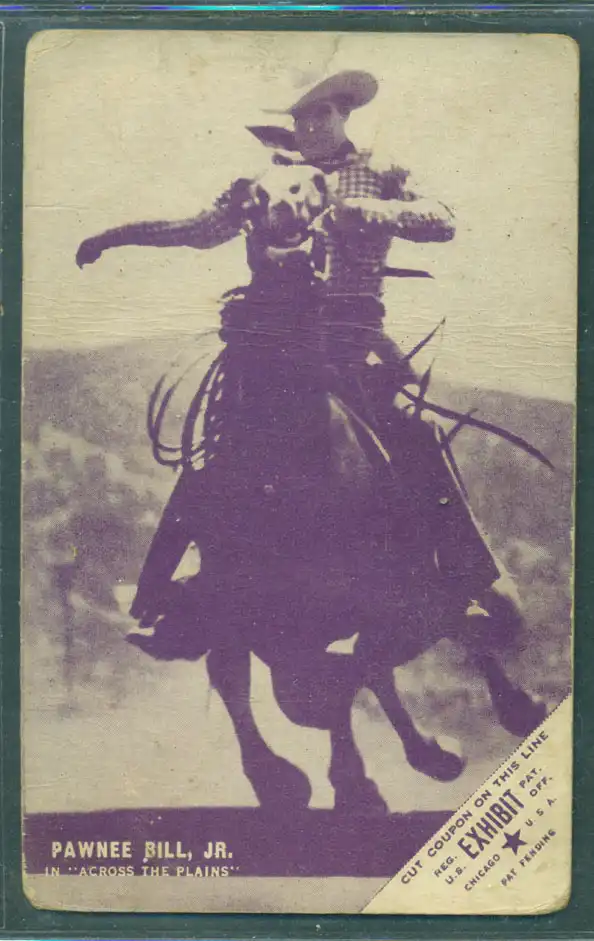
One shot I actually liked: there’s a silhouette of a rider against a very stark, bright hill that actually looks like someone cared about the composition for five seconds. It’s a genuine moment of Western beauty. Then it cuts to a very poorly lit interior where everyone looks like they’re standing in a basement, and the spell is broken.
Ione Reed’s costumes are also a bit of a choice. She’s supposed to be this girl out of place, but she looks remarkably well-coiffed for someone who just got off a dusty stagecoach and found out her life was a lie. Her hair doesn't move. Not once. Even when she’s supposed to be distressed, every curl is exactly where it started. It adds to that feeling of the movie being a bit of a facade.
Is it a good movie? Not really. But it’s an honest one. It doesn't pretend to be anything more than a cheap Western meant to keep the lights on at the studio. If you’ve seen things like When the Kellys Were Out, you know the vibe—rough, tumble, and gone from your mind the second the credits roll. But for those sixty minutes, watching Cliff Lyons try to act his way out of a paper bag while the horses in the background make more noise than the lead actors... there’s a certain kind of peace in that.
The ending is about as abrupt as you’d expect. No long goodbyes, no sunset ride that lasts ten minutes. Just a quick resolution and we're out. It’s almost refreshing how little it cares about 'closure' or 'thematic resonance.' It just stops. And honestly, after some of the long-winded scenes in the middle, that was the best way it could have ended.
IMDb —
1918
Community
Log in to comment.