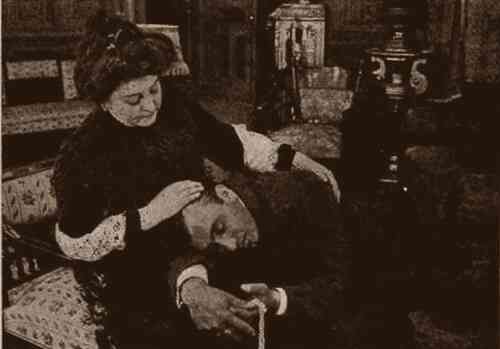
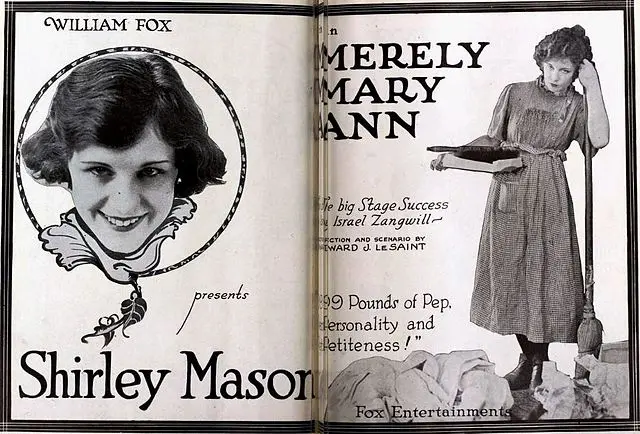
An orphan girl named Mary Ann falls for a poverty-stricken composer named John Lonsdale..
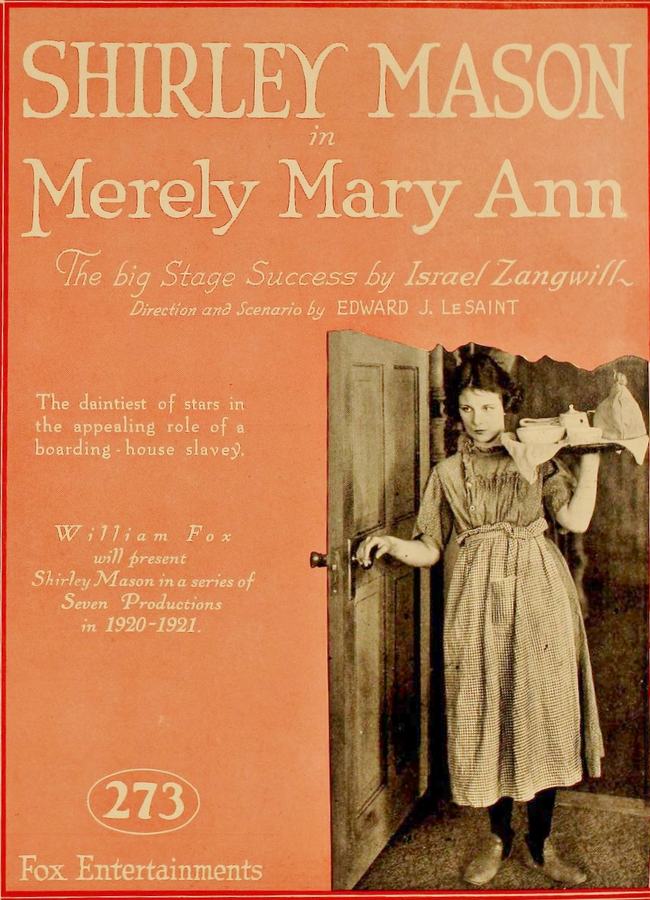
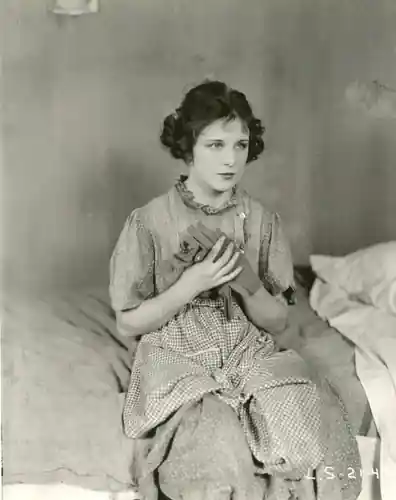
A print, flecked like a snow-globe of nitrate dust, still manages to exhale the warm breath of Georgia Woodthorpe’s Mary Ann every time the projector clatters—proof that genuine tenderness can survive a century of neglect. The film, shot on the waning edge of the teens, belongs to that tremulous interregnum when sile...
still_frame
production_art
production_art
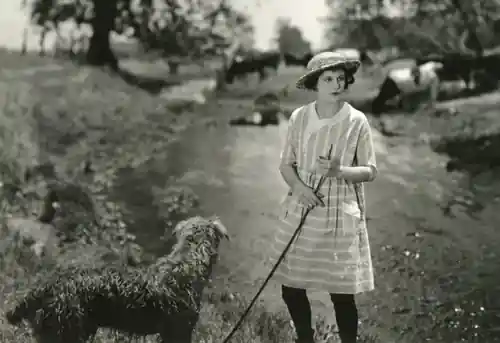
still_frame
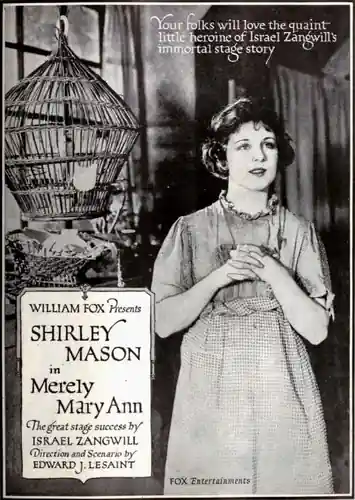
production_art
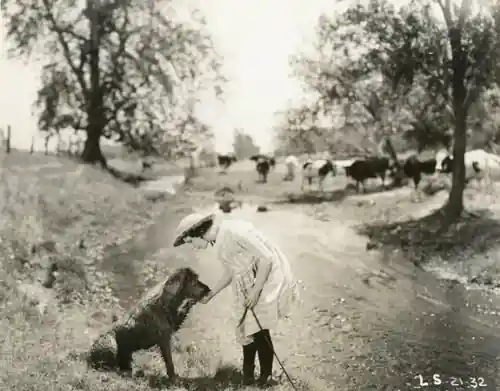
still_frame
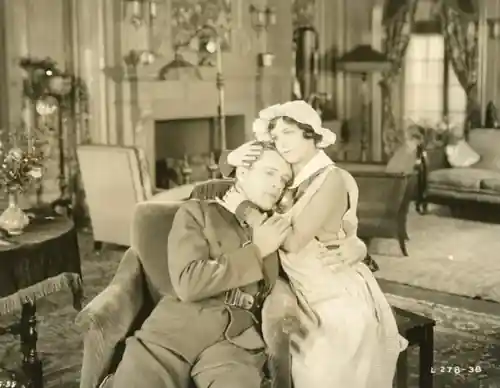
still_frame
production_art
Comparing the cinematic DNA and archive impact of two defining moments in cult history.
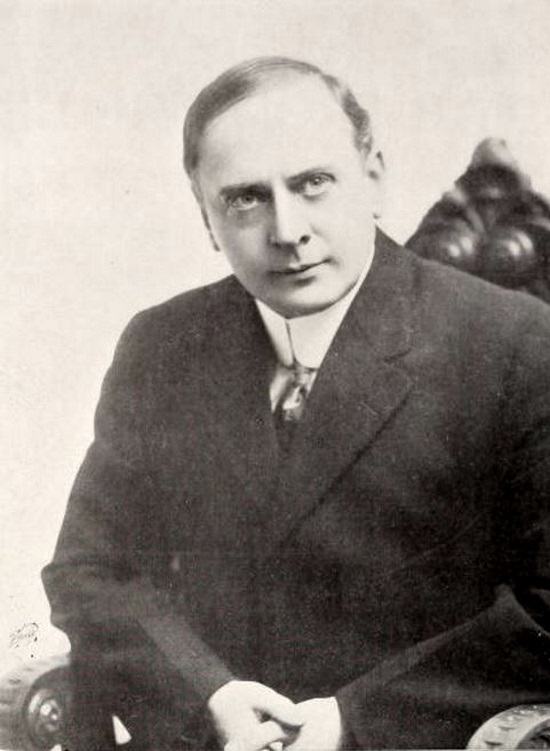
Edward LeSaint
Edward LeSaint
Community
Log in to comment.
" A print, flecked like a snow-globe of nitrate dust, still manages to exhale the warm breath of Georgia Woodthorpe’s Mary Ann every time the projector clatters—proof that genuine tenderness can survive a century of neglect. The film, shot on the waning edge of the teens, belongs to that tremulous interregnum when silent cinema was learning how to whisper instead of declaim. Director Edward LeSaint, better remembered for one-reel parables than for lyrical long-form storytelling, here pirouettes..."
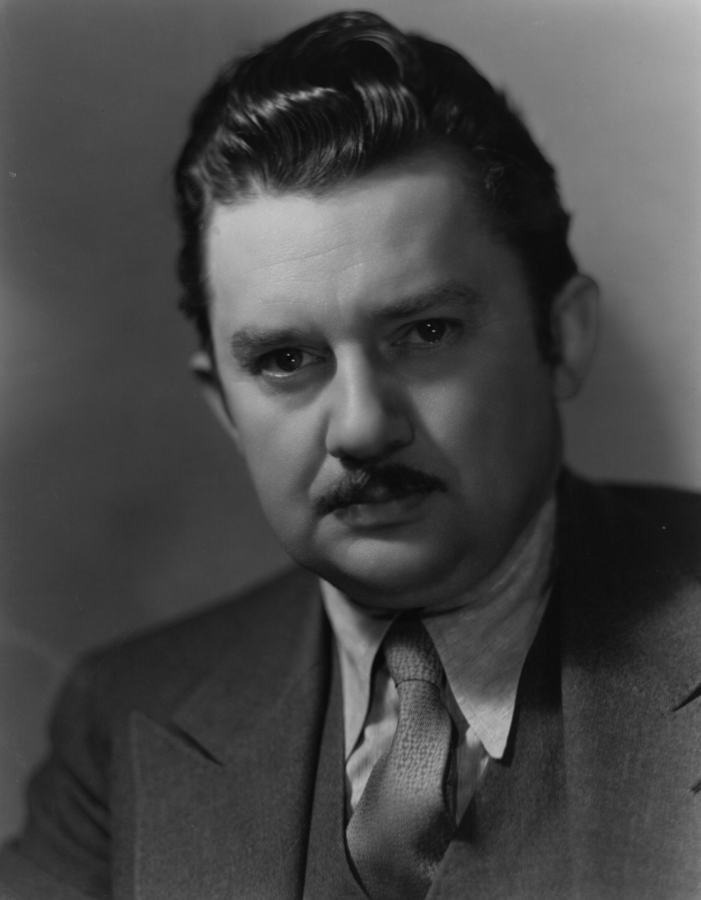
Jean Hersholt
Israel Zangwill, Edward LeSaint
United States
Deep dive into the cult classic
Discover similar cinematic experiences
A Directorial Spotlight on Edward LeSaint