DbcultAccessing Vault...
4.1/10
Senior Film Conservator
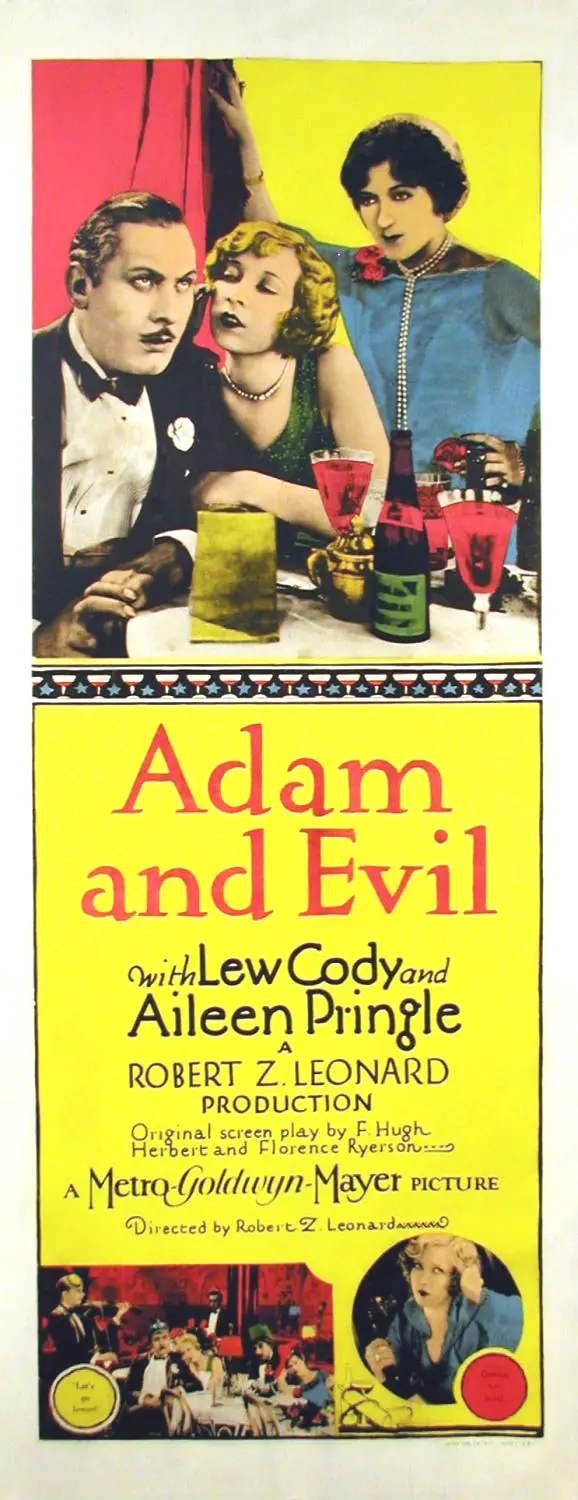
A definitive 4.1/10 rating for a film that redefined the boundaries of cult cinema. Adam and Evil remains a cornerstone of transgressive art.
Is this film worth your time in the modern era? Short answer: yes, but only if you possess a genuine appetite for the rhythmic, often frantic energy of late-silent era social satire.
This film is for enthusiasts of physical comedy who enjoy seeing the 'double' trope handled with more wit than modern CGI-fest repeats. It is NOT for those who find the silence of the 1920s exclusionary or who require gritty, grounded realism to stay engaged.
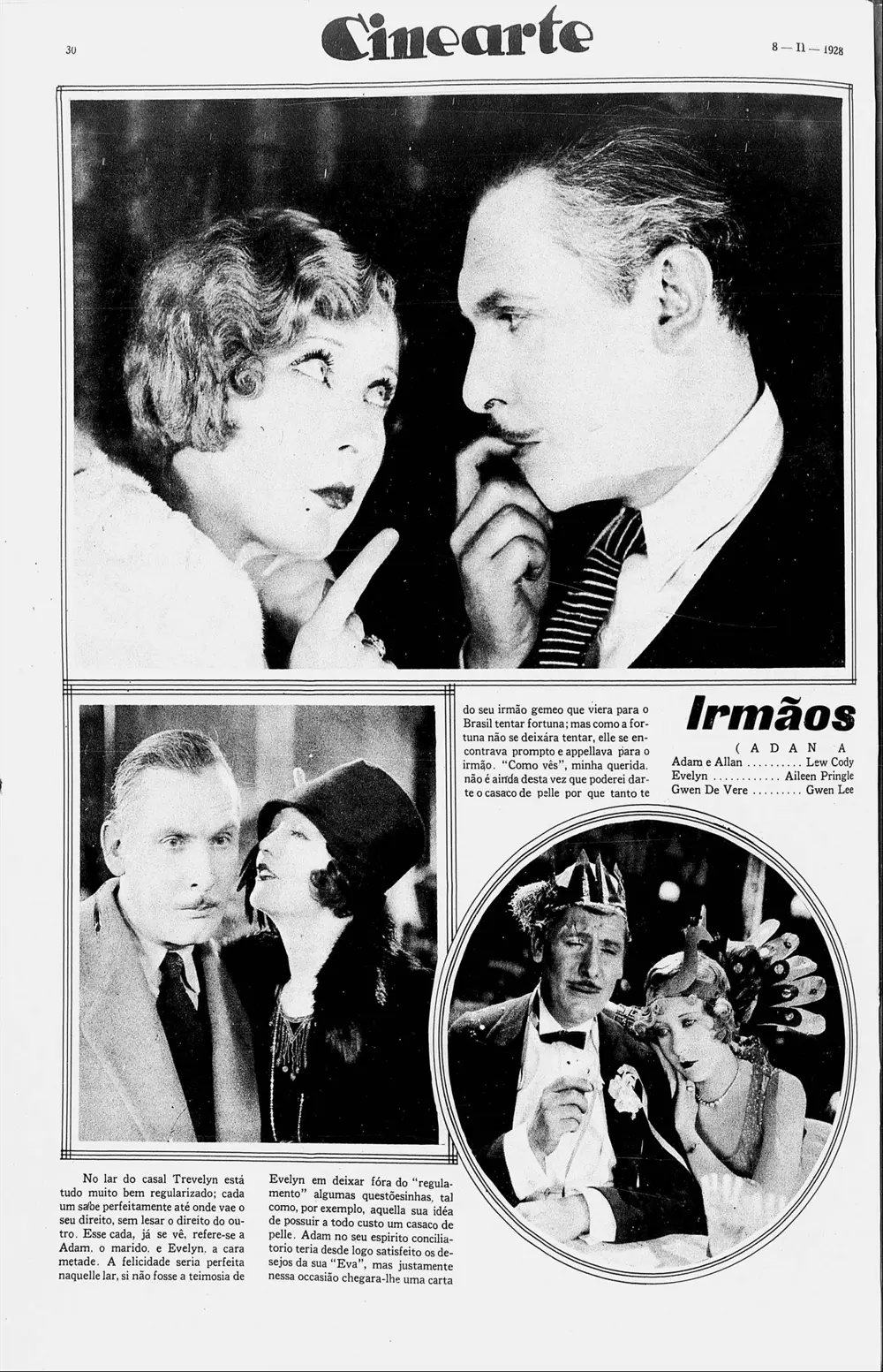
This film works because Lew Cody delivers a dual performance that relies on subtle shifts in posture and gaze rather than overt costumes to distinguish the two brothers.
This film fails because the third act retreats into a safe, moralistic resolution that feels at odds with the chaotic energy of the preceding hour.
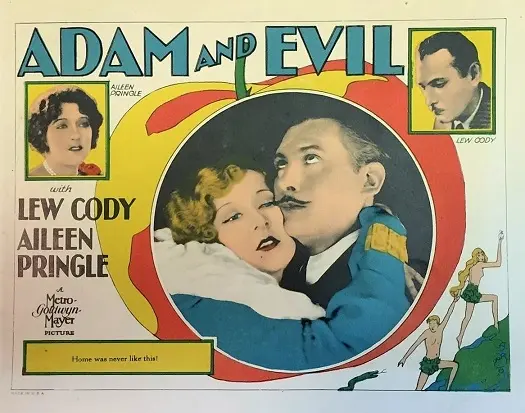
You should watch it if you want to see the blueprint for every 'evil twin' story that followed, executed with a level of technical craft that remains impressive nearly a century later.
Adam and Evil is worth watching for anyone interested in the evolution of cinematic comedy. It represents a bridge between the slapstick of the early teens and the sophisticated 'screwball' comedies of the 1930s. While some of the social mores are dated, the central anxiety—that someone could step into your life and be a better 'you' than you are—is timeless. Unlike the atmospheric dread found in The Governor's Ghost, this film uses the double as a tool for disruption rather than horror.
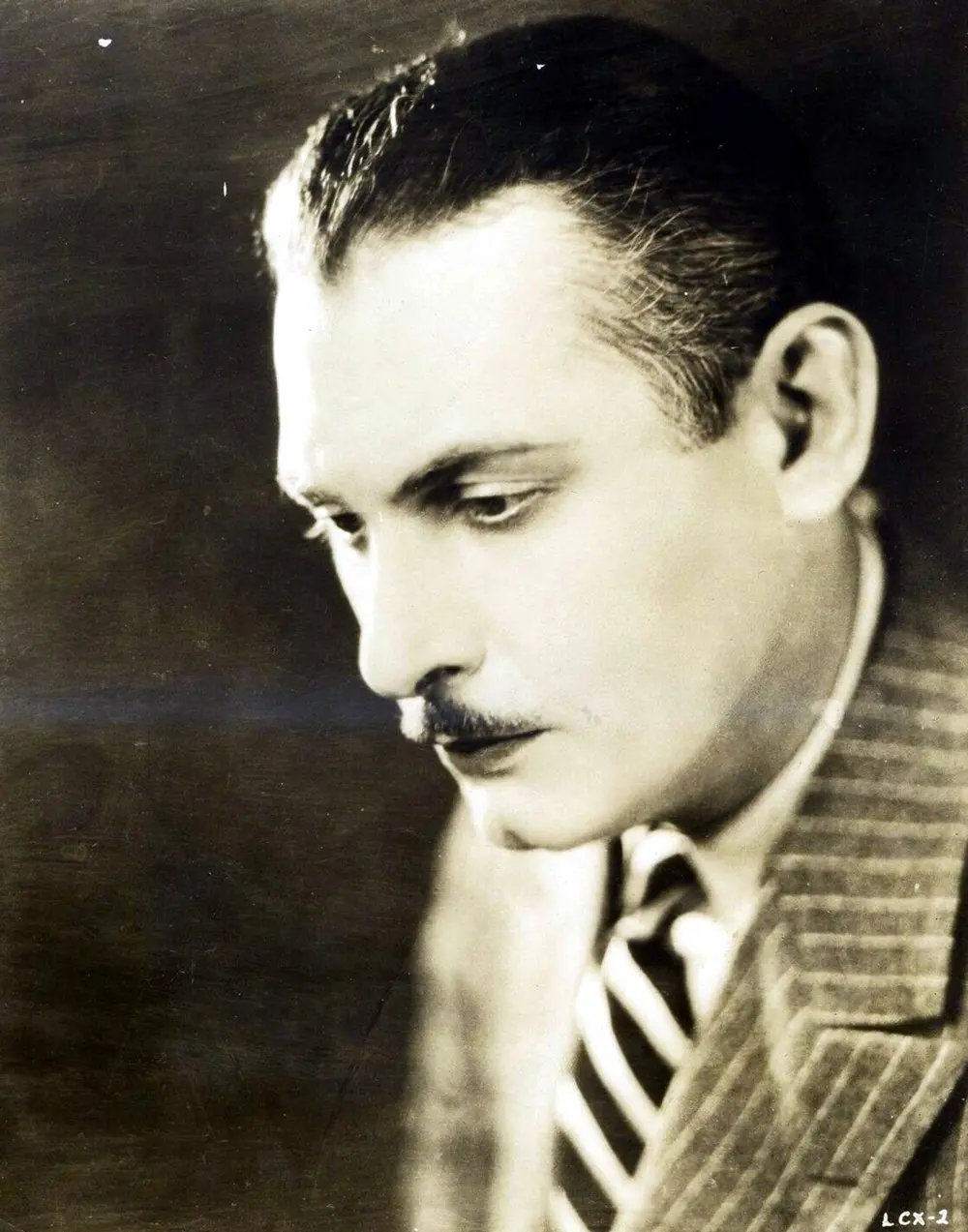
Lew Cody was always an actor of immense charm, but here he is tasked with playing against himself. In one particularly clever scene involving a shared cigar, the timing is so precise that you forget the technical limitations of 1927. He plays Adam with a stiff, almost brittle dignity. When the twin arrives, Cody relaxes his shoulders, sharpens his grin, and suddenly the screen feels dangerous. It’s a masterclass in physical presence.
The way he interacts with Aileen Pringle is where the film finds its friction. Pringle plays the wife not as a victim, but as a woman increasingly fascinated by the 'new' version of her husband. There is a subversive undercurrent here: she might actually prefer the evil twin. This adds a layer of psychological complexity that elevates the film above mere farce, much like the character studies in High Brow Stuff.
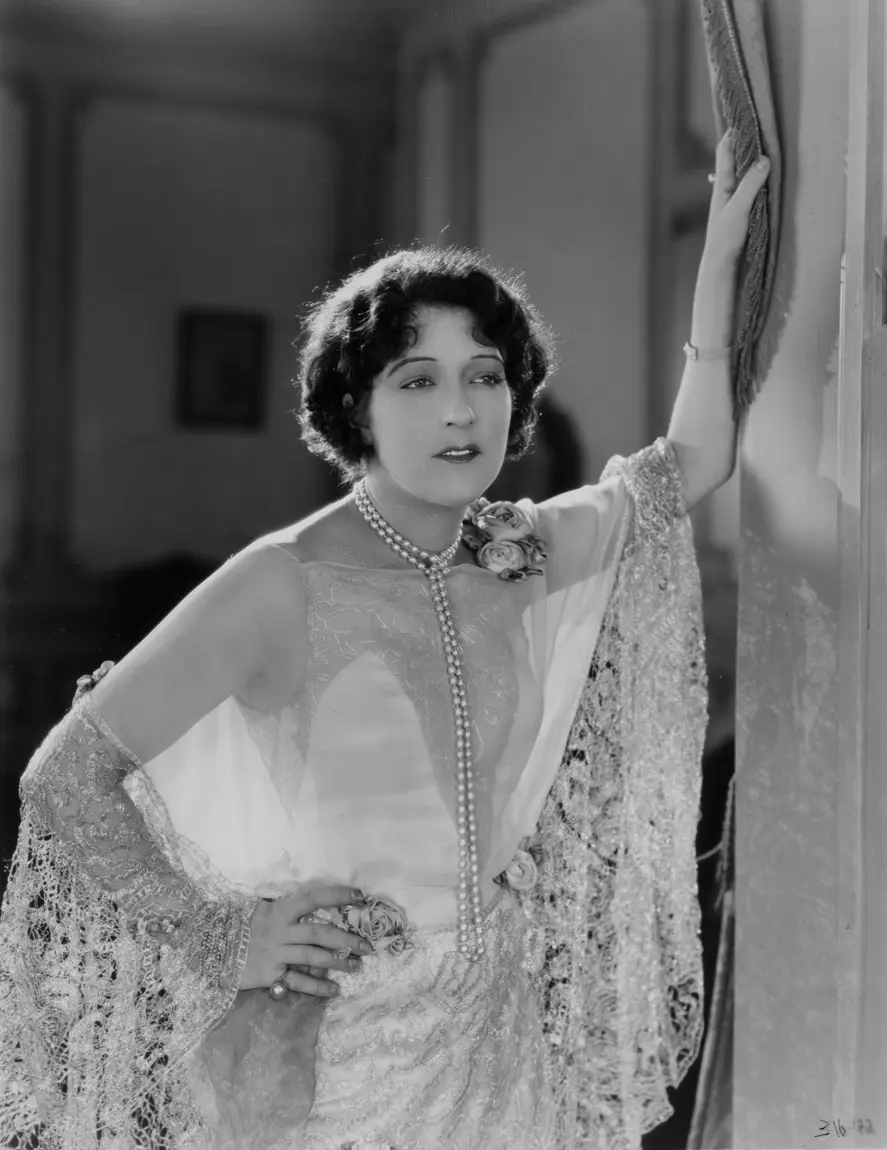
The technical execution of the split-screen shots is remarkably clean. Director Robert Z. Leonard avoids the blurry 'ghost' edges that plagued many contemporary productions. The lighting is crisp, emphasizing the opulence of the Treman household. This wealth acts as a character itself; it is the prize the evil brother seeks to steal and the cage the good brother has built for himself.
The pacing is relentless. Once the twin makes his entrance, the film doesn't breathe. It moves from one misunderstanding to the next with the speed of a runaway train. However, unlike the more experimental Bayqus, Adam and Evil stays firmly rooted in the commercial expectations of MGM. It wants to entertain first and provoke second. This isn't a flaw, but it does limit the film's lasting impact compared to more avant-garde works of the period.
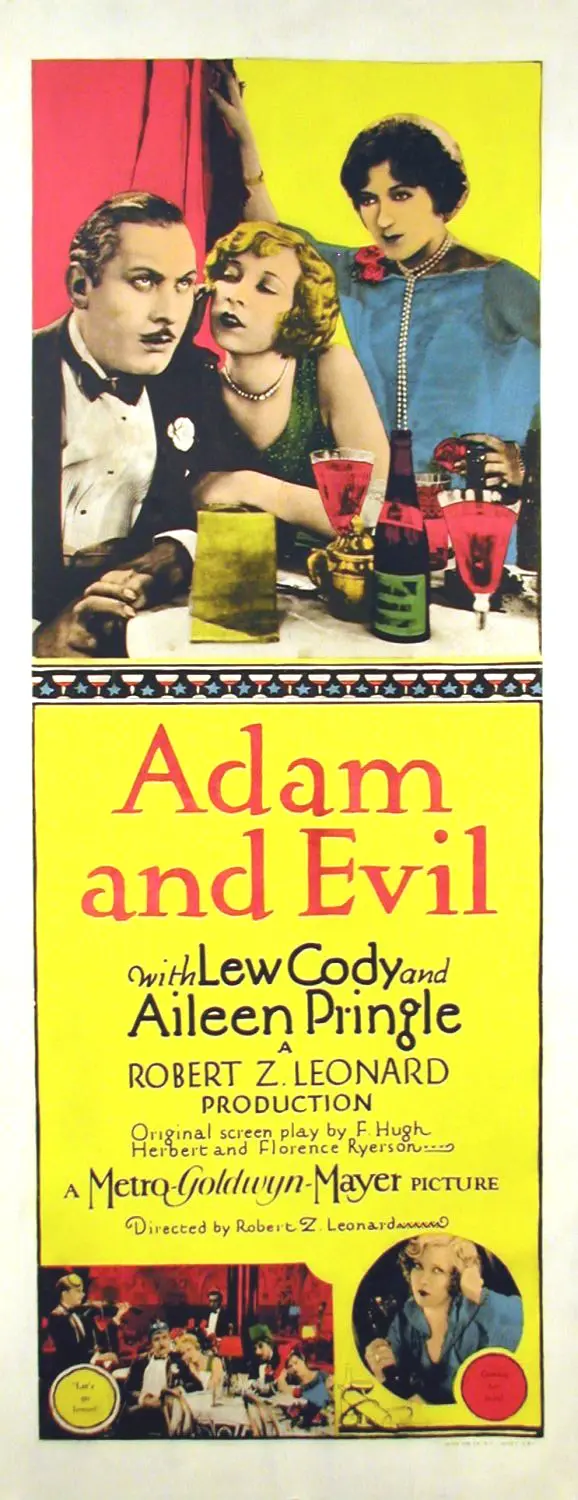
The writers, including F. Hugh Herbert and Florence Ryerson, use the 'evil' twin to poke holes in the pomposity of the upper class. The twin represents the unbridled id of the 1920s—drinking, flirting, and disregarding the 'proper' way to behave. When he impersonates Adam at a high-stakes dinner party, his 'eccentricities' are initially greeted with horror, then with a strange kind of admiration. It suggests that the elite are bored with their own perfection.
This thematic thread is similar to the class tensions explored in The Price of Pleasure. In both films, the intrusion of an outsider (or a perceived outsider) forces the protagonists to confront the emptiness of their daily routines. The 'evil' twin isn't just a villain; he is a mirror showing Adam how dull his life has become. It's a cynical take for a comedy, and it works beautifully.
The film’s biggest hurdle for modern audiences will be the title cards. They are frequent and occasionally verbose. However, Ralph Spence’s dialogue is punchy and often genuinely funny. He avoids the flowery prose of many silent dramas, opting instead for sharp retorts that wouldn't feel out of place in a pre-code talkie. The humor is observational.
The set design is another standout. The Treman estate is a labyrinth of doors and hallways, perfect for the hide-and-seek mechanics of the plot. The cinematography uses these spaces to create a sense of entrapment. Even when the brothers are in the same room, the camera placement ensures they feel worlds apart. It is a sophisticated use of space that mirrors the emotional distance between the siblings.
Pros:
- Exceptional technical work for 1927.
- Sharp, witty title cards that keep the comedy moving.
- Aileen Pringle provides a grounded, sophisticated counterpoint to the chaos.
- The film avoids the trap of making the 'good' twin too perfect.
Cons:
- The 'evil' twin's motivations are purely selfish, lacking a bit of depth.
- Some supporting characters feel like caricatures even by silent film standards.
- The final five minutes feel like they belong to a different, less interesting movie.
Adam and Evil is a fascinating relic that remains surprisingly playable. It lacks the haunting depth of An Alien Enemy, but it makes up for it with sheer charm and technical bravado. It is a film that understands the inherent comedy in our fear of being replaced. While it doesn't reinvent the wheel, it spins it with such confidence that you can't help but enjoy the ride. It’s a sharp, slightly mean-spirited comedy that proves the 'evil twin' was a winner long before it became a soap opera cliché. It works. But it’s flawed. And that’s exactly why it’s worth your time.
IMDb —
1923
Community
Log in to comment.