DbcultAccessing Vault...
Cult Review
Senior Film Conservator
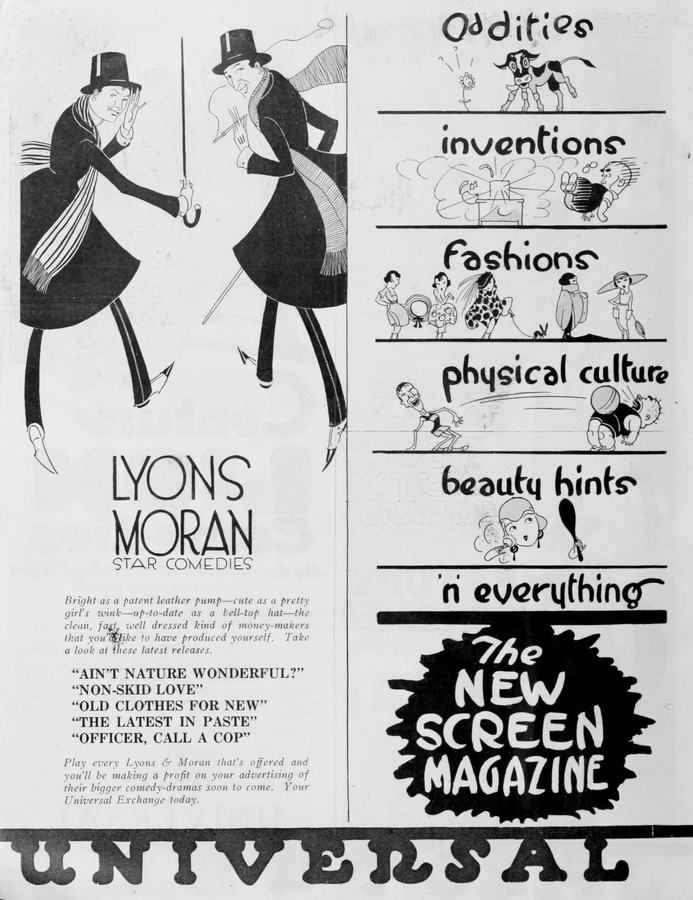
The cinematic endeavour 'Ain't Nature Wonderful?' presents a compelling narrative that delves into the intricacies of human relationships and the omnipresent influence of nature. With a cast including Charlotte Merriam, Eddie Lyons, Lee Moran, and Betty K. Peterson, the film navigates a complex emotional landscape, where the characters' experiences are as varied as the natural world that surrounds them. The screenplay, penned by Eddie Lyons and Lee Moran, offers a thoughtful exploration of human connections, weaving a story that is both deeply personal and universally relatable.
The film's thematic depth is reminiscent of works such as Men Met in the Mountains and The Beetle, where the human condition is placed under a microscope, revealing the intricacies and vulnerabilities that define us. Yet, 'Ain't Nature Wonderful?' carves out its own unique niche, distinct from other period dramas like The Perils of Divorce and The Vampires: The Poisoner, by its nuanced approach to character development and the interplay between human emotions and the natural world.
The character of Charlotte Merriam, for instance, embodies a resilience that is both inspiring and heartbreaking, her story arc a testament to the human spirit's capacity to endure and find solace in nature's beauty. Eddie Lyons and Lee Moran's performances bring a depth and authenticity to the narrative, their on-screen chemistry a highlight of the film. Meanwhile, Betty K. Peterson's character serves as a poignant reminder of the unpredictable nature of life and the ways in which human connections can both heal and harm.
The cinematography of 'Ain't Nature Wonderful?' is noteworthy, capturing the breathtaking beauty of the natural world while also highlighting its capacity for cruelty and indifference. This dichotomy is a recurring theme throughout the film, underscoring the complex relationship between humans and their environment. The use of sea blue tones in certain scenes effectively evokes a sense of melancholy and contemplation, while dark orange hues symbolize passion and resilience. Yellow accents are used sparingly, yet effectively, to represent hope and optimism, adding a layer of depth to the visual narrative.
In comparison to other films of the era, such as Der Märtyrer seines Herzens and Farkas, 'Ain't Nature Wonderful?' distinguishes itself through its thoughtful pacing and character-driven storytelling. The film's ability to balance light-hearted moments with deeper, more profound themes is a testament to the skill of its writers and the dedication of its cast. Even in the context of more modern works, the film's exploration of human nature and the natural world remains relevant, offering a unique perspective that sets it apart from films like America's Watch on the Rhine and The Greyhound.
The film's conclusion, much like the natural world it so beautifully portrays, is a poignant reminder of the cycle of life and the interconnectedness of all things. As the story of 'Ain't Nature Wonderful?' comes full circle, it leaves the viewer with a sense of contemplation, a reminder to appreciate the beauty and fragility of human connections and the natural world that surrounds us. In this sense, the film can be seen as a companion piece to works like Es werde Licht! 1. Teil and The Land of the Lost, each exploring different facets of the human experience and our place within the world.
Ultimately, 'Ain't Nature Wonderful?' is a film that will resonate with audiences on a deep, emotional level. Its thoughtful exploration of human nature, coupled with its stunning portrayal of the natural world, makes for a cinematic experience that is both captivating and unforgettable. For those who appreciate character-driven dramas and are looking for a film that will leave them pondering the complexities of the human condition, 'Ain't Nature Wonderful?' is a must-see. It stands alongside films like A Royal Romance, Der Richter von Zalamea, and Sister Against Sister as a testament to the power of storytelling in cinema, each offering a unique perspective on the human experience. And, much like The Other Man, it reminds us that, despite our differences, it is our shared humanity that binds us together, a theme that 'Ain't Nature Wonderful?' explores with grace, sensitivity, and a deep understanding of the complexities of the human heart.

IMDb 6.2
1934
Community
Log in to comment.