DbcultAccessing Vault...
4.9/10
Senior Film Conservator
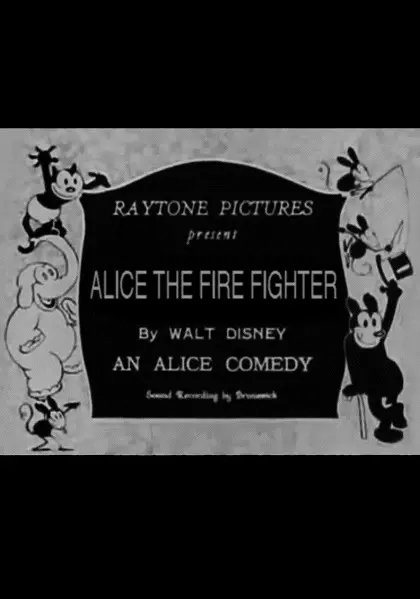
A definitive 4.9/10 rating for a film that redefined the boundaries of cult cinema. Alice the Fire Fighter remains a cornerstone of transgressive art.
Is Alice the Fire Fighter worth your time in the modern era? Short answer: yes, but only if you view it as a historical artifact rather than a coherent narrative experience.
This film is for animation completionists, silent film historians, and those who enjoy the 'uncanny valley' of early 20th-century media. It is definitely NOT for those seeking high-stakes drama or polished CGI spectacles.
This film works because it refuses to be grounded by the limitations of reality, using animation to execute gags that would be impossible in a pure live-action format.
This film fails because the integration between the live-action Alice and her animated surroundings is often clunky, even by the standards of 1925.
You should watch it if you want to witness the literal DNA of the Disney empire before Mickey Mouse was even a sketch in Walt's mind.
Yes, Alice the Fire Fighter is worth watching for its sheer audacity. It represents a time when filmmakers were still discovering what the camera could do. The film is short, punchy, and weird enough to keep a modern viewer engaged for its duration.
There is a specific kind of madness found in the Alice Comedies that vanished once Disney moved into the more 'precious' era of Snow White. In Alice the Fire Fighter, the logic is purely cartoonish. When a cat is trapped on a top floor, the solution isn't a ladder—it's a smoke cloud.
The fireman literally rides the smoke upward. This isn't just a gag; it's a fundamental misunderstanding of physics used for comedic effect. It reminds me of the visual trickery found in Sherlock Jr., though perhaps less technically refined.
The most disturbing, yet hilarious, moment occurs when the rescued cat is 'revived.' Instead of chest compressions, the fireman uses a rolling pin to squeeze the smoke out of her. It’s brutal. It’s weird. It works. But it’s flawed in its execution.
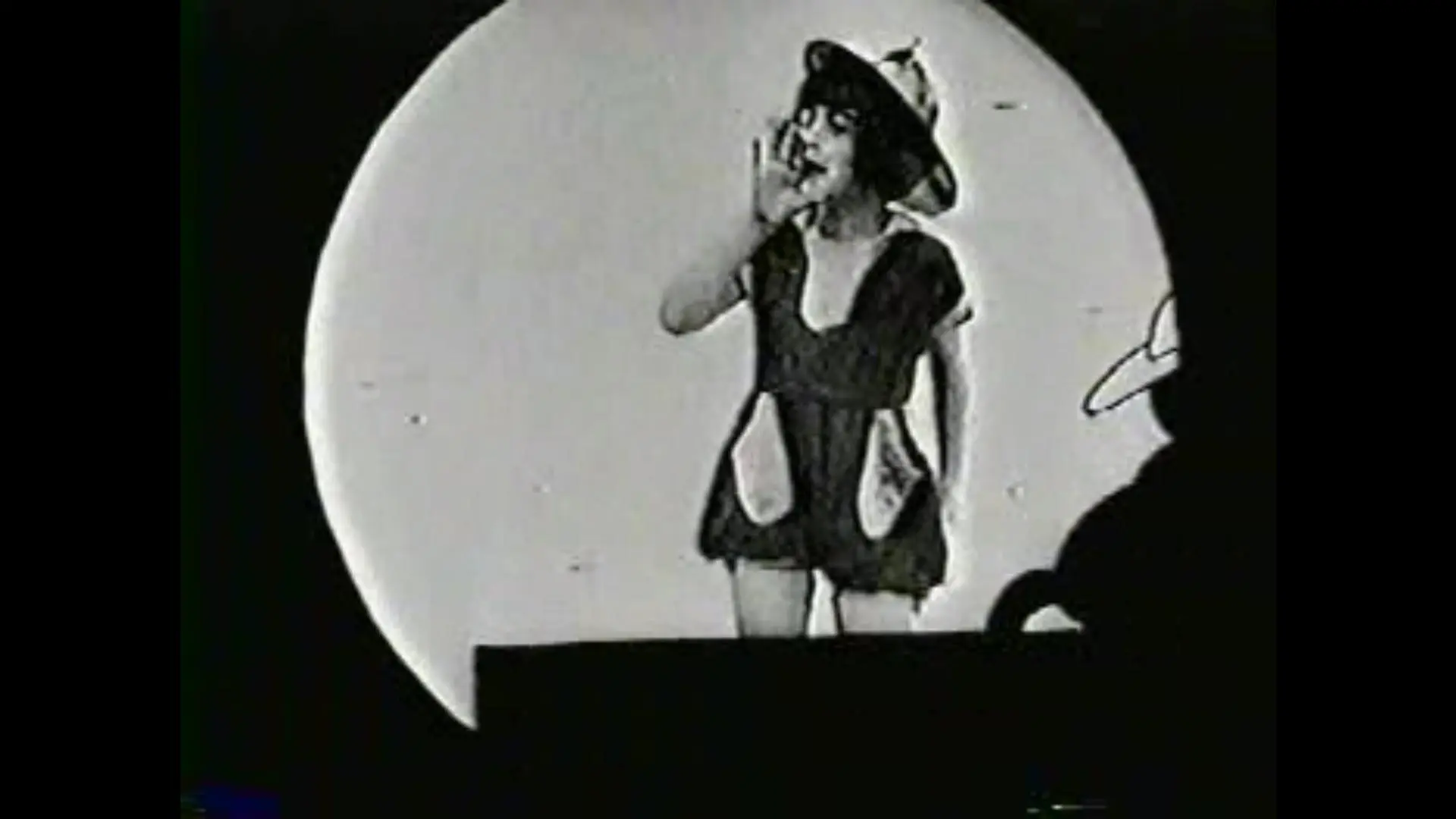
Margie Gay took over the role of Alice from Virginia Davis, and she brings a different energy to the part. While Davis was often wide-eyed and reactive, Gay feels more like a participant in the chaos. She commands her brigade of cats with a stoic intensity that is genuinely funny.
However, the 'Alice' character in this specific entry feels somewhat sidelined. The real stars are the Julius the Cat lookalikes. These characters were blatant rip-offs of Felix the Cat, a fact that modern viewers might find distracting if they know their animation history.
The way these cats move—stiff, repetitive, yet strangely fluid—defines the aesthetic of the 1920s. They operate as a hive mind, a sea of black-and-white ink that creates a sense of overwhelming scale during the fire scenes.
Watching this film in 4K or even a decent restoration reveals the 'seams' of early cinema. You can see the flickering of the matte lines where Margie Gay was inserted into the animated frame. To some, this is a distraction. To me, it is a badge of honor.
Compare the technical ambition here to something like The Kelly Gang. While that film relied on rugged realism, Alice the Fire Fighter leans into the impossible. The fire itself is rendered as flickering ink lines, more symbolic than literal.
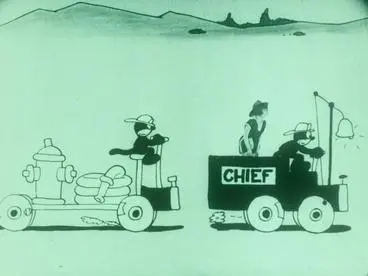
The pacing is relentless. There are no quiet moments. From the first spark at the hotel to the final romantic embrace, the film moves with the speed of a runaway train. This was necessary for the short-form format of the era, but it leaves little room for character development.
Let’s talk about that ending. The fireman uses a rolling pin on a female cat to save her life. In 2024, this looks like a scene from a Lynchian nightmare. In 1925, it was a 'button' for a comedy short.
This is my first debatable opinion: the ending of Alice the Fire Fighter is actually quite dark. The cat looks genuinely distressed before the rolling pin comes out. This 'slapstick violence' is a hallmark of the era, but here it feels particularly visceral because of the domestic nature of the tool used.
My second debatable opinion: the Julius the Cat clones are better characters than Alice herself. Alice is the hook, but the cats provide the soul of the film. Without the animated cats, this would just be a mediocre home movie of a child in a costume.
The tone of the film is one of manic desperation. The hotel guests are jumping out of windows with a casualness that suggests they do this every Tuesday. This lack of stakes is what makes the comedy work.
If the fire felt real, the jokes would fall flat. Because the fire is clearly just ink on a cell, we are allowed to laugh at the cats' failed attempts to extinguish it. It’s a tonal tightrope that Disney walked perfectly in these early years.
The cinematography—if you can call it that in a hybrid film—is static. The camera doesn't move. The action happens within the frame, which creates a stage-like atmosphere. This is similar to what we see in Davy Crockett (1910), showing how little the 'proscenium arch' mentality had changed in fifteen years.
"Alice the Fire Fighter is a fascinating, if slightly disturbing, relic. It shows a young Disney studio throwing everything at the wall to see what sticks. While not a masterpiece of storytelling, its visual inventiveness and sheer weirdness make it a vital watch for anyone interested in the evolution of the medium."
Ultimately, the film succeeds as a piece of experimental entertainment. It doesn't have the emotional depth of The Vow or the narrative complexity of Blind Chance, but it isn't trying to. It wants to show you a cat riding a cloud. And on that front, it delivers.
It is a loud, silent movie. It is a simple, complex piece of technical wizardry. It is a reminder that before the mouse, there was a girl, a cat, and a whole lot of fire.
IMDb —
1936
Community
Log in to comment.