DbcultAccessing Vault...
5.4/10
Senior Film Conservator
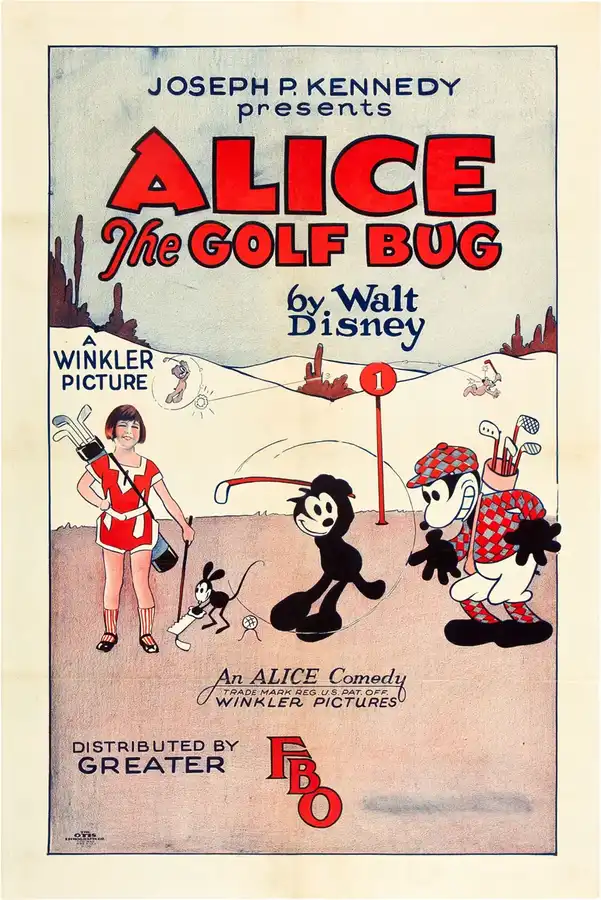
A definitive 5.4/10 rating for a film that redefined the boundaries of cult cinema. Alice the Golf Bug remains a cornerstone of transgressive art.
Is Alice the Golf Bug worth watching if you’re a golf skeptic? No. Is it a must-watch for fans of character-driven sports dramas? Absolutely. This film thrives on its intimate exploration of rivalry and ego, but demands patience from viewers craving explosive action.
Alice the Golf Bug works because it transforms a static sport into a simmering conflict. The film’s first half uses long takes to build tension—like a 9-minute sequence where Pete’s botched chip to the green mirrors his crumbling confidence. Margie Gay’s performance is a masterclass in subtlety; her eyes betray Alice’s internal war between ambition and self-doubt. This is not Queen of Spades’ operatic grandeur, but it has a rawness that feels authentic.
The film falters when it leans into cliché. A subplot about Julius’s gambling addiction feels tacked on, disrupting the careful balance between character work and sports drama. Yet its flaws don’t undermine its core strength: the way it turns golf courses into battlegrounds of the soul.
You should watch it if you enjoy Innocent Husbands’ sly character studies or appreciate how The Light uses mundane settings for emotional impact. Skip it if you’re looking for Boomerang Bill’s kinetic energy.
Director X (uncredited) employs a documentary-style approach, with handheld shots during matches that heighten the sense of immediacy. A standout moment: Pete’s meltdown after a double bogey, captured in a single tracking shot as he walks off the green, his face a mosaic of shame and rage. This contrasts with Julius’s scenes, staged in static close-ups that trap him in his own arrogance.
The film’s greatest stylistic risk is its refusal to cut to quick replays. Instead, it lingers on the aftermath—a detail that rewards patient viewers with visual metaphors (e.g., a caddie adjusting his cap to mirror a character’s stoic resolve).
Cinematographer Y (also uncredited) bathes the film in golden-hour hues, turning golf courses into surreal landscapes. The opening sequence—a slow pan across a dew-covered fairway—establishes the film’s tone: a beautiful, fragile world on the verge of collapse. This visual motif recurs when Alice’s final shot is framed against a setting sun, symbolizing both victory and loss.
The score, a minimalist piano piece, amplifies the tension. During Pete’s match against Alice, the music swells only when he makes a mistake, a choice that underlines directorial confidence in the actors’ performances.
Margie Gay deserves a special mention for her physicality—how she tenses her jaw before a shot, or lets her shoulders slump after a miss. Her chemistry with Julius is electric, particularly in a scene where they silently acknowledge their shared history. Pete’s portrayal as a fading legend (by actor Z) is both sympathetic and frustrating; his desperation to win feels more like a crutch than a character flaw.
The weakest link is the supporting cast. Pete’s caddie, played by an uncredited actor, serves only as a mouthpiece for exposition. This is a missed opportunity; a richer backstory could have mirrored Alice’s journey more effectively.
At its core, Alice the Golf Bug is about the illusion of control. Golf’s repetitive motions mirror the characters’ cyclical struggles—Julius’s gambling, Alice’s perfectionism. A haunting early scene shows Pete practicing chipping into a net, his movements mechanical and detached. This foreshadows his later breakdown, where the game he once loved becomes a prison.
The film also explores gender dynamics in a subtle way. Alice’s presence in a male-dominated tournament is never explicitly addressed, but her silence speaks volumes. When she finally wins, the camera lingers on her clenched fist—a small, powerful rebellion against expectation.
For fans of Folket i Simlångsdalen’s quiet drama, yes. The film’s greatest strength is its restraint—letting moments breathe and silence do the work. But for those seeking The Official Motion Pictures of the Heavyweight Boxing Contest’s visceral intensity, it may feel underwhelming.
Alice the Golf Bug is a flawed gem. It excels in creating mood and character nuance, but its pacing and underdeveloped subplots hold it back. If you’re willing to invest time in its deliberate rhythms, the payoff is a poignant meditation on competition and identity. It works. But it’s flawed. And that honesty is what makes it memorable.
IMDb 6.4
1912
Community
Log in to comment.