DbcultAccessing Vault...
6.6/10
Senior Film Conservator
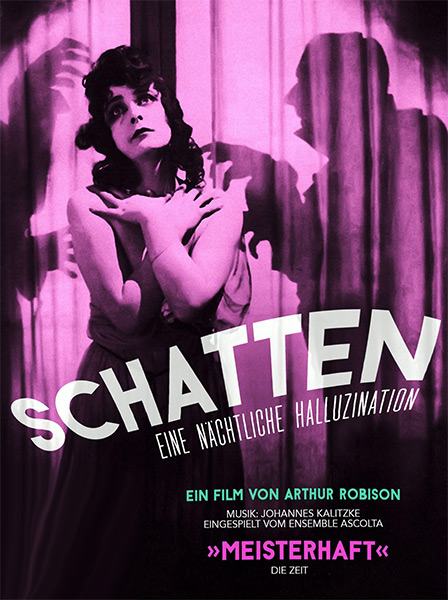
A definitive 6.6/10 rating for a film that redefined the boundaries of cult cinema. Warning Shadows remains a cornerstone of transgressive art.
The cinematic landscape of Warning Shadows is a labyrinthine exploration of the human condition, delving into the recesses of the psyche where desire, jealousy, and the primal urge for possession reside. Director Arthur Robison weaves a complex narrative that utilizes the metaphor of a puppet show to lay bare the innermost thoughts and desires of his characters, creating a sense of foreboding and tension that permeates every frame of the film.
The film's central plot device, the puppet show, serves as a catalyst for the unbridling of the characters' deepest desires, drawing parallels with the themes explored in A Gamble in Souls, where the stakes of desire and morality are equally high. As the story unfolds, the audience is drawn into a world where the boundaries between reality and the puppet show are increasingly blurred, leading to a descent into chaos and the unmasking of the true nature of the guests, reminiscent of the dramatic unraveling found in Die Kwannon von Okadera.
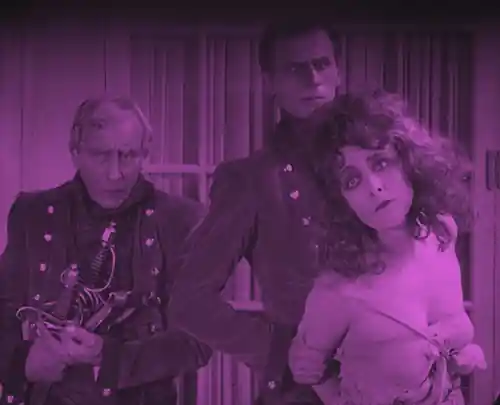
The cinematography, handled by a team of skilled cameramen, is noteworthy for its innovative use of lighting and shadows, creating a visually stunning and atmospheric backdrop against which the drama unfolds. The use of yellow and sea blue hues in certain scenes adds a touch of warmth and coolness, respectively, underscoring the emotional states of the characters. This masterful manipulation of color and light is a testament to the cinematic genius of Robison and his team, elevating the film to a work of art that transcends the boundaries of time and genre.
The performances of the cast, including Lilli Herder, Rudolf Klein-Rogge, and Fritz Kortner, are equally impressive, bringing depth and nuance to their characters. The way in which they embody their roles, conveying the complexity of emotions and desires through facial expressions and body language, is a testament to their skill as actors. This is particularly evident in the scenes where the characters' emotions reach a boiling point, and the tension between them becomes almost palpable, much like the intense confrontations seen in Smerch lyubovnyy.
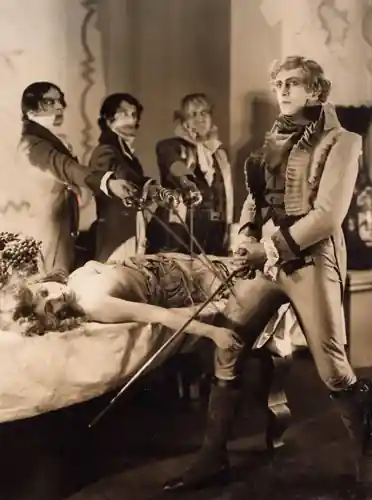
In terms of themes, Warning Shadows explores the darker aspects of human nature, laying bare the desires and impulses that lie beneath the surface of civilized society. This is a common thread in many films of the era, including Broadway Jones and Her Elephant Man, where the struggle between primal urges and societal expectations is a recurring motif. However, Robison's film stands out for its unflinching portrayal of these themes, creating a sense of unease and discomfort in the viewer that lingers long after the credits roll.
The influence of Warning Shadows can be seen in many later films that explore similar themes of desire, jealousy, and the human condition. For example, the dark and moody atmosphere of the film is reminiscent of Fortune's Mask, while the exploration of the complexities of human relationships is similar to While Satan Sleeps. This demonstrates the enduring influence of Robison's film, which continues to inspire and influence filmmakers to this day.
In conclusion, Warning Shadows is a masterpiece of cinematic storytelling, a film that delves deep into the human psyche and lays bare the darkest desires and impulses that lie within. With its innovative cinematography, powerful performances, and unflinching portrayal of the human condition, it is a must-see for anyone interested in the art of cinema. Whether you are a fan of silent films or simply looking for a thought-provoking and emotionally charged cinematic experience, Warning Shadows is a film that will leave you haunted and moved, its themes and images lingering in your mind like the faint whisper of a yellow leaf on an autumn breeze, or the soft lapping of sea blue waves against the shore.
For more films that explore the complexities of the human condition, consider watching The Invisible Power, The Belle of New York, La vergine folle, The Guilty Man, The Branded Soul, Little Comrade, The Delicious Little Devil, or Paris Green, each of which offers a unique perspective on the human experience.
IMDb 7
1932
Community
Log in to comment.