DbcultAccessing Vault...
Cult Review
Senior Film Conservator
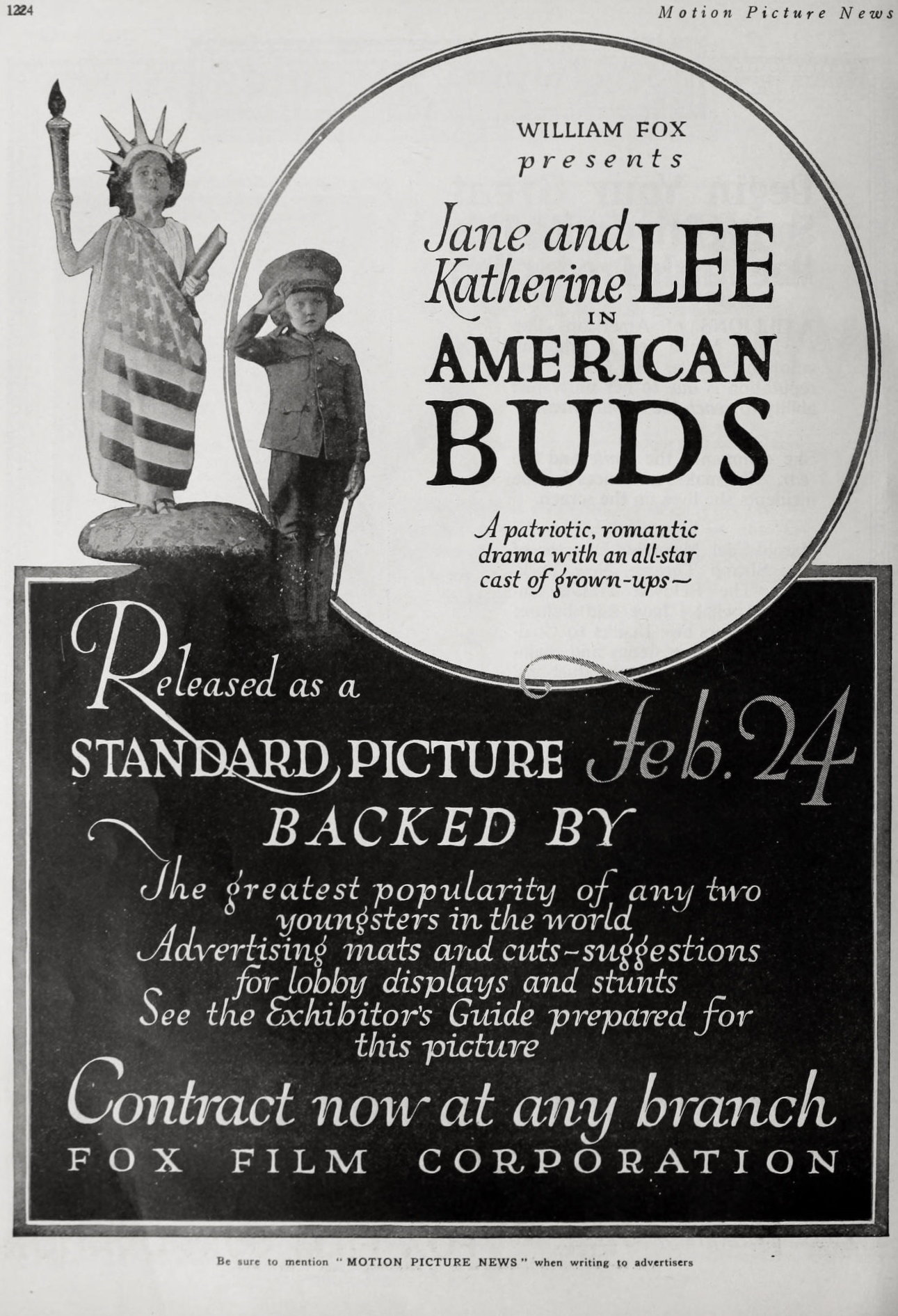
American Buds, a 1915 silent drama, unfolds as a labyrinthine tale of hidden parentage, wartime espionage, and the fragile bonds that tether family to destiny. The film’s narrative is propelled by a series of poignant letters—each inked by a mother long dead—unveiling a lineage that places the orphaned sisters Jane and Katherine at the crossroads of duty and longing.
The plot thickens when the sisters receive correspondence that implicates Capt. Bob Dutton as their father. The revelation is not merely a familial shock; it is a call to action from Colonel Harding, who demands that Dutton either acknowledge his progeny or relinquish his military post. This ultimatum forces Dutton into a crucible of conscience, confronting a past shrouded in secrecy and a future uncertain.
Cecile, Dutton’s fiancée and the colonel’s daughter, embodies the conflict between love and loyalty. When the truth surfaces, her resolve crumbles; she ends the engagement, unable to reconcile her affection for Dutton with the weight of his concealed history. This decision underscores the film’s exploration of how personal sacrifice intertwines with societal expectations.
Jane’s audacious theft of Dutton’s papers and her confrontation with Capt. Robert Duncan—Dutton’s rival and an Austrian agent—introduce a layer of espionage that heightens the drama. Duncan’s dying confession, that he is the true father of Jane and Katherine, adds a tragic twist: a man who once sought to betray the nation now reveals his paternal love, forcing the colonel to assume guardianship of the sisters. The resolution sees Dutton and Cecile mended, symbolizing the possibility of redemption after betrayal.
American Buds weaves a tapestry of themes that resonate beyond its silent era origins. Duty is portrayed not only as a military obligation but as a personal responsibility to protect and nurture. Identity is questioned through the sisters’ discovery of their true parentage, prompting them to redefine themselves beyond the labels assigned by society. Redemption is offered through the reconciliation of Dutton and Cecile, illustrating that past transgressions can be atoned for with honesty and mutual understanding.
The film’s cinematography relies heavily on expressive close‑ups and dramatic lighting to convey the internal turmoil of its characters. The use of chiaroscuro—high contrast between light and shadow—accentuates the moral ambiguity surrounding Dutton’s choices. Intertitles, though sparse, are strategically placed to enhance narrative clarity without disrupting the visual flow. The direction balances action with quiet introspection, allowing the audience to feel the weight of each decision.
Jane Lee and Katherine Lee deliver nuanced portrayals of sisters caught between innocence and the harsh realities of their world. Their subtle gestures and lingering glances convey a depth that transcends the limitations of silent cinema. Harry Southard, as Capt. Dutton, masterfully portrays a man torn between love and duty, while Maggie Weston’s Cecile exudes a quiet strength that underpins the film’s emotional core. William T. Hayes, Regina Quinn, Albert Gran, Leslie Austin, Lucille Southerwaite, and Nora Cecil each contribute to a rich ensemble that grounds the story in authenticity.
American Buds stands alongside contemporaries such as A Son of the Immortals and Riders of the Purple Sage, both of which explore themes of identity and honor. While those films lean more heavily into mythic heroism, American Buds offers a grounded, humanistic perspective. Its focus on familial bonds and personal sacrifice mirrors the moral inquiries found in The Daughter of the People and Glory, yet it remains distinct in its silent narrative style.
In an era where audiences crave authenticity, American Buds offers a timeless reminder that the human heart endures beyond the constraints of time and technology. The film’s exploration of identity and redemption remains relevant, especially when considering modern discussions about familial legacy and personal accountability. Its silent format invites viewers to engage more deeply with visual cues, fostering a heightened sense of empathy and observation.
American Buds is more than a relic of silent cinema; it is a compelling study of love, duty, and the enduring power of family. The film’s narrative complexity, combined with its evocative performances and thoughtful direction, renders it a must‑watch for aficionados of early film history and contemporary viewers alike. Whether you seek a cinematic journey through the past or a meditation on the universal themes that bind us, this 1915 masterpiece delivers with grace, poignancy, and an enduring sense of hope.
IMDb 6.8
1924
Community
Log in to comment.