DbcultAccessing Vault...
6.7/10
Senior Film Conservator
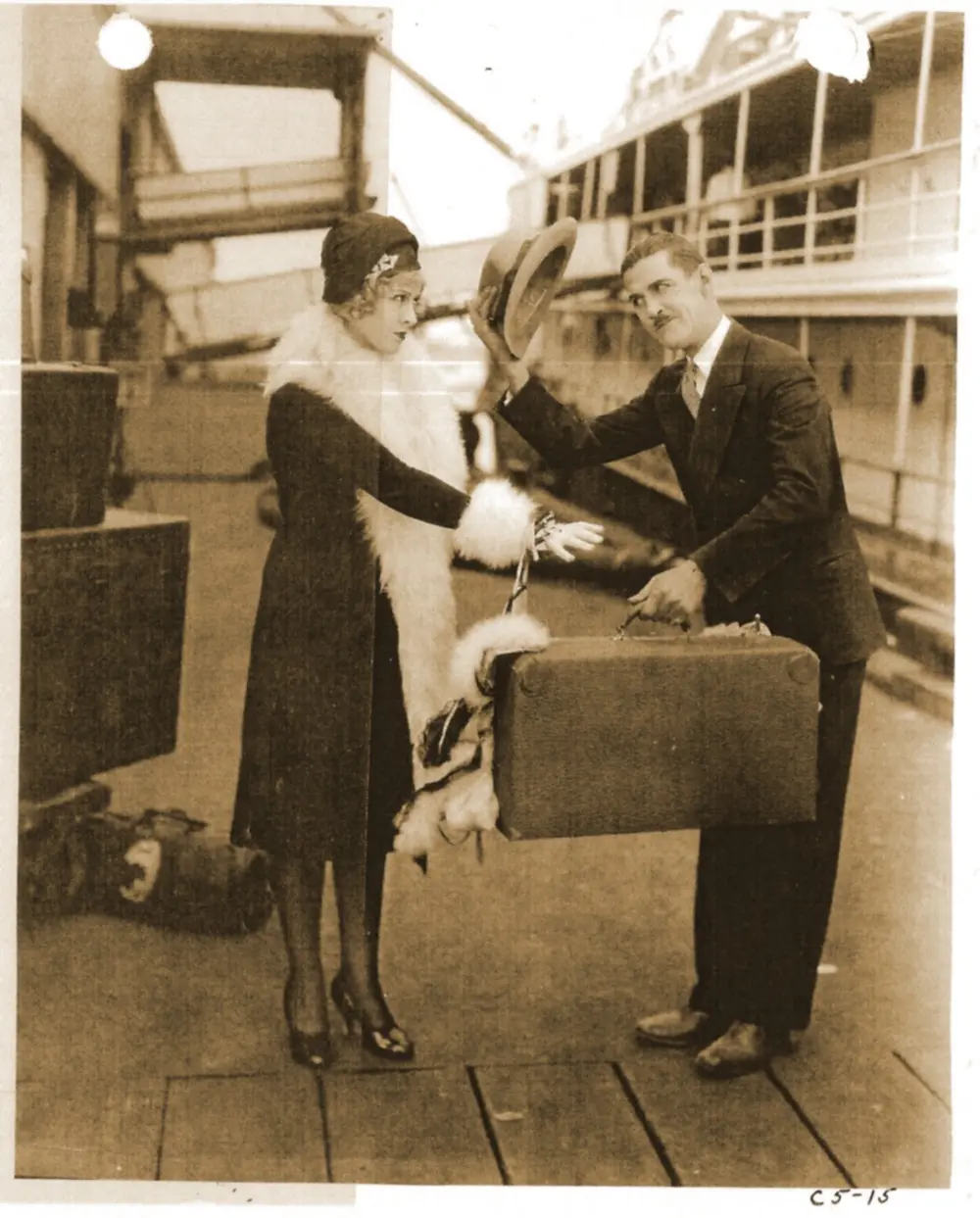
A definitive 6.7/10 rating for a film that redefined the boundaries of cult cinema. Never the Dames Shall Meet remains a cornerstone of transgressive art.
Is this film worth watching today? Short answer: Yes, but only if you appreciate the specific, high-wire tension of 1920s situational comedy. This film is for enthusiasts of the Hal Roach era who enjoy seeing a protagonist sweat through his collar; it is definitely not for those who demand modern pacing or sophisticated narrative twists.
Charley Chase was never the loudest comedian in the room, but he was often the most relatable. In 'Never the Dames Shall Meet', we see the quintessential Chase persona: a man desperately trying to keep his dignity while the universe conspires to strip it away. It’s a film that relies heavily on the audience's own social anxieties to land its punchlines.
1) This film works because it utilizes the architecture of social embarrassment better than almost any other short of its era.
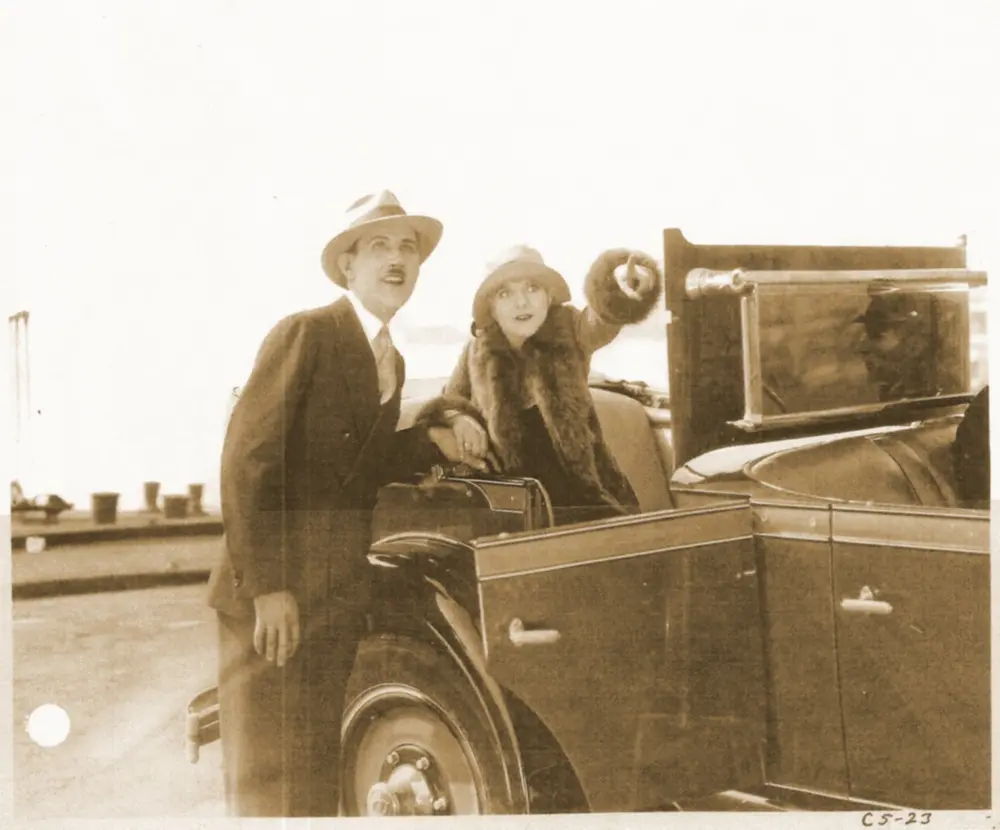
2) This film fails because the central misunderstanding is so easily solvable that it requires the protagonist to act with borderline clinical stupidity to keep the plot moving.
3) You should watch it if you want to see a masterclass in how to use body language and facial expressions to convey mounting panic without saying a single word.
Charley Chase brings a unique energy to this short. Unlike the chaotic energy found in Naughty Lions and Wild Men, Chase plays it straight. He is the 'glass of water' in a room full of fire. His performance is built on micro-expressions—the twitch of a mustache, the adjustment of a hat, the way he looks at the camera as if asking the audience for a way out.
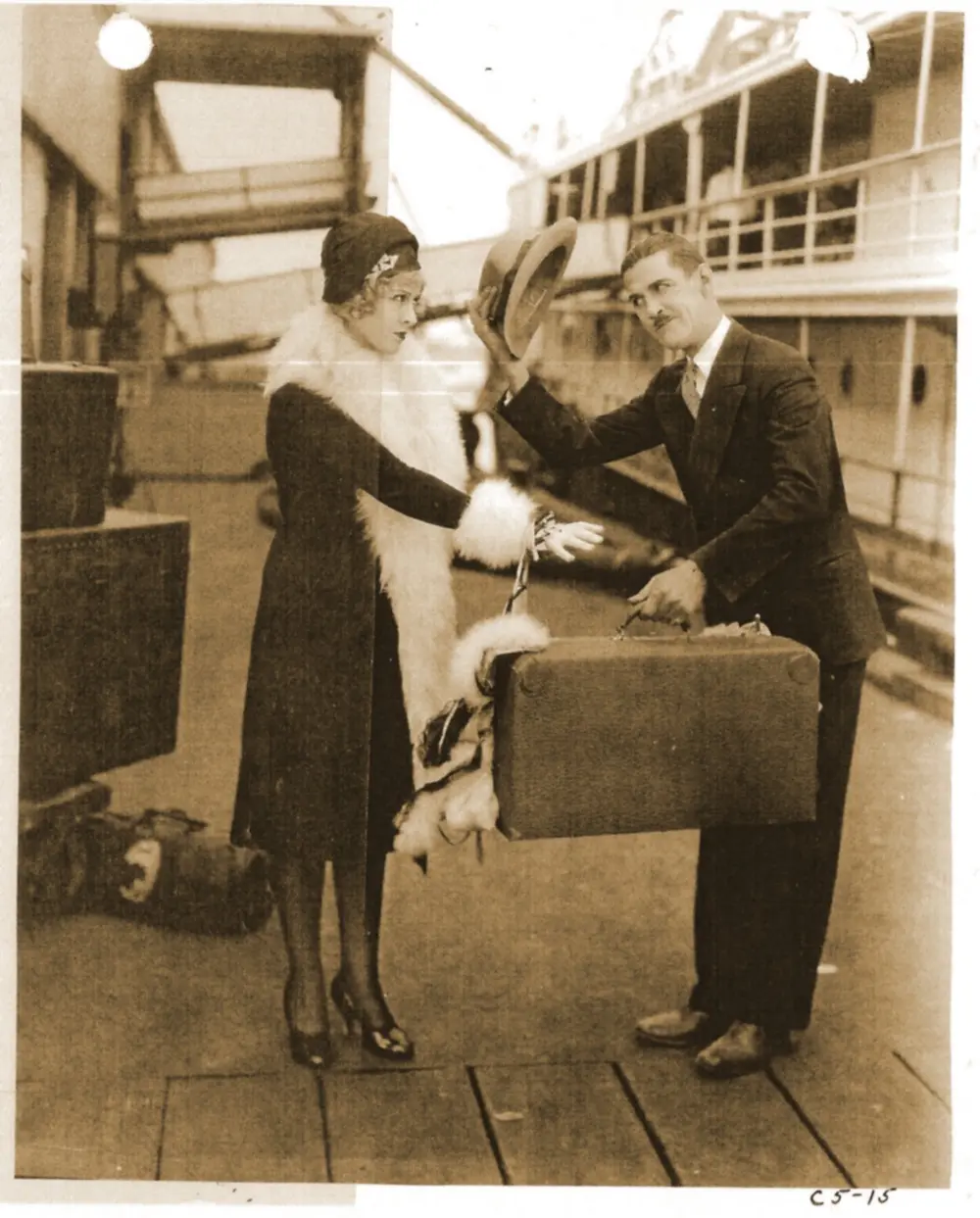
In the scene where he first realizes his mistake, the transition from smug confidence to cold terror is seamless. He doesn't fall down or do a double-take; he simply freezes. It’s a grounded approach to comedy that feels surprisingly modern. He isn't a cartoon; he's a guy who messed up. That distinction makes the stakes feel higher than your average pie-in-the-face reel.
The direction is invisible but effective. The film moves with a rhythmic precision that suggests a well-oiled machine. While it lacks the experimental flair of something like The Night Cry, it excels in its spatial awareness. Every room Charley enters feels like a trap. The camera placement emphasizes his isolation even when he is surrounded by people.
The pacing is relentless. Once the 'dame' enters the picture, the film refuses to let the audience catch their breath. It’s a crescendo of errors. One specific moment involving a staircase perfectly illustrates the film's use of vertical space to create tension. Charley is caught between the social obligation below and the impending doom above. It’s simple, but it’s effective.
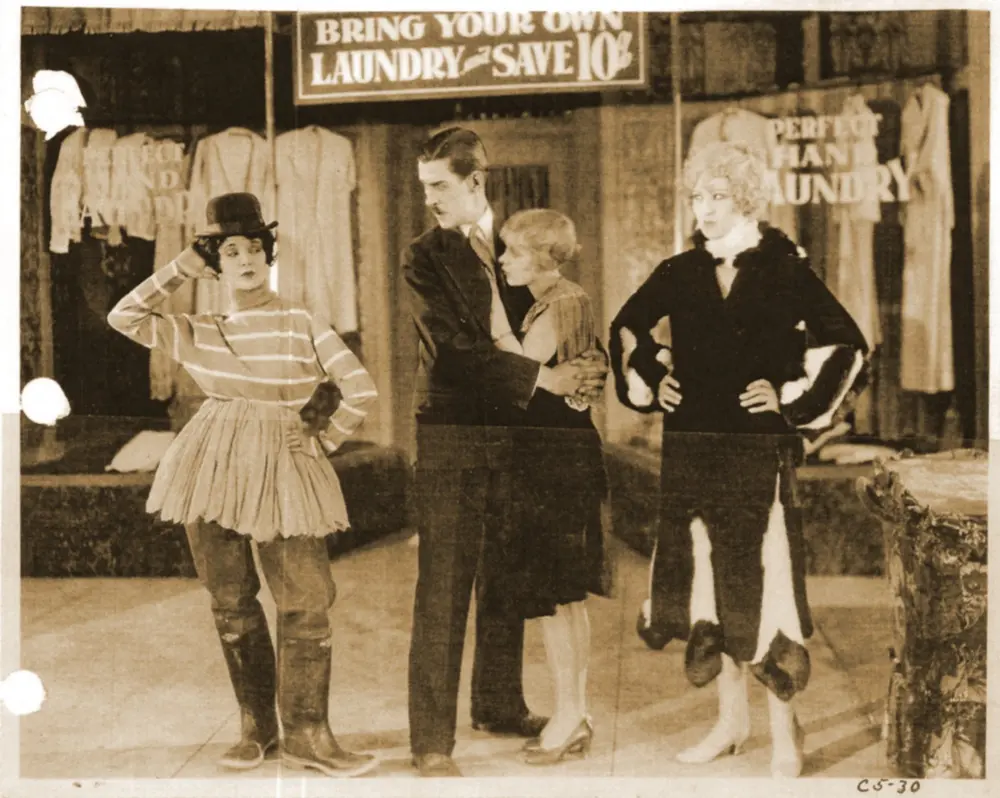
Anita Garvin is, as always, a force of nature. She provides the perfect foil to Chase’s neurotic energy. While Chase is all frantic movement, Garvin is a pillar of deadpan reaction. Her presence adds a layer of genuine threat to the comedy. You don't just laugh at Charley; you fear for him because Garvin makes the 'dame' feel like an immovable object.
Edna Marion also shines in her role, providing the necessary domestic anchor. The chemistry between the leads is what elevates this from a standard gag-fest to a legitimate situational comedy. Compare this to the ensemble work in A Full House, and you’ll see that 'Never the Dames Shall Meet' relies much more on individual character dynamics than group chaos.
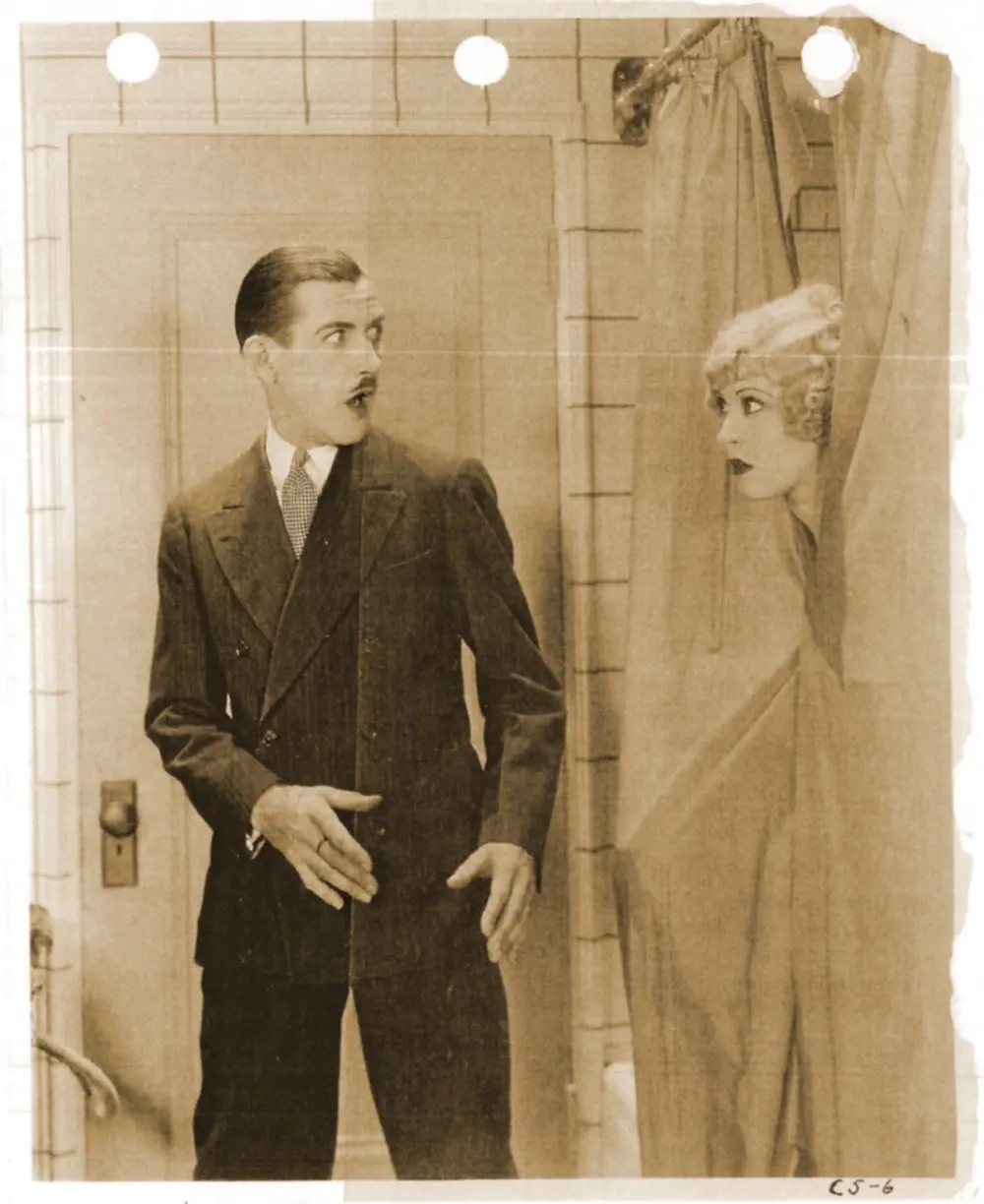
The cinematography here isn't trying to be art; it's trying to be a witness. The lighting is flat and functional, which actually works in the film's favor. It highlights the mundane reality of the setting, making the absurd situations feel more jarring. When Charley tries to hide behind a curtain that is clearly too small, the clarity of the shot makes the failure more visceral.
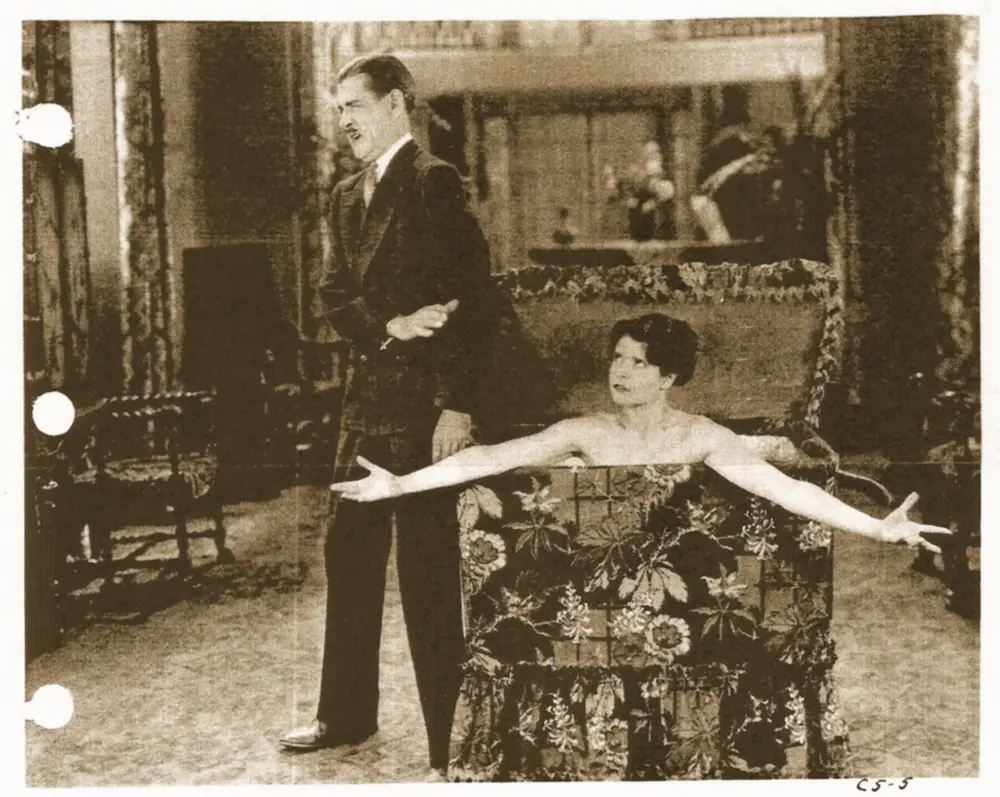
There is a brutal simplicity to the visual gags. One shot, where Charley is framed through a doorway looking like a hunted animal, tells you everything you need to know about his psychological state. It’s not 'visually stunning' in the traditional sense, but it is visually intelligent. It knows exactly where the audience needs to look to get the joke.
Does 'Never the Dames Shall Meet' hold up in the era of streaming and high-concept humor? The answer depends entirely on your tolerance for the 'comedy of errors' trope. If you find the spectacle of a man digging himself into a deeper hole funny, then this is a goldmine. If you find that kind of cringe-humor stressful, you might want to skip it.
However, as a historical document of Charley Chase’s peak years, it is essential viewing. It shows a comedian who understood that the funniest thing in the world isn't a man falling down—it's a man trying his hardest *not* to fall down. It’s a subtle distinction, but it’s what makes Chase a legend.
Pros:
Cons:
When looking at other films from the same period, such as The Hick or Single-Handed Sam, 'Never the Dames Shall Meet' stands out for its domestic focus. While many shorts of the 1920s were going for bigger stunts or more exotic locales, Chase stayed in the living room. He found the comedy in the mundane.
This film feels more grounded than Waifs or the melodrama of Shame. It’s a pure comedy, unburdened by the need to be a 'message movie' or a grand epic. It just wants to make you laugh at a guy who is having the worst day of his life. And in that, it succeeds brilliantly.
One surprising thing about this film is how much it relies on the audience's knowledge of 1920s social etiquette. The horror Charley feels isn't just about getting caught; it's about the breach of decorum. In a modern context, we might just say 'Oops, wrong person,' but in 1927, this was a life-ending scandal. That cultural gap actually adds a layer of surrealism to the film that makes it even funnier today.
Charley Chase proves that silence isn't just the absence of sound; it's the presence of perfect timing.
'Never the Dames Shall Meet' is a sharp, sweaty, and ultimately satisfying slice of silent comedy. It works. But it’s flawed. The logic is thin, but the performance is thick with talent. If you want to understand why Charley Chase was a star, this is where you start. It’s a domestic thriller disguised as a comedy, and it remains a testament to the power of a well-placed nervous grin.
IMDb —
1922
Community
Log in to comment.