DbcultAccessing Vault...
6.2/10
Senior Film Conservator
A definitive 6.2/10 rating for a film that redefined the boundaries of cult cinema. An Innocent Magdalene remains a cornerstone of transgressive art.
In the annals of early cinema, few figures command the same reverence and fascination as Lillian Gish, a performer whose ethereal grace and profound emotional depth transcended the technological limitations of the silent screen. Her portrayal of Dorothy Raleigh in 'An Innocent Magdalene' is a masterclass in nuanced acting, a testament to her unique ability to imbue even the most melodramatic narratives with a searing authenticity. This 1916 production, penned by the legendary D.W. Griffith and Roy Somerville, unfolds as a poignant exploration of societal hypocrisy, the crushing weight of judgment, and the redemptive power of unwavering love, all filtered through the expressive lens of Gish's captivating performance.
The film introduces us to Dorothy as a quintessential Southern belle, albeit one living in a gilded cage. Her father, the formidable Colonel Raleigh, a character carved from the granite of unreconstructed Kentuckian pride, has fostered an isolated existence for his daughter. This deliberate sequestration, a rebellion against the perceived vulgarity of Norwalk's townsfolk, leaves Dorothy with only the company of loyal African American servants, a menagerie of pets, and the vast worlds contained within her books. This initial setup is crucial; it establishes Dorothy's profound naiveté and her romanticized view of the world, making her subsequent plunge into harsh reality all the more impactful. Gish, with her delicate features and expressive eyes, perfectly embodies this cloistered innocence, hinting at a vibrant spirit yearning for release.
The catalyst for change arrives in the form of Forbes Stewart, a millionaire gambler whose magnetic charm proves irresistible to Dorothy's sheltered heart. Their courtship is whirlwind, a passionate defiance of the Colonel's rigid conventions. Stewart, a man of wealth and questionable repute, represents everything the Colonel despises, yet everything Dorothy, in her youthful idealism, finds alluring. Their elopement is not merely an act of rebellion but a leap of faith into an unknown future, a theme often revisited in cinema of this era, echoing the dramatic escapes seen in works like The Night Riders of Petersham, where individuals break free from oppressive societal structures. However, unlike the clear-cut heroism of some cinematic rebels, Stewart's past is a shadow that looms large.
Dorothy's disillusionment is swift and brutal. The glittering façade of Stewart's world crumbles to reveal a coterie of unsavory companions, a stark contrast to the genteel world she envisioned. This moment is pivotal, marking Dorothy's painful awakening to the complexities and compromises of adult life. Stewart, genuinely smitten and recognizing her distress, makes a sincere effort to reform, vowing to abandon his old ways and friends for her happiness. This willingness to change, to strive for a better self, is a powerful indicator of his love and a departure from the more static characterizations often found in earlier melodramas. Robert Anderson, as Forbes Stewart, manages to convey this inner conflict and burgeoning integrity with commendable subtlety, making his character's subsequent trials all the more sympathetic.
The narrative takes a dark turn with the introduction of a blackmailing detective, a figure who embodies the insidious nature of past transgressions. Stewart's defiance of this nefarious individual leads directly to his arrest and a year-long penitentiary sentence. This plot point, while serving as a dramatic engine, also subtly critiques the unforgiving nature of the legal system and the societal propensity to condemn without full understanding. It places Stewart in a position of vulnerability, stripping him of his wealth and status, forcing him to confront his past in the most severe manner. Films like The Juggernaut and Vengeance Is Mine! often explored similar themes of justice, retribution, and the overwhelming forces that can derail individual lives, though perhaps with less focus on the domestic fallout.
Dorothy's initial loyalty to Stewart is admirable, a testament to her enduring love despite the hardships. However, this loyalty is tragically tested by the malevolent machinations of an old flame of Stewart's. This 'other woman' trope, a common device in silent era narratives, is deployed here with devastating effect. She infiltrates Dorothy's home, presenting fabricated evidence of an earlier marriage, effectively shattering Dorothy's perception of her husband and her own marital legitimacy. This cruel deception forces Dorothy back to her father's estate, a prodigal daughter seeking solace. Yet, the Colonel, still seething from her elopement and blinded by pride, disowns her, casting her out into a world utterly unprepared for her. This rejection by her own kin is a particularly heartbreaking moment, underscoring the rigid moral codes and societal intolerance of the period. One might draw parallels to the social ostracism seen in Woman Against Woman; or, Rescued in the Clouds, where female characters face intense scrutiny and judgment.
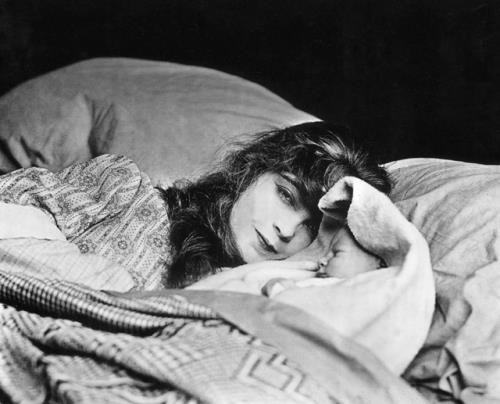
Compelled to seek refuge in a humble cabin with only her old 'mammy' for companionship, Dorothy's journey descends into profound despair. The villagers, eager to witness the proud Raleigh name dragged through the mud, heap scorn and derision upon her. Her belief that her baby is illegitimate, fueled by the manipulative 'other woman' and the pervasive societal judgment, pushes her to the brink of self-destruction. This depiction of a woman ostracized and contemplating suicide is remarkably stark for its time, highlighting the devastating consequences of societal condemnation. Lillian Gish's portrayal of this anguish is utterly devastating; her fragile physicality and profound sorrow convey the depths of Dorothy's suffering with an intensity that transcends words, cementing her status as a master of emotional expression.
Meanwhile, Stewart's release from prison ignites a furious search for his wife. His discovery of the 'other woman' in his home, still attempting to ensnare him, leads to a swift and righteous repudiation. This moment of clarity and decisive action showcases Stewart's moral growth, proving his commitment to Dorothy. His subsequent confrontation with the Colonel, who stubbornly refuses to reveal Dorothy's whereabouts, underscores the Colonel's continued pride and unforgiveness. It is through the loyalty of an old servant that Stewart finally uncovers the truth of Dorothy's suffering, setting the stage for a dramatic and much-needed reunion.
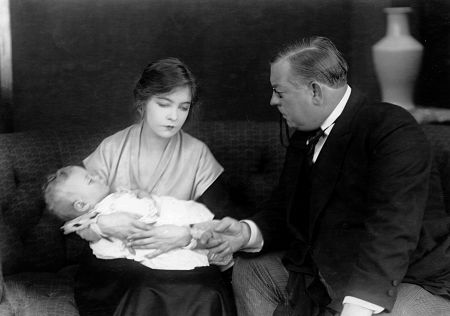
The climax of 'An Innocent Magdalene' is a powerful convergence of desperation and deliverance. Stewart arrives just as Dorothy, overwhelmed by her perceived shame and the relentless cruelty of the world, is on the verge of taking her own life. His timely intervention, the revelation of the truth, and the subsequent reunion of the lovers are profoundly cathartic. This resolution is not merely a happy ending but a redemptive one, a testament to the enduring power of love and truth to overcome deceit and despair. The film, in its final moments, also grants the Colonel a change of heart, a softening of his rigid pride in the face of his daughter's profound suffering and the undeniable truth. This transformation, while perhaps a touch melodramatic, provides a satisfying emotional closure, suggesting that even the most hardened hearts can be touched by genuine love and forgiveness. This journey of self-discovery and familial reconciliation can be seen in other films of the period, such as Cohen's Luck, though often with a comedic rather than dramatic bent.
While D.W. Griffith is credited as a writer alongside Roy Somerville, his thematic fingerprints are undeniably all over 'An Innocent Magdalene'. Griffith, a master of melodrama and a pioneer of cinematic storytelling, frequently explored themes of innocence imperiled, the vulnerability of women in a patriarchal society, and the stark contrast between individual virtue and societal vice. His narratives often featured heroines who, like Dorothy, faced immense suffering and public scorn before ultimately achieving redemption or vindication. The film's portrayal of the judgmental townspeople and the rigid social codes of the South resonates with the moralistic undertones present in much of Griffith's oeuvre, albeit without the broader historical or racial complexities of his more controversial works. The way Dorothy is branded as a 'fallen woman' and ostracized by her community echoes the societal pressures faced by characters in films like The Making of Maddalena, where a woman's reputation is everything.
The technical aspects, typical of a film from this era, showcase an evolving cinematic language. While not as overtly experimental as some of Griffith's larger productions, the film likely employed close-ups to capture Gish's nuanced expressions, cross-cutting to build suspense during Stewart's search, and tableau framing to emphasize emotional states. The pacing, though slower by modern standards, allowed audiences to fully immerse themselves in the emotional journey of the characters, a hallmark of silent storytelling. The reliance on visual storytelling, body language, and intertitles meant that every gesture and facial expression had to convey a wealth of meaning, a challenge Gish met with unparalleled artistry.
The supporting cast, while overshadowed by Gish's luminous presence, provides solid performances. Spottiswoode Aitken as Colonel Raleigh perfectly embodies the stern, unyielding patriarch, his eventual softening a crucial emotional pivot. Jennie Lee, as the old mammy, offers a portrayal of unwavering loyalty and maternal comfort, a familiar and often comforting figure in films depicting the Southern experience. Sam De Grasse, as the villainous detective, and Mary Alden, as the manipulative 'other woman,' effectively serve their roles in driving the conflict and testing the protagonists' resolve. Their performances, while perhaps less complex, are essential cogs in the melodramatic machinery of the plot, creating the necessary obstacles for our heroes to overcome.
Ultimately, 'An Innocent Magdalene' stands as more than just a historical artifact; it is a compelling human drama that resonates with timeless themes. It speaks to the destructive power of judgment, the fragility of reputation, and the enduring strength of the human spirit in the face of adversity. Lillian Gish's performance remains the film's beating heart, a beacon of emotional truth that elevates the melodrama into something profoundly moving. Her ability to convey innocence, despair, and ultimately, a quiet resilience, is what makes Dorothy Raleigh a character who lingers in the memory long after the final fade-out. The film, in its exploration of a woman's journey through societal condemnation and personal hardship, offers a powerful, albeit romanticized, vision of redemption. It reminds us that even in the darkest moments, love and truth can prevail, fostering forgiveness and ultimately, a satisfying sense of justice. Much like the dramatic revelations in The Pursuing Shadow, where secrets are unraveled, 'An Innocent Magdalene' provides a powerful resolution to its intricate web of deceit and misunderstanding.
For enthusiasts of silent cinema, and particularly for those who appreciate the artistry of Lillian Gish, 'An Innocent Magdalene' is an essential viewing. It offers a window into the narrative conventions and moral sensibilities of its era, while simultaneously showcasing the timeless power of compelling storytelling and unforgettable performances. It's a testament to how early filmmakers could craft narratives that, despite their age, continue to stir the emotions and provoke thought about the human condition, societal pressures, and the unwavering pursuit of happiness and acceptance. The film's conclusion, with its powerful reconciliation, leaves the audience with a sense of hope and the belief in second chances, a narrative thread that continues to captivate audiences across generations, much like the enduring appeal of classics such as Rose of the South, which similarly explores themes of Southern identity and personal trials. The careful construction of the plot, allowing for both the depths of despair and the heights of triumph, ensures that the audience remains invested in Dorothy's plight and Stewart's quest, culminating in a deeply satisfying emotional payoff.

IMDb 5.9
1931
Community
Log in to comment.