DbcultAccessing Vault...
Cult Review
Senior Film Conservator
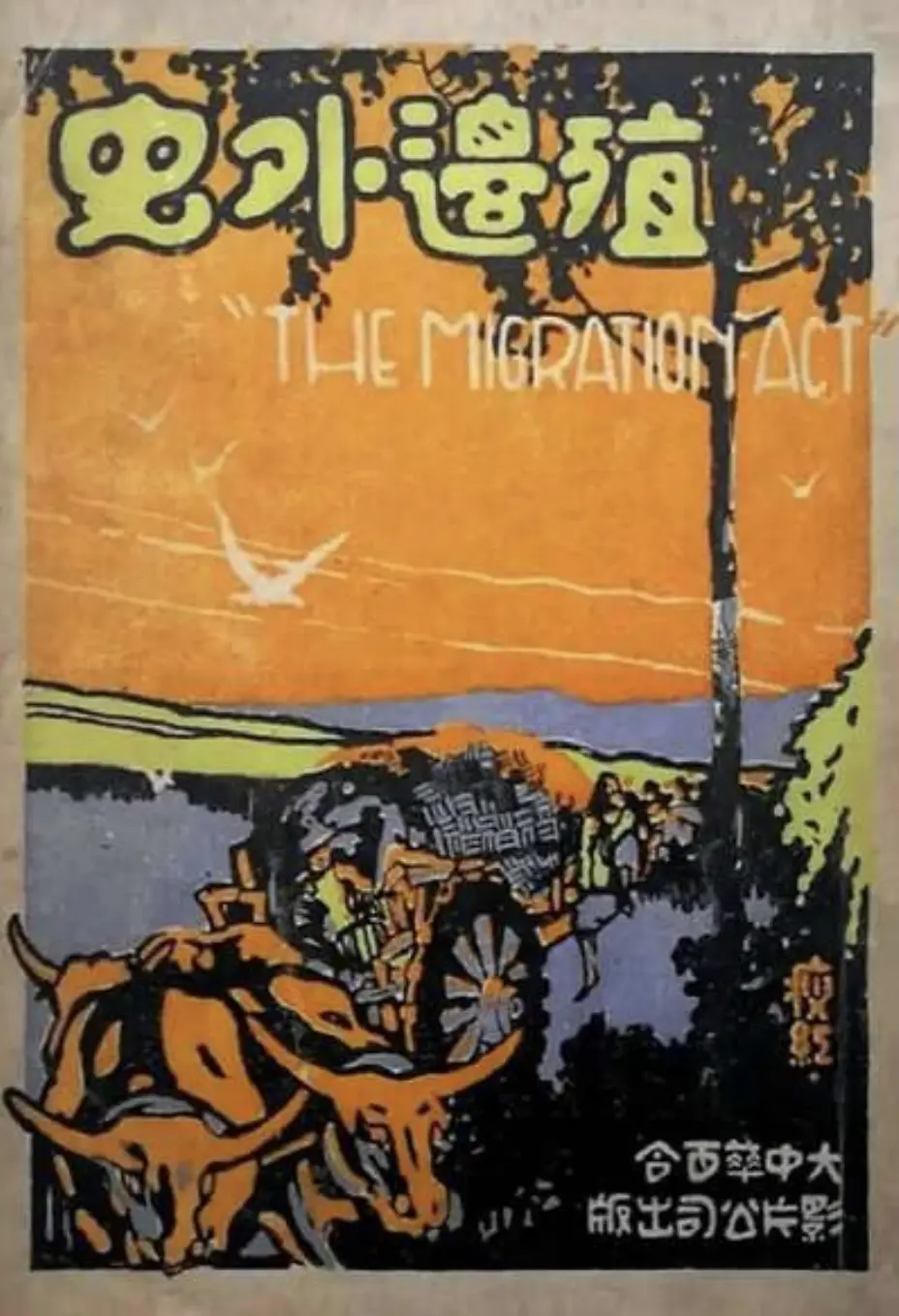
Is 'An Untold Tale of the Borderlands' a forgotten gem worth unearthing today? Short answer: for dedicated cinephiles, historians of early Chinese cinema, and those fascinated by the power of fragmented storytelling, absolutely, but for casual viewers seeking a polished, complete narrative, perhaps not. This partially-extant silent film offers a rare, haunting window into a specific cultural and historical moment, demanding patience but rewarding deeply.
It is a film for those who appreciate the raw, unfiltered emotionality of early cinema and the profound implications of a story told through absence as much as presence. It is decidedly not for audiences accustomed to modern pacing, explicit dialogue, or pristine resolutions.
'An Untold Tale of the Borderlands' plunges us into the harsh realities of rural China in the early 20th century, a world far removed from the romanticized visions often presented in later cinema. The film, even in its incomplete state, masterfully crafts a narrative of love, betrayal, and desperation that feels deeply authentic. Its focus on the plight of common people, caught in the unforgiving currents of tradition and societal change, lends it a gravitas that transcends its age.
The story centers on Wang Guisheng, an orphan toiling as a farmhand, and his cousin, Li Ah Zhen, whose innocent childhood affection evolves into an unspoken promise of marriage. Their bond is the emotional anchor, a fragile beacon against the encroaching darkness of their circumstances. This isn't a tale of grand heroes, but of ordinary individuals struggling for survival and dignity.
The film's dramatic turns, particularly the introduction of the 'evil stepmother' trope, might seem conventional, yet they are rendered with a stark effectiveness that amplifies the tragedy. The forced separation of Guisheng and Ah Zhen, driven by venal greed and patriarchal control, is palpably agonizing, a testament to the power of silent acting.
This film works because of its unflinching depiction of human suffering and resilience, its compelling, if tragic, central romance, and the profound historical insight it offers into a rarely seen period of Chinese society. It fails because of its incomplete nature, which leaves crucial plot points unresolved, potentially frustrating viewers seeking narrative closure. You should watch it if you are a dedicated film historian, a student of silent cinema, or someone who appreciates the unique aesthetic and emotional impact of a film preserved through fragments.
In a silent film, the burden of storytelling falls squarely on the shoulders of its actors, and the cast of 'An Untold Tale of the Borderlands' largely rises to the challenge. Wang Yuanlong, who also wrote and potentially directed, embodies Wang Guisheng with a raw, earnest vulnerability. His expressions of quiet despair and desperate hope are remarkably articulate, conveying the character's inner turmoil without a single spoken word. One particular scene, depicting his silent resignation as he signs up for the borderlands settlement, speaks volumes about his shattered spirit and the futility of his situation.
Li Minghui, as Li Ah Zhen, is equally compelling. Her portrayal of a young woman caught between love and an unyielding fate is heartbreaking. The subtlety in her expressions—the flicker of hope, the dawning realization of her predicament, and the eventual succumb to illness—creates a deeply empathetic character. The scene where she learns of her impending forced marriage, conveyed through a series of increasingly frantic gestures and a haunted gaze, is a masterclass in silent melodrama. Her performance elevates the film beyond simple tragedy, imbuing it with a sense of profound personal loss.
While the supporting cast, particularly the villainous stepmother, leans into broader, more theatrical gestures typical of the era, their performances serve the narrative's melodramatic intentions effectively. The stark contrast between their exaggerated villainy and the protagonists' nuanced suffering amplifies the emotional stakes.
Given the film's age and its partially extant status, a comprehensive analysis of its direction and cinematography is challenging. However, what remains suggests a keen eye for visual storytelling and atmosphere. The framing often emphasizes the isolation and vulnerability of the characters against the backdrop of the vast, unforgiving rural landscape. Shots of the village, though perhaps technically unsophisticated by modern standards, convey a palpable sense of community and the oppressive weight of tradition.
The use of close-ups on the actors' faces is particularly effective, drawing the audience into their emotional states. This isn't the grand, sweeping epic of some contemporaneous Westerns; it's an intimate, almost claustrophobic portrayal of personal struggle. The director, presumably Wang Yuanlong, understood the power of the human face as the primary canvas for emotion in a silent medium. The visual language, though simple, is direct and impactful, conveying narrative beats and character arcs with clarity.
The film's lighting, where discernible, appears naturalistic, grounding the melodrama in a sense of harsh reality. There are no elaborate set pieces or dazzling camera movements; the focus is squarely on the human drama unfolding. This stripped-down approach, far from being a weakness, enhances the film's raw, documentary-like quality, making the characters' struggles feel more immediate and authentic. It's a stark contrast to the more stylized German Expressionism seen in films like Der Millionenonkel, favoring a more grounded, realist aesthetic.
The pacing of 'An Untold Tale of the Borderlands' is deliberate, allowing the emotional weight of each scene to fully land. This measured rhythm, characteristic of many silent films, might feel slow to contemporary audiences, but it is essential for building empathy and understanding the characters' difficult choices. The narrative unfolds with a tragic inevitability, each event pushing Guisheng and Ah Zhen further into despair.
The tone is undeniably melodramatic, a stylistic choice that was prevalent and highly effective in early cinema. However, unlike some overly theatrical melodramas of its time, this film uses its emotional heightenedness to reflect the extreme hardships faced by its characters. The villainy is stark, the suffering profound, and the injustices are clear. This isn't the lighthearted romp of something like Lucky Stars; it plunges into the bleak realities with an intensity that echoes the societal critiques found in films like
The film's central mystery — the double death on the wedding night — is a stroke of narrative brilliance. It transforms a straightforward tragedy into a haunting enigma, leaving a lasting impression long after the screen fades. This unresolved horror elevates the film beyond mere period drama, injecting it with a timeless, almost mythic quality of unanswered questions and profound injustice.
One of the most striking, and perhaps unconventional, aspects of 'An Untold Tale of the Borderlands' is its very incompleteness. The fact that crucial reels are missing, leaving the climactic events shrouded in mystery, paradoxically enhances its impact. Instead of providing neat closure, the film forces the viewer to confront the brutal ambiguity of life and the limitations of historical preservation. The fragmented nature transforms it from a mere story into a historical artifact imbued with a sense of lost time and untold narratives.
This isn't a flaw to be lamented, but a feature to be embraced. The missing pieces invite speculation, discussion, and a deeper engagement with the film's themes. What truly happened to Ah Zhen and her groom? Was it suicide, murder, or a desperate act of self-preservation? The film's silence on this point is louder than any explicit explanation could have been, leaving a profoundly unsettling and memorable impression. It is a glimpse. A painful one.
Yes, 'An Untold Tale of the Borderlands' is absolutely worth watching, but with specific caveats. It is a vital piece of cinematic history, offering a rare window into early 20th-century Chinese filmmaking and rural life. Its emotional core is potent, and the performances are compelling despite the limitations of the silent era. It works. But it’s flawed. The fragmented narrative, while adding a unique mystique, will not satisfy those seeking conventional storytelling. Prepare for a raw, challenging, and ultimately rewarding experience.
'An Untold Tale of the Borderlands' is more than just a silent film; it is a precious historical document and a testament to the enduring power of human drama. While its fragmented nature presents a challenge, it also offers a unique opportunity for viewers to engage with cinema as an archaeological act, piecing together meaning from what remains. Its raw emotionality, compelling performances, and stark portrayal of societal injustice resonate profoundly, transcending the barriers of time and language. It's not an easy watch, nor is it a conventionally satisfying one, but it is undeniably important. For those willing to embrace its imperfections and delve into its rich historical context, this film offers a deeply moving and thought-provoking experience that lingers long after the final, ambiguous frame.
IMDb 7.5
1928
Community
Log in to comment.