DbcultAccessing Vault...
5.8/10
Senior Film Conservator
A definitive 5.8/10 rating for a film that redefined the boundaries of cult cinema. Anime buie remains a cornerstone of transgressive art.
Few cinematic series delve into the human psyche with the same audacious disregard for conventional morality as the Za-la-Mort saga. And within that pantheon of gritty, emotionally charged narratives, Anime buie, the fourth installment, stands as a particularly unsettling, yet utterly compelling, testament to the complexities of the heart. This isn't just another chapter in the adventures of the iconic apache; it's a deep plunge into a moral quagmire, a psychological tightrope walk where the very foundations of love and vengeance are brutally tested and irrevocably twisted.
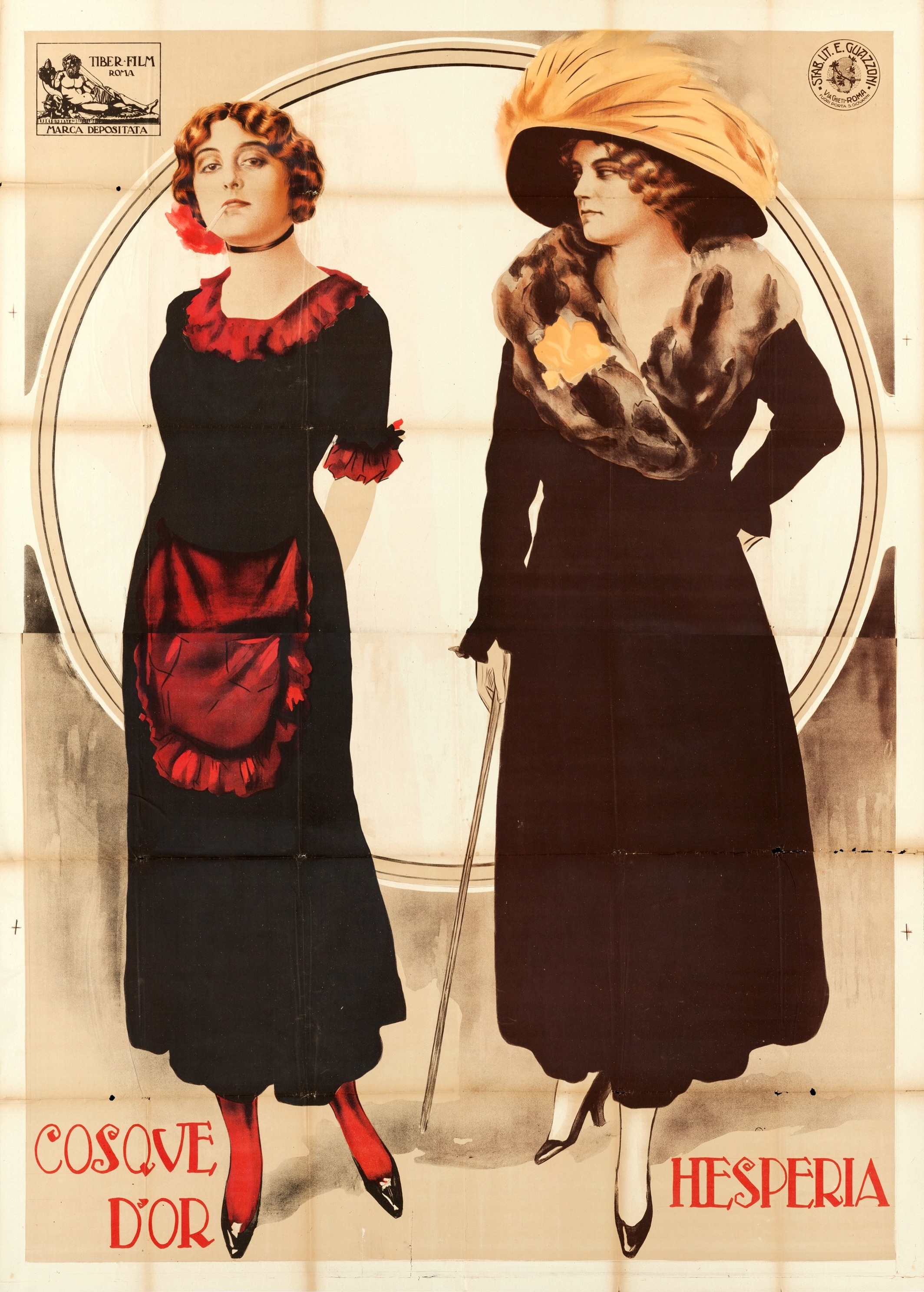
From its very premise, Anime buie announces its intention to challenge, to provoke, and to disturb. We find our titular anti-hero, Za-la-Mort, portrayed with customary intensity by Amilcare Taglienti, grappling with an affection so perverse, so profoundly contradictory, it borders on the pathological. His object of desire? None other than Hesperia, portrayed by the actress of the same name, a woman whose hands are stained with the blood of his former beloved. This isn't the simple, cathartic revenge narrative one might expect from a character of Za-la-Mort's fierce disposition; instead, it is an exploration of a love born from the ashes of betrayal, a romance forged in the crucible of profound, personal loss. The film dares to ask: can love truly transcend the most heinous of transgressions? Can an individual reconcile the deepest pain with an undeniable, almost magnetic, attraction?
Amilcare Taglienti's portrayal of Za-la-Mort in Anime buie is nothing short of mesmerizing. He embodies the internal turmoil of a man torn between his primal urge for retribution and an inexplicable, overpowering devotion. His silent expressions, the subtle shifts in his posture, and the intensity in his gaze convey volumes about the character's tormented soul. He is not merely a protagonist; he is a force of nature wrestling with an existential dilemma that could shatter a lesser man. This isn't the clear-cut hero of a film like Four Feathers, whose moral compass, though tested, ultimately points true north. Za-la-Mort navigates a far murkier ethical landscape, where his compass spins wildly, pulled by opposing, powerful forces.
And then there is Hesperia. As the woman who committed the unforgivable act, her character is designed to be both repellent and alluring. The actress Hesperia imbues her with a captivating ambiguity, a blend of vulnerability and steely resolve that makes her an equally complex figure. Is she manipulative? Is she genuinely remorseful? Or is she merely another pawn in the grand, tragic game of Za-la-Mort's life? The film masterfully keeps us guessing, refusing to offer easy answers or convenient moral judgments. Her presence is a constant, shimmering threat, an emotional minefield that Za-la-Mort, against all logic, chooses to traverse. This dynamic elevates Anime buie beyond a simple crime drama into a profound psychological thriller, echoing the intricate character studies found in literary works like The Moonstone, where internal conflicts and hidden motivations drive the narrative.
The directorial vision behind Anime buie is commendably bold, unafraid to linger on the uncomfortable silences and the unspoken tensions that define its central relationship. The cinematography, a hallmark of silent Italian cinema, uses stark contrasts and dramatic close-ups to amplify the emotional stakes. Shadows stretch long and menacing, mirroring the dark corners of the characters' souls, while moments of fleeting light hint at the fragile hope of redemption or, perhaps, deeper despair. The film's pacing is deliberate, allowing the psychological torment to slowly simmer and eventually boil over, rather than rushing towards a facile resolution. This measured approach ensures that every glance, every gesture, carries immense weight, contributing to an atmosphere of pervasive dread and melancholic beauty.
Thematically, Anime buie is a rich tapestry. It explores the corrosive nature of obsession, the blurred lines between justice and personal vendetta, and the bewildering power of human connection, even when that connection is fraught with pain. It challenges the audience to confront uncomfortable truths about forgiveness and the capacity for love to exist alongside hatred. The film suggests that perhaps the deepest wounds are not always healed by revenge, but sometimes by an even more unsettling form of acceptance or, indeed, an embrace of the very source of one's agony. This complex interplay of emotions resonates with the profound dramatic explorations seen in films like Den hvide rytterske, where character motivations are rarely simple and often deeply contradictory.
While Za-la-Mort and Hesperia dominate the narrative, the ensemble cast provides crucial texture to this dark world. Emilio Ghione, a stalwart of the series, adds his formidable presence, often serving as a moral counterpoint or an agent of the unfolding drama. His performance, always nuanced, anchors the more fantastical elements of the Za-la-Mort universe, providing a grounding force amidst the swirling emotions. Kally Sambucini, too, delivers a memorable turn, her character often caught in the periphery of Za-la-Mort’s grand, tragic romance, observing or reacting to the unfolding maelstrom with a quiet intensity.
The interplay between these characters is not merely supportive; it actively informs our understanding of the central dilemma. They are not just plot devices, but fully realized individuals whose reactions and fates are inextricably linked to Za-la-Mort's tortured journey. Their presence amplifies the stakes, making the consequences of Za-la-Mort's choices feel all the more weighty and irreversible. The film's ability to maintain such a tight focus on its central, morally ambiguous romance, while still allowing its supporting cast to shine, is a testament to its robust script and perceptive direction.
Anime buie, even decades after its initial release, retains a startling power. It’s a film that refuses to be forgotten, largely due to its unflinching examination of human nature at its most contradictory. It is not a comfortable watch, nor is it intended to be. Instead, it’s a visceral experience, a journey into the 'dark souls' (as its title suggests) of its protagonists. The film's willingness to explore the grey areas of morality, to depict a love that defies societal norms and personal history, marks it as a truly pioneering work of its era.
In an age where cinematic narratives often streamline emotions for mass appeal, Anime buie stands as a stark reminder of silent cinema's capacity for profound psychological depth. It doesn't spoon-feed its audience answers; rather, it invites contemplation, debate, and a deep introspection into the nature of good and evil, love and hate. The film’s lasting influence can be seen in its contribution to the serialized narrative format, proving that complex, evolving character arcs could sustain audience interest across multiple features, much like modern television dramas.
Comparing it to other works of its period, one might find parallels in the intense emotional landscape of melodramas like The Little Church Around the Corner, but Anime buie pushes the boundaries of acceptable romantic entanglement far further. Its exploration of redemption and the possibility of overcoming one's past, or at least living with it, echoes themes found in dramas such as Beating Back, yet it injects an element of almost pathological desire that sets it apart. It’s a work that demands repeat viewings, each time revealing new layers of meaning and intensifying the viewer’s engagement with its deeply flawed, yet undeniably human, characters.
Ultimately, Anime buie is more than just a film; it is an experience. It’s a journey into the heart of darkness, a testament to the bewildering and often terrifying power of human emotion. It solidifies Za-la-Mort’s place not just as an action hero, but as a tragic, almost Shakespearean figure, forever entangled in a web of his own making. For those who appreciate cinema that challenges, provokes, and lingers long after the credits roll, this installment of the Za-la-Mort series is an indispensable, albeit unsettling, masterpiece. Its influence on subsequent psychological thrillers and character-driven dramas is undeniable, cementing its status as a vital piece of cinematic history and a profoundly affecting work of art.
IMDb 5
1930
Community
Log in to comment.