DbcultAccessing Vault...
Cult Review
Senior Film Conservator
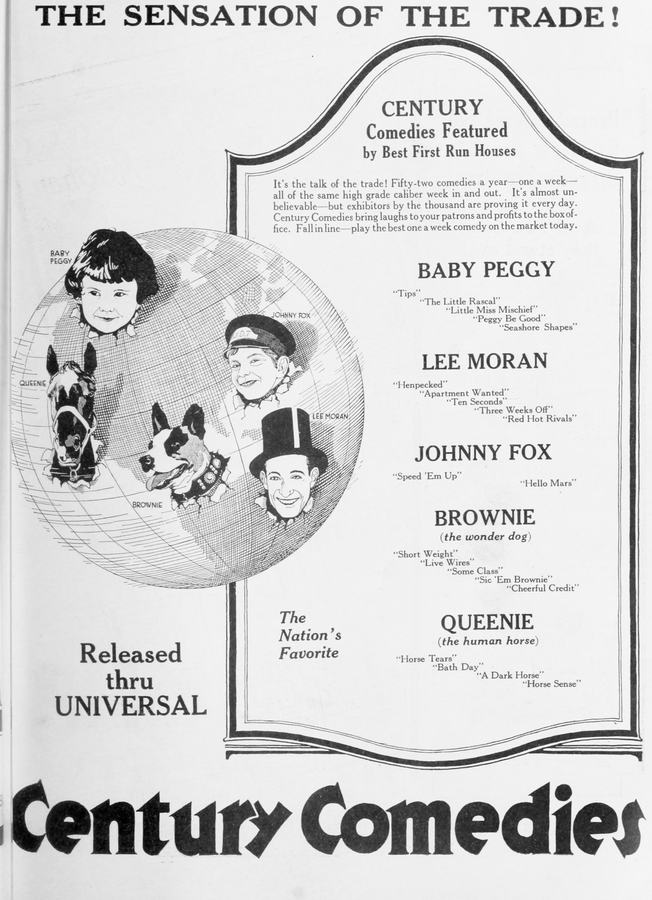
There is a peculiar, almost haunting resonance in the silent comedies of the 1920s that deals with the fundamental human necessity of shelter. While we often remember the era for its slapstick athleticism, films like Alfred J. Goulding’s 1923 gem, Apartment Wanted, peel back the layers of the American Dream to reveal a jagged, exclusionary reality. Starring the underrated Lee Moran, this short is more than a series of gags; it is a scathing indictment of a society that prioritizes property over people, a theme that feels startlingly contemporary in our current age of skyrocketing rents and urban gentrification.
The film opens with a sequence that mirrors the modern-day struggle of scrolling through endless, overpriced listings. Lee Moran, playing an everyman whose desperation is palpable through his wide-eyed, frantic gestures, discovers that the city’s architectural bounty is gated by a singular, cruel caveat: "No Children." This prohibition of the next generation transforms the urban landscape into a sterile, hostile environment. Unlike the romanticized urbanity found in Beyond the Rocks, where the elite navigate velvet-lined rooms, Apartment Wanted positions its protagonist in the dusty, unforgiving streets of the working class.
Moran’s performance is a masterclass in physical frustration. He doesn't just look for an apartment; he battles the very concept of the city. When he finally secures a position as a janitor, it isn't a step up the social ladder, but a tactical infiltration. Goulding, who directed some of the most influential shorts of the era, understands the inherent comedy in subverting the role of the service worker. Instead of maintaining order, Lee becomes an agent of chaos. His goal is simple: make the current tenants so miserable that they vacate their premises. This shift from victim to aggressor marks a fascinating psychological turn that distinguishes this film from more sentimental comedies of the time.
The middle act of the film is a rhythmic explosion of slapstick ingenuity. Lee’s first attempt at psychological warfare involves a mouse—a classic trope of the silent era. However, the humor here is derived not just from the rodent’s presence, but from the collateral damage it causes to Lee’s own domestic harmony. His wife, played with a sharp, no-nonsense energy by Ena Gregory, is not a passive participant in his schemes. Her rejection of the apartment, even after Lee’s efforts, adds a layer of domestic realism that grounds the absurdity. It suggests that even in the depths of a crisis, human dignity and preference remain stubbornly intact.
When the mouse fails, Lee escalates to a more visceral threat: fire. The smoke-filled hallways and the panicked cries of the tenants are captured with a kinetic energy that rivals the urban intensity seen in Mysteries of Paris. The "fire" is a desperate, dangerous lie, but it works. The tenants flee, and for a fleeting moment, Lee and his family occupy a space that is "good sized" and structurally sound. But the victory is hollow. The law, which failed to protect the family’s right to shelter, is swift to punish their attempt to seize it by force. The transition from the apartment to the jail cell is seamless, suggesting that for the disenfranchised, the line between home and prison is dangerously thin.
In viewing Apartment Wanted, one cannot help but contrast Lee’s plight with the characters in The Man Who Had Everything. While the latter explores the existential ennui of abundance, Goulding’s film explores the existential panic of lack. Both films, however, converge on the idea that the physical space one occupies defines their social worth. Similarly, the film’s depiction of the "modern" jail—equipped with the latest improvements—echoes the satirical tone of The Girl with the Jazz Heart, where the artifice of modern living is laid bare. In the jail, the state provides what the market would not: a roof, heat, and stability.
The final act of Apartment Wanted is perhaps its most brilliant and bitter stroke of genius. The family, having adjusted to the comforts of their well-appointed jail cell, is beginning to feel at home. There is a perverse peace in their incarceration. It is a biting commentary on the failures of the social contract; the only way for a family with children to find a "home" with "latest improvements" is to be branded as criminals. This irony is a sharp departure from the more traditional moralism found in Love or Justice, where the legal system is often a site of heavy-handed moral rectitude.
When the "horrid jailer" appears to inform them that their time is up, the film subverts the traditional happy ending of a release from prison. For Lee and his family, the expiration of their sentence is a catastrophe. They are being evicted back into the world that rejected them. The jailer becomes the ultimate landlord, and the prison becomes the ultimate unattainable apartment. This ending elevates the film from a mere comedy to a piece of absurdist theater. It captures a sense of cyclical futility that is rarely seen in the slapstick shorts of the early twenties, which usually favored a more optimistic resolution.
Alfred J. Goulding’s direction is characterized by a brisk, economical pace that never allows the audience to settle. The editing during the fire sequence is particularly noteworthy, using quick cuts to simulate the chaos of the tenants' exodus. The cinematography, though restricted by the technology of the time, manages to make the cramped hallways of the apartment building feel genuinely oppressive. This visual language of confinement is essential to the film's success. It makes the spaciousness of the jail cell feel like a genuine relief, heightening the irony of the family’s eventual expulsion.
The cast, including Zip Monberg and Alberta Vaughn, provides a solid ensemble that supports Moran’s central performance. Vaughn, in particular, brings a level of silent-screen charisma that hints at the broader social world these characters inhabit. While the film lacks the sprawling melodrama of Vendémiaire, it possesses a localized intensity that is just as impactful. It focuses on the domestic unit as the primary site of struggle, making the stakes feel deeply personal and immediate.
In the grand tapestry of silent cinema, Apartment Wanted deserves a more prominent place. It predates the more famous housing-themed comedies of the later talkie era, yet it handles the subject with a sophistication and a lack of sentimentality that is refreshing. It doesn't offer a magical solution to Lee's problems. It doesn't end with a wealthy benefactor bestowing a mansion upon the family, as might happen in a film like Golden Dreams. Instead, it leaves us with the unsettling image of a family forced back into the streets, their brief moment of institutional security snatched away by the very law that put them there.
As a critic, one must appreciate the audacity of a comedy that finds its punchline in the tragedy of homelessness. The film’s lexical diversity of gags—from the physical to the situational to the ideological—ensures that it remains a compelling watch even a century later. It is a reminder that the anxieties of the 1920s—urbanization, the cost of living, and the exclusion of families from the city center—remain the anxieties of the 2020s. Lee Moran’s wide-eyed stare as he is told to leave the jail is the stare of every modern worker realizing that the system is not designed for their comfort, but for their temporary utility.
Final Verdict:
Apartment Wanted is a quintessential piece of silent satire. It is a film that uses the language of laughter to speak profound truths about the precarity of the human condition. It is a must-watch for anyone interested in the social history of cinema or for those who simply enjoy a well-crafted, biting comedy that refuses to pull its punches. In a world where space is a commodity, Goulding reminds us that sometimes, the only place you can truly call home is the one they won't let you stay in.

IMDb —
1935
Community
Log in to comment.