DbcultAccessing Vault...
Cult Review
Senior Film Conservator
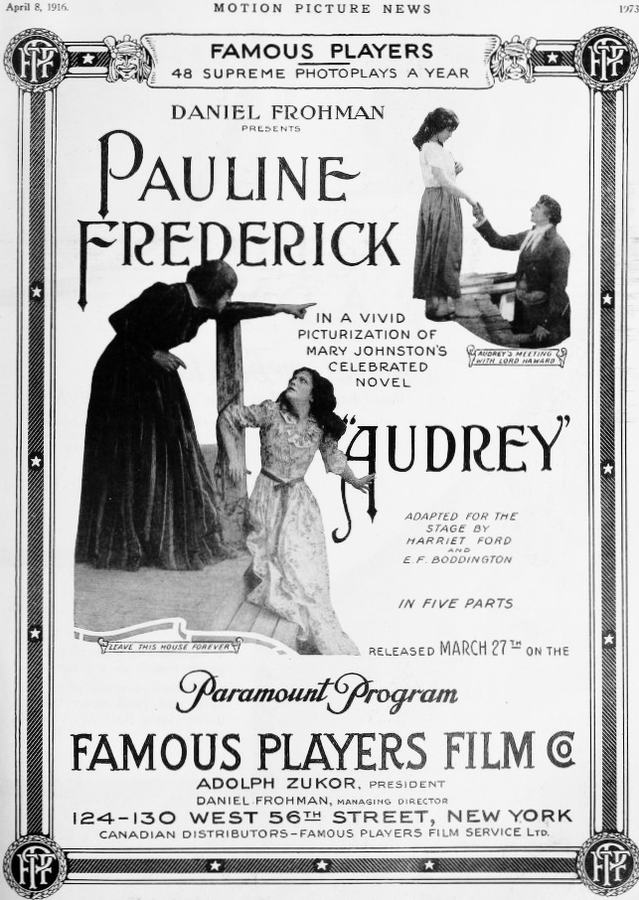
The silver screen, even in its nascent, silent form, possessed an extraordinary capacity to distill the grand narratives of human experience into potent, emotionally resonant spectacles. Among these early cinematic endeavors, Mary Johnston's 'Audrey,' brought to life in 1916, stands as a testament to the enduring power of a well-crafted tale of adversity and the unwavering spirit. This film, far from being a mere relic of a bygone era, serves as a trenchant examination of societal vulnerabilities, the insidious nature of avarice, and the profound resilience of the individual soul when confronted with the most abject forms of betrayal. It invites us not merely to observe a historical artifact but to engage with a narrative that, despite its period trappings, speaks to universal truths about justice, compassion, and the often-unseen struggles that unfold behind closed doors.
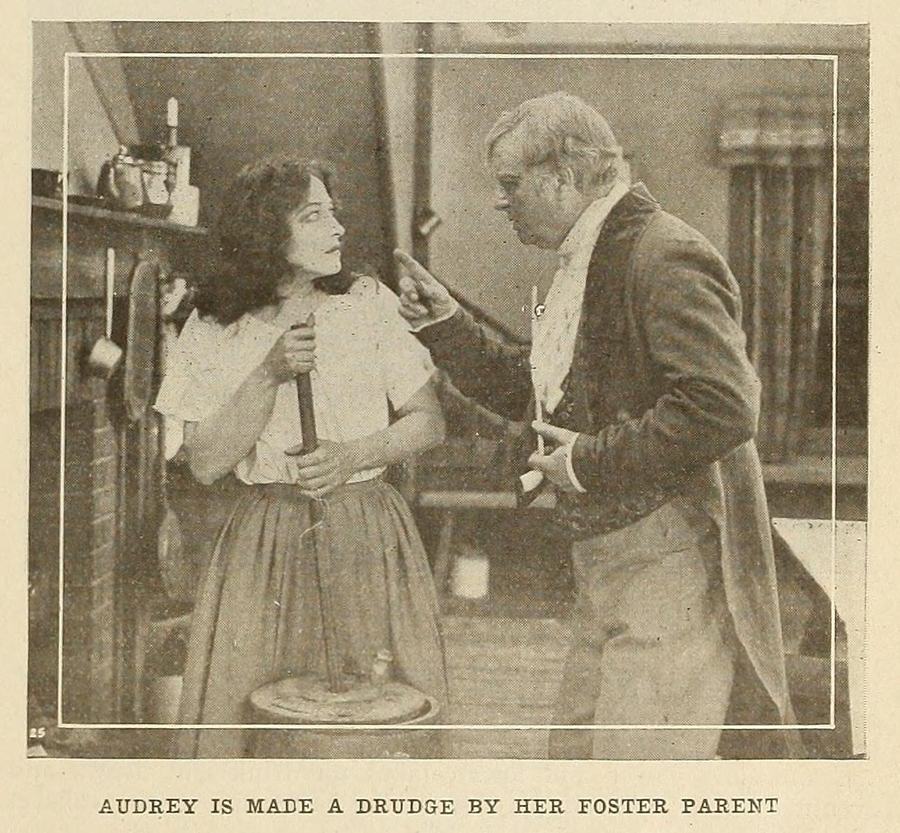
At its core, 'Audrey' is a saga of an orphan, cast adrift in a world where security is a luxury and protection often fleeting. Audrey, portrayed with a poignant blend of innocence and burgeoning strength by Pauline Frederick, is initially granted a reprieve from the harsh realities of her circumstance. She becomes the ward of a wealthy gentleman, a benevolent figure whose guardianship promises a haven, a sanctuary from the vagaries of fate that typically befall those without familial anchors. This initial setup, rich with potential for a heartwarming tale of adoption and newfound belonging, quickly pivots into a more somber, more challenging trajectory. The narrative deftly establishes this period of relative tranquility as a fragile interlude, a calm before the storm that will test Audrey's very essence. The film, in this opening act, masterfully builds a sense of tentative hope, only to systematically dismantle it, thereby amplifying the tragedy that is to follow.
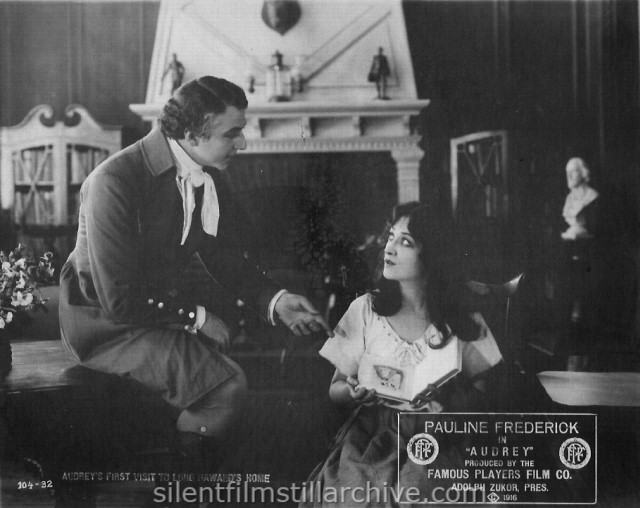
The turning point, both for Audrey and for the film's thematic thrust, arrives with the wealthy guardian's departure for England. This journey, undertaken perhaps with the best of intentions and a belief in the established order, unwittingly becomes the catalyst for Audrey's descent into a living nightmare. In his absence, Audrey is entrusted to an unscrupulous couple, individuals whose outward respectability thinly veils a predatory greed. This transition from benevolent care to malevolent oversight is depicted with a chilling precision, highlighting the precariousness of a young woman's position in a society where legal protections could be easily circumvented by cunning and a lack of moral fiber. The film thus explores the concept of trust, not just as an interpersonal bond, but as a societal contract that, when broken, can have devastating consequences for the most vulnerable among us.
The couple, with their calculated machinations, systematically usurp Audrey's inherited funds, effectively stripping her of her financial independence and, by extension, her autonomy. This act of financial dispossession is not merely a plot device; it is a profound commentary on the power dynamics inherent in wealth and class. Without her resources, Audrey is rendered powerless, a pawn in the cruel game of her new custodians. The transition from ward to 'slavey' is swift and brutal, a stark portrayal of how quickly a life of relative comfort can dissolve into one of relentless drudgery and emotional abuse. This aspect of the film draws compelling parallels with other narratives of societal exploitation, such as those seen in the raw depiction of struggle within The Melting Pot, though 'Audrey' focuses more acutely on the individual's personal plight rather than broader societal integration challenges.
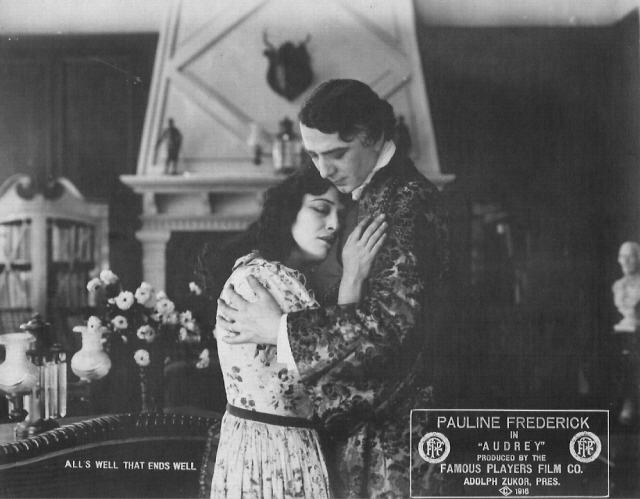
Pauline Frederick, a luminary of the silent screen, delivers a performance in 'Audrey' that transcends the limitations of spoken dialogue. Her portrayal of Audrey is a masterclass in non-verbal communication, conveying a spectrum of emotions from the tender hope of her early wardship to the crushing despair of her servitude, and ultimately, the simmering defiance that begins to emerge. Frederick's eyes, her posture, the subtle shifts in her facial expressions—each element contributes to a deeply empathetic and believable characterization. She doesn't just act; she embodies Audrey's plight, allowing the audience to feel the weight of her burdens, the sting of her humiliations, and the flicker of her enduring spirit. This kind of nuanced silent acting was crucial for connecting with audiences, and Frederick proves herself exceptionally adept, drawing viewers into Audrey's interior world without uttering a single word.
The supporting cast, including J.J. Clark, Mady Christians, and E.L. Fernandez, contributes significantly to the film's dramatic tension. The unscrupulous couple, in particular, must walk a fine line between caricature and believable villainy, and their performances effectively underscore the malevolent forces at play. Their cold indifference and calculated cruelty are palpable, serving as a stark contrast to Audrey's vulnerability. The film's success hinges on the audience's investment in Audrey's struggle, and the convincing portrayal of her antagonists is instrumental in achieving this. The visual language of their interactions, the subtle power plays, and the overt acts of oppression are all conveyed through the exaggerated yet effective gestural acting characteristic of the era, creating a clear moral dichotomy that drives the narrative forward.
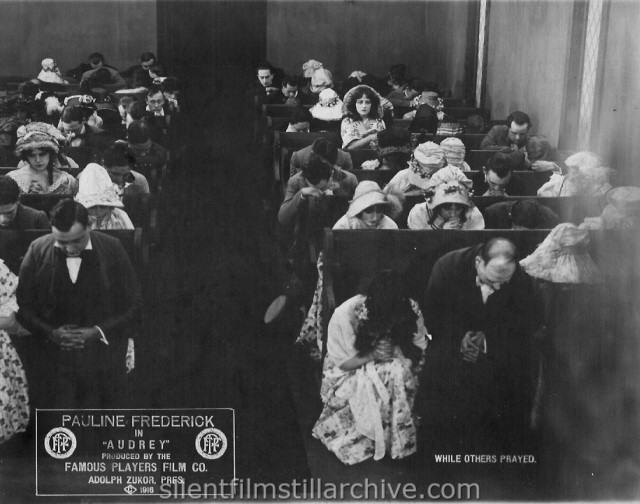
'Audrey' is more than just a melodramatic tale; it is a profound exploration of systemic injustice and the tenacious human will to survive and overcome. The film unflinchingly depicts the moral decay that can fester when greed is unchecked and power is abused. Audrey's transformation from a protected ward to a domestic 'slavey' is a visceral representation of how easily societal safeguards can crumble, leaving individuals exposed to exploitation. This theme resonates with the struggles against overwhelming odds seen in films like Through Fire to Fortune, where characters must navigate immense personal and external challenges to reclaim their dignity or standing. However, 'Audrey' focuses specifically on the betrayal of trust within a seemingly secure environment, making the emotional impact particularly acute.
The narrative also subtly examines the concept of identity. Stripped of her social standing and her personal possessions, Audrey is forced to confront what remains of her self. Her resilience in the face of such adversity is not merely a plot device for eventual triumph; it is a testament to the intrinsic human capacity for hope and resistance. Even in the depths of her suffering, there is a spark, a refusal to be entirely extinguished. This internal struggle, conveyed through Frederick's expressive acting, forms the emotional bedrock of the film, elevating it beyond simple melodrama to a more profound commentary on the human spirit. The silent film medium, with its reliance on visual storytelling and emotional cues, proves remarkably effective in conveying these deep-seated psychological states.
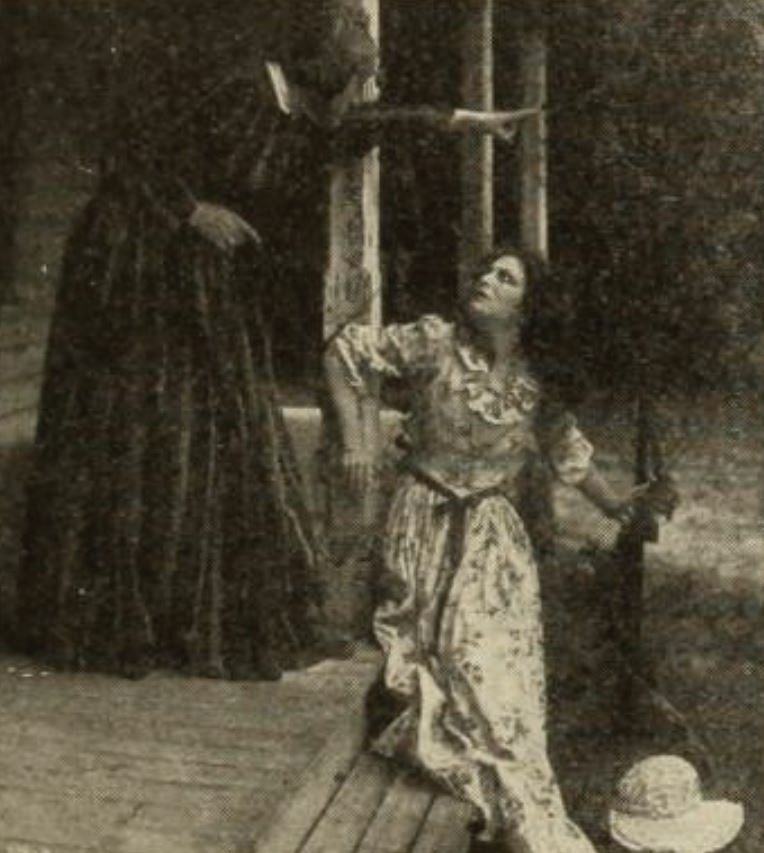
As a product of the silent era, 'Audrey' relies heavily on visual storytelling techniques that were both innovative and essential for conveying complex narratives without dialogue. The use of elaborate sets, expressive costumes, and carefully choreographed blocking all contribute to the film's immersive quality. Intertitles, far from being mere text breaks, are skillfully employed to provide exposition, articulate character thoughts, and underscore key emotional beats, guiding the audience through the story's intricacies. The pacing, often deliberate in silent films, allows for prolonged moments of emotional impact, giving the audience time to absorb the gravity of Audrey's situation and to empathize with her plight.
Director J.J. Clark, working within the established conventions of the time, demonstrates a keen understanding of how to maximize the visual medium. The framing of shots, the use of light and shadow, and the symbolic deployment of props all contribute to the film's overall aesthetic and narrative effectiveness. For example, the contrast between the lavish surroundings of Audrey's initial wardship and the drab, confined spaces of her servitude visually reinforces her dramatic fall from grace. These visual metaphors are powerful, communicating volumes without a single spoken word, a hallmark of truly effective silent cinema. This meticulous attention to detail in visual rhetoric is what elevates a film like 'Audrey' from a simple moving picture to a work of art, much like the careful composition found in other period dramas, such as Cardinal Richelieu's Ward, though the latter often dealt with grander historical canvases.
Even a century after its initial release, 'Audrey' retains a surprising degree of relevance. While the specific social structures and legal frameworks of 1916 have evolved, the underlying themes of vulnerability, exploitation, and the struggle for justice remain timeless. The film serves as a potent reminder of the importance of protecting the defenseless, of questioning those in positions of power, and of the enduring human capacity for both cruelty and compassion. It challenges viewers to consider the mechanisms by which individuals can be stripped of their rights and dignity, and the courage required to reclaim them.
In an age saturated with complex narratives and sophisticated special effects, the simplicity and directness of 'Audrey' offer a refreshing, albeit sobering, cinematic experience. It strips away the extraneous, focusing instead on the raw emotional core of human experience. For those interested in the evolution of storytelling, the art of silent acting, or simply a compelling drama about overcoming adversity, 'Audrey' is an essential viewing. It stands as a powerful testament to the early capabilities of film to not only entertain but also to provoke thought, evoke empathy, and reflect the often-harsh realities of the world. Its legacy lies not just in its historical significance, but in its ability to continue to move and inform audiences today, much like the enduring appeal of profound narratives such as The Better Man, which also delves into moral rectitude and human character.
The film's exploration of guardianship and its potential for abuse also sparks contemporary discussions on child welfare, legal protections for the vulnerable, and the ethical responsibilities of those entrusted with the care of others. While the context is historical, the questions it raises are acutely modern. How do societies ensure that individuals like Audrey are not left exposed to the machinations of the unscrupulous? What mechanisms are in place to prevent the usurpation of property and the erosion of personal liberty? These are not questions confined to the early 20th century but continue to be debated and legislated upon in the present day, underscoring the film's enduring socio-political relevance. The stark contrast between initial promise and eventual despair in 'Audrey' is a powerful cautionary tale, echoing the dramatic reversals of fortune seen in narratives like Burning Daylight, where characters are pushed to their limits by circumstance.
Ultimately, 'Audrey' is a film that rewards careful contemplation. It is a stark reminder of the fragile nature of security and the often-unseen battles waged by those on the margins. Yet, it is also a celebration of the human spirit's capacity to endure, to resist, and ultimately, to seek justice. Pauline Frederick's indelible performance anchors this narrative, transforming a potentially grim tale into a powerful and ultimately uplifting testament to resilience. It is a valuable piece of cinematic history, offering insights into both the filmmaking techniques of its time and the timeless struggles of the human condition. The journey of Audrey, from pampered ward to beleaguered 'slavey' and back again, is a testament to the fact that even in the darkest of times, the light of hope, however faint, can persist, guiding the way towards eventual triumph. The profound emotional journey here mirrors the intense personal struggles and eventual overcoming of adversity depicted in films like The Triumph of an Emperor, albeit on a more intimate, personal scale rather than a grand historical one.

IMDb 4.1
1920
Community
Log in to comment.