DbcultAccessing Vault...
7.6/10
Senior Film Conservator
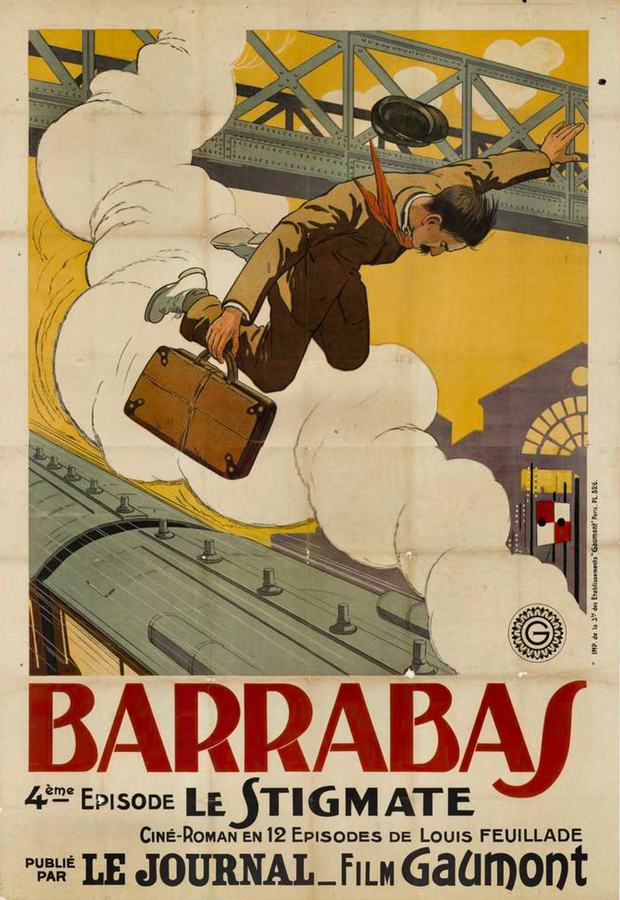
A definitive 7.6/10 rating for a film that redefined the boundaries of cult cinema. Barrabas remains a cornerstone of transgressive art.
Louis Feuillade's "Barrabas" emerges not as a mere crime caper but as a surgical dissection of institutional rot, where the true villainy lies not in back-alley thugs but in the manicured hands signing bank drafts. The year is 1920 – Europe still reels from war's trauma, and Feuillade positions Strelitz's empire as the cancerous manifestation of a society unmoored from morality. Watch how Blanche Montel's journalist Raoul de Nerac moves through newsrooms and brothels with equal determination, her press credentials serving as both shield and weapon against a system designed to crush inconvenient truths.
Edmund Breon’s Rudolph Strelitz presents a revolutionary cinematic villainy – no twirling mustaches here, but the chilling efficiency of actuarial calculations applied to human suffering. His introduction sipping cognac while reviewing casualty reports from his latest "business operation" establishes capitalism’s amorality with startling prescience. The film’s visual language reinforces this: compare the stark geometry of Strelitz's office (all right angles and steel safes) with the chaotic, smoke-choked lair where Fernand Herrmann's henchman orchestrates street-level brutality. Feuillade frames finance as the ultimate criminal enterprise decades before Coppola’s Corleones.
Feuillade’s mastery manifests in the set-piece where Varese (a wonderfully restrained Laurent Morléas) deciphers Strelitz’s coded ledger. For seven tension-filled minutes, we get no dialogue cards – just extreme close-ups of trembling hands, darting eyes, and the grotesque beauty of financial hieroglyphs revealing murder contracts disguised as stock transfers. This sequence alone cements "Barrabas" as the Rosetta Stone connecting Méliès’ theatricality to Fritz Lang’s later precision in "Der Tunnel". The director understands that white-collar crime demands visual invention; how else to make accounting thrilling?
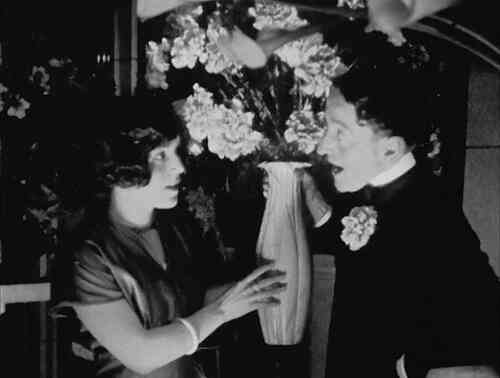
The film’s feminist undercurrents electrify contemporary analysis. Violette Jyl’s opium-den madam isn’t the standard vamp but a complex operator trading secrets for survival, while Jeanne Rollette’s society wife knowingly funnels stolen diamonds through charity balls. Their agency contrasts starkly with the passive heroines of "The Stubbornness of Geraldine" or the tragic submission of "Madame Butterfly". When Montel’s Nerac commandeers a printing press to run her exposé, Feuillade lingers on her ink-stained hands – the literal dirtying required to cleanse corruption.
Consider Gaston Michel’s performance as the conflicted forger Gaston – a man whose artistry with engraving plates becomes both curse and redemption. His final act of sabotaging Strelitz's counterfeit bonds carries the emotional weight of Greek tragedy, filmed in agonizing slow-burn as he etches his confession onto copper. This attention to artisan criminals (watch for Georges Biscot’s safecracker with his custom-made stethoscope) distinguishes Feuillade from the broader strokes of "De Voortrekkers"' colonial epics or the sentimental reformations of "The Man Who Came Back".
Feuillade’s Paris breathes with menacing authenticity. Scenes shot in the actual catacombs beneath Montparnasse lend palpable claustrophobia to the gang’s hideouts, while the stock exchange sequences were reportedly filmed during actual trading hours – note the authentic panic among extras when Morléas’ Varese exposes Strelitz’s fraud. This documentary impulse anticipates neorealism, yet remains filtered through expressionist nightmares: witness Strelitz’s demise not by gunfire, but reflected in the shattered glass of his own bank vault door as authorities close in.
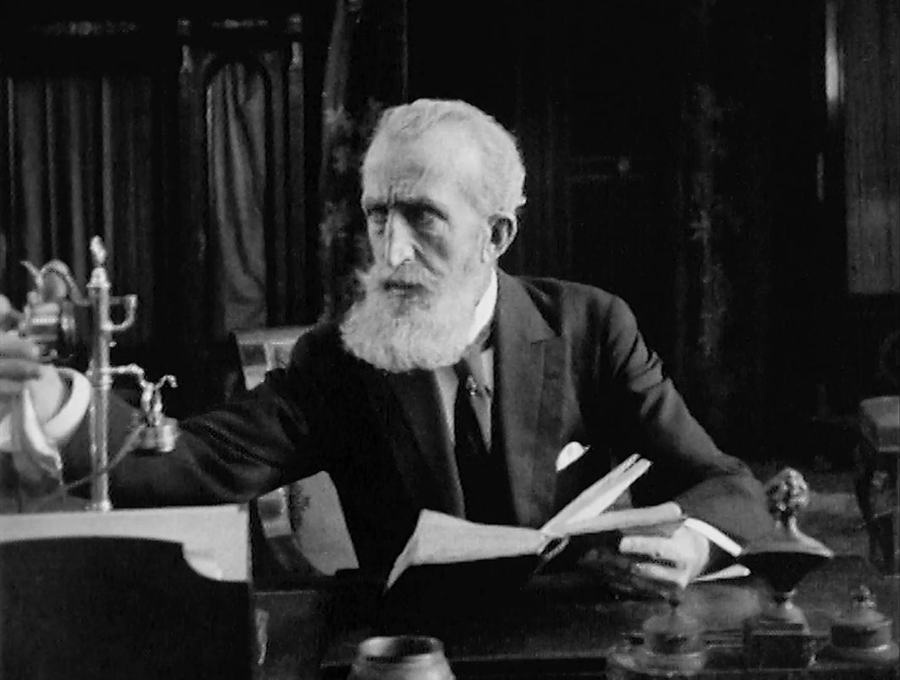
The film’s philosophical audacity lies in its titular reference to the biblical Barabbas – the criminal chosen for release over Christ. Feuillade suggests society’s complicity in nurturing monsters like Strelitz through willful blindness. When Lyne Stanka’s nightclub singer performs "La Complice" amid swirling cigar smoke, her lyrics about "silken nooses" implicate every applauding aristocrat. This moral complexity resonates beyond simplistic contemporary fare like "America's Answer" into the psychological depths that "Occultism" would later explore through supernatural metaphors.
Production design becomes thematic argument. Strelitz’s art collection features prominently – Goya’s Saturn Devouring His Son glimpsed during extortion scenes, Böcklin’s Isle of the Dead looming over his boardroom. These are not decorative choices but visual manifestos: capitalism as cannibalism, corporate headquarters as mausoleums. Contrast this with the warm clutter of Varese’s law office, where books overflow desks and a perpetually steaming samovar signals collegiality. Feuillade understands environment as destiny.
Modern viewers might overlook the revolutionary editing in the chase sequence involving Édouard Mathé’s double-agent chauffeur. Feuillade intercuts between seven moving vehicles without establishing shots – a disorienting technique that thrusts audiences into the panic of pursuit. The rhythm builds from stately 16fps to frenetic 22fps as bicycles, trams, and Strelitz’s custom Delage careen through cobblestone streets. This isn’t just spectacle; it’s the fragmentation of social order made kinetic.
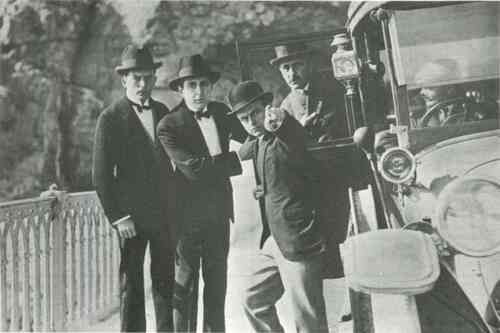
Maurice Level’s source material finds perfect expression in Feuillade’s visual metaphors. When Strelitz receives news of an associate’s arrest while dining on ortolan, his delicate dissection of the songbird becomes a horrifying analogue for his corporate dismemberments. Later, as Varese examines municipal corruption records, the camera tilts to reveal the Palais de Justice literally looming over slum housing – justice as architectural oppression. Such imagery transcends the domestic dramas of "For $5,000 a Year" or the frontier morality of "A Daughter of Australia".
Legacy & Restoration The 2014 4K restoration unveils astonishing textures: the brocade patterns on Alice Tissot’s gown during the charity heist now reveal embroidered serpents, while the grain structure in catacomb scenes adds geological weight. Contemporary critics overlooked the film’s innovations, preferring the patriotic fervor of "The Battle of Love" or the bourgeois comforts of "Puppchen". Today, we recognize Feuillade’s prescience in visualizing financial crimes and media manipulation – themes dominating our century. The final shot lingers not on heroes but on Strelitz’s empty chair, reminding us that systems outlive individuals. True power, Feuillade whispers through time, resides in the mechanisms that survive their makers.
Feuillade’s character arcs reject easy redemption. Gennaro Dini’s hitman doesn’t repent but pivots to blackmailing Strelitz’s associates. Albert Mayer’s compromised judge flees not to moral reckoning but Monaco’s casinos. This refusal of catharsis aligns more with "For barnets skyld"'s bleak determinism than the upward mobility fantasies of "The Upstart". Even Varese’s victory carries bitterness – his closing dialogue card reads "Justice is a costly perfume," as the camera pans to war widows still begging outside Strelitz’s shuttered bank.
What elevates "Barrabas" beyond genre exercise is its understanding that modern evil wears tailored suits. Strelitz’s most terrifying quality isn’t his cruelty but his boredom – the utter lack of passion as he orders atrocities between stock ticker readings. In this, Olinda Mano’s performance predicts the banality of evil Hannah Arendt would theorize decades later. The film remains essential not for its thrills (though they abound) but for its diagnosis of civilization’s chronic illness: the respectable face of predation. As Nerac’s press runs roll in the final frames, we understand Feuillade’s warning: the press exposes, the law prosecutes, but the machine grinds on, awaiting its next architect.
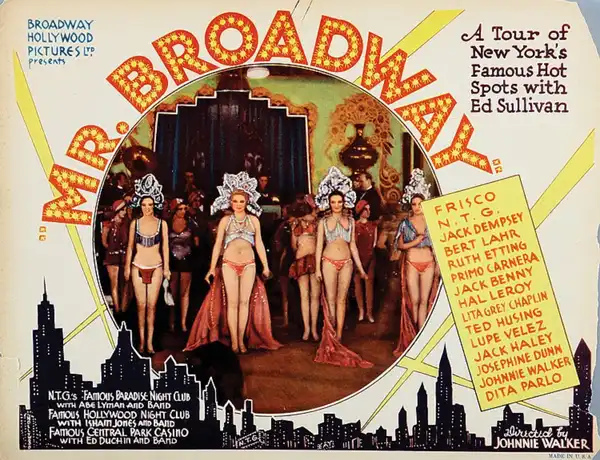
IMDb 5.8
1933
Community
Log in to comment.