DbcultAccessing Vault...
6.3/10
Senior Film Conservator
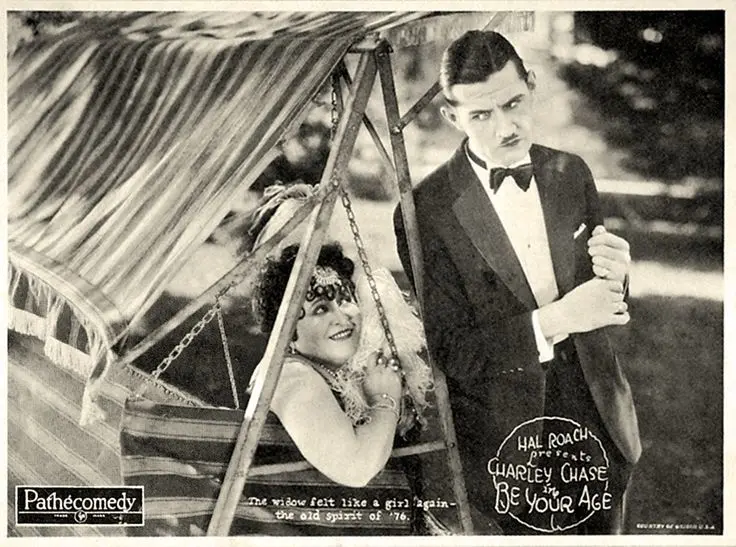
A definitive 6.3/10 rating for a film that redefined the boundaries of cult cinema. Be Your Age remains a cornerstone of transgressive art.
Is 'Be Your Age' worth watching today? Short answer: yes, but with significant caveats that depend entirely on what you seek from cinema. This film is an absolute must-see for devotees of silent cinema, film historians, and anyone keen to explore the foundational roots of comedic timing and narrative efficiency.
It is decidedly not for viewers accustomed to rapid-fire dialogue, complex narrative structures, or high-definition spectacle, nor for those who prefer modern pacing over the meticulous build-up of a visual gag. Approach it with an open mind, and you'll find a charming, insightful piece of cinematic history.
“Be Your Age” isn't just a relic; it’s a living testament to the enduring power of physical comedy when executed with precision and heart.
Before we delve into the specifics, let's establish a baseline for its enduring appeal and its inherent limitations in the modern viewing landscape.
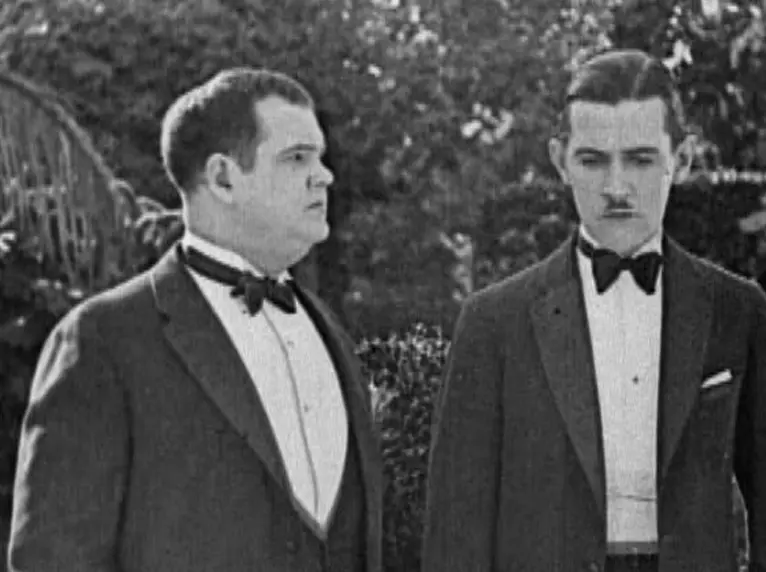
This film works because... it showcases Charley Chase at his peak, delivering a masterclass in physical comedy and relatable, put-upon charm that transcends its era. The narrative, while simple, is incredibly efficient, a hallmark of short-form silent comedy, ensuring every scene contributes directly to the escalating farce.
This film fails because... its brevity, while a strength for its original exhibition, leaves little room for character depth or thematic exploration beyond the immediate comedic premise. Furthermore, some gags, while historically significant, feel dated or less impactful to a modern eye accustomed to more elaborate visual effects and faster pacing.
You should watch it if... you appreciate the foundational elements of screen comedy, enjoy the meticulous craft of silent-era performance, or are looking for a lighthearted, well-executed historical curiosity that offers genuine laughs and a glimpse into a bygone cinematic style.
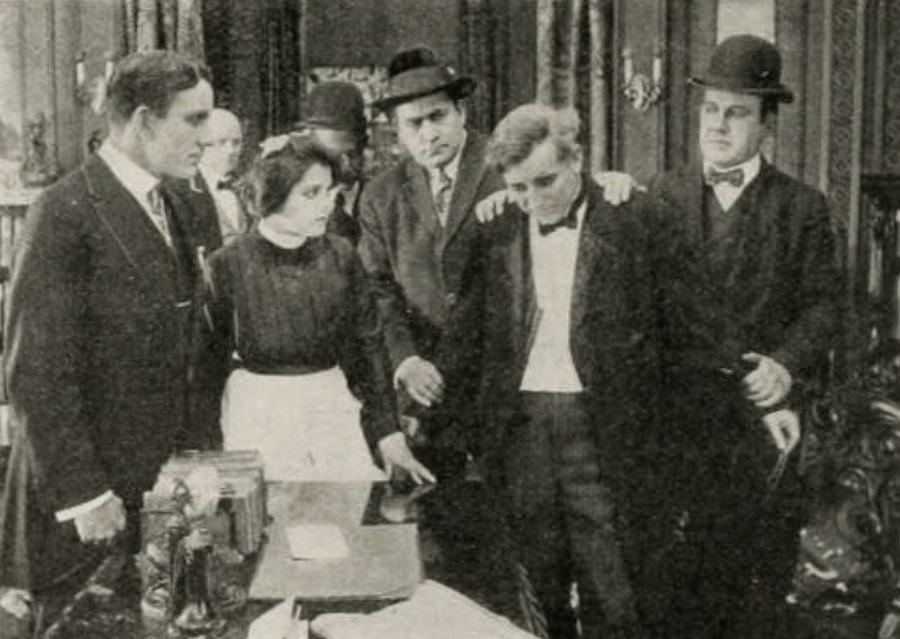
At its heart, 'Be Your Age' is a classic transactional comedy, a subgenre that often thrives on desperation and opportunistic scheming. The setup is deceptively simple: Charley needs money, Mrs. Schwartzkopple needs a husband, and her lawyer, Mr. Blaylock, sees an opportunity to control a fortune. This intricate dance of needs and greed provides a fertile ground for misunderstandings and escalating absurdity.
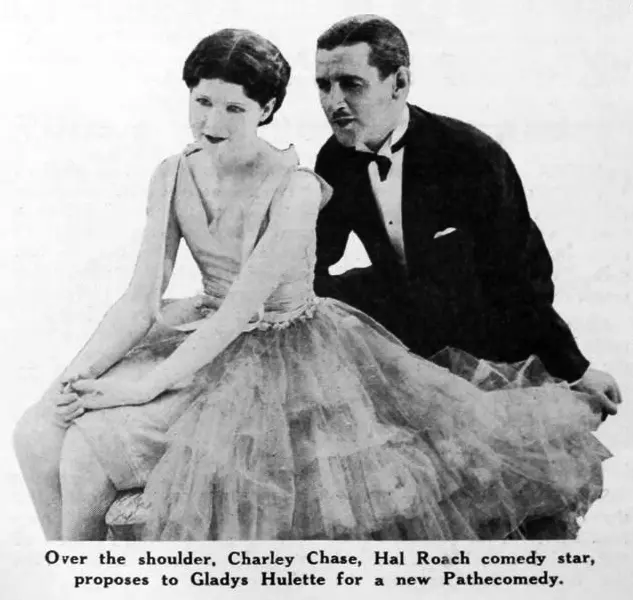
H.M. Walker's screenplay, typical of the Hal Roach studio output, prioritizes clarity and directness in its storytelling. There's no fat on this narrative bone; every plot point serves the comedic progression. The film doesn't waste time on exposition, thrusting us immediately into Charley's predicament and the bizarre solution proposed by Blaylock.
The underlying theme, while presented comically, touches on the uncomfortable realities of financial disparity and the commodification of relationships. Mrs. Schwartzkopple's desire for a younger man, fueled by her new wealth, and Charley's willingness to play along due to his dire financial straits, hint at a cynical view of romance. It’s a surprisingly dark undercurrent for such a lighthearted film, making it more than just a series of pratfalls.
This blend of farcical circumstances with a grounding in human desperation is what gives 'Be Your Age' a surprising amount of resonance. It's not just about slapstick; it's about the lengths people will go for money and companionship, even if those motivations are intertwined in an unholy alliance. The film, in its own way, offers a comedic critique of societal pressures and personal vulnerabilities.
The success of 'Be Your Age' rests squarely on the shoulders of its performers and the precise direction that orchestrates their comedic chaos. Silent film required a unique skill set, and this production exemplifies it.
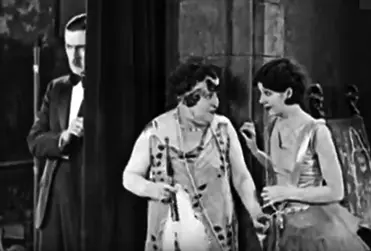
Charley Chase is a comedic revelation for those unfamiliar with his work. Often overshadowed by the likes of Keaton, Chaplin, and Lloyd, Chase cultivated a distinct persona: the perpetually put-upon everyman, caught in circumstances far beyond his control. His humor stems from his attempts to maintain dignity amidst utter chaos, often failing spectacularly.
In 'Be Your Age,' Chase’s performance is a masterclass in controlled exasperation. His facial expressions, from hopeful eagerness to bewildered despair, are remarkably nuanced for the silent screen. Consider the scene where he first hears the outlandish proposal; his subtle shifts in expression convey a whole internal monologue of disbelief, calculation, and reluctant acceptance. This isn't broad, exaggerated pantomime; it's finely tuned character acting.
His physical comedy is equally precise. Chase wasn't an acrobat like Keaton, nor a tramp like Chaplin. His gags are often more grounded, relying on awkwardness, near misses, and the slow realization of impending doom. The way he navigates tight spaces or reacts to unexpected bumps and falls feels genuinely human, rather than purely performative. This relatability is a key factor in why his comedy still lands effectively today. His comedic persona stands in interesting contrast to the more overtly physical antics seen in films like A Flivver Wedding, showcasing a broader spectrum of silent-era comedic styles.
The supporting cast, while primarily serving to facilitate Chase's predicament, delivers solid performances. Gladys Hulette as the love interest (or object of affection) provides a necessary foil, reacting to Charley's antics with a mix of concern and bemusement. Her presence grounds the more absurd elements of the plot.
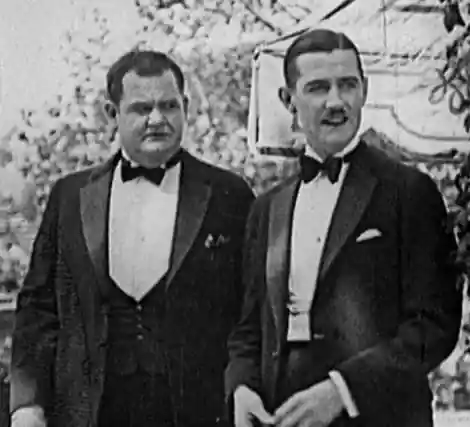
Oliver Hardy, in an early role before his iconic partnership with Stan Laurel, makes a notable appearance. Even in these smaller parts, Hardy's imposing physical presence and subtle reactions are evident. He often plays the heavy or the authority figure, and here, he contributes to the escalating comedic tension through his unyielding demeanor. His scenes, though brief, hint at the comedic gravitas he would soon perfect. It’s fascinating to see these early iterations of legendary performers, much like observing the developing talents in films such as Rookies.
Frank Brownlee as Mr. Blaylock embodies the conniving attorney with just the right amount of smarmy self-interest. His performance is crucial in driving the plot's central conflict, providing the antagonist whose manipulations set everything in motion. The trio works well together, each contributing to the comedic ecosystem.
H.M. Walker, a prolific director of short comedies for Hal Roach, demonstrates a keen understanding of pacing and visual storytelling. The film moves at a brisk clip, never lingering too long on any single gag, but allowing each one enough time to build and deliver its punchline. This efficiency is a hallmark of Roach's production philosophy, which aimed for maximum entertainment in minimal runtime.
The cinematography, while not groundbreaking, is perfectly functional and clear. The camera is largely static, serving to capture the performers and their physical comedy without distraction. This directness ensures that the audience's focus remains on the actors' expressions and movements, which is paramount in silent film. The staging is always clear, allowing the audience to understand the geography of the gags and the characters' positions within the frame.
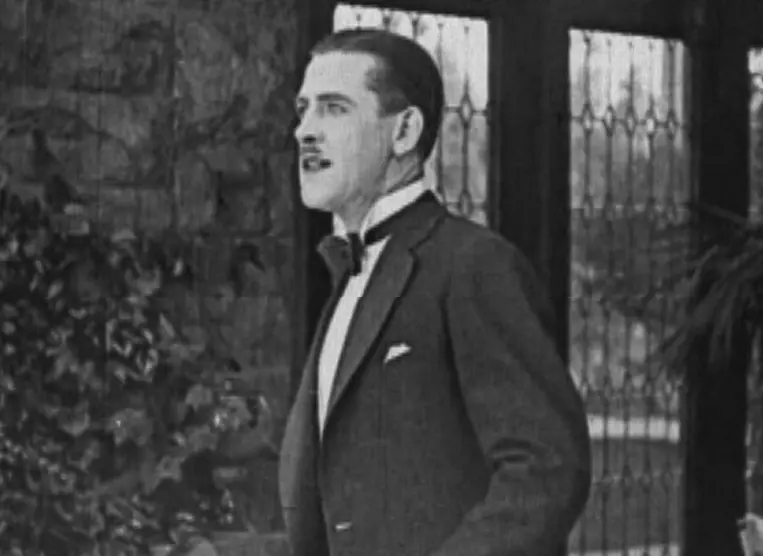
The editing is sharp, cutting between reactions and actions to heighten the comedic effect. There's a particular sequence where Charley is trying to avoid a certain character, and the quick cuts between his attempts and the character's unexpected reappearance are executed with a rhythm that still feels effective. It’s a testament to the era’s understanding of visual tempo, a lesson that could be applied to any fast-paced comedy, silent or sound.
The visual aesthetic of 'Be Your Age' is characteristic of 1920s Hollywood silent shorts: bright, clear, and focused on showcasing the performances. There's an unpretentious quality to the cinematography that allows the comedic brilliance of Chase and the ensemble to shine through without excessive stylistic flourishes. The sets are practical and serve the narrative, providing believable backdrops for the escalating farce.
The tone is consistently lighthearted, even with the undercurrents of desperation and manipulation. It's a film designed to elicit laughter, and it largely succeeds. The humor is broad enough to be accessible but often contains a clever twist or a surprising reaction that elevates it above mere slapstick. It’s a delicate balance, one that many silent comedies struggled to maintain, but 'Be Your Age' achieves it with apparent ease.
One unconventional observation: the film’s portrayal of Mrs. Schwartzkopple, while a caricature, subtly critiques the societal expectations placed on wealthy widows. Her immediate desire for a younger husband, rather than mourning or independence, is played for laughs, but it also reflects a certain societal pressure or perceived entitlement. It’s a surprising layer in what could otherwise be a straightforward farce, distinguishing it from simpler comedies like His Bitter Half.
Absolutely. For a film clocking in at just under 20 minutes, 'Be Your Age' packs a remarkable amount of comedic punch and historical value. It's an accessible entry point into the world of Charley Chase, whose particular brand of humor deserves wider recognition.
However, temper your expectations. This is a product of its time. The humor relies on visual gags, character reactions, and a plot that unfolds without dialogue. If you’re looking for a complex plot or deep character studies, you won't find them here. But if you want to see pure, unadulterated silent comedy performed by masters of the craft, then yes, it’s worth seeking out.
It’s funny. But it’s fleeting. And that fleeting nature is part of its charm. It doesn't overstay its welcome, delivering its laughs efficiently and gracefully.
'Be Your Age' is more than just a historical footnote; it is a vibrant, genuinely funny piece of silent cinema that showcases the unique talents of Charley Chase. It’s a testament to the enduring power of well-executed physical comedy and tight, efficient storytelling. While it won't appeal to every modern sensibility, for those willing to engage with its particular charm, it offers a delightful and insightful journey into the comedic heart of the 1920s.
This film is a strong recommendation for anyone with a passing interest in film history or a desire to experience the foundational elements of screen comedy. It serves as a reminder that true humor, rooted in human foibles and relatable predicaments, truly is timeless, even if the medium evolves. Give it a watch; you might just discover a new favorite silent star.
IMDb 5.1
1921
Community
Log in to comment.