DbcultAccessing Vault...
7.6/10
Senior Film Conservator
A definitive 7.6/10 rating for a film that redefined the boundaries of cult cinema. Jerry the Giant remains a cornerstone of transgressive art.
Short answer: yes, but only if you have a deep-seated affection for the primitive energy of 1920s slapstick and animal-led chaos. It is a film that captures a very specific moment in cinematic history where the safety of the actors was clearly secondary to the punchline.
This film is for silent movie enthusiasts and those who study the evolution of child stars in Hollywood. It is definitively NOT for viewers who require a tight, logical narrative or those who are sensitive to the historical treatment of circus animals.
1) This film works because the physical chemistry between Harry Cornell and Pal the Dog creates a genuine sense of camaraderie that transcends the silent medium.
2) This film fails because the plot is essentially a loose collection of chase sequences that lack a cohesive emotional arc or stakes beyond simple evasion.
3) You should watch it if you want to see how early filmmakers utilized live animals to create spectacle long before the era of CGI and green screens.
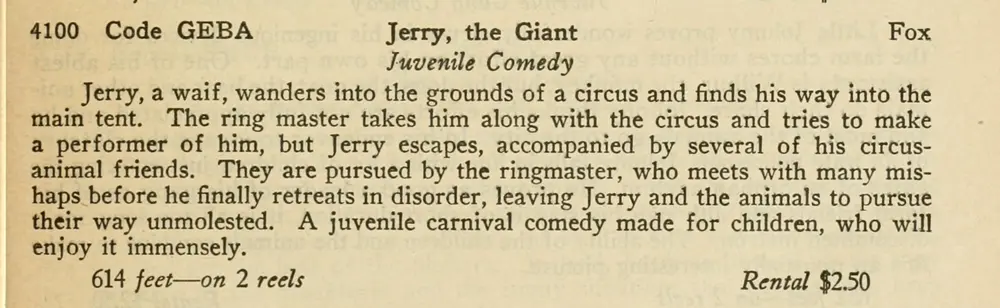
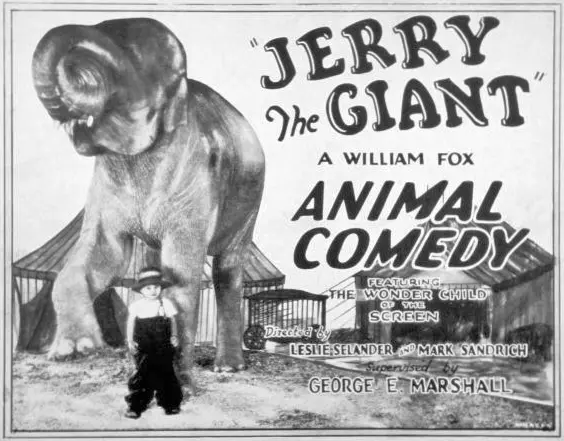
Jerry the Giant is less of a cohesive story and more of a rhythmic exercise in evasion. We find our protagonist, Jerry (played with a surprising amount of grit by Harry Cornell), embedded in the world of tramps and vagabonds. This isn't the romanticized version of the road seen in later films; it’s a dusty, frantic struggle against an ever-looming sheriff. The introduction of the tramps sets a tone of social fringe-dwelling that was common in the post-war silent era, reminiscent of the societal outcasts in The Third Generation.
The shift to the circus setting is where the film finds its pulse. When Jerry enters the menagerie, the camera lingers on the animals with a documentary-like curiosity. This isn't just background noise; the animals are characters. When Jerry hides among the elephants, the scale of the beasts compared to the small boy creates a visual tension that modern films often fail to replicate with digital effects. It’s raw. It’s dangerous. It works. But it’s flawed.
Let’s be honest: the humans are secondary. Pal the Dog is the true engine of this film. In an era where animal actors were becoming major box office draws, Pal stands out for his ability to react to the environment. Unlike the more stoic performances in Tracked in the Snow Country, Pal’s role in Jerry the Giant is one of active mischief. He is the one who spots the sheriff first; he is the one who facilitates the escape through the pony stables.
One specific scene involves Pal distracting a guard while Jerry slips through a tent flap. The timing is impeccable. You can see the hand of the trainer just off-camera if you look closely enough, but the illusion holds because of the dog's natural charisma. It’s an unconventional observation, but Pal’s performance is more nuanced than that of the sheriff, who plays the role with the standard, wide-eyed overacting typical of the period’s lesser villains.
The direction is functional, prioritizing the gag over the atmosphere. While films like The Eyes of the World attempted to bring a certain poetic weight to the silent screen, Jerry the Giant is content to be a crowd-pleaser. The pacing is relentless, which is both a blessing and a curse. The first ten minutes fly by in a blur of dust and running feet, but by the second act, the repetitive nature of the chase begins to wear thin.
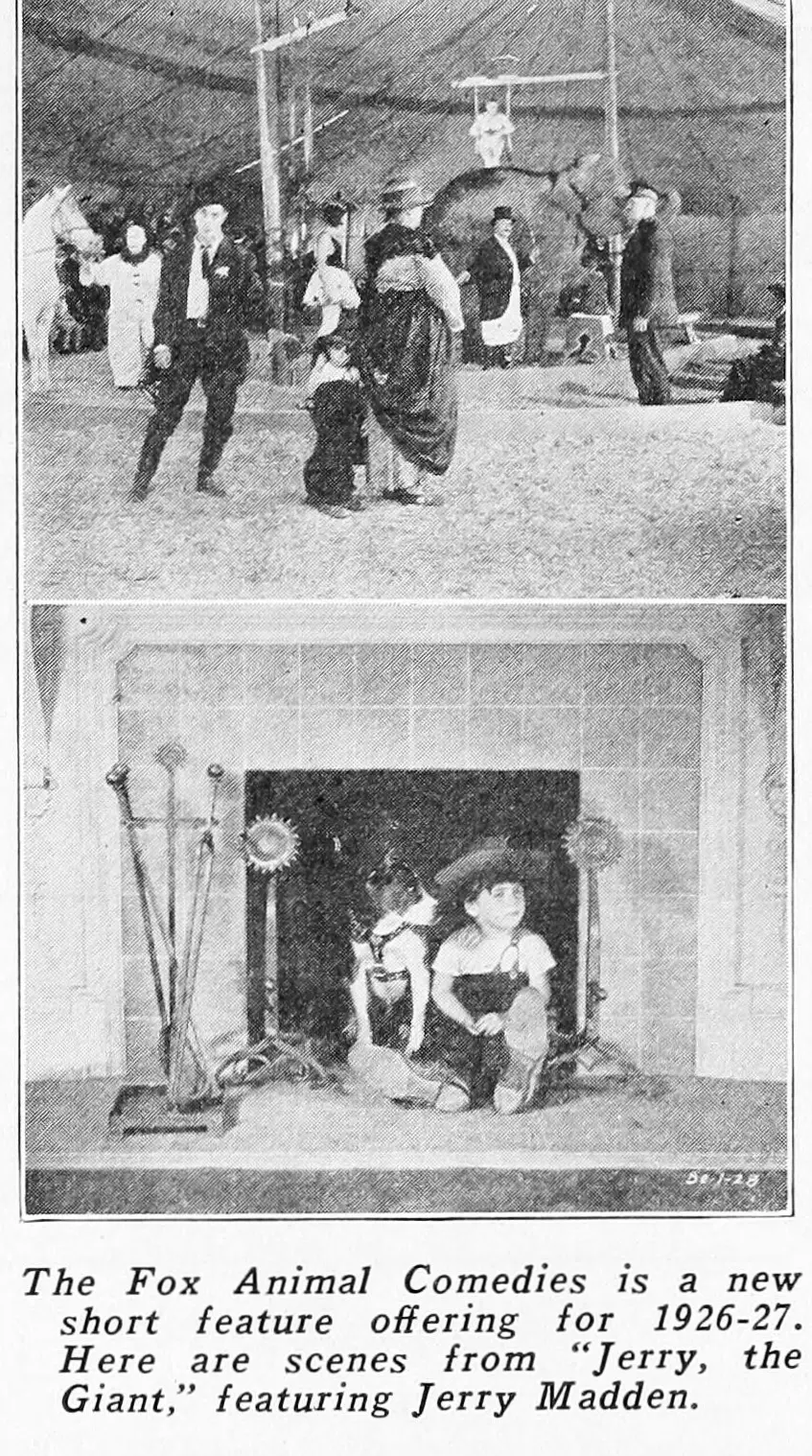
The use of the circus as a labyrinth is the film's strongest directorial choice. The way the sheriff is constantly thwarted by the sheer scale of the circus equipment—ropes, cages, and wagons—turns the environment into a character. It reminds me of the intricate set-pieces found in The Carpet from Bagdad, though on a much more grounded, gritty scale. The cinematography is standard for the mid-20s, favoring wide shots to capture the full scope of the animal stunts, which was a necessity for safety as much as it was for the visual.
The final confrontation is where the film earns its title. Jerry enlists the help of the entire menagerie. There is a specific moment where an elephant uses its trunk to hoist Jerry out of reach of the sheriff that remains impressive nearly a century later. It’s a moment of pure cinematic joy that balances the somewhat grim opening of the film. The sheriff is treated as a buffoon, a common trope that allows the audience to cheer for the law-breaking protagonist without guilt.
However, one must take a stance on the ethics of the production. The animals are clearly being prodded to perform, and while this was standard practice in 1926, it adds a layer of discomfort for the modern viewer. If you can move past the historical context, the choreography of the final chase is a masterclass in silent film logistics. It lacks the sophistication of Spartacus, but it possesses a frantic, low-budget charm that is hard to dislike.
If you are looking for a quick, 1920s thrill that showcases the bond between a boy and his dog, then Jerry the Giant is worth your time. It is a short, punchy experience that doesn't overstay its welcome. However, if you are looking for a deep emotional journey or complex character development, you should look elsewhere. It is a spectacle-first production that relies heavily on the novelty of its circus setting.
Jerry the Giant is a fascinating, if somewhat shallow, piece of early Hollywood entertainment. It doesn't have the artistic ambitions of The Primrose Path, but it doesn't need them. It is a film designed to make children laugh and adults marvel at the sight of a boy riding an elephant. While the comedy is dated and the logic is strained, the sheer kinetic energy of the production keeps it afloat. It’s a loud, silent movie. It’s a giant story about a small boy. It works. But it’s flawed.
IMDb 7.8
1927
Community
Log in to comment.