DbcultAccessing Vault...
7.3/10
Senior Film Conservator
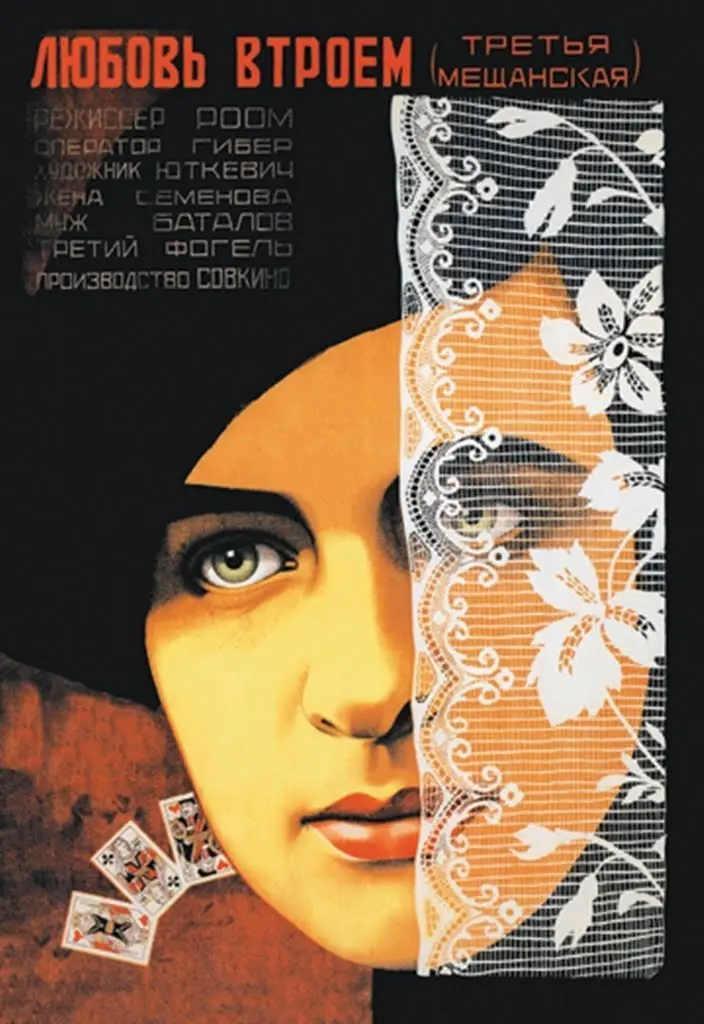
A definitive 7.3/10 rating for a film that redefined the boundaries of cult cinema. Bed and Sofa remains a cornerstone of transgressive art.
Short answer: Is Bed and Sofa worth watching today? Yes, but only if you can handle a silent film that feels more cynical and socially observant than most modern dramas. This film is for viewers who appreciate gritty social realism and feminist history; it is absolutely not for those seeking a lighthearted vintage escape or an idealized view of romance.
This film works because it uses the physical constraints of a tiny basement apartment to expose the emotional rot of a marriage built on convenience rather than respect. This film fails because the middle section drags as it waits for the inevitable confrontation between the two men, occasionally losing the sharp satirical edge established in the opening act. You should watch it if you want to see a 1927 film tackle reproductive rights and the 'New Woman' with a level of honesty that would be censored in Hollywood for the next forty years.
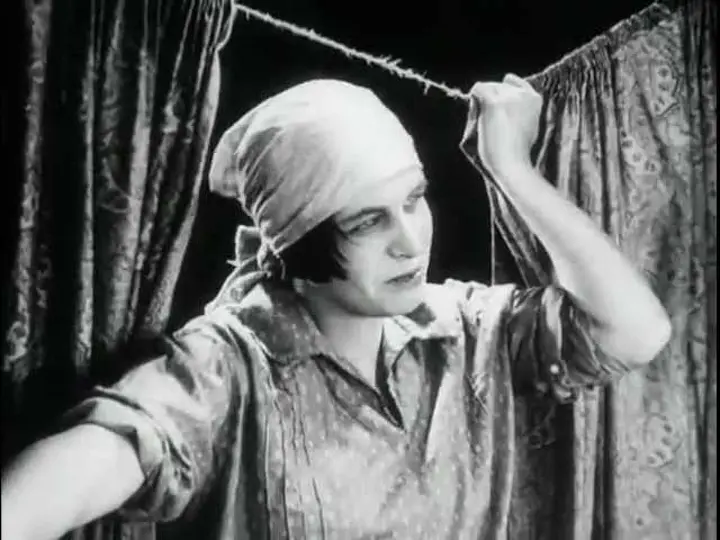
Abram Room’s 1927 work is often categorized as a comedy, but it feels more like a slow-motion car crash. The setting is Moscow during the New Economic Policy (NEP) era, a time of extreme housing shortages. People weren't just living on top of each other; they were suffocating. The apartment in Bed and Sofa is a character in itself. It is grimy, cluttered, and perpetually dusty. The camera lingers on the cramped corners and the shared tea service, making the audience feel the lack of privacy.
Consider the scene where Kolia first invites Volodia to stay. It isn't a grand gesture of friendship; it’s a casual, almost thoughtless act of male bonding that completely ignores Liuda’s presence. This sets the tone for the entire film. The men treat the space—and the woman in it—as something to be partitioned and shared. It is a brutal look at how socialist ideals of 'sharing' could be twisted into a new form of patriarchy. This isn't the pastoral idealism found in Lazybones; this is the harsh, soot-covered reality of urban survival.

The dynamic between Kolia (Nikolay Batalov), Volodia (Vladimir Fogel), and Liuda (Lyudmila Semyonova) is fascinatingly ugly. Batalov plays Kolia with a cheerful, oblivious chauvinism that is deeply irritating. He loves his wife, but only in the way one loves a reliable appliance. When he returns from a work trip to find his friend has usurped his place in the bed, his reaction is one of wounded pride rather than heartbroken betrayal. He is more upset about the breach of 'bro-code' than the loss of his wife’s affection.
Volodia is no better. He starts as the grateful guest and quickly becomes a petty tyrant. The moment he gains 'access' to the bed, he begins demanding the same domestic services from Liuda that Kolia did. The film brilliantly illustrates that the problem isn't which man Liuda is with—it’s the fact that both men view her as an object. This is a much darker take on domesticity than the light-hearted fluff found in April Folly.
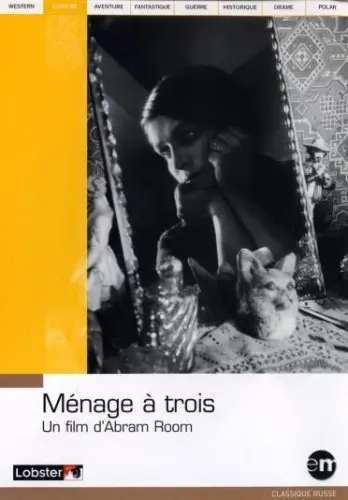
Yes, Bed and Sofa is essential viewing for anyone interested in the evolution of feminist cinema. While many films of the era were obsessed with grand spectacles or revolutionary propaganda, Abram Room focused on the 'petty' life of the apartment. It is worth watching for the final act alone, where the film takes a turn that was decades ahead of its time. It treats a woman’s decision regarding her own body and future with a matter-of-factness that remains refreshing.
The script, co-written by the legendary formalist Viktor Shklovskiy, applies the concept of 'defamiliarization' to the home. By forcing three people into two pieces of furniture, the film makes the 'normal' family unit look absurd. There is a specific scene involving a game of checkers that serves as a perfect metaphor for their lives. The men move pieces around the board with the same calculated indifference they use to move Liuda between the bed and the sofa. It’s a quiet, devastating moment of realization for the audience.

The cinematography by Grigori Giber avoids the flashy montage style of Eisenstein. Instead, it opts for a steady, almost voyeuristic gaze. We are stuck in that basement with them. We see the dirt under the fingernails and the boredom in Liuda’s eyes. It’s a film that understands that the most significant revolutions happen in the kitchen, not on the battlefield. It shares a certain gritty spirit with The Tigress, though it trades wilderness for the concrete jungle of Moscow.
The plot reaches its zenith when Liuda discovers she is pregnant. Neither man knows who the father is, and frankly, neither man cares about anything other than how the child will affect their comfort. The sequence in the waiting room of the abortion clinic is one of the most powerful in silent cinema. There is no moralizing. There is no melodrama. There is only a line of tired women waiting to make a choice. Liuda’s ultimate decision to leave both men and the city behind is a rejection of the entire patriarchal structure.
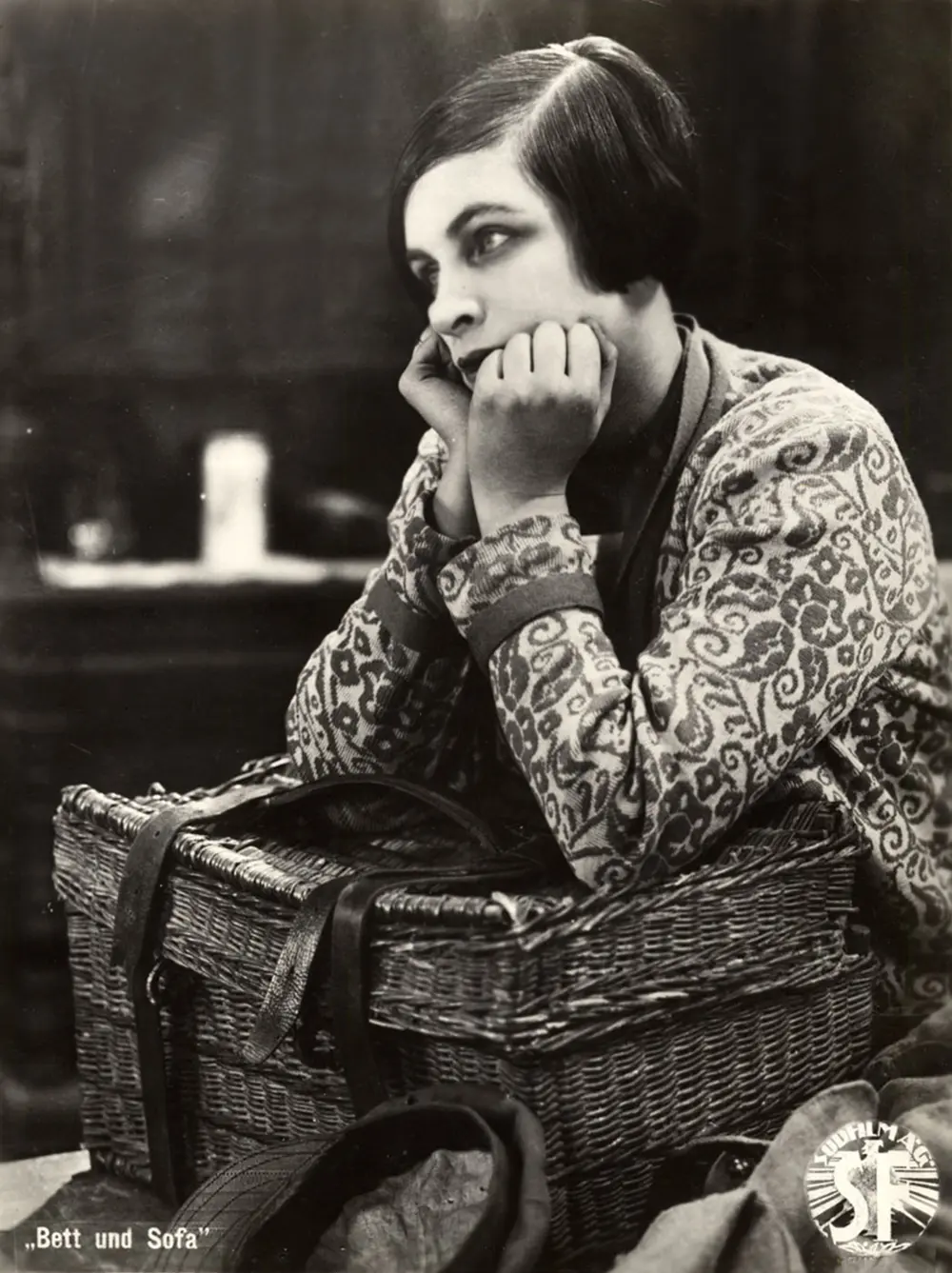
It is a punchy, unsentimental conclusion. She doesn't find a new prince. She finds a train ticket. The film argues that independence is better than a comfortable cage, even if that cage has a sofa. It’s a message that feels surprisingly relevant in an era where domestic labor and bodily autonomy are still hot-button issues. It avoids the theatricality of The Little Mademoiselle and opts for something far more grounded and painful.
Pros: Unflinching social commentary; incredible use of limited space; a genuinely radical ending; strong lead performance.
Cons: Pacing issues in the second act; the men are almost too unlikable to maintain dramatic tension; some of the humor is lost to time.
Bed and Sofa is a minor miracle of silent cinema. It manages to be funny, depressing, and empowering all at once. It doesn't rely on intertitles to explain its themes; it shows them through the way a man drinks his tea or the way a woman looks at a train through a window. It works. But it’s flawed. The male characters are caricatures of mediocrity, which makes Liuda’s eventual departure feel inevitable rather than surprising. However, as a historical document and a piece of art, it remains vital. It is a reminder that the personal is always political, especially when you’re sharing a sofa with your husband’s best friend.

IMDb 7.9
1930
Community
Log in to comment.