DbcultAccessing Vault...
6.2/10
Senior Film Conservator
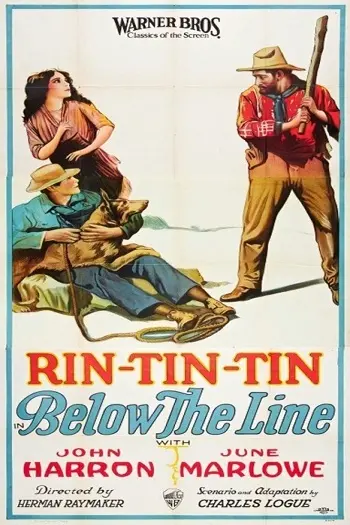
A definitive 6.2/10 rating for a film that redefined the boundaries of cult cinema. Below the Line remains a cornerstone of transgressive art.
In an era where Hollywood often treated dogs as mere props, *Below the Line* elevates Rin-Tin-Tin to mythic proportions. This 1930s melodrama, directed with a flair for the theatrical, turns a German Shepherd into a near-sentient force of righteousness, navigating a narrative that veers from slapstick to noir with alarming frequency. The film’s opening sequence—a dramatic plunge from a train car into icy waters—establishes its tone: operatic, overwrought, and utterly committed to its own grandeur.
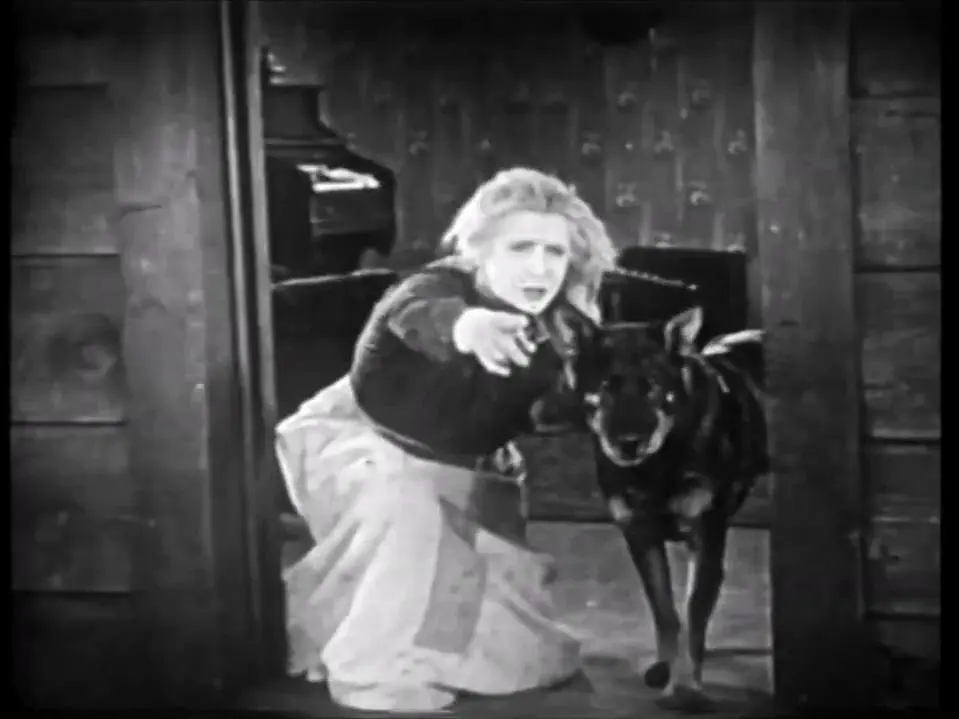
Rin-Tin-Tin’s transformation from snarling outcast to noble protector is the emotional backbone of this film. The scene in which he clings to the splintering branches of a weather-beaten tree, a metaphor for his tenacity, is less a moment of action and more a ballet of survival. Yet, for all its visual poetry, *Below the Line* is a film that demands suspension of disbelief. The relentless downpours, the hero’s perpetual stumble through mud-choked woods, and the heroine’s silent suffering—all are rendered with such unapologetic melodrama that they verge on parody.
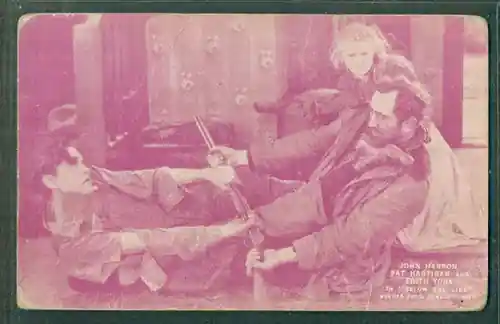
Rin-Tin-Tin’s role is not merely that of a pet or sidekick but of a moral compass in a corrupt world. His takedown of the murderer Jamber Niles—a sequence involving bloodhounds and a final, almost ritualistic confrontation—is the film’s apex. Here, the dog’s actions are less about physicality and more about symbolic justice, a theme that resonates with the era’s anxieties about order and chaos. The sheriff’s reliance on a button and a scrap of cloth as evidence feels quaint, almost archaic, in contrast to Rin-Tin-Tin’s intuitive, almost supernatural, ability to track and destroy evil.
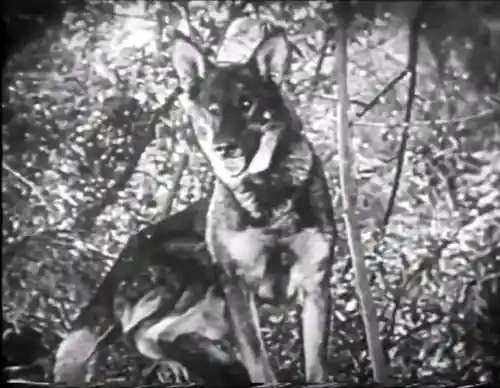
The film’s over-the-top elements—think intertitles so melodramatic they induce eye-rolling and chases through forests that defy logic—are not flaws but features. *Below the Line* embraces its theatrical roots, transforming every scene into a stage play with exaggerated gestures and chiaroscuro lighting. The rain-soaked sequences, while visually striking, serve as a constant reminder of the inescapable struggle between man (and dog) and nature. In one particularly absurd moment, the heroine is drenched and delirious, her plight underscored by a title card that reads, “The storm mirrors her soul.” It’s the kind of poetic excess that only 1930s cinema could justify.
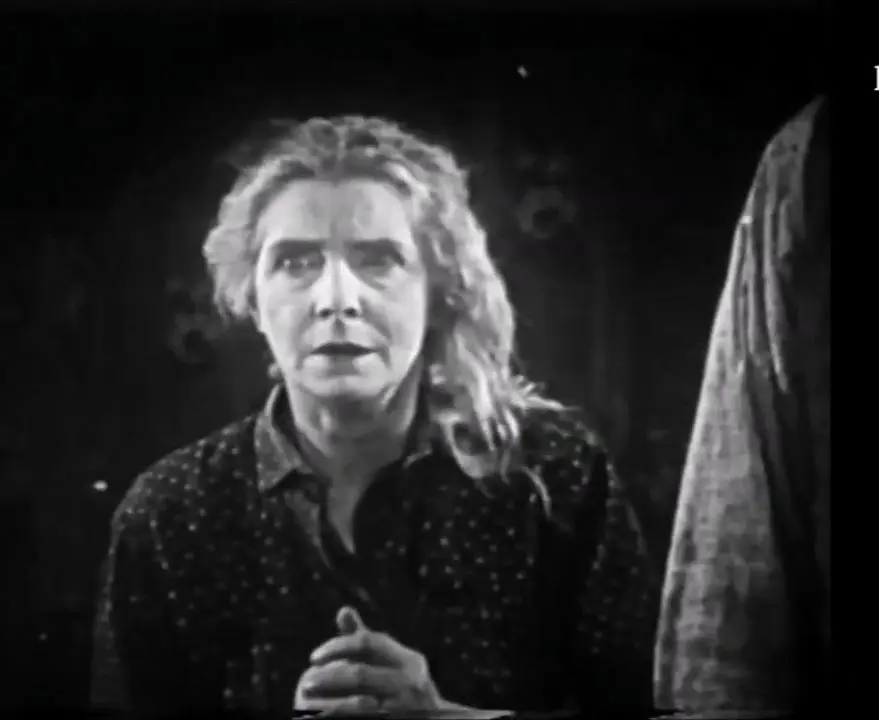
If Rin-Tin-Tin is the film’s heartbeat, the human actors are its nervous system—functional but underwhelming. Pat Hartigan and Victor Potel deliver performances that lean into the era’s penchant for stoicism, their expressions as rigid as the furniture in their sets. June Marlowe’s heroine is a cipher, her emotional range limited to wide-eyed terror and fainting spells. The villains, particularly Jamber Niles, are drawn with a cartoonish villainy that borders on self-parody. Taylor N. Duncan’s sheriff is more caricature than character, his investigation reduced to a series of red herrings and misplaced clues.
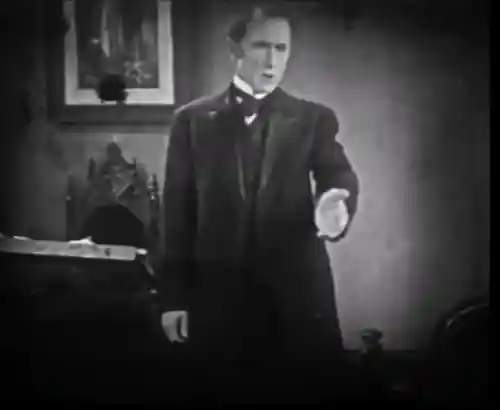
Placing *Below the Line* alongside contemporaries like *All Wet* or *Unclaimed Goods* reveals a shared obsession with canine heroism, though Rin-Tin-Tin’s films consistently elevate the genre with their operatic sensibilities. The comparison with *Hello, Mars!* is more tenuous, as the latter’s sci-fi elements contrast sharply with this film’s earthbound drama. Yet both films share a commitment to spectacle over subtlety, a hallmark of pre-Code Hollywood. The influence of Rin-Tin-Tin’s earlier roles, such as in *Smarty*, is evident in his physicality, but here, his persona is less about charm and more about stoic endurance.
Decades later, *Below the Line* remains a curious artifact of a bygone cinematic era. Its unrelenting melodrama and reliance on visual shorthand may alienate modern viewers, yet it offers a fascinating glimpse into how early Hollywood weaponized emotion for mass appeal. Rin-Tin-Tin’s legacy is secure, not just as an actor but as a symbol of the era’s unshakable belief in the moral superiority of animals. The film’s flaws—its overuse of intertitles, its lack of character development—are paradoxically its strengths, allowing it to function as a pure distillation of 1930s melodrama.
For fans of retro cinema, *Below the Line* is a time capsule. For casual viewers, it’s a reminder of how far storytelling has evolved—and how much it has lost in the process. The final act, where Rin-Tin-Tin ascends the tree to deliver his verdict on justice, is less a narrative resolution than a celebration of the genre’s unapologetic excess. In a world increasingly obsessed with realism, this film dares to believe in miracles—canine and otherwise.
Want to explore more Rin-Tin-Tin classics? Check out All Wet or Unclaimed Goods for more tales of four-legged heroism. For a contrast in tone and style, Hello, Mars! offers a glimpse into sci-fi’s early days, while Madame X showcases the era’s fascination with moral ambiguity. Each film, in its own way, reflects the cinematic DNA of a time when drama was loud, emotions were larger than life, and dogs could be kings.
IMDb —
1920
Community
Log in to comment.