DbcultAccessing Vault...
7.1/10
Senior Film Conservator
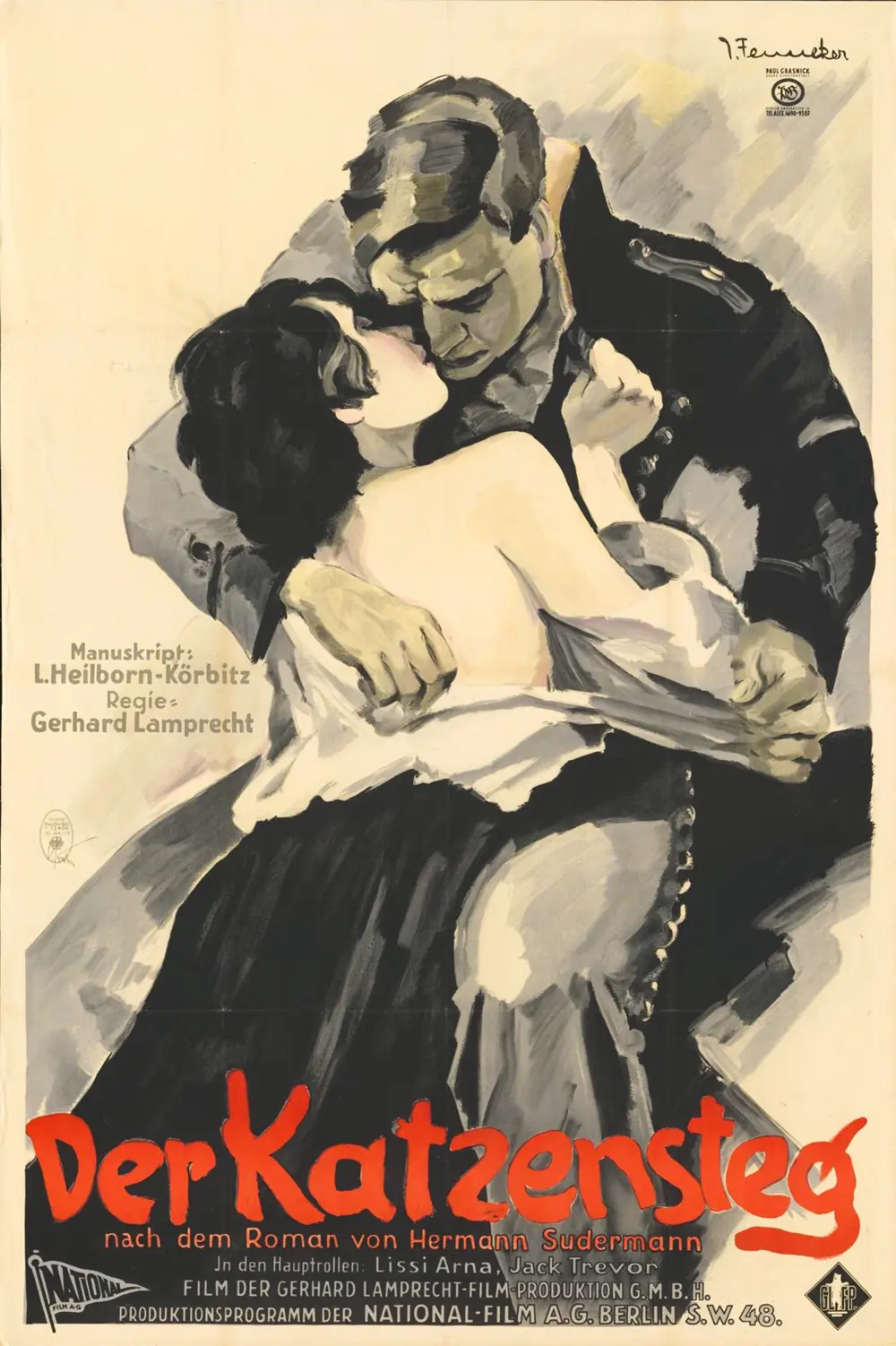
A definitive 7.1/10 rating for a film that redefined the boundaries of cult cinema. Betrayal remains a cornerstone of transgressive art.
Is this film worth watching today? Short answer: Yes, but only if you are prepared for a psychological interrogation rather than a historical epic. This film is for the viewer who enjoys the gritty realism of Weimar-era cinema; it is decidedly not for those seeking a romanticized or action-packed period piece.
Before we dive into the murky depths of Prussian politics, let's be clear about where this film stands in the pantheon of late silent cinema.
Betrayal is absolutely worth watching for anyone interested in the evolution of political drama. Unlike many films of its era that relied on grand spectacle, this movie focuses on the suffocating atmosphere of a home divided. It is a sharp, uncomfortable experience that feels surprisingly modern in its depiction of how political polarization can turn family members into strangers. If you value character depth over pyrotechnics, this is a mandatory watch.
The core of Betrayal lies in the performance of Ekkehard Arendt as the Prussian son. His face is a canvas of repressed fury. Unlike the more expressive acting found in American silents like The Old Nest, Arendt employs a stiff, almost skeletal physicality. This isn't just a stylistic choice; it represents the rigid Prussian code that is slowly strangling him. Every time he looks at his father, played with a slippery, opportunistic grace by Rudolf Lettinger, you can feel the air leave the room.
The father’s betrayal isn't just political; it is an existential threat to the son’s identity. The film excels at showing the mundane details of this betrayal—the hushed conversations with French officers, the subtle shift in the household’s economy. It makes the grand political shifts feel personal and grimy. This isn't a film about kings and generals; it’s about the people who have to live in the wreckage of their decisions.
One of the most debatable and daring aspects of the film is its portrayal of the local patriots. In a typical nationalist drama, these would be the heroes. Here, Lamprecht treats them with a lens of suspicion that borders on horror. There is a specific scene in a local tavern where the 'patriots' plot their revenge. The lighting is harsh, casting long, distorted shadows that make the men look less like liberators and more like the monsters found in The Wolf Man.
The son’s condemnation of these men is the film’s moral heart. He realizes that their 'spirit of revenge' is just as toxic as his father’s treachery. This nuance is rare for 1928. It suggests that once a society begins to value vengeance over justice, everyone has already lost. The film doesn't just ask who is right; it asks if anyone is left untainted. It’s a cynical stance, and it works. But it’s flawed by how much it expects the audience to tolerate the son’s own growing nihilism.
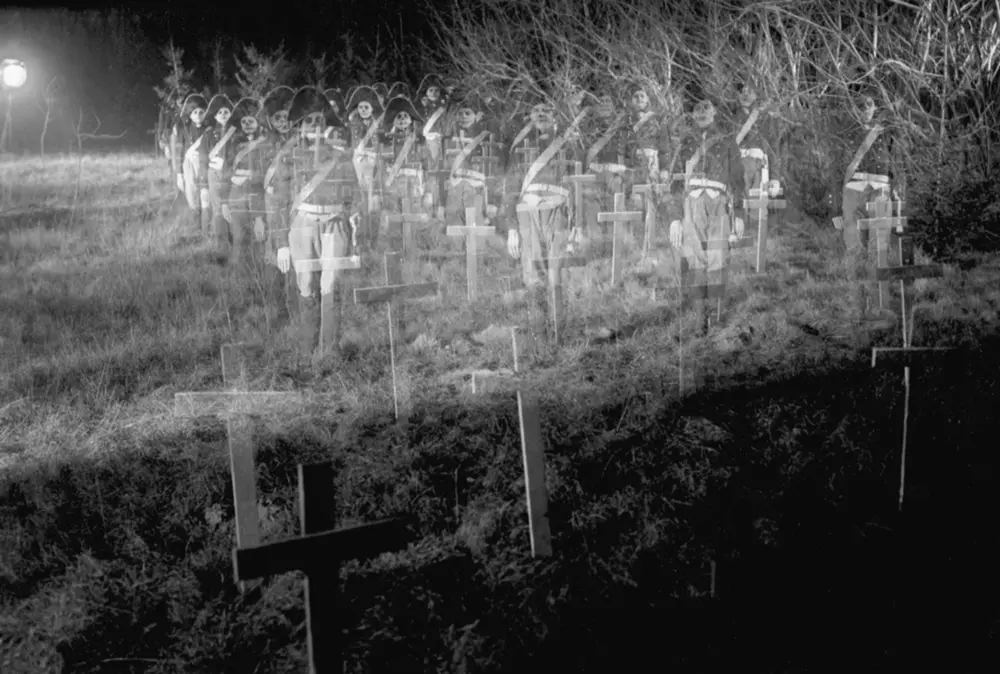
Gerhard Lamprecht, known for his 'social justice' films, brings a documentary-like precision to the period setting. The costumes don't look like costumes; they look like clothes that have been lived in, sweated in, and bled in. This realism sets it apart from the more polished aesthetics of films like The Dawn of Love. The cinematography by Karl Hasselmann avoids flashy camera movements, opting instead for static, oppressive compositions that mirror the son’s feeling of being trapped.
The pacing is deliberate. Some might call it slow. I call it honest. It takes time to watch a man’s worldview crumble. When the son finally confronts his father in the dimly lit study, the silence of the medium is used to devastating effect. We don't need to hear the shouts; we see the collapse of a lineage in the way the father refuses to meet his son’s eyes. It is a masterclass in visual storytelling that puts many modern dialogue-heavy scripts to shame.
Louise Woldera and Käthe Haack provide the emotional grounding that the male leads often lack. Woldera, in particular, captures the quiet desperation of a woman watching her world burn. Her performance is a necessary counterpoint to the masculine posturing of the political plot. While the men argue about borders and loyalty, the women are the ones left to manage the emotional fallout. This dynamic reminded me of the domestic tensions in The Narrow Street, though with far higher stakes.
Lissy Arna also makes a brief but impactful appearance, reminding us of the wider social consequences of the conflict. The film uses its female characters to highlight the collateral damage of political obsession. They are the ones who see the 'mindless spirit of revenge' for what it truly is: a waste of life. It’s a shame the script doesn't give them even more agency, as they often feel like observers to their own tragedy.
Pros:
- Exceptional lead performances that convey deep internal conflict without words.
- A nuanced take on patriotism that remains relevant in today's polarized climate.
- High production values that bring the Prussian era to life with gritty realism.
Cons:
- The film’s grim tone can be emotionally exhausting.
- Some supporting characters feel like political archetypes rather than real people.
- The pacing may feel sluggish to modern audiences used to faster edits.
Betrayal is a haunting, uncompromising piece of cinema. It is a film that demands your full attention and rewards it with a profound meditation on the cost of conviction. While it lacks the levity of something like The Love Swindle or the broad appeal of Headin' Home, it possesses a gravitas that is rare. It is a cold film, perhaps even a cruel one, but its honesty is undeniable. It works. But it’s flawed. And in that flaw lies its humanity. If you want to see a family disintegrate under the weight of history, look no further.
IMDb 5.9
1936
Community
Log in to comment.