DbcultAccessing Vault...
Cult Review
Senior Film Conservator
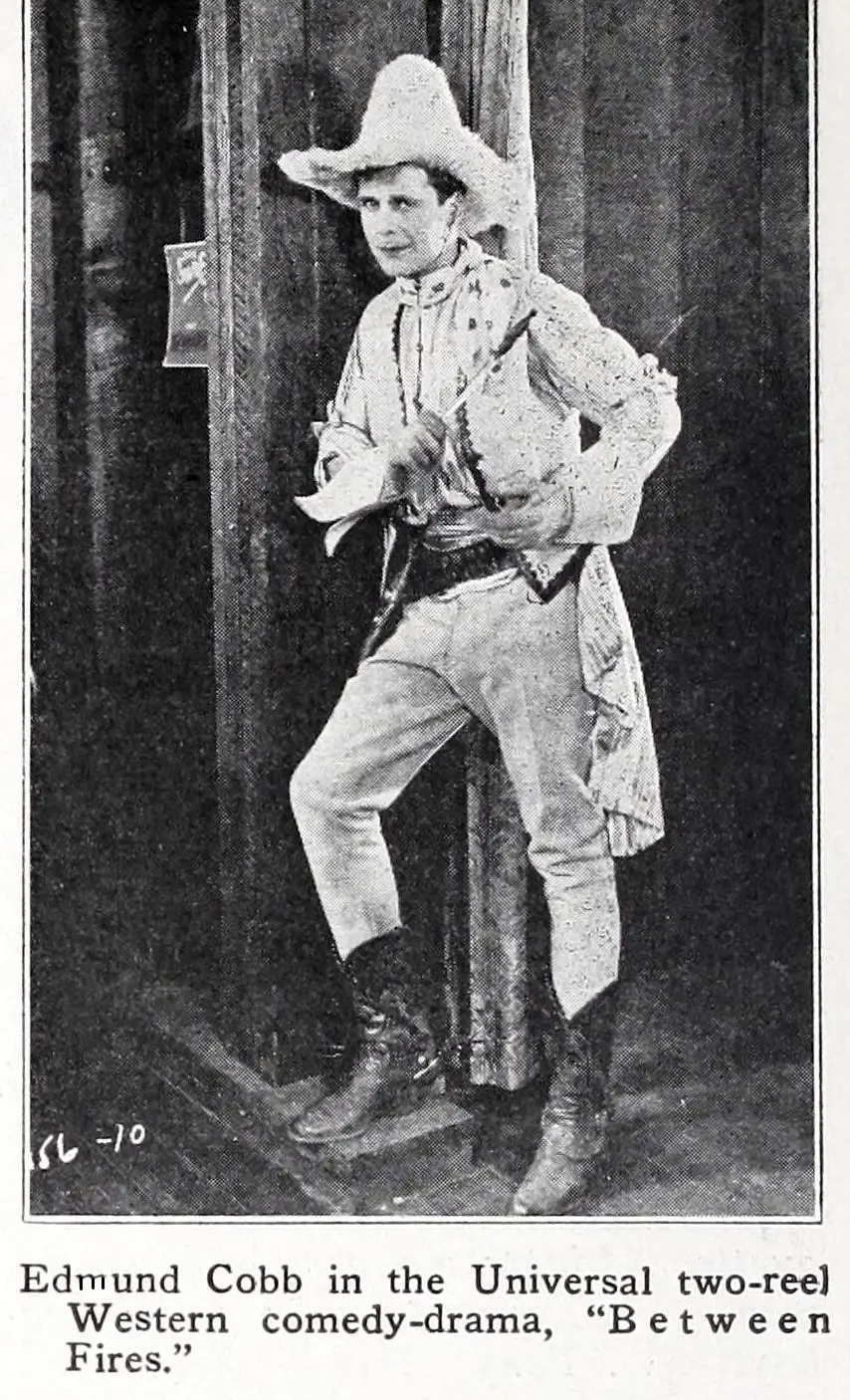
The silent era of cinema often birthed narratives that functioned as primordial myths, stripped of the sonic clutter that modern audiences find essential. Between Fires (1924) stands as a quintessential artifact of this era, a film that navigates the treacherous topography of honor, betrayal, and the redemptive power of truth. Directed during a pivotal transition in Western storytelling, this work eschews the simplistic 'white hat vs. black hat' dichotomy in favor of a more nuanced exploration of the human condition under duress.
At the epicenter of this tempest is Frank Dowling, portrayed with a brooding intensity by Edmund Cobb. Dowling is not a villain, yet he is forced into the role of a fugitive—a transition that mirrors the thematic weight found in Greed (1924), where financial ruin acts as the primary catalyst for moral decay. When Tom Calvert cheats Dowling of his life savings, the reaction is visceral. The shooting of Calvert is not presented as a cold-blooded execution but as a frantic reclamation of agency. This moment of violence is the 'fire' from which the title draws its name, a conflagration that threatens to consume everyone in Frank's orbit.
The screenplay by Carl Krusada exhibits a structural elegance that was often missing from the assembly-line Westerns of the 1920s. Krusada understands that the stakes must be personal. By making the Sheriff, Bob, a suitor for Frank's sister, Ethel (played with a delicate yet resilient grace by Florence Lee), the narrative introduces a layer of psychological complexity. Bob is caught in a vice between his oath to the badge and his devotion to the woman he loves. This internal conflict elevates the film beyond mere chase sequences, echoing the domestic tensions seen in The Other Man's Wife.
Visually, Between Fires utilizes the stark contrasts of the silent medium to articulate its emotional beats. The cinematography captures the isolation of the frontier, where the law is a fragile concept easily shattered by a mob’s thirst for retribution. The sequence where Ethel conceals her brother is filmed with a claustrophobic tension that rivals the suspense in In the Python's Den. Here, the house becomes a sanctuary that is simultaneously a cage, a visual metaphor for Frank’s predicament.
The pacing of the film is a masterclass in escalating dread. Unlike the more kinetic energy found in Trigger Fingers, Between Fires allows its moments of silence to breathe. We see the toll of the pursuit on Bob’s face; we feel the desperation in Ethel’s frantic attempts to shield her kin. The film’s ability to communicate these internal states without the aid of dialogue is a testament to the histrionic prowess of the cast. Edmund Cobb, in particular, avoids the over-the-top gesticulation common in the period, opting instead for a grounded, weary performance that anticipates the grit of later Revisionist Westerns.
One of the most compelling aspects of the film is its depiction of the 'mob.' In many contemporary works like Whom the Gods Would Destroy, the collective is often a force of nature. In Between Fires, the mob represents a failure of the social contract. They are the secondary fire, a mindless heat that threatens to bypass justice in favor of vengeance. The sheriff’s role in dispersing this mob is not just a heroic feat of arms but a restoration of the rule of law. It is a moment of profound bravery that serves as the ultimate proof of his worthiness to Ethel.
The revelation that Calvert is alive and has confessed to his crimes provides a necessary catharsis, but it does not diminish the weight of what preceded it. The film suggests that while the truth can set one free, the scars of the ordeal remain. This thematic maturity is what separates Between Fires from more ephemeral fare like Hello, Judge or the lighter tone of Flickering Youth. It shares a certain DNA with the atmospheric dread of The Storm (1922), where the environment itself seems to judge the protagonists.
When placing Between Fires alongside its peers, its unique blend of melodrama and Western tropes becomes evident. While The Man Unconquerable deals with themes of physical endurance, this film focuses on moral endurance. It lacks the Gothic morbidity of Drama na okhote or the feudal rigidity of Der Leibeigene, yet it maintains a somber dignity that is deeply affecting. It also avoids the overt didacticism of As a Man Sows, preferring to let the characters' actions speak to the film's ethical core.
The relationship between the lawman and the fugitive's sister is a trope that would be revisited countless times, but here it feels fresh, unburdened by the clichés that would later calcify the genre. It possesses the raw emotional stakes found in The Deemster or the tragic undercurrents of His Convict Bride. Even when compared to the more cynical Skinning Skinners, Between Fires maintains a belief in the possibility of redemption through individual integrity.
Carl Krusada’s contribution to the silent Western cannot be overstated. His ability to weave complex motivations into a sixty-minute runtime is exemplary. In Between Fires, he manages to balance a three-way character study while maintaining the propulsive energy required of a genre film. The dialogue intertitles are sparse, used only when necessary to clarify plot points, allowing the visual storytelling to occupy the foreground. This minimalist approach ensures that the emotional resonance is derived from the actors' expressions rather than explanatory text.
The production values, while modest, are utilized effectively. The use of natural light in the outdoor sequences creates a sense of authenticity, grounding the heightened melodrama in a tangible reality. The interior of the Dowling home is rendered with a warmth that contrasts sharply with the harsh, sun-bleached landscapes where the chase occurs. This juxtaposition reinforces the theme of the home as a fragile bastion against a world that has turned hostile.
To watch Between Fires today is to witness the foundations of American cinematic myth-making. It is a film that understands the precariousness of justice and the heavy price of survival. Edmund Cobb’s performance remains a highlight, offering a glimpse into the career of an actor who would become a staple of the B-Western but who here demonstrates the range of a true leading man. The film’s resolution, while satisfyingly romantic, does not shy away from the trauma that necessitated it.
In the grand tapestry of 1920s cinema, Between Fires is a thread of vibrant, dark orange—a story of heat and light that manages to illuminate the darker corners of the human heart. It is a work that deserves more than a mere footnote in film history; it warrants a place in the conversation about how the Western genre learned to speak before it ever found its voice.
Ultimately, the film succeeds because it treats its characters as more than just archetypes. They are individuals caught in the gears of a merciless fate, struggling to maintain their humanity when the world around them is ablaze. It is a testament to the enduring power of silent film that a story told a century ago can still resonate with such clarity and emotional force. Whether you are a scholar of the genre or a casual viewer seeking a window into the past, Between Fires offers a rich, rewarding experience that transcends its era.
IMDb 6.5
1933
Community
Log in to comment.