DbcultAccessing Vault...
Cult Review
Senior Film Conservator
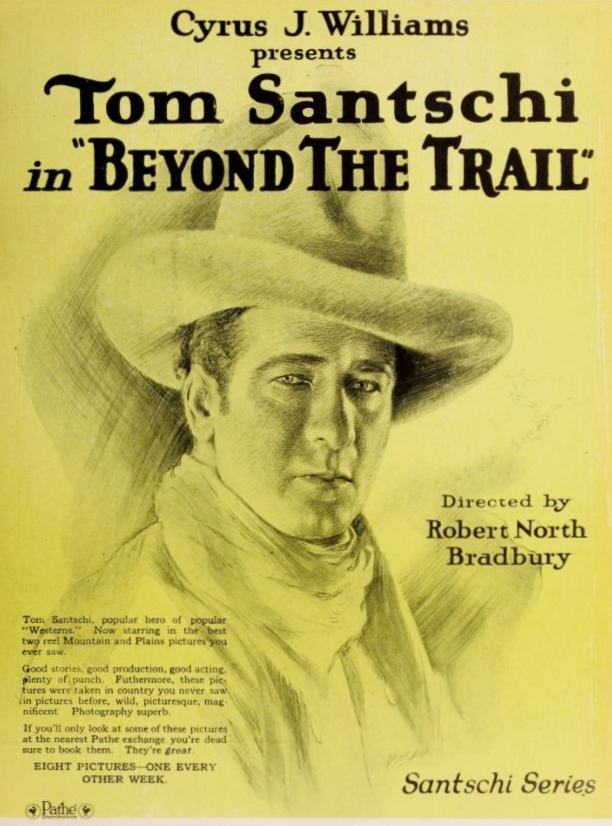
Frank Howard Clark’s Beyond the Trail is not a film that demands attention—it commands it, like the slow, inevitable approach of a mirage. Set against the desolate grandeur of the desert, this 1920s Western is a masterclass in visual storytelling and emotional restraint. With Gertrude Claire’s performance as the enigmatic woman with a child as its emotional nucleus, and Willys Galles’ Clem Martin as the brooding, haunted seeker, the film transcends its genre to become a study of human fragility within the vast, unyielding American landscape.
In the pantheon of early Westerns, Beyond the Trail occupies a peculiar space. It is neither the mythologized frontier of John Ford nor the moralistic parables of D.W. Griffith. Instead, it carves its own narrative path, one that is as much about the internal deserts of its characters as the external one that surrounds them. The plot—Clem searching for his brother Bud, who abandoned his family for the chaos of Yucca—serves as a vessel for deeper inquiries into identity, responsibility, and the illusion of escape. When Bud is killed in a bar, and Clem is left to raise his brother’s child, the film’s true essence emerges: the interplay between fate and choice, and the cost of becoming a guardian to another’s legacy.
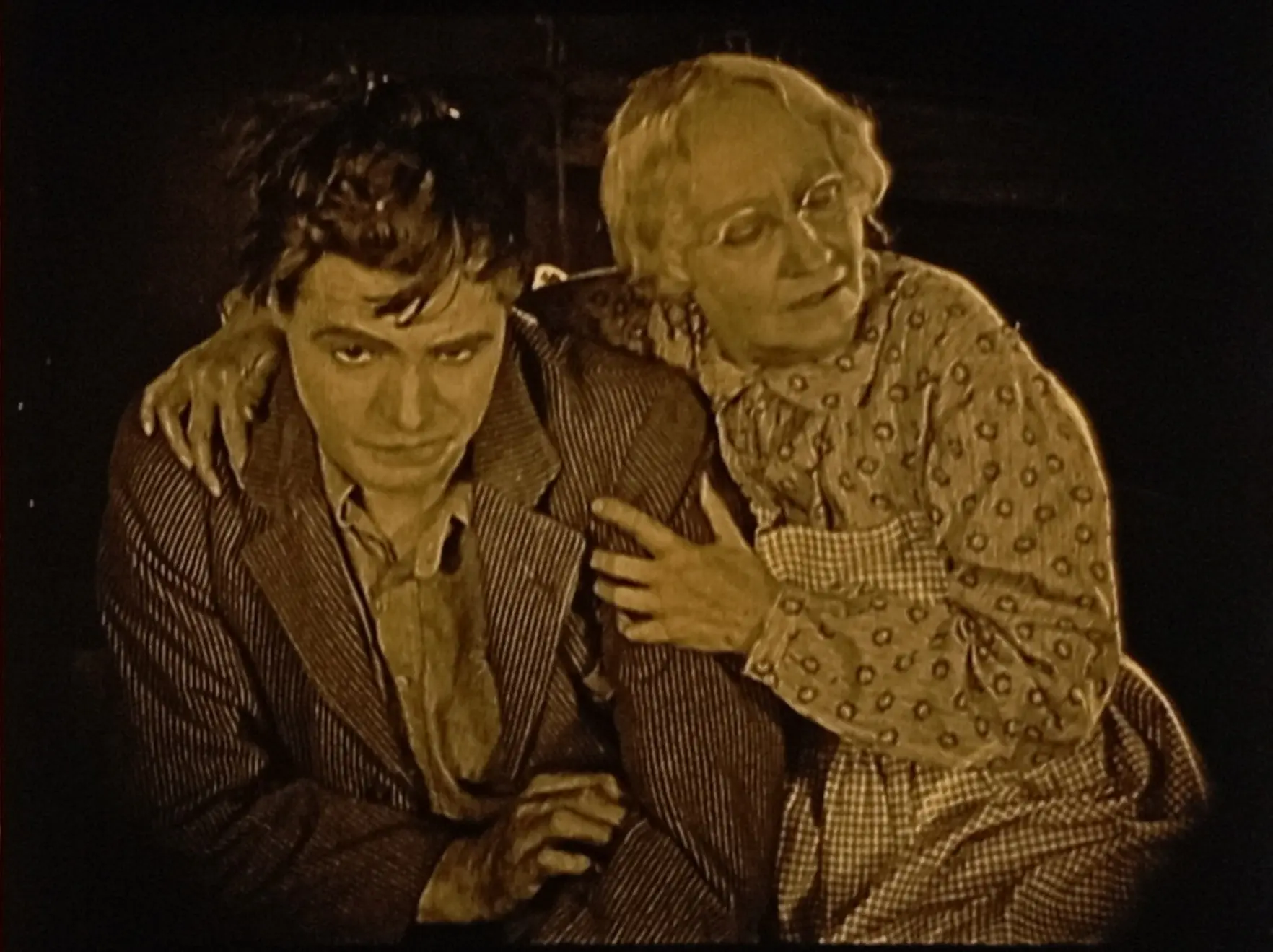
Gertrude Claire, as Bud’s widow, is a revelation. Her performance is a quiet tempest, conveyed through the subtlest of gestures—a glance that lingers, a hand that trembles as it cradles her child. Claire’s character is never fully explained; her past is hinted at through fragmented interactions, yet her presence is magnetic. This is a woman who has learned to exist in the margins, her grief and resilience etched into every frame. Willys Galles, as Clem, is the perfect counterbalance. His portrayal of a man torn between duty and despair is understated, yet searing. Galles’ face becomes a canvas for the desert’s brutality, his eyes reflecting the endless, sun-scorched horizon as he navigates a world that has already forgotten him.
The desert itself is a character in Beyond the Trail, rendered with a stark, almost painterly quality. Frank Howard Clark’s direction is deliberate, each shot composed with the patience of a sculptor chiseling stone. The film’s pacing is glacial, allowing the viewer to feel the weight of every moment. There is no score to distract, no dialogue to fill the silence. Instead, the sound of the wind and the crunch of boots on gravel become the film’s heartbeat. This minimalism is not a flaw but a feature, forcing the audience to confront the same isolation and inevitability that define the characters’ lives.
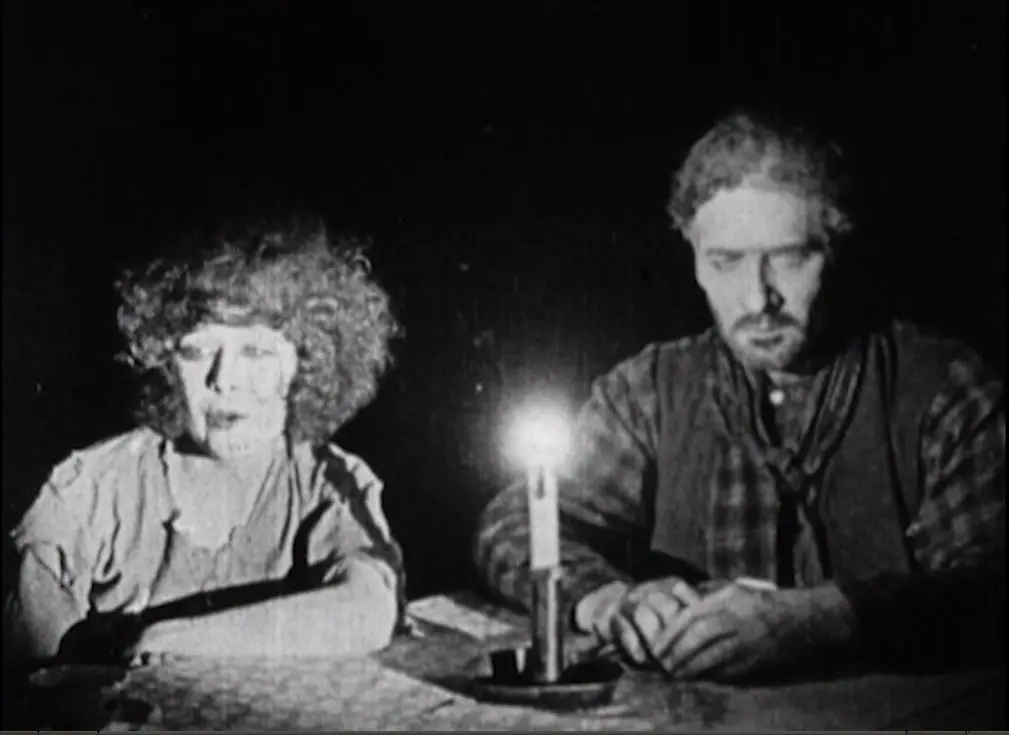
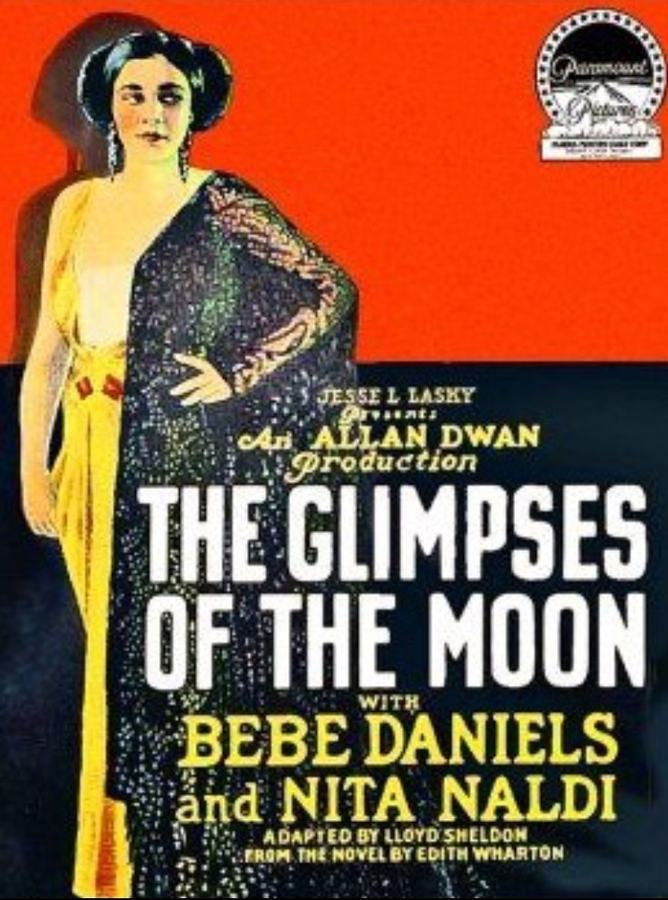
Comparisons to other Westerns of the era are inevitable, but Beyond the Trail diverges in its thematic focus. Unlike Save Me, Sadie, which leans into melodrama, or To Please One Woman, which prioritizes romantic entanglements, Clark’s film is a quiet, introspective work. It shares DNA with the austere beauty of Little Miss Rebellion, though it lacks the latter’s fiery confrontation with authority. The film’s closest kin might be Who’s Your Neighbor?, both in its exploration of familial obligation and its refusal to offer easy resolutions.
The editing, though rudimentary by modern standards, is purposeful. Long takes stretch taut like a guitar string, emphasizing the tension between Clem and the world he’s trying to reconcile with. The use of negative space—empty landscapes, stark close-ups—is striking. One particularly haunting scene involves Clem standing at the edge of a canyon, the camera slowly panning to reveal the child’s hand reaching for his. The absence of music here is profound; the only sound is the wind, and the silence is louder than any score.
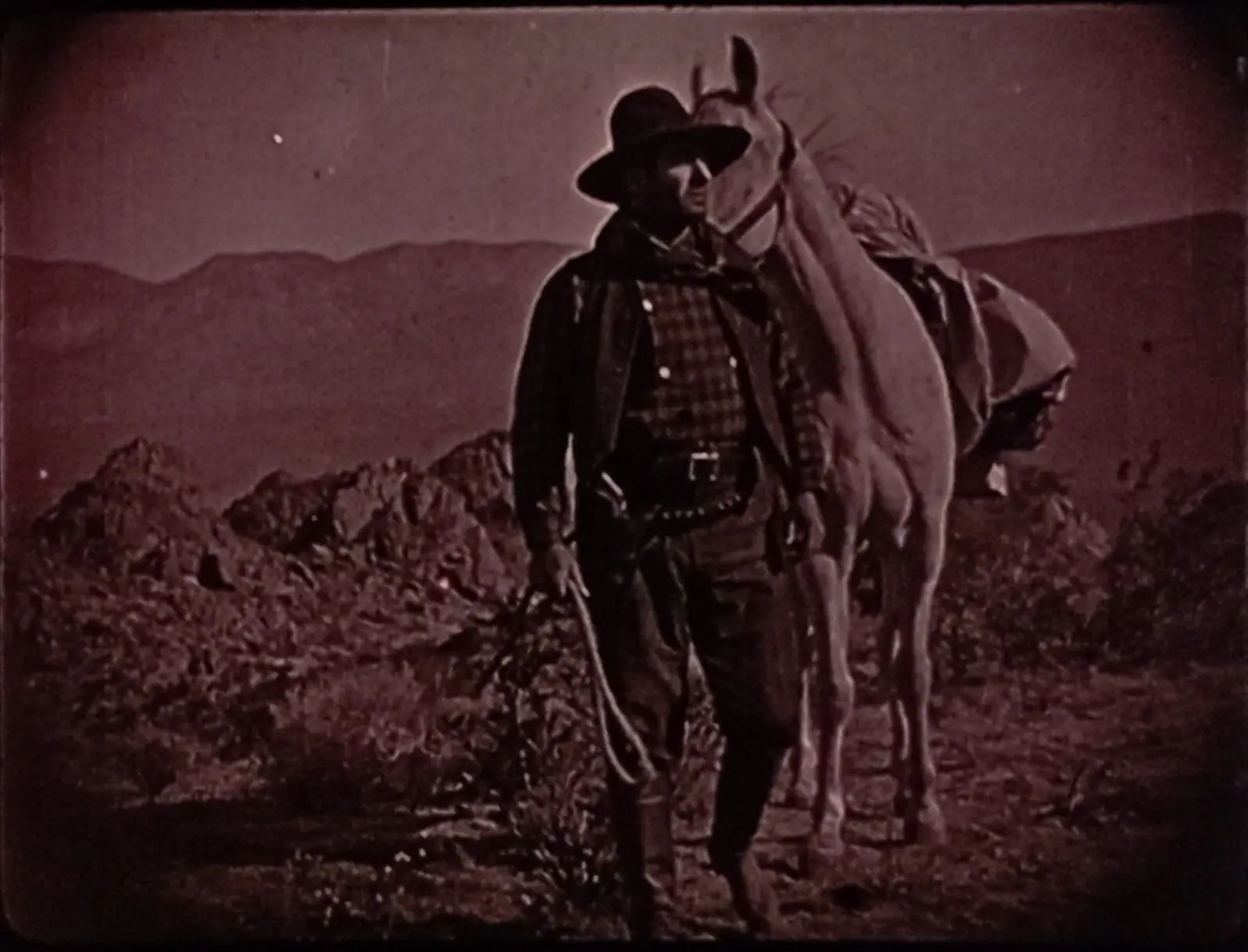
The film’s climax—Clem’s decision to stay in the desert and raise the child—is not a resolution so much as a surrender. There is no catharsis, no redemption arc. Instead, there is a quiet acceptance of duty, a recognition that some burdens are not chosen but inherited. This ambiguity has polarized critics. Some argue that the film’s refusal to provide closure is a disservice to its audience; others contend that it is precisely this ambiguity that makes Beyond the Trail so enduring. It is a film that trusts its viewers to find meaning in the absence of answers.
Technical aspects should not be overlooked. The cinematography, though grainy by today’s standards, captures the desert’s duality—a place of beauty and desolation. The use of light and shadow is masterful; in one sequence, the dying Bud is bathed in a golden glow as he clutches a bottle of whiskey, the light slowly fading as the camera pulls back to reveal Clem’s motionless form in the foreground. This interplay of illumination and obscurity mirrors the film’s central themes: the fleeting nature of life and the darkness that lingers in its wake.
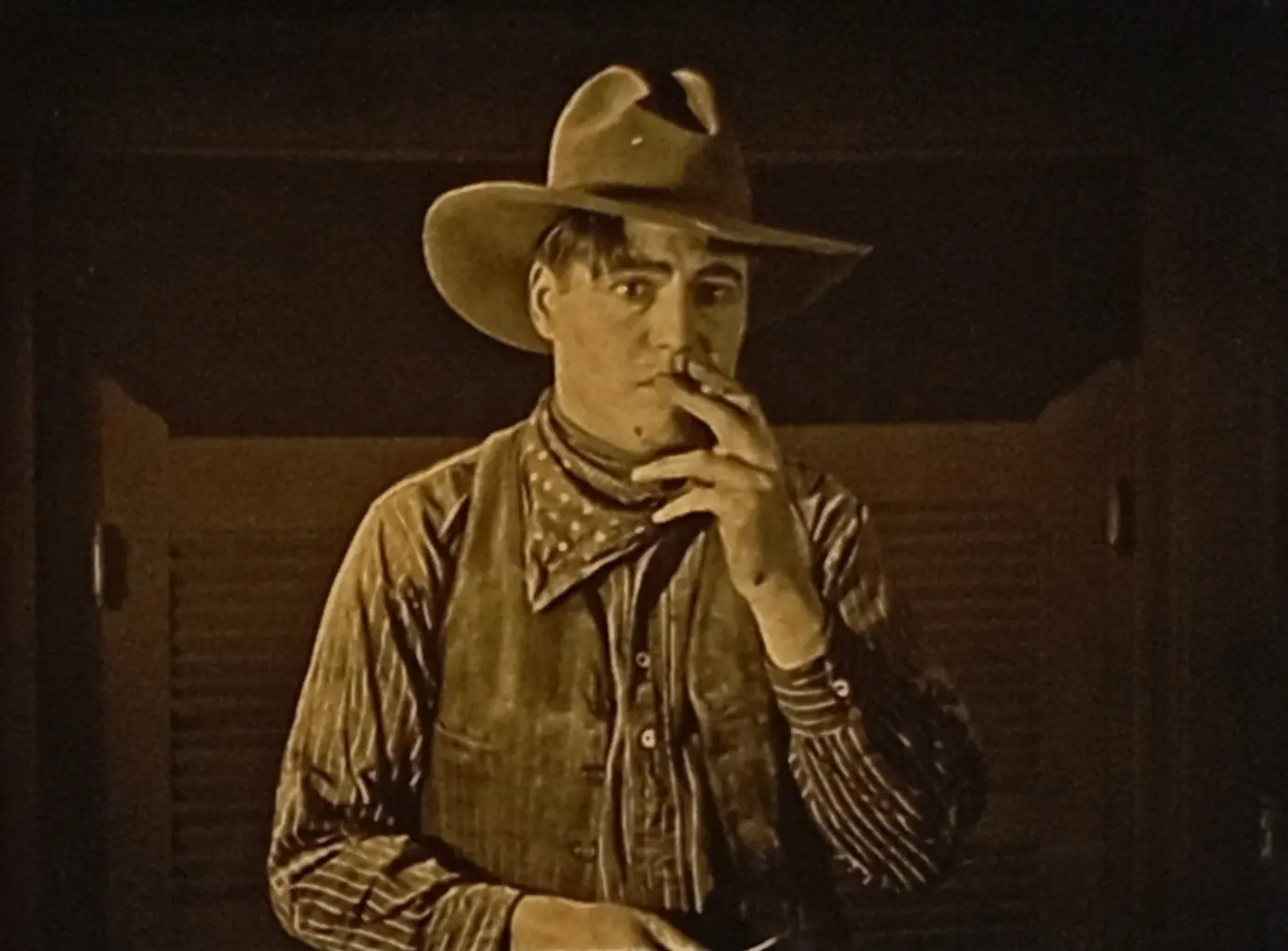
Sound design, too, is a subtle triumph. The absence of a traditional score is replaced by the natural soundscape—the crackle of a fire, the distant howl of an animal, the child’s laughter. These elements are not mere background noise; they are the film’s emotional undercurrent. One scene, where the child is taught to ride a horse, is underscored by the rhythmic creak of the saddle, the crunch of hooves, and the soft murmur of Claire’s voice. It is a moment of tenderness that feels both intimate and universal, a reminder of the small, persistent joys that survive even in the harshest environments.
The film’s ending is perhaps its most divisive element. Instead of a final shot of Clem and the child riding into the sunset, we are left with a close-up of the child’s face as the sun sets behind them. The light fades, and the screen cuts to black. There is no triumph, no farewell. It is a conclusion that feels both inevitable and profoundly human. In this, Beyond the Trail echoes the existential void of The Middleman, though it is more introspective than that film’s political allegory. It also bears a kinship with The Recruit, both in its focus on familial bonds and its bleak, unflinching honesty.
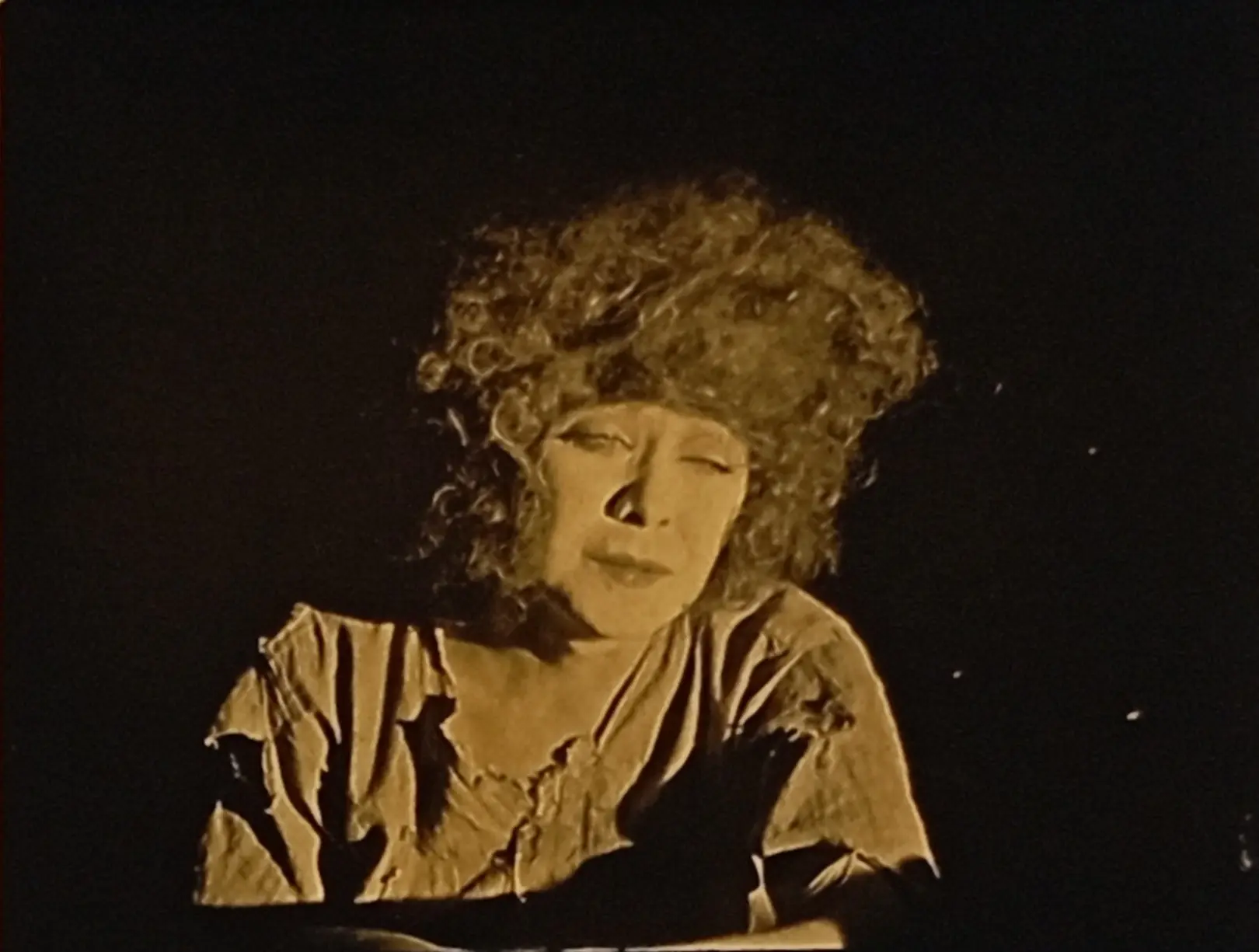
For modern audiences, Beyond the Trail may feel anachronistic—its deliberate pacing and lack of narrative fireworks stand in stark contrast to the hyper-stylized Westerns of today. Yet this is precisely what makes it a revelation. In an era where every story is driven by plot twists and action sequences, Clark’s film is a reminder of cinema’s capacity to capture the ineffable. It is a work that rewards patience, that challenges the viewer to sit with discomfort and find beauty in the mundane.
In the broader context of early cinema, Beyond the Trail is a testament to the genre’s potential beyond its clichés. It is a film that dares to be still, to let the desert speak for itself. While it may not resonate with those seeking grandiosity, it will resonate deeply with those who appreciate the quiet power of a story told without frills. For the discerning viewer, it is not merely a film about loss—it is an ode to the persistence of life in the face of emptiness.
IMDb —
1921
Community
Log in to comment.