DbcultAccessing Vault...
6.7/10
Senior Film Conservator
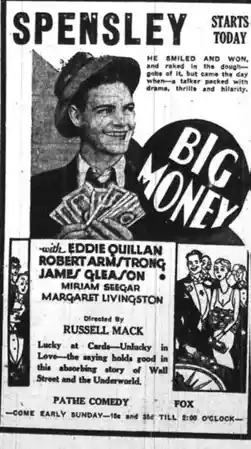
A definitive 6.7/10 rating for a film that redefined the boundaries of cult cinema. Big Money remains a cornerstone of transgressive art.
If you like those old movies where everyone talks like they have a train to catch in five minutes, then yes. You should watch it. It’s perfect for a lazy Sunday when you want something that doesn't make you think too hard but keeps things moving.
If you hate movies where the main character makes stupid decisions every ten seconds, you will probably want to throw your remote at the screen. Eddie is not a smart guy. But he is fun to watch.
Eddie Quillan plays Eddie. He’s a messenger boy for a big brokerage house. He has one job: take $50,000 to the bank. That is a lot of money today, but in 1930? That is basically infinite money.
But Eddie sees some guys playing dice. He can’t help himself. He stops to play. The way he looks at those dice is probably the most honest part of the movie. He’s hooked. He loses track of time and the bank closes.
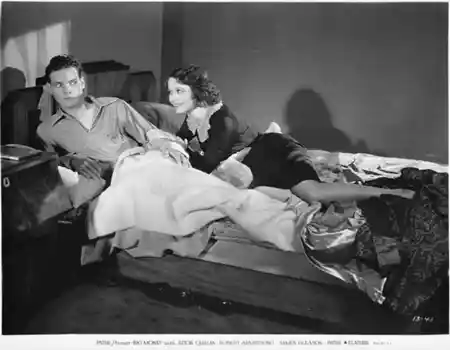
Now he has fifty grand in a bag and nowhere to put it. Does he go home? No. He calls the boss's daughter, Joan, and asks her to dinner as a joke. She says yes. Of course she says yes.
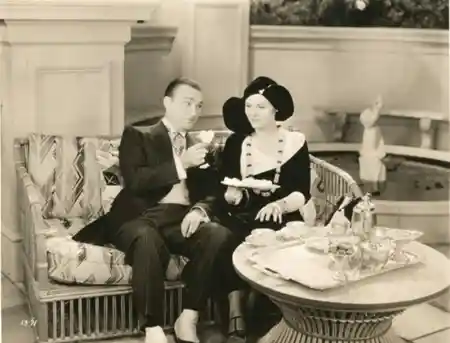
This is where the movie gets really uncomfortable. Eddie takes her to this super expensive restaurant. He’s clearly out of his league. He starts dipping into the company money to pay for things.
There is this moment where he is looking at the menu and you can see him doing the math in his head. He looks like he’s about to throw up. It reminded me of The Donkey Did It because of that same kind of frantic energy, though that one is way more of a straight comedy.
Joan is played by Zita Moulton. She seems nice enough, but you wonder why she’s hanging out with this guy. He’s sweaty and nervous. Maybe she just wanted a free steak.
The movie shifts gears pretty fast. Suddenly there are these two crooks, Monk and Lefty. I love 1930s gangster names. They sound like they should be in a cartoon.
There’s a chase scene. It’s not like a modern car chase. It’s more like people running around and getting in and out of elevators. Eddie ends up in a hotel room with a gambler named Ace Carter.
"You win some, you lose some, but you always gotta play."
Eddie actually wins money from Ace. Like, a lot of money. It’s one of those movie moments where everything just goes right for the guy who is doing everything wrong. It’s kind of annoying but also kind of satisfying?
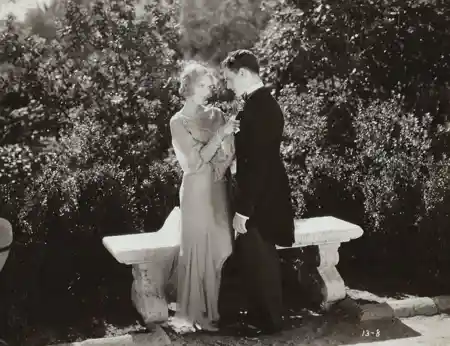
This is where it gets weird. The movie stops being a light comedy about a guy losing money and becomes a crime drama. A guy named Jim Durkin gets shot. Monk is the one who did it.
The transition is like whiplash. One minute they are joking about dinner, the next minute someone is dead on the floor. It’s less polished than Me, Gangster, which handles the crime stuff a bit better.
Eddie decides to reform his life. He refuses to gamble anymore. But he’s a witness to the murder, so he’s stuck in the middle of it all. The ending happens really fast. It’s like the writers realized they only had five minutes left and needed to fix everything.
It’s not a masterpiece. It’s not Turn Back the Hours or anything like that. But it has a lot of heart. Eddie Quillan is very likable even when he’s being a total idiot.
The movie feels like it was made by people who were just having fun. It doesn't take itself seriously. Sometimes the sound is a bit fuzzy, and the editing is choppy, but that’s just how these early talkies are.
If you want to see what 1930 looked like—the clothes, the slang, the weird obsession with gambling—this is a good pick. Just don't expect a deep story. It’s just a guy, a bag of money, and some bad luck. 🎲
Oh, and the way the brother, Skip, comes in at the end to get revenge? That felt like a different movie entirely. But hey, it works. I wasn't bored, and that’s more than I can say for some big-budget stuff I've seen lately.

IMDb 7.8
1928
Community
Log in to comment.