DbcultAccessing Vault...
5.3/10
Senior Film Conservator
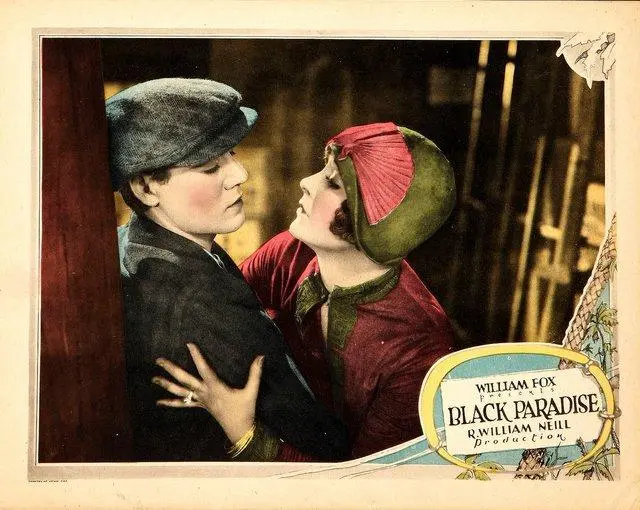
A definitive 5.3/10 rating for a film that redefined the boundaries of cult cinema. Black Paradise remains a cornerstone of transgressive art.
Is Black Paradise a film that demands your attention in the 21st century? Short answer: yes, but only if you possess a deep-seated appreciation for the unhinged narrative structures of the silent era.
This film is specifically for those who love the transition from gritty urban noir to high-stakes tropical adventure. It is absolutely not for viewers who require logical character progression or modern pacing.
1) This film works because it refuses to stick to one genre, blending a San Francisco heist with a South Seas survival thriller and a disaster climax.
2) This film fails because James Callahan’s sudden romantic shift toward Leona feels unearned and serves only to complicate a plot that was already sufficiently tense.
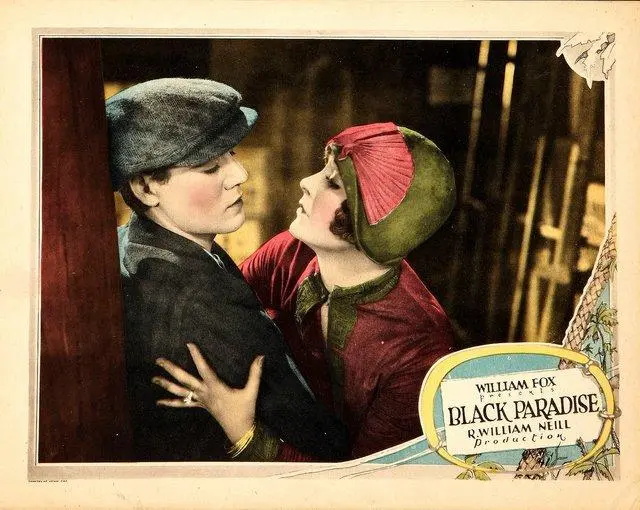
3) You should watch it if you want to see how 1920s cinema handled the 'reformed criminal' trope with a side of volcanic spectacle.
Black Paradise feels like two distinct scripts stitched together with the enthusiasm of a mad scientist. The opening act in San Francisco is a dour, effective look at the struggle of a man trying to go straight. Edmund Lowe plays James Callahan with a weary physicality that makes his eventual return to crime feel tragic rather than malicious.
When he steals that diamond necklace, you don't see a villain; you see a man defeated by a system that doesn't believe in second chances. This part of the film reminds me of the social realism found in Twenty Dollars a Week, where the weight of poverty drives every decision.
However, once the setting shifts to the South Pacific, the film discards its noir sensibilities for something far more lurid. The island isn't a paradise; it's a claustrophobic stage where the characters' worst instincts are amplified. The contrast is jarring. It works. But it’s flawed.
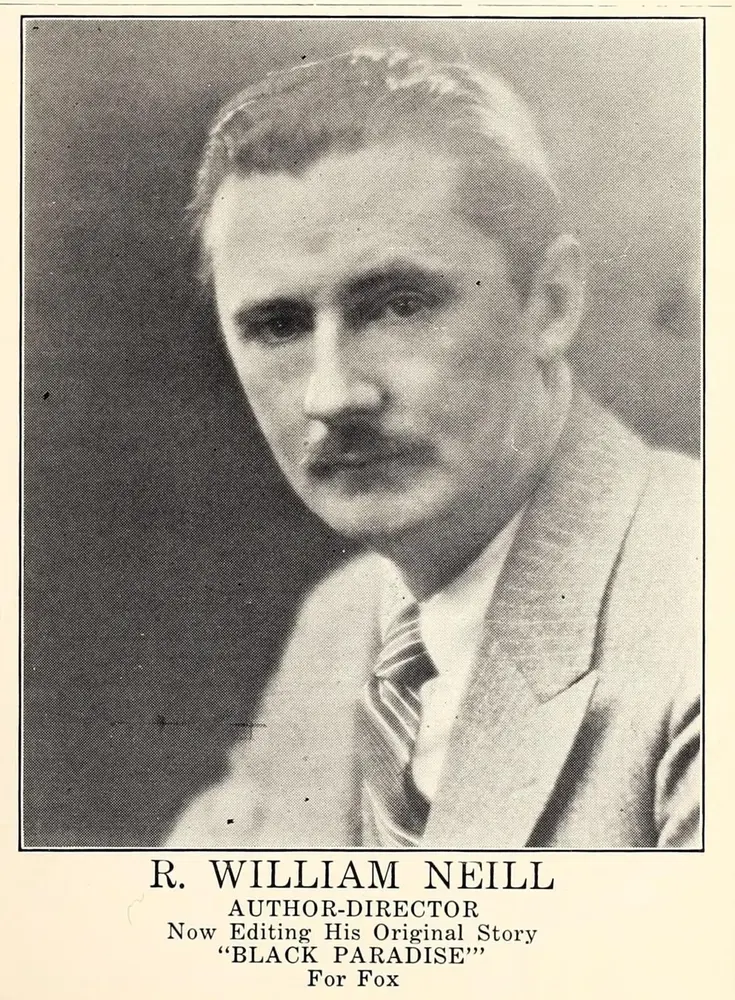
The most debatable aspect of the film is Callahan’s loyalty. Throughout the first act, his devotion to Sylvia (Madge Bellamy) is his primary motivation. Yet, the moment they hit the island, he becomes infatuated with Leona. This isn't just a plot point; it's a character assassination that the film never quite recovers from.
Is he a man who was never actually reformed? Or is the island itself a corrupting force? The film suggests the latter, yet Lowe’s performance during these scenes feels oddly detached. It’s as if the character has lost his internal compass the moment he stepped off the boat.
Sylvia, played with a surprising amount of grit by Bellamy, becomes the true protagonist here. Her shift from a supportive fiancée to a woman seeking protection from a detective (Graham) against a gangster (Murdock) is the most compelling arc in the movie. She is the only one acting with any sense of self-preservation.
Harvey Clark’s Murdock is a standout. He isn't a mustache-twirling villain; he’s a sweaty, opportunistic bully who understands that on this island, he is the law. His presence creates a genuine sense of dread that elevates the middle act.

The way he interacts with Graham, the detective, provides a fascinating look at the power dynamics of the era. Graham is out of his jurisdiction and out of his element. In the city, he is the hunter. On the island, he is just another captive. This reversal of roles is far more interesting than the romance subplots.
In many ways, the tension between Murdock and Graham mirrors the lawless energy seen in The Vengeance Trail, where the frontier dictates the rules of engagement rather than the badge.
For a 1926 production, the technical ambition is undeniable. The cinematography during the San Francisco chase sequence uses shadow and light to create a sense of impending doom. The island sequences, while more brightly lit, use the natural foliage to create a sense of entrapment.
Then, there is the volcano. The climax is a masterclass in practical effects for the time. As the mountain erupts, the film shifts into a pure disaster movie. The scale of the miniature work and the use of ash and smoke create a visceral experience that silent film often struggled to achieve.
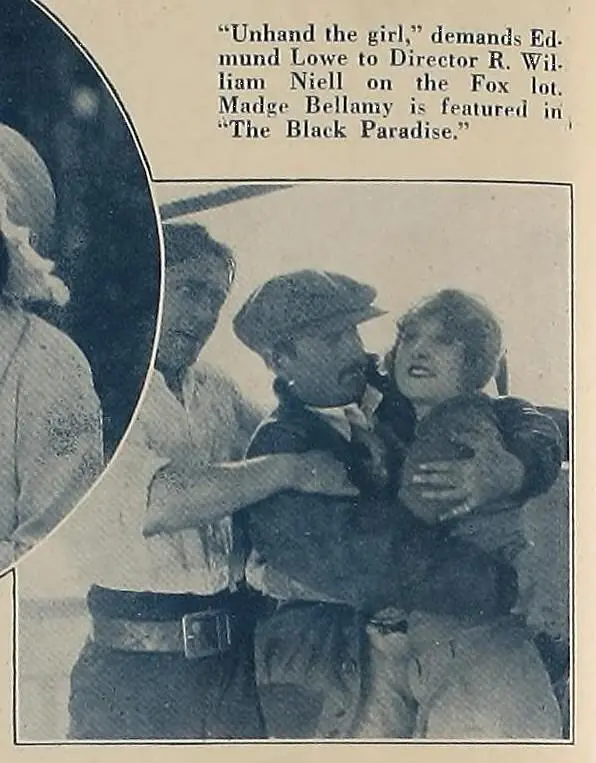
The volcano is the only honest thing in the movie. It doesn't care about necklaces or detectives; it simply cleanses the narrative. It’s a literal 'deus ex machina' that solves the characters' moral dilemmas by threatening to kill them all.
If you are looking for a historical curiosity that bridges the gap between crime drama and adventure, yes. Black Paradise is a fascinating example of how silent films tried to be everything to everyone at once. It captures a specific moment in cinematic history where the rules of genre were still being written.
However, if you want a cohesive story with a satisfying emotional payoff, you might find it frustrating. The film is more concerned with spectacle than with the inner lives of its protagonists. It is a wild ride, but a bumpy one.
Most critics focus on the romance, but the real heart of Black Paradise is the failure of the American Dream in the 1920s. Callahan doesn't steal because he's evil; he steals because he's bored and broke. The island isn't an escape from his problems; it's a physical manifestation of his internal chaos. The film suggests that moral reform is impossible without a literal natural disaster to wipe the slate clean.
This cynicism is rare for films of this period, which often preferred a more straightforward path to redemption. Like Dollar Devils, it explores the corrupting influence of greed, but it does so in a much more violent and unpredictable environment.
Black Paradise is a messy, ambitious, and ultimately rewarding piece of silent cinema. It doesn't always make sense, and its characters are often infuriating, but it never lacks energy. The volcanic climax alone is worth the price of admission. It’s a film that isn't afraid to blow up its own plot to get to a resolution. It works. But it's flawed. If you can handle the tonal whiplash, it's a journey worth taking.
IMDb —
1921
Community
Log in to comment.