DbcultAccessing Vault...
6.7/10
Senior Film Conservator

A definitive 6.7/10 rating for a film that redefined the boundaries of cult cinema. Blind Justice remains a cornerstone of transgressive art.
Stepping back into the flickering shadows of early 20th-century cinema, one often encounters narratives that, while perhaps simpler in their technical execution, resonate with an emotional purity and thematic depth that transcends time. Benjamin Christensen's 'Blind Justice' (original title: 'Blind Ret') is precisely such a film. Released in 1916, it arrives from a pivotal moment in cinematic history, a period when the very grammar of moviemaking was being forged, often by visionary artists like Christensen himself, who would later gift the world the incomparable 'Häxan: Witchcraft Through the Ages'. But long before that groundbreaking documentary-horror hybrid, Christensen was already exploring the darker recesses of the human condition, crafting a compelling, albeit tragic, tale of desperation, freedom, and the most bitter form of betrayal.
The premise, in its stark simplicity, belies the intricate psychological landscape Christensen paints: a man, condemned and confined, executes a daring prison escape. Yet, this liberation proves ephemeral, a cruel mirage shattered by the insidious machinations of treachery, leading inevitably to his re-apprehension. It's a narrative that, on the surface, might seem straightforward, a classic crime-and-punishment trope. However, it's the meticulous unfolding of the betrayal, the slow, agonizing realization of perfidy, that elevates 'Blind Justice' beyond a mere genre exercise. Christensen, who not only directed but also penned the screenplay, demonstrates an innate understanding of suspense and character, even within the nascent conventions of silent film.
The performances, a cornerstone of any silent film, are particularly noteworthy here. Osvald Helmuth, a name synonymous with Danish entertainment, delivers a portrayal of a man pushed to the brink, his every gesture and facial expression conveying a torrent of internal conflict. His initial resolve during the escape, the flicker of hope in his eyes as he tastes freedom, and the devastating collapse when confronted with betrayal are rendered with an affecting sincerity. Ove Jarne and Benjamin Christensen himself, among others like Jørgen Lund and Karen Caspersen, contribute to an ensemble that, despite the limitations of the medium, manages to evoke a palpable sense of a lived-in world, fraught with moral ambiguities. Christensen, in particular, often brought a compelling gravitas to his on-screen presence, complementing his behind-the-camera genius.
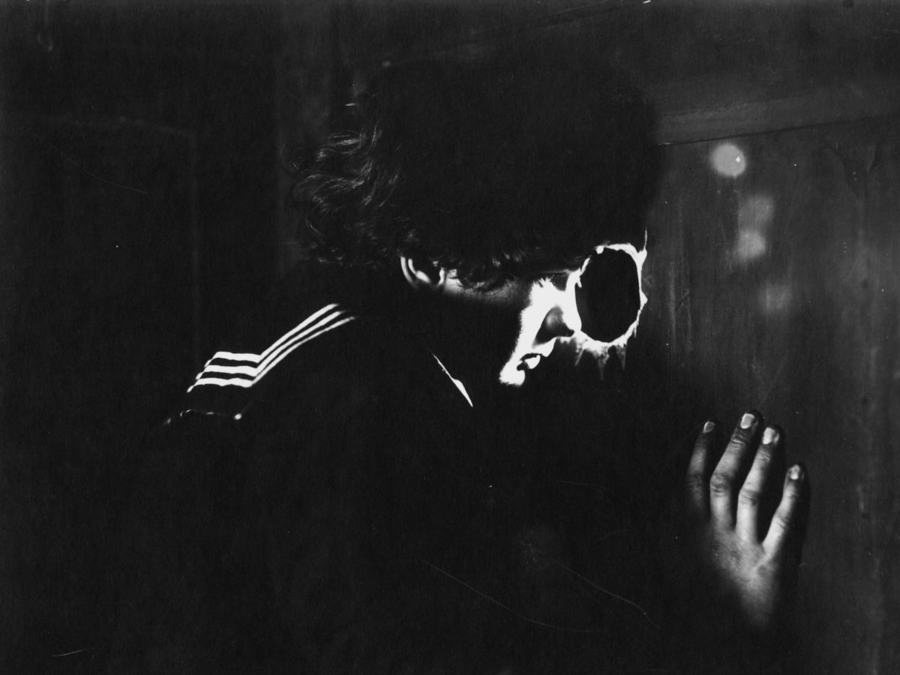
The escape sequence itself is a masterclass in early cinematic tension. Christensen doesn't rely on bombastic action; instead, he builds suspense through careful framing, the use of shadows, and the almost unbearable quietude that only silent film can truly achieve. The viewer is drawn into the protagonist's desperate plight, feeling the weight of the walls, the cold steel of the bars, and the immense risk of every calculated move. It’s a testament to Christensen’s directorial prowess that he could make such an event so viscerally gripping with the tools available to him. One might draw a faint parallel to the meticulous planning and execution seen in later crime dramas, though 'Blind Justice' foregrounds the psychological toll rather than the mechanics of the heist itself. It stands apart from more straightforward action-oriented narratives like The Running Fight or even the detective work in Detective Craig's Coup, focusing less on the pursuit and more on the internal world of the pursued.
But the true heart of the film beats in the aftermath of this escape. The brief, intoxicating taste of freedom is swiftly poisoned by the revelation of betrayal. This isn't just a plot device; it's a thematic core, exploring the fragility of trust and the devastating impact of human perfidy. The film delves into the moral quandaries faced by those who aid the escapee and those who ultimately turn him in, painting a nuanced portrait of a world where motivations are rarely black and white. The question of who betrays whom, and why, becomes a central, agonizing mystery that Christensen unravels with deliberate, almost surgical precision. The emotional weight carried by the protagonist as he grapples with this treachery is profound, a silent scream of anguish that resonates long after the intertitles have faded.
The title itself, 'Blind Justice', is a poignant commentary on the judicial system and the broader societal implications of crime and punishment. Is justice truly blind, or is it swayed by circumstance, by personal vendettas, by the very human flaws it seeks to correct? The film suggests a complex, often cruel reality where the scales of justice are not always balanced, and where personal loyalties can eclipse legal rectitude. This thematic exploration sets it apart from more simplistic moral tales, aligning it perhaps more with the nuanced character studies found in films like The Primrose Path, which also grappled with societal judgment and individual moral failings, albeit from a different angle.

Christensen's directorial style is marked by a deliberate pace, allowing moments of contemplation and the emotional weight of scenes to fully sink in. He utilizes close-ups effectively, drawing the audience into the characters' inner worlds, a technique that was still evolving at the time. The cinematography, though rudimentary by today's standards, is artful, employing light and shadow to enhance mood and atmosphere. The dingy prison cells, the clandestine meeting places, and the stark landscapes all contribute to a sense of impending doom and inescapable fate. There’s a raw, almost documentary-like feel to some of the sequences, a characteristic that would become more pronounced in his later works.
The supporting cast, including Mathilde Nielsen, Ragnhild Sannom, and Fritz Lamprecht, among others, provides solid groundwork for the central drama. Their reactions, their silent judgments, and their complicity (or lack thereof) in the protagonist's fate add layers to the narrative. One can see the threads of social commentary woven subtly throughout, touching upon themes of class, loyalty, and the pervasive reach of the law. It’s a microcosmic view of a society grappling with its own moral compass, much like other social dramas of the era, such as For barnets skyld, though 'Blind Justice' maintains a tighter focus on the individual's tragic journey.
The film's ultimate tragedy lies not just in the protagonist's re-arrest, but in the crushing realization that freedom, once attained, can be so easily stripped away, not by the long arm of the law, but by the short reach of human malice. The psychological impact of this betrayal is far more devastating than the physical confinement. It speaks to a universal fear: the fear of being let down by those we trust, of having our hopes dashed by unforeseen treachery. This emotional core is what gives 'Blind Justice' its enduring power, allowing it to transcend the limitations of its era and speak to contemporary audiences.
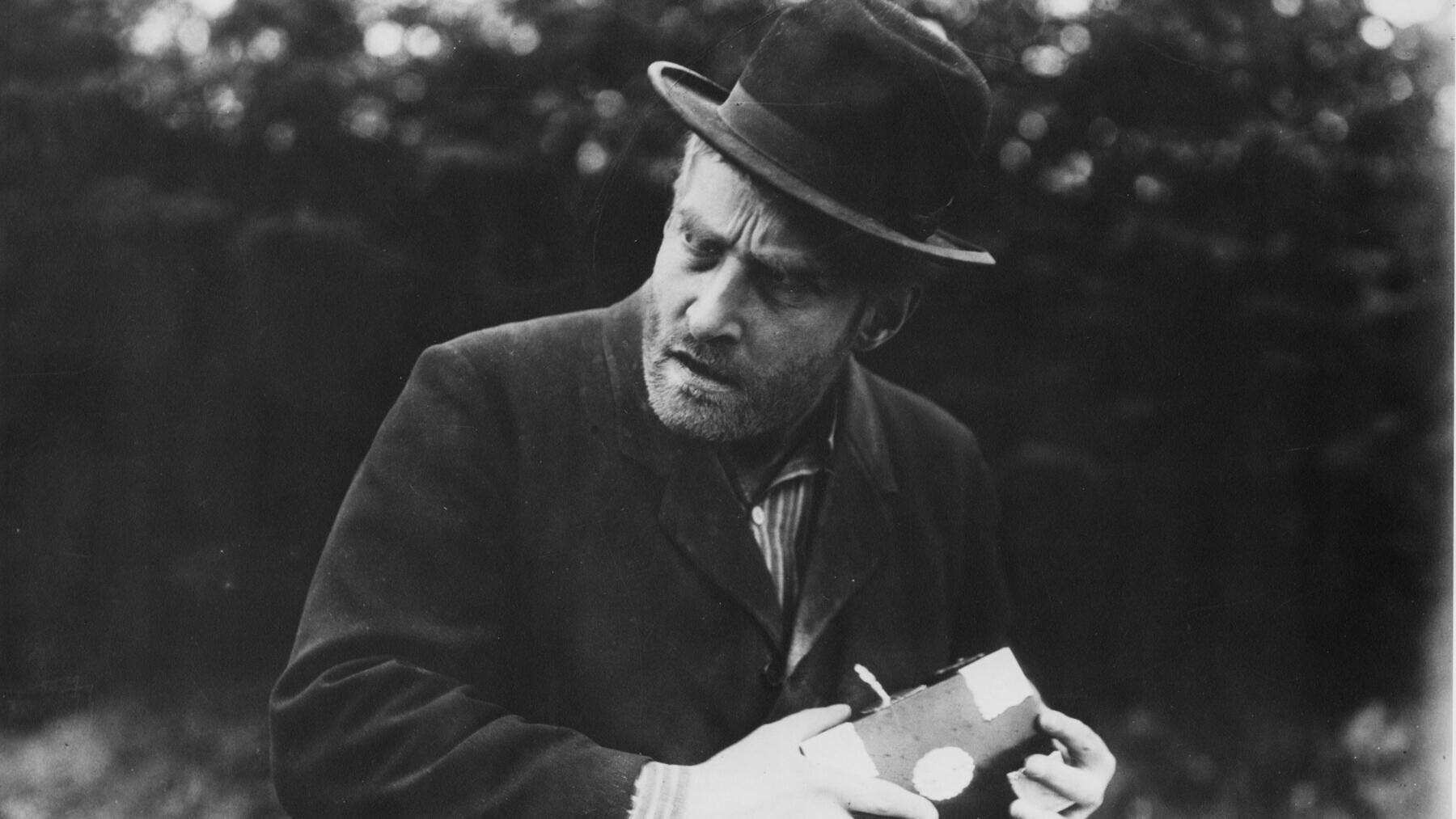
In an age where cinema was still finding its voice, Benjamin Christensen was already demonstrating a sophisticated understanding of dramatic structure and character development. His ability to evoke such profound emotion through purely visual means, coupled with the evocative performances of his cast, makes 'Blind Justice' a compelling watch for anyone interested in the foundational works of cinema. It's a reminder that true storytelling doesn't require elaborate special effects or booming soundtracks; it requires a deep empathy for the human condition and a masterful hand to guide it. While it may not possess the sprawling scope of an epic like A Little Brother of the Rich or the intricate mystery of The Mystery of Room 13, its concentrated focus on personal tragedy is its undeniable strength.
The legacy of 'Blind Justice', though perhaps overshadowed by Christensen's later, more sensational works, is an important one. It illustrates the burgeoning artistry of Danish cinema in the silent era, showcasing a commitment to serious dramatic themes and psychological realism. It's a film that demands patience, rewarding the attentive viewer with a rich tapestry of human emotion, moral ambiguity, and the crushing weight of fate. It’s not a film that offers easy answers or neat resolutions; instead, it leaves you pondering the very nature of justice, loyalty, and the enduring pain of betrayal. For aficionados of early cinema, and indeed for anyone seeking a profound, character-driven drama, 'Blind Justice' remains a testament to the power of silent storytelling, a melancholic yet utterly captivating experience that reaffirms Christensen's genius as a pioneering filmmaker.
The narrative arc, from the audacious escape to the crushing re-arrest, is a cyclical journey of hope and despair. The film doesn't just depict events; it explores the emotional landscape of a man caught in a relentless cycle, a poignant commentary on the often-inescapable nature of one's past. The brilliance lies in how Christensen crafts this descent, making the audience feel every step of the protagonist's journey, every fleeting moment of joy, and every agonizing pang of sorrow. It’s a cinematic experience that lingers, much like a haunting melody, long after the final frame. One can appreciate how, even in this relatively early work, Christensen was already laying the groundwork for the psychological intensity that would characterize his more famous projects, demonstrating a consistent preoccupation with the darker, more complex facets of human experience. This film serves as a vital piece in understanding the evolution of his artistic vision and the broader trajectory of early European cinema.
In essence, 'Blind Justice' is more than a crime drama; it's a profound character study, a meditation on the human spirit's resilience and its vulnerability. It's a film that, despite its age, speaks volumes about the timeless themes of freedom, betrayal, and the often-unforgiving hand of fate. It’s a must-see for anyone seeking to understand the foundational artistry of silent cinema and the enduring power of a well-told, albeit tragic, story. This film stands as a quiet yet potent achievement, a testament to Benjamin Christensen's early brilliance and his indelible mark on cinematic history.

IMDb 5.7
1931
Community
Log in to comment.