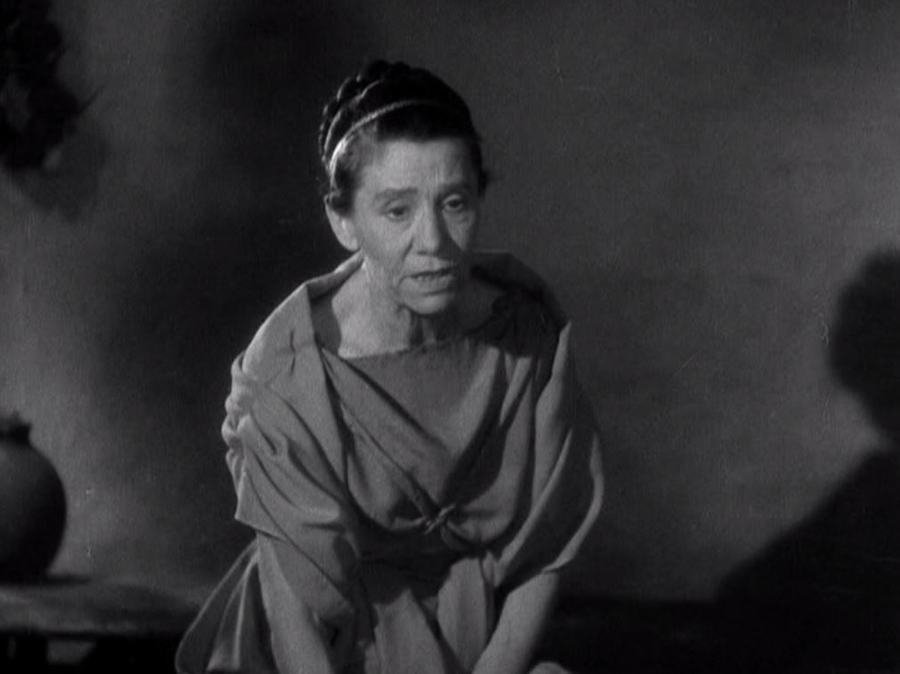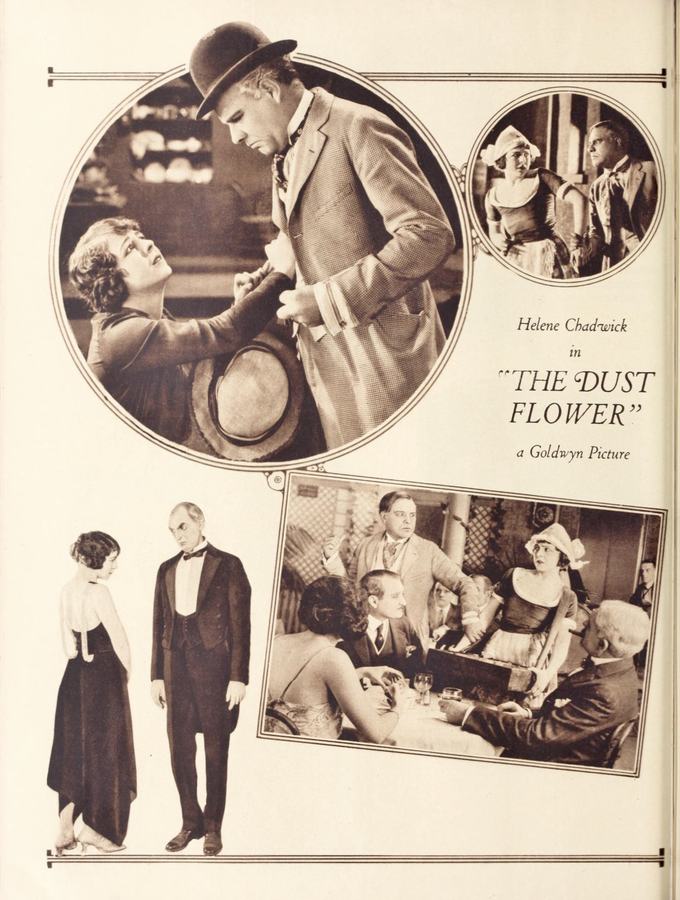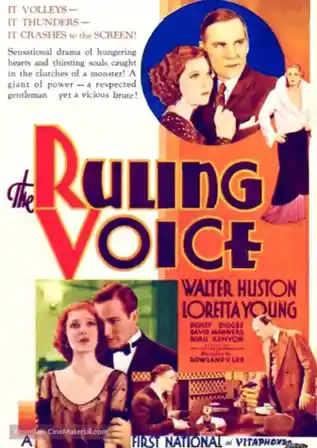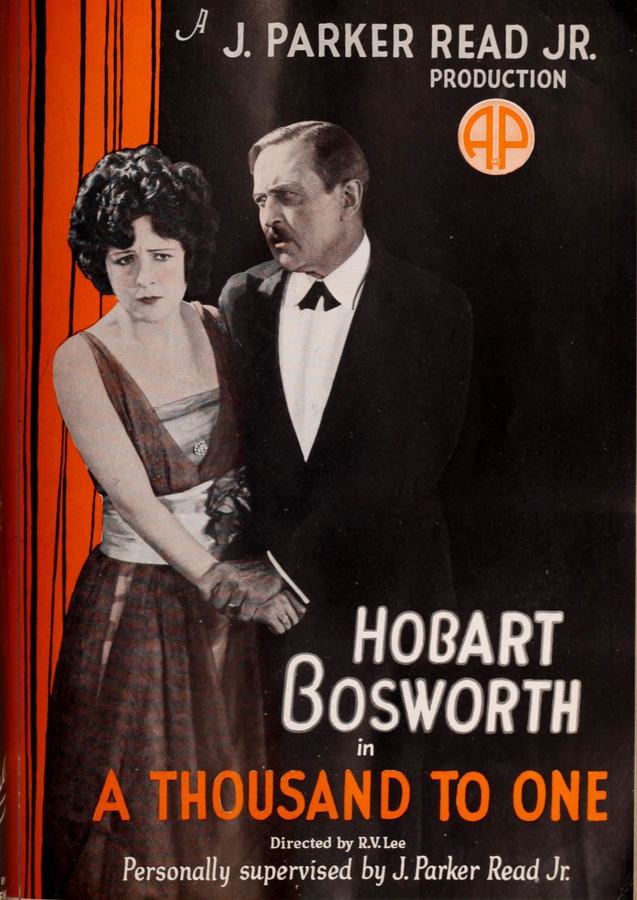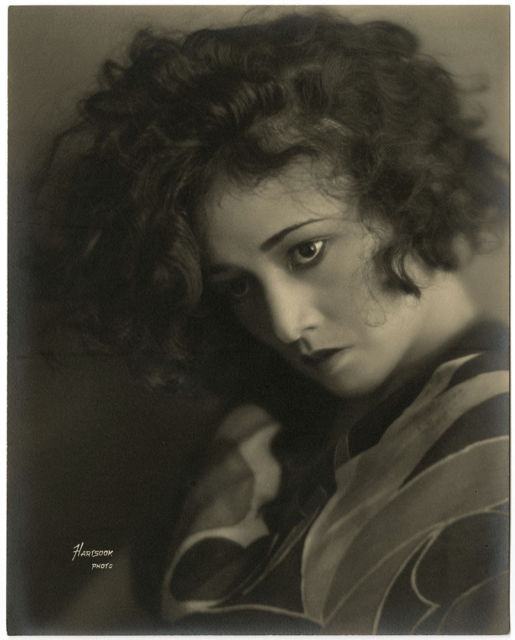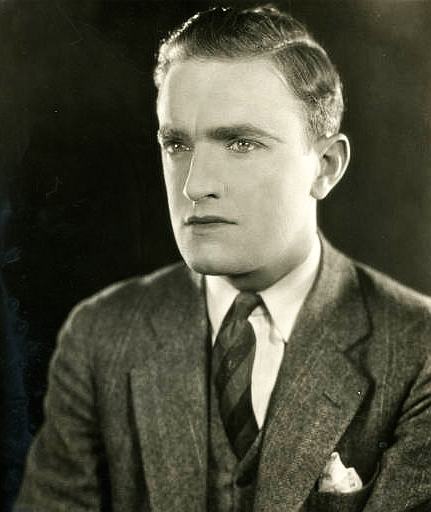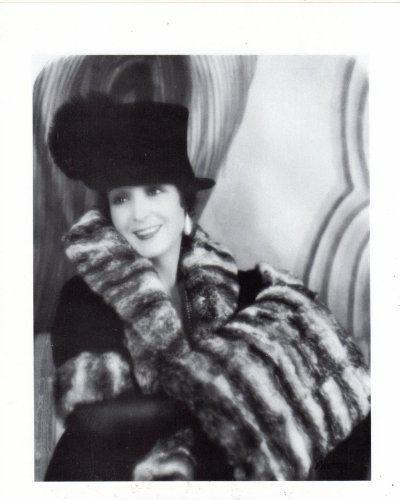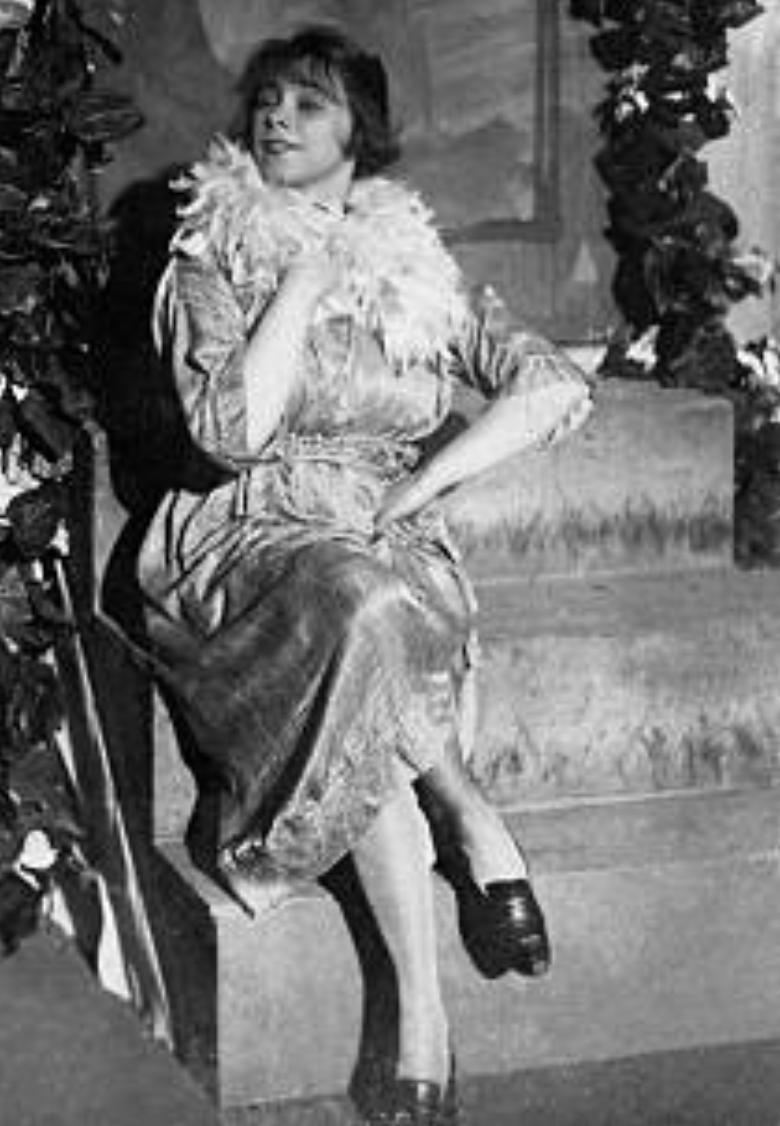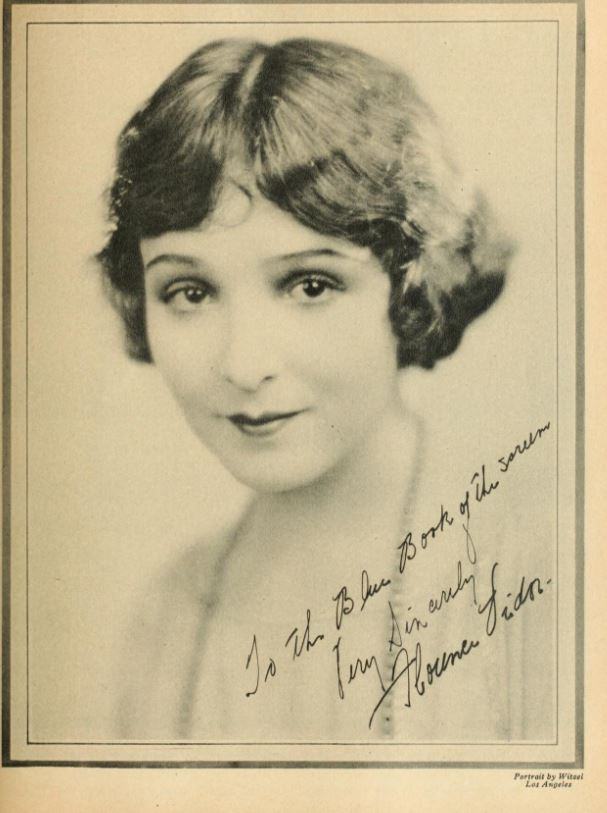
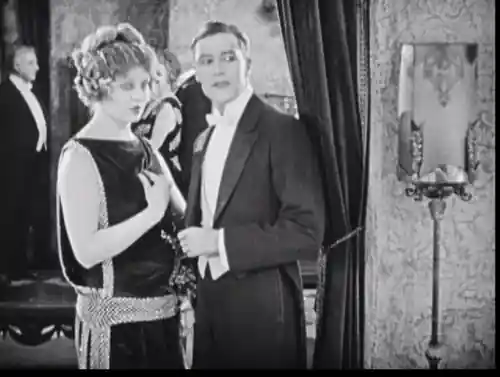
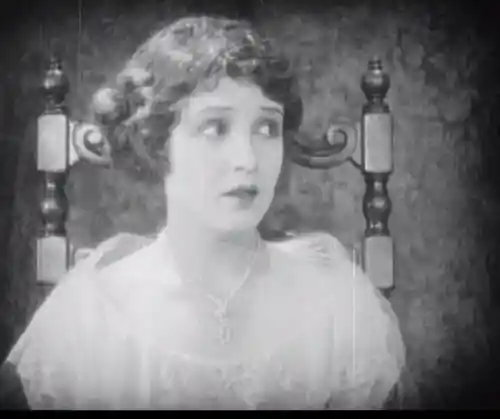
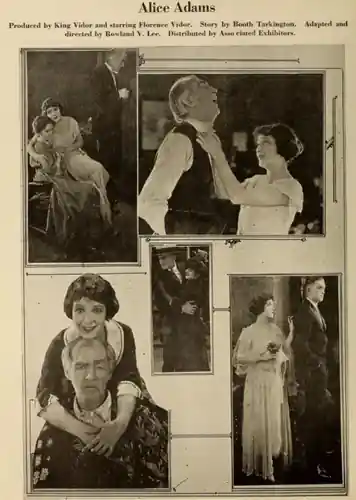
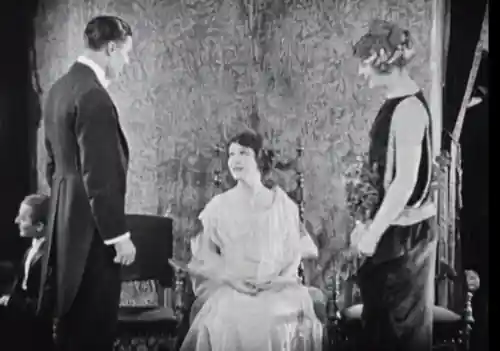
Alice (Florence Vidor) is not satisfied with her family's financial situation and tries to convince others that she comes from a wealthy family. In the end she discovers that she is only fooling herself and decides to go to work to help her father's failing business.
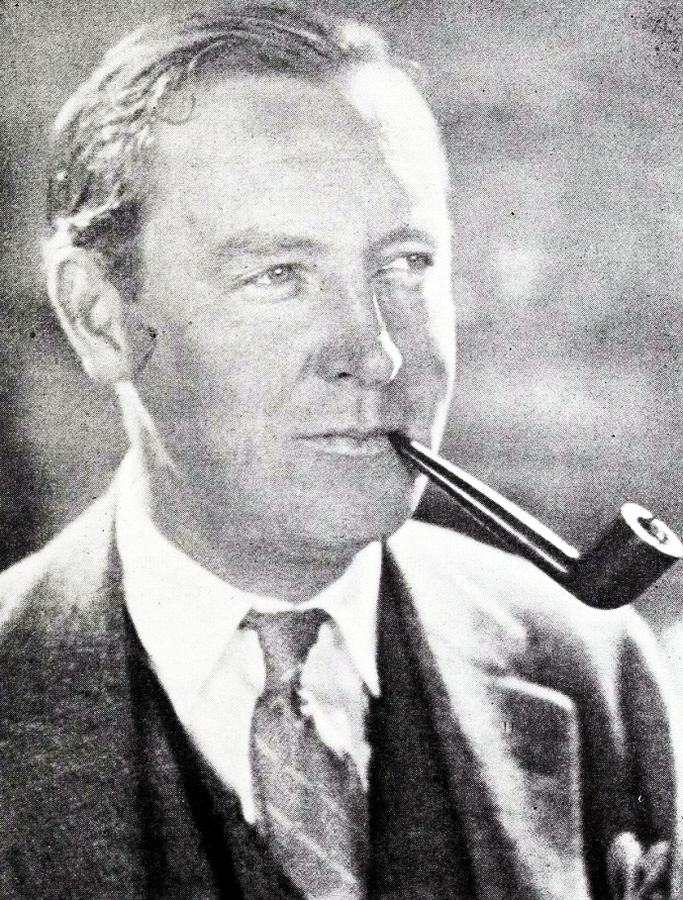
In the pantheon of silent cinema, few works dissect the agonizing nuances of the American social hierarchy with as much surgical precision as Rowland V. Lee’s 1923 rendition of Alice Adams. Based on Booth Tarkington’s Pulitzer Prize-winning novel, this film serves as a poignant time capsule of the early 20th-century ...
still_frame
still_frame
still_frame
behind_the_scenes
still_frame
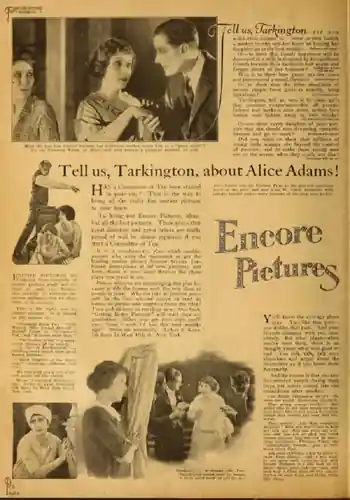
behind_the_scenes
Comparing the cinematic DNA and archive impact of two defining moments in cult history.
Rowland V. Lee
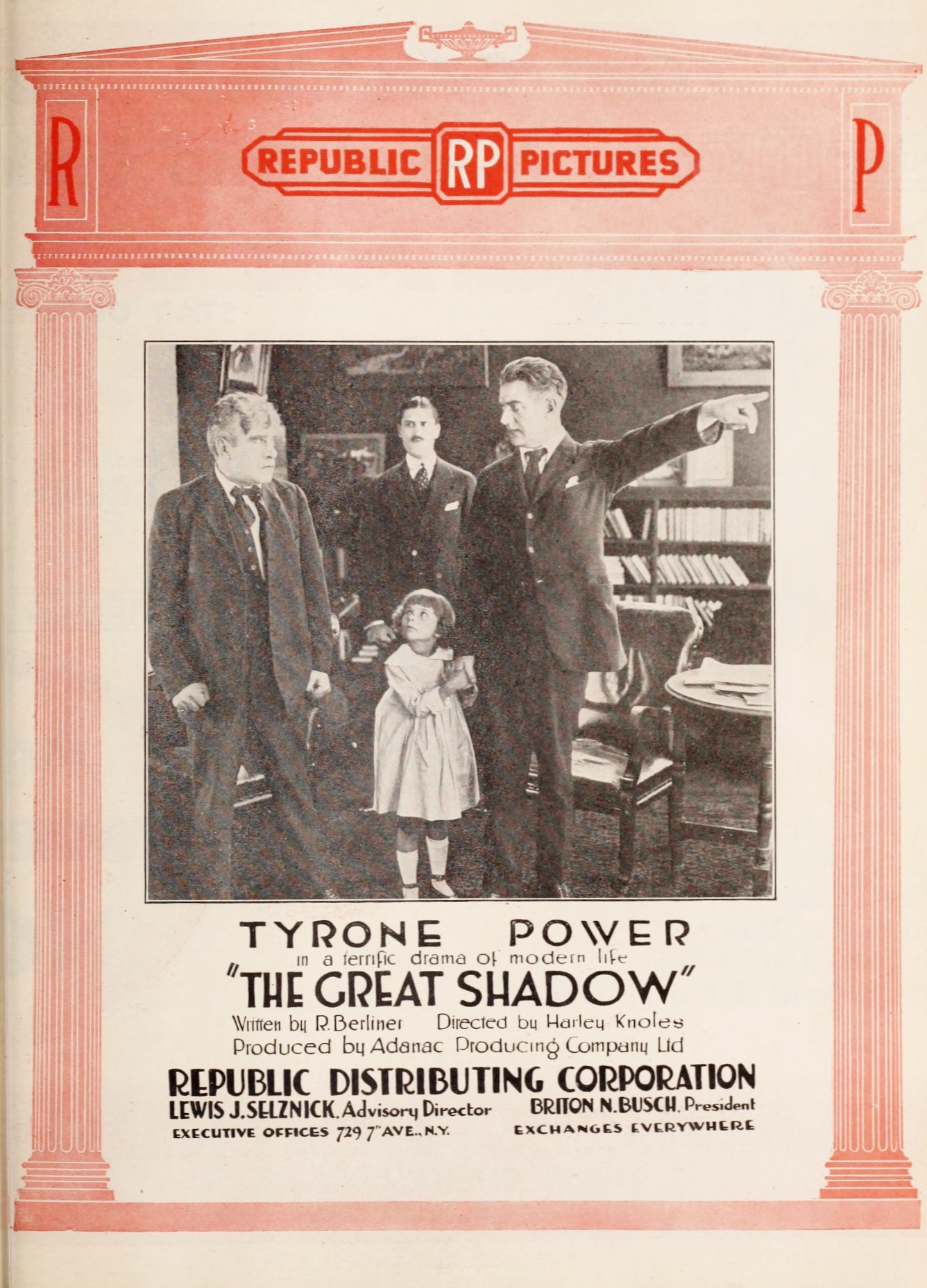
Harley Knoles
Community
Log in to comment.
" In the pantheon of silent cinema, few works dissect the agonizing nuances of the American social hierarchy with as much surgical precision as Rowland V. Lee’s 1923 rendition of Alice Adams. Based on Booth Tarkington’s Pulitzer Prize-winning novel, this film serves as a poignant time capsule of the early 20th-century Midwestern malaise, a period where the burgeoning middle class found itself caught in a liminal space between agrarian simplicity and the predatory glitz of the Gilded Age. Florenc..."
Margaret McWade
Rowland V. Lee, Booth Tarkington
United States