DbcultAccessing Vault...
Cult Review
Senior Film Conservator
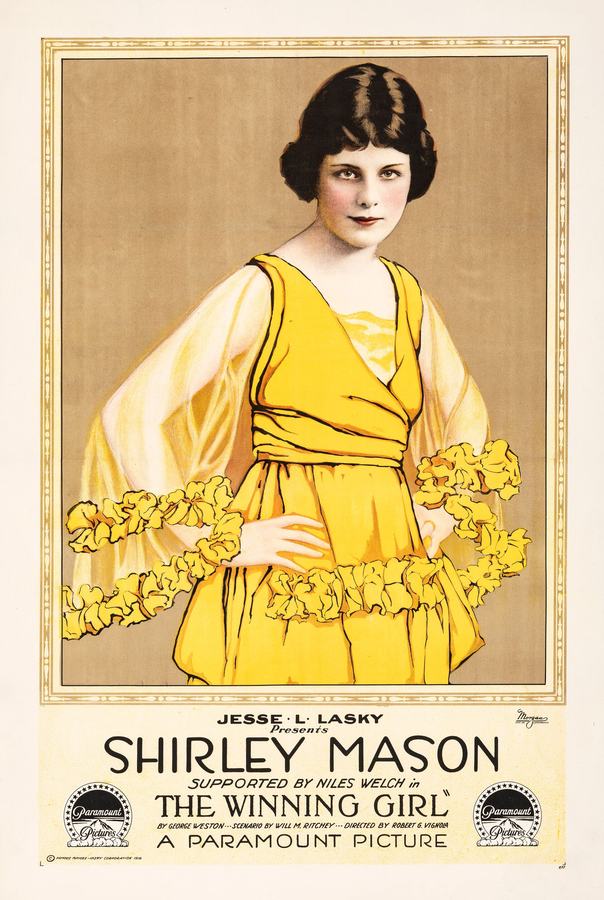
Step into the flickering glow of a cinematic era long past, where the silent screen spoke volumes through the nuanced expressions of its stars and the potent narratives it dared to weave. Today, we're unearthing a true gem from 1919, a film that, despite its age, resonates with a timeless vigor: The Winning Girl. Directed by the prolific Will M. Ritchey and graced by the captivating presence of Shirley Mason, this picture is far more than a simple melodrama; it's a testament to the indomitable spirit of a young woman confronting societal strictures, wartime anxieties, and personal tribulations with an unwavering resolve. It’s a narrative that, even a century later, still manages to stir the soul and provoke thought, reminding us that heroism often emerges from the most unexpected corners of everyday life.
At the heart of The Winning Girl lies Jamesina, or Jemmy for short, portrayed with a remarkable blend of vulnerability and steely determination by Shirley Mason. Her very name, a whimsical choice by her well-meaning but woefully indolent father, Major Milligan (Theodore Roberts, whose performance beautifully captures the essence of a charming but feckless patriarch), hints at a life destined to defy convention. The early loss of her mother leaves a void that is soon filled by a new stepmother and her three children, a development that, while perhaps intended to bring stability, instead ushers in an era of escalating financial distress. This isn't just a story about a family struggling; it's a microcosm of the economic pressures many faced during the tumultuous years of the early 20th century, particularly with the shadow of World War I looming large. The film adeptly portrays how personal circumstances can be inextricably linked to broader historical currents, making Jemmy's plight feel both deeply personal and universally resonant.
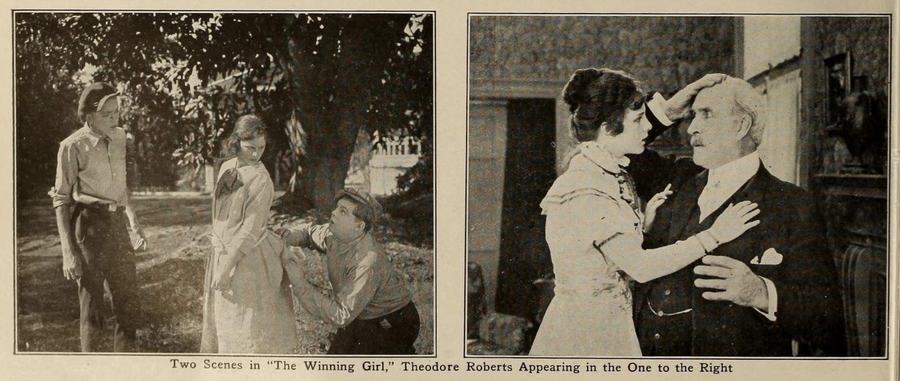
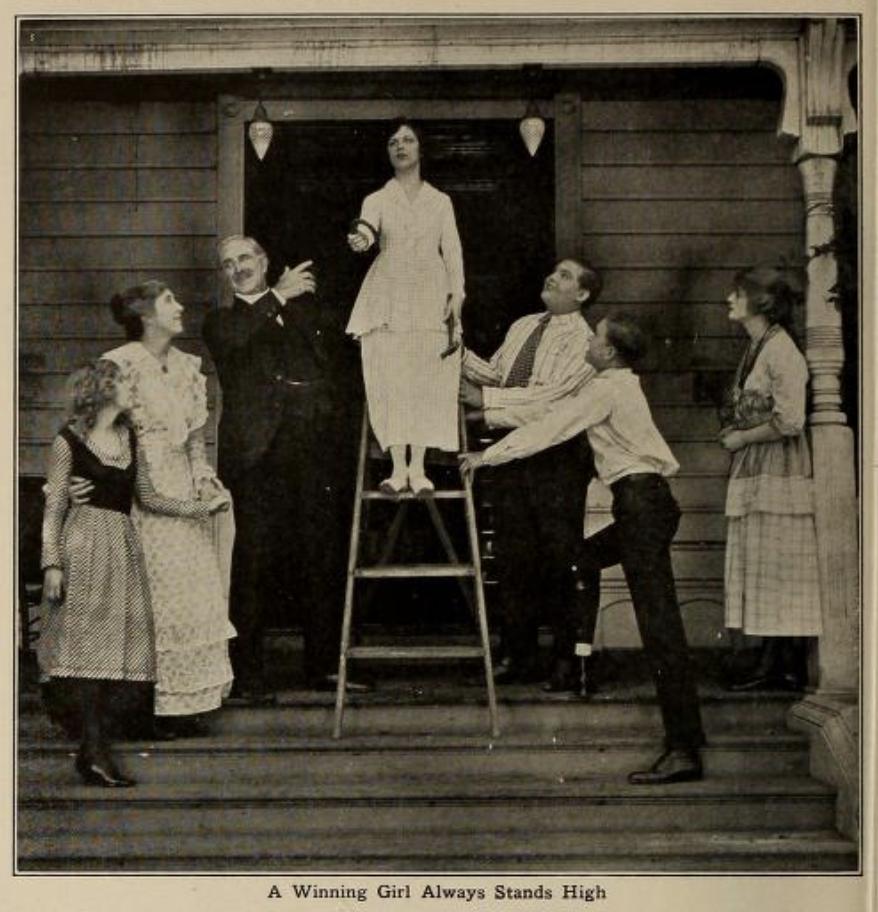
Jemmy's transformation from a young woman into the bedrock of her family is nothing short of inspiring. When debt threatens to swallow them whole, it is she who steps forward, not with a grand gesture, but with the quiet dignity of hard work. Her decision to seek employment in a textile factory, a bustling hub of wartime production, isn't merely a plot device; it's a powerful statement on female agency and the shifting roles of women in society during the war. This era saw countless women enter the workforce, filling roles traditionally held by men, and Jemmy embodies this seismic societal shift. She doesn't just secure her own livelihood; she actively endeavors to uplift her entire family, finding work for her step-siblings and, perhaps most remarkably, rekindling a flicker of purpose in her despondent father. This act of inspiring the Major, a man seemingly content in his lassitude, speaks volumes about Jemmy's quiet strength and her profound impact on those around her. It’s a narrative thread that distinguishes The Winning Girl from simpler tales of woe, elevating it into a study of character and redemption, not just for Jemmy, but for her entire household.
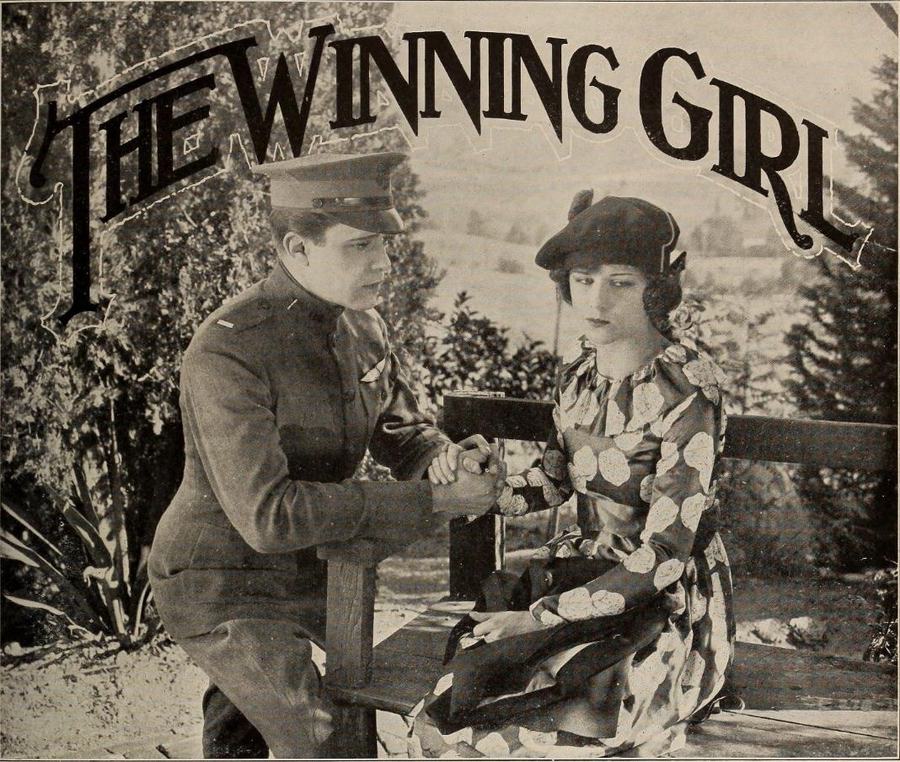
Amidst the grim realities of factory life and familial burdens, a tender romance blossoms between Jemmy and Stanley Templeton (Niles Welch), an aviator on furlough. Welch brings a charming earnestness to Stanley, embodying the dashing hero archetype of the era, yet with an underlying sensitivity. Their courtship, however, is not without its formidable obstacles. Stanley’s mother, portrayed with an icy hauteur by Edythe Chapman, embodies the rigid class prejudices prevalent in society. Her disapproval of Jemmy, rooted in perceived social inferiority rather than any genuine flaw, casts a long shadow over their burgeoning love. It's a classic cinematic trope, certainly, but one executed with a depth that makes Mrs. Templeton's eventual change of heart feel genuinely earned rather than merely convenient. Jemmy's refusal to marry Stanley under the cloud of his mother’s disdain is a poignant moment, showcasing her self-respect and refusal to compromise her dignity, even for love. This particular aspect of the narrative resonates with films like The Co-respondent, which also explored the societal pressures and class divides impacting relationships, though perhaps with a different flavor of scandal.
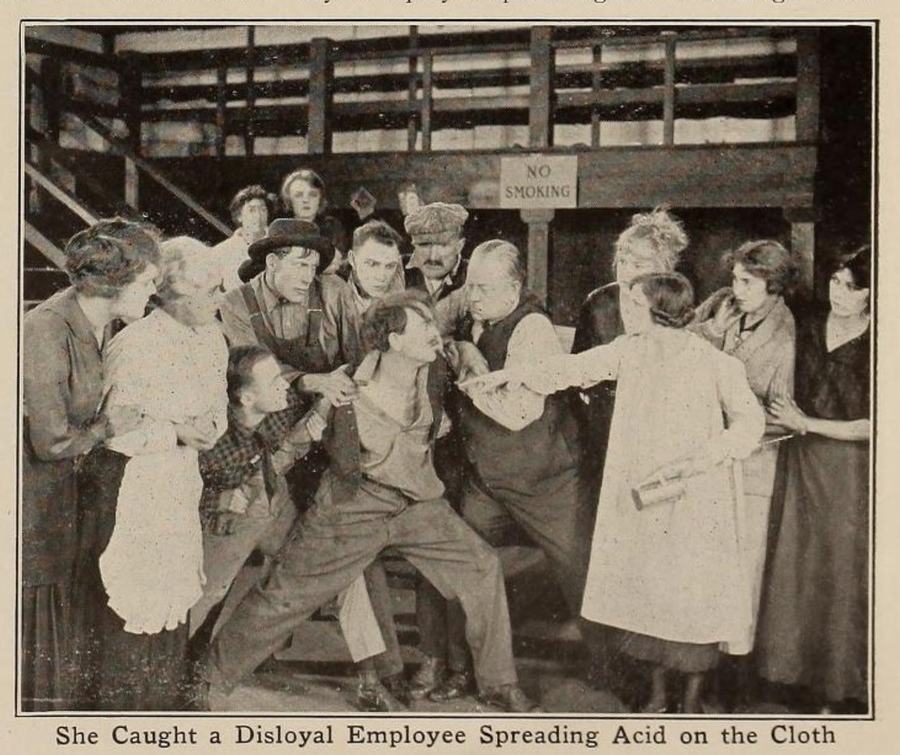
The narrative takes a thrilling turn as Stanley returns to the war, leaving Jemmy to navigate her world alone, albeit with renewed purpose. It's here that The Winning Girl transcends mere domestic drama and plunges into the realm of wartime espionage, a genre that captivated audiences during and after the Great War, as evidenced by the popularity of titles like The Mystery of the Yellow Room or The Voice on the Wire. Jemmy, ever vigilant, uncovers a German spy operating within her very factory, a nefarious individual soaking airplane cloth in acid to sabotage the war effort. This is where Shirley Mason truly shines, conveying Jemmy’s courage and quick thinking through subtle yet powerful gestures. The scene of the spy's apprehension is fraught with tension, a testament to Ritchey's directorial prowess in building suspense without the aid of dialogue. This act of patriotism, far from being a mere contrivance, reinforces Jemmy’s character as a resourceful and integral part of the war effort, not just through her labor, but through her active defense of her nation.
The rewards for Jemmy’s bravery are twofold: a substantial monetary prize that allows the Milligans to pay off their mortgage, securing their home, and the ultimate validation of Mrs. Templeton's heartfelt apology. This resolution, while perhaps fitting for the era's taste for moral rectitude, feels earned because of Jemmy’s consistent integrity and selflessness throughout the film. Her actions don't just solve her family's financial woes; they also dismantle the walls of prejudice built by Mrs. Templeton, paving the way for a joyous reunion and a truly deserved engagement upon Stanley’s heroic return from the front. The film, in its quiet way, champions the idea that true worth transcends social standing and that character, forged in the crucible of adversity, is the most valuable asset of all.
Shirley Mason's portrayal of Jemmy is the undisputed anchor of The Winning Girl. Her ability to convey a vast spectrum of emotions—from quiet despair to resolute determination, from burgeoning love to patriotic fervor—with just her eyes and subtle body language is a masterclass in silent film acting. She crafts a character who is not just admirable but deeply relatable, a heroine whose strength lies not in physical prowess but in her unwavering moral compass and tireless spirit. Theodore Roberts, as Major Milligan, provides a wonderful counterpoint, his initial bluster giving way to a touching vulnerability and eventual redemption. The ensemble cast, including Lincoln Stedman, Clara Horton, and Helen Dunbar, all contribute to a rich tapestry of characters, each playing their part in the larger narrative of struggle and triumph. The performances, collectively, lend a genuine human touch to a story that could, in lesser hands, have veered into saccharine sentimentality.
Will M. Ritchey’s direction is marked by its clarity and efficiency. He understands how to leverage the visual language of silent cinema to maximum effect, employing well-composed shots and effective pacing to tell a compelling story. The factory scenes, for instance, are not merely backdrops; they are dynamic environments that convey the hustle and grind of wartime industry. The moments of romantic longing are handled with a delicate touch, while the espionage elements are imbued with a palpable sense of urgency. Comparing Ritchey's work here to other films of the period, one can appreciate his knack for balancing various narrative threads. While perhaps not as overtly experimental as some of his contemporaries, Ritchey’s strength lies in his ability to craft accessible yet emotionally resonant stories. One might draw parallels to the straightforward narrative drive seen in films like Dick Whittington and his Cat, where a clear protagonist's journey is paramount, though The Winning Girl delves into far more complex social and political themes.
The Winning Girl is not just a film; it's a historical document, offering a fascinating glimpse into American society during World War I and its immediate aftermath. The themes of patriotism, sacrifice, and the changing roles of women were deeply pertinent at the time. The film subtly champions the idea of self-reliance and the power of individual action in the face of daunting challenges. It speaks to a collective national consciousness that was grappling with the profound impact of global conflict, both on the battlefield and on the home front. The depiction of the textile factory, a crucial part of the war economy, grounds the story in a tangible reality, giving audiences a window into the industrial efforts supporting the troops. This grounding in reality elevates the film beyond mere entertainment, offering a valuable insight into the cultural zeitgeist of its creation.
The film’s enduring appeal lies in its exploration of universal human experiences: the struggle for dignity, the fight against injustice, the power of love, and the triumph of good over adversity. Jemmy’s journey, from an overlooked daughter to a national heroine and the savior of her family, is a powerful narrative arc that continues to resonate. It harks back to archetypal tales of the underdog prevailing, a theme beautifully explored in different contexts, from the adventurous spirit of The Adventures of Buffalo Bill to the urban struggles in A Nine O'Clock Town. What sets Jemmy's story apart is its particular blend of domestic realism with wartime heroics, creating a unique and compelling tapestry.
Moreover, the film's portrayal of Mrs. Templeton’s eventual redemption adds another layer of sophistication. It suggests that even deeply entrenched prejudices can be overcome by undeniable virtue and courageous action. This moral arc, while perhaps idealistic, offers a hopeful vision that would have undoubtedly appealed to audiences seeking reassurance in a rapidly changing world. It reminds us that empathy and understanding can bridge even the widest social divides. It's a message that, despite the passage of a century, remains remarkably relevant in our own fractured times.
In conclusion, The Winning Girl is a film that deserves to be rediscovered and celebrated. It's a compelling blend of melodrama, romance, and espionage, anchored by a magnificent performance from Shirley Mason. It offers not only an engaging story but also a valuable historical snapshot of a pivotal moment in global history. For anyone with an appreciation for silent cinema, for stories of resilience, or for a deeper understanding of the societal dynamics of the early 20th century, this film is an essential watch. Its narrative power, combined with its strong thematic undercurrents, ensures its place as a significant, albeit often overlooked, piece of cinematic heritage. The film is a clear demonstration that even without spoken words, a story, when told with conviction and artistry, can resonate across generations, leaving an indelible mark on the viewer's consciousness. Its simple yet profound message of courage and integrity continues to inspire, proving that a true winning spirit is indeed timeless.

IMDb —
1925
Community
Log in to comment.