DbcultAccessing Vault...
Cult Review
Senior Film Conservator
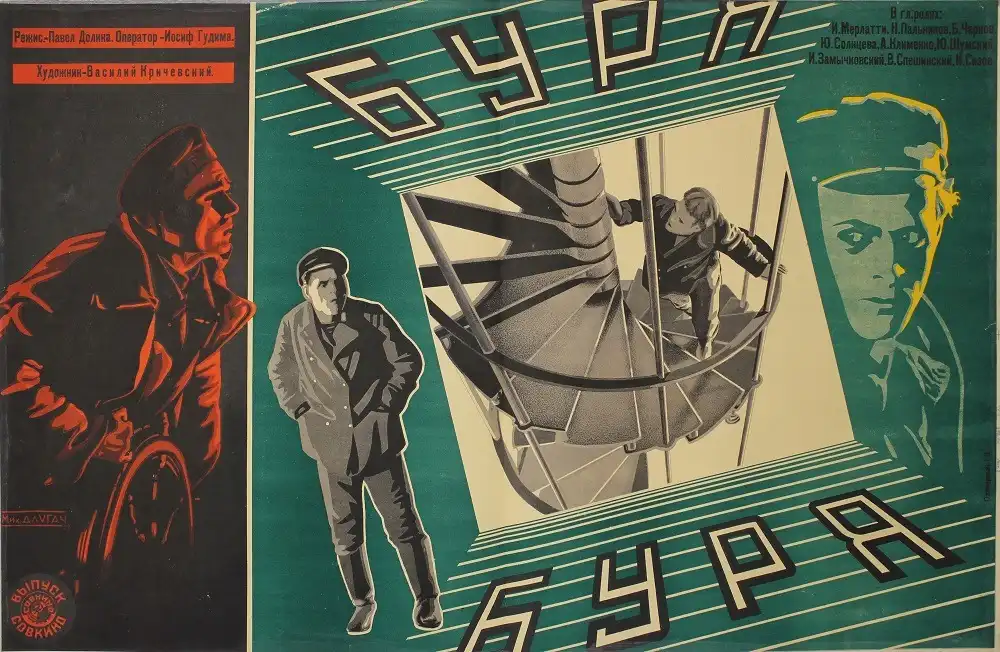
Burya isn't really a movie you just 'put on' for a casual Friday night, unless your idea of casual involves a deep dive into early cinema history. If you're someone who gets a kick out of seeing how stories were told almost a century ago, the kind of viewer who appreciates historical context over modern thrills, then yeah, you might find something interesting here. But if you're expecting anything like today's slick productions, or even just a super clear narrative handed to you on a silver platter, you're probably gonna bounce off this one pretty hard. This is definitely for the film history buffs, not the popcorn crowd. 🍿
Watching Burya, you're immediately thrown back to an era where performances had to be *big*. Like, really big. There's no subtle nuance here; every emotion is painted on the face and body for all to see. It’s a different kind of acting, almost theatrical, and it takes a bit to adjust.
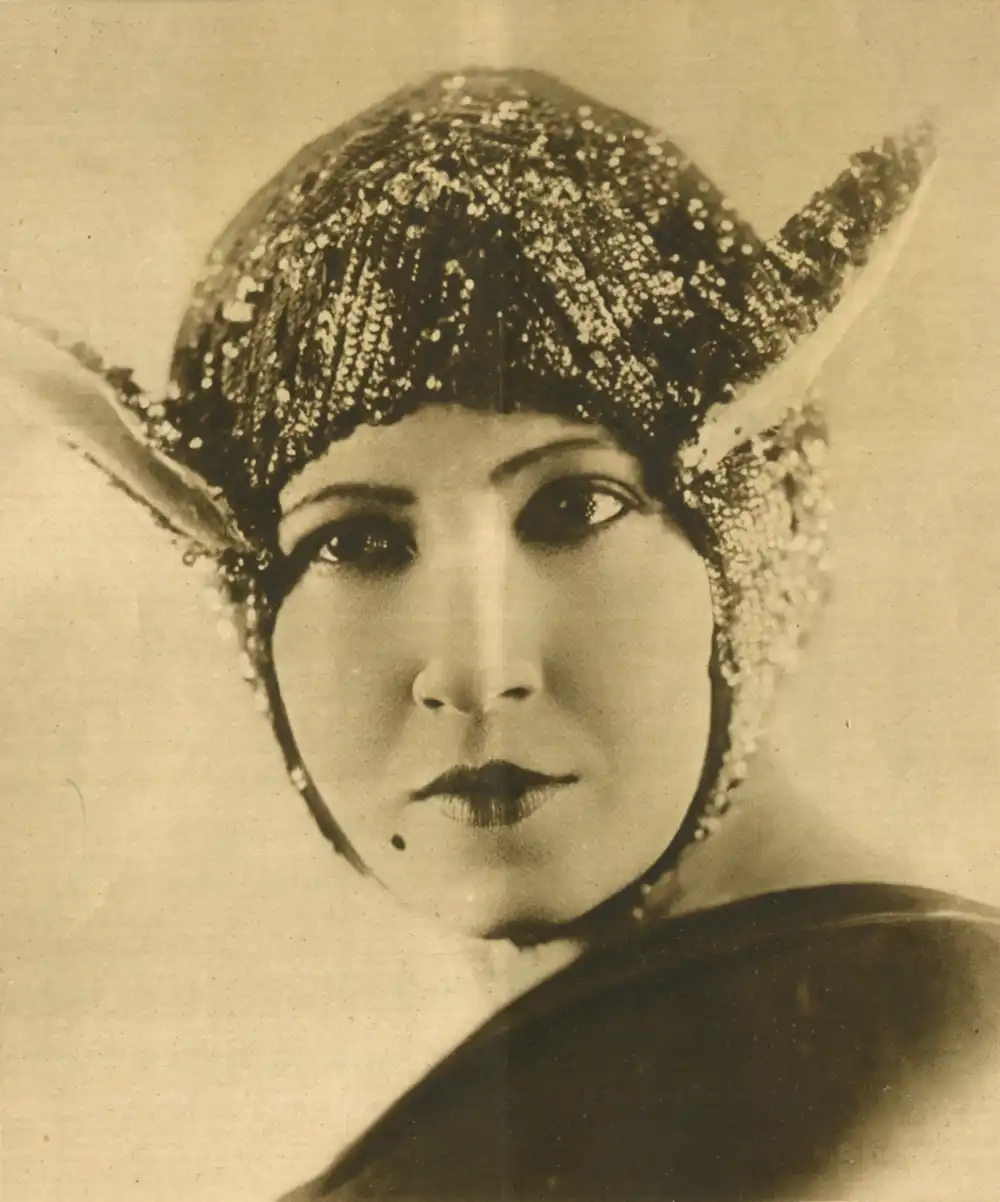
Yuliya Solntseva, who plays a central role, is just captivating. Her expressions are so intense, so committed. You can’t help but watch her, even when the scene itself feels a little, you know, *slow* for modern tastes. She carries so much just with her eyes. 👀
The whole film has this feeling of something grand and unstoppable brewing. The title, 'Burya' which means 'Storm,' really makes sense. Whether it's a literal storm or some kind of social upheaval, there's a constant sense of pressure. You can feel the characters struggling against something much bigger than themselves.
Some of the camera work, while simple by today's standards, is actually quite effective. There are a few frames that really stick with you, moments where the light and shadow create a mood that feels really *heavy*. It's not flashy, but it works.
Pacing-wise, it’s definitely a product of its time. Scenes sometimes linger for what feels like ages. A reaction shot might hang on for what seems like a full minute, just letting you soak in the emotion. It forces you to slow down, which can be either meditative or a little tedious, depending on your mood. Sometimes I found myself just thinking, 'Okay, I get it.' 🧘♀️
There’s this one particular moment where Anton Klimenko’s character, I think it was him, just stands there. For a really long time. He's looking off into the distance, and the camera just holds on him. You don’t know what he’s thinking, exactly, but you know it’s something *heavy*. It’s a simple shot, but it tells a story without any words, you know?
You can also notice the attention to costumes, even if it's just a simple shirt. They tell you a lot about the character's station, the kind of life they're living. It’s those little details that really pull you into their world, even when the broader plot points are a little opaque.
The raw, almost unpolished quality of the filmmaking is part of its charm. It feels less like a meticulously crafted product and more like a passionate experiment. You see the efforts, the choices they made with the technology they had, and it’s kind of inspiring in its own way.
My biggest takeaway, I suppose, is how much early cinema relied on sheer emotional impact. It didn't have special effects or rapid-fire editing to grab you. It was all about the human face, the grand gesture, and the atmosphere. And in that sense, Burya really delivers a powerful punch.
It’s not a film I’d recommend to everyone, by any means. But for those who appreciate the roots of cinema, for those who want to see a story unfold with a different kind of rhythm, it offers a pretty fascinating, if demanding, experience. It makes you think about how far movies have come, and what we might have lost along the way. Worth a look, for the right audience. 👍
IMDb —
1929
Community
Log in to comment.