DbcultAccessing Vault...
6.6/10
Senior Film Conservator
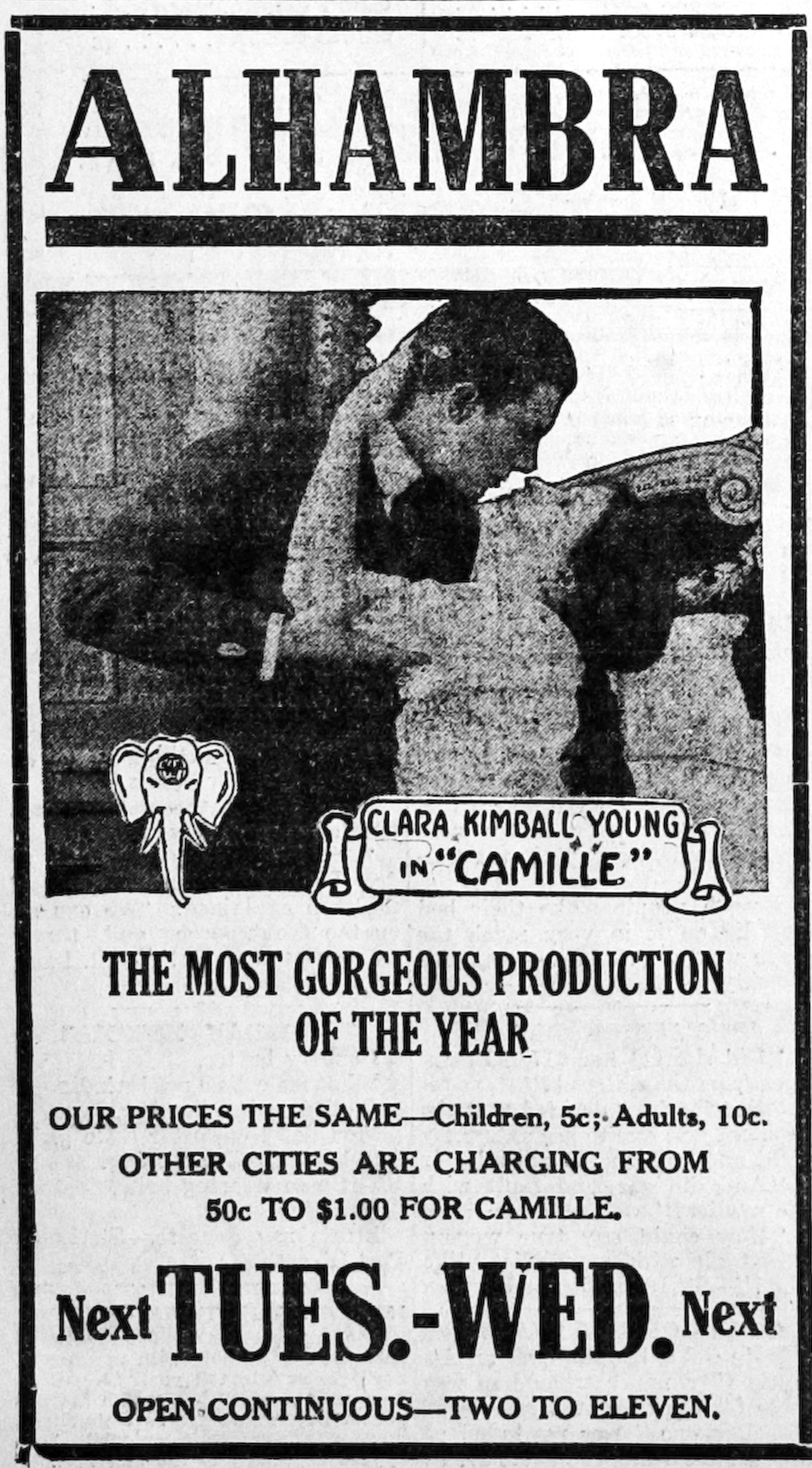
A definitive 6.6/10 rating for a film that redefined the boundaries of cult cinema. Camille remains a cornerstone of transgressive art.
In the midst of 19th-century Paris, Marguerite Gautier, affectionately known as Camille, reigns as the undisputed queen of the underworld, her life a mesmerizing tapestry of opulence and excess. With a wealthy lover in Count de Varville, who lavishes her with extravagant gifts, yet fails to capture her heart, Camille's existence is a poignant paradox. Her chance encounter with Armand, a young and ambitious lawyer from the countryside, sets her world ablaze, as she finds herself irretrievably entwined in a passionate and all-consuming love affair.
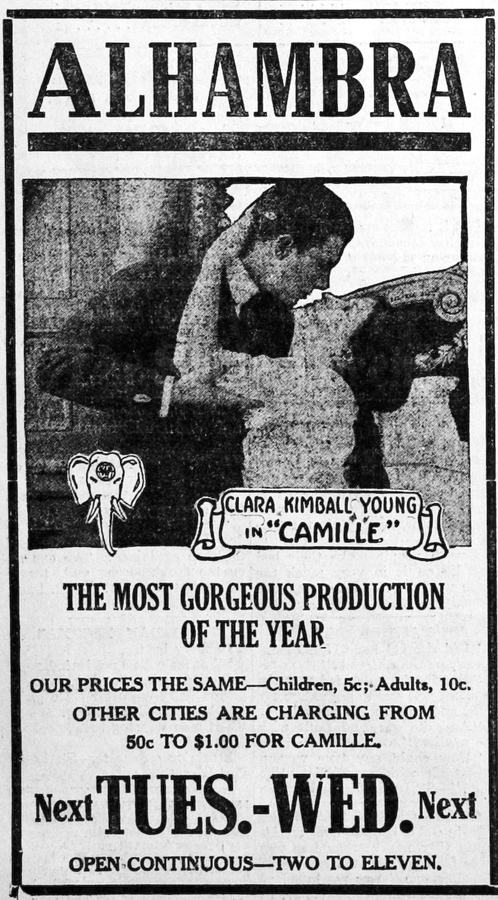
As their whirlwind romance unfolds, Camille is forced to confront the stark realities of her own mortality, her fragile health a constant reminder of the transience of life. Torn between her ardent love for Armand and the cruel dictates of societal expectations, Camille is compelled to make a heart-wrenching choice, one that will ultimately seal her fate and forever alter the lives of those around her. This poignant and powerful exploration of love, loss, and redemption is a testament to the enduring legacy of Alexandre Dumas fils' timeless masterpiece.
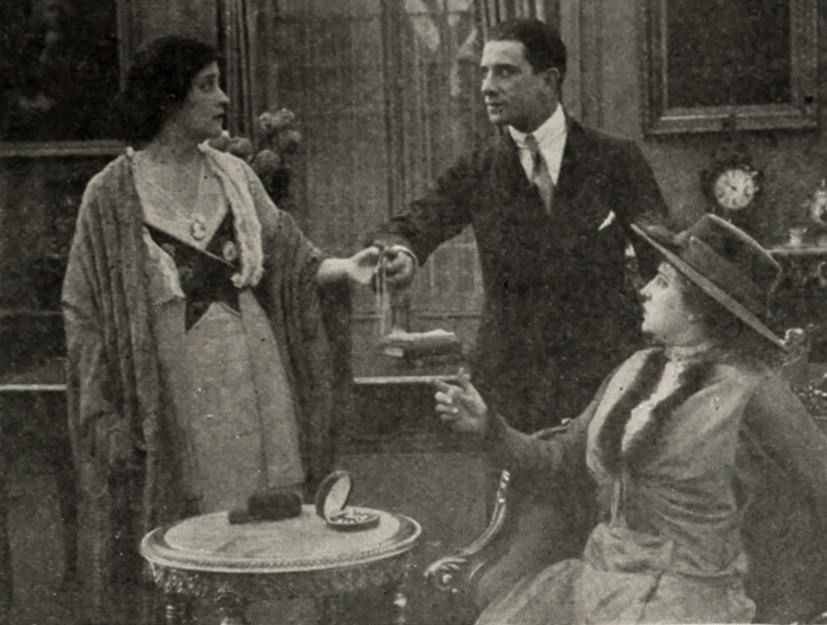
The film's narrative is a masterful exploration of the human condition, delving into the complexities of love, relationships, and the societal pressures that shape our lives. Through Camille's story, we are reminded of the enduring power of love and the devastating consequences of its loss. The film's use of Montmartre as a backdrop adds a touch of authenticity, immersing the viewer in the vibrant and tumultuous world of 19th-century Paris.
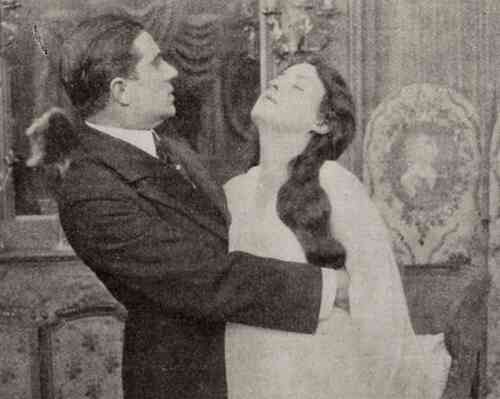
The performances in the film are superb, with Ruth Gordon delivering a captivating portrayal of Camille. Her on-screen presence is mesmerizing, conveying the complexity and depth of her character with remarkable nuance. Stanhope Wheatcroft brings a sense of vulnerability and passion to his role as Armand, his chemistry with Gordon palpable and authentic.
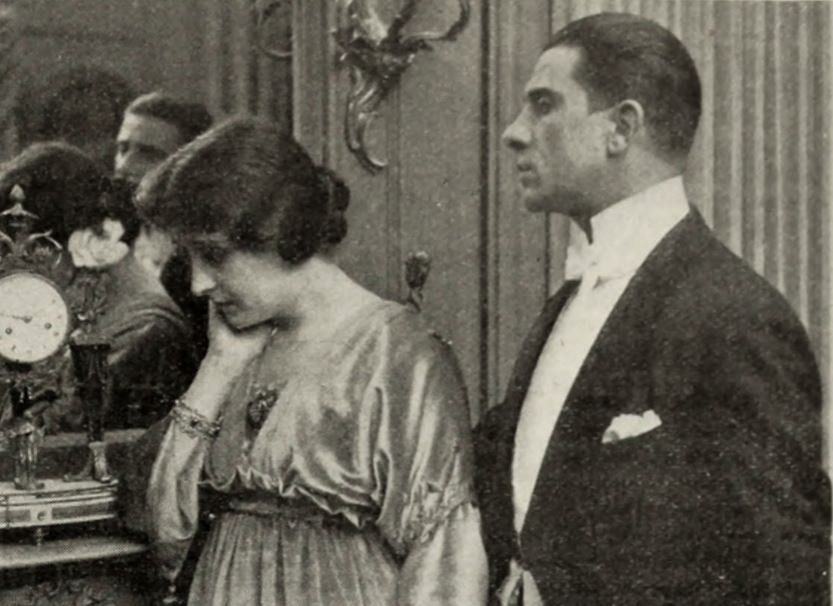
The film's cinematography is equally impressive, with a keen attention to detail and a deep understanding of the story's emotional nuances. The use of lighting and shadows adds a touch of realism, drawing the viewer into the world of the film. The costume design is exquisite, with intricate details and opulent fabrics that transport the viewer to the grandeur of 19th-century Paris.
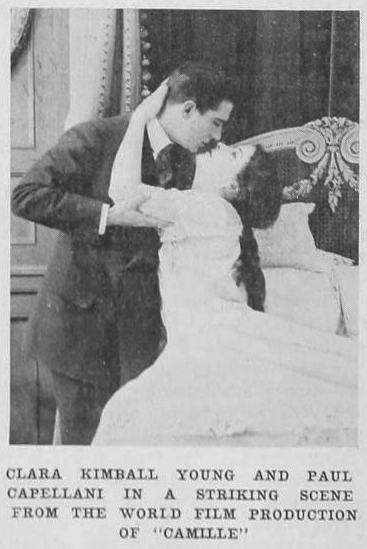
In comparison to other films of the era, such as The Education of Mr. Pipp and The Littlest Rebel, Camille stands out for its thoughtful pacing and nuanced character development. The film's exploration of themes such as love, sacrifice, and redemption is both poignant and powerful, leaving a lasting impression on the viewer.
Overall, Camille is a masterpiece of silent cinema, a film that continues to captivate audiences with its timeless story and memorable performances. With its richly detailed world and nuanced character development, this film is a must-see for anyone interested in the art of storytelling. Whether you are a fan of silent films or simply looking for a compelling and emotional cinematic experience, Camille is sure to leave a lasting impression.
The film's influence can be seen in many other works, including A Prince of India and Captain Alvarez, which also explore themes of love and sacrifice. However, Camille remains a unique and unforgettable cinematic experience, one that continues to inspire and captivate audiences to this day.
In conclusion, Camille is a film that will leave you breathless and yearning for more. With its captivating performances, stunning cinematography, and poignant storyline, this masterpiece of silent cinema is an absolute must-see. So why not immerse yourself in the world of East Lynne and The Typhoon, and experience the magic of Camille for yourself?
IMDb —
1923
Community
Log in to comment.