DbcultAccessing Vault...
5.3/10
Senior Film Conservator
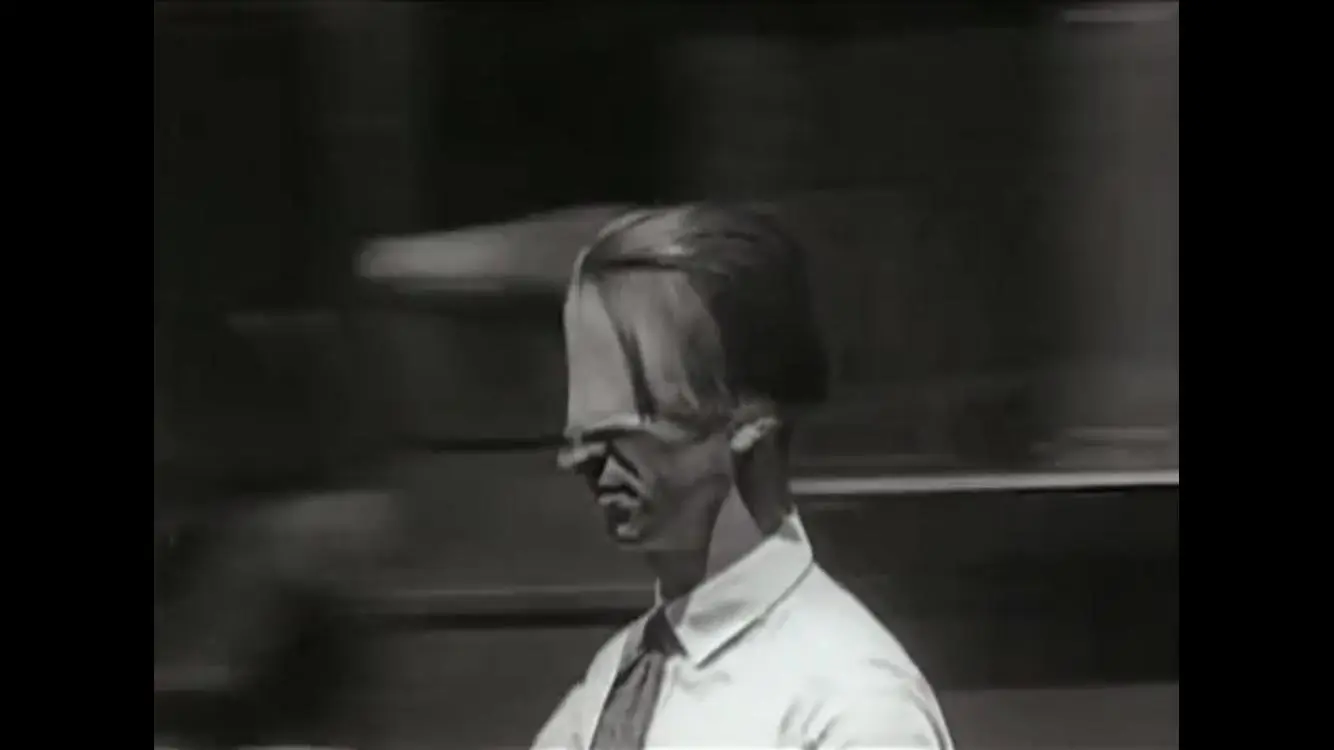
A definitive 5.3/10 rating for a film that redefined the boundaries of cult cinema. Looney Lens: Tenth Avenue, NYC remains a cornerstone of transgressive art.
In the city that never sleeps, a peculiar film emerges, refracting the urban experience through a unique lens. Looney Lens: Tenth Avenue, NYC is an enigmatic cinematic experiment, defying traditional narrative structures.
The film's protagonist, played by Al Brick, is an everyman navigating the concrete jungle of Tenth Avenue. As he traverses this urban landscape, the boundaries between reality and expressionism blur, yielding a dreamlike atmosphere reminiscent of The Life of Our Saviour; or, The Passion Play's stylized depiction of spiritual struggle.
Through a non-linear narrative, Brick's character encounters a plethora of characters, each representing a facet of the urban experience. This fractured narrative structure serves as a metaphor for the disjointed nature of modern life, echoing the themes of The Love Tyrant's exploration of relationships in a postmodern world.
The cinematography is a character in its own right, imbuing the film with a sense of sea blue melancholy, evoking the works of German Expressionist cinema. This stylized aesthetic serves to heighten the sense of unease, underscoring the tensions between individual identity and the oppressive urban environment.
As the protagonist navigates this labyrinthine world, he confronts various alter egos, each representing a possible iteration of self. This The Spy-esque theme of identity fragmentation yields a profound exploration of existential crises, recalling the philosophical debates of Sands of Sacrifice.
The score, a minimalist soundscape, perfectly complements the on-screen action, injecting a sense of yellow optimism into the narrative's darker moments. This dichotomy serves to underscore the resilience of the human spirit, even in the face of urban alienation.
The film's use of location shooting, capturing the gritty reality of Tenth Avenue, serves as a counterpoint to the stylized narrative. This juxtaposition of reality and artifice yields a sense of dark orange unease, highlighting the tensions between the individual and the urban environment.
In its exploration of urban existence, Looney Lens: Tenth Avenue, NYC recalls the works of early 20th-century filmmakers, such as Billy Blazes, Esq.'s actuality films. This cinema verité approach serves to ground the narrative in reality, underscoring the film's themes of social commentary.
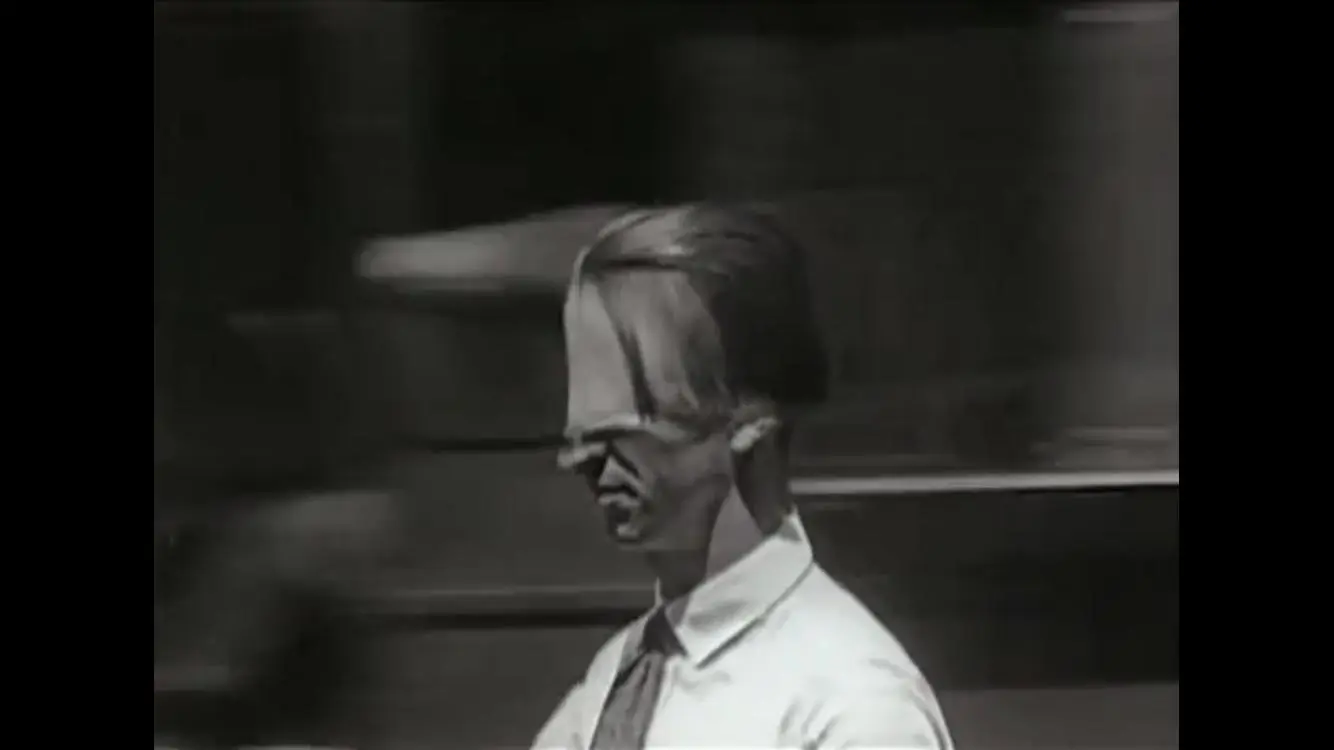
The The Escape-esque theme of liberation serves as a corollary to the protagonist's journey, as he navigates the urban landscape in search of meaning. This escape is not merely physical, but also metaphysical, as the protagonist seeks to transcend the limitations of his existence.
Through its innovative narrative structure and stylized aesthetic, Looney Lens: Tenth Avenue, NYC joins the ranks of films like Un día en Xochimilco and The Greatest of These, pushing the boundaries of cinematic storytelling.
The film's denouement, a Better Than Gold-esque paean to the human condition, serves as a testament to the resilience of the human spirit. In the face of urban adversity, the protagonist emerges transformed, his looney lens refracting a newfound appreciation for life.
Ultimately, Looney Lens: Tenth Avenue, NYC is a cinematic cri de coeur, a powerful exploration of urban existence and the human condition. Through its innovative narrative structure and stylized aesthetic, the film offers a profound meditation on identity, existence, and the search for meaning in a chaotic world.
The film's themes of identity fragmentation and existential crises are reminiscent of The Call of the Blood's exploration of human nature. This shared concern with the human condition serves to underscore the film's relevance in contemporary society.
As a work of cinematic art, Looney Lens: Tenth Avenue, NYC is a tour de force, a testament to the power of film to challenge and subvert our expectations. Through its innovative narrative structure and stylized aesthetic, the film offers a unique viewing experience, one that lingers long after the credits roll.
The film's use of yellow and sea blue hues serves as a visual motif, underscoring the tensions between optimism and melancholy. This dichotomy is reflective of the film's exploration of the human condition, a nuanced and multifaceted portrayal of urban existence.
In conclusion, Looney Lens: Tenth Avenue, NYC is a masterpiece of cinematic storytelling, a film that challenges and subverts our expectations. Through its innovative narrative structure and stylized aesthetic, the film offers a profound exploration of urban existence and the human condition.

IMDb 6.6
1931
Community
Log in to comment.