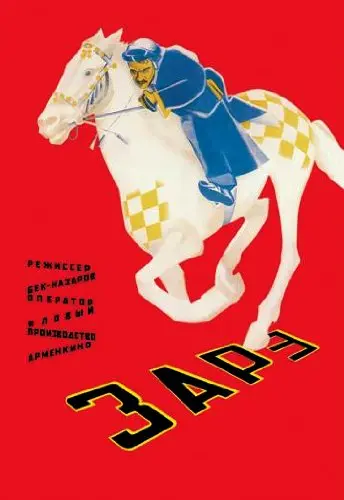
A definitive 7.1/10 rating for a film that redefined the boundaries of cult cinema. Zare remains a cornerstone of transgressive art.
Is Zare Worth Watching Today?
Is Zare worth your time in the 21st century? Short answer: absolutely, but with significant caveats that demand a particular kind of viewer. This silent epic of love and societal struggle is an invaluable historical document and a surprisingly potent emotional experience for those willing to meet it on its own terms, yet it will undoubtedly test the patience of modern audiences accustomed to faster pacing and contemporary narrative conventions.
This film is for the dedicated cinephile, the cultural historian, and anyone with a deep appreciation for the foundational works of world cinema. It’s a profound window into a specific time and place, offering insights into a culture rarely depicted on screen. Conversely, it is decidedly not for viewers seeking a quick, action-packed narrative, those averse to the unique language of silent film, or anyone with a low tolerance for deliberate, almost meditative pacing.
This film works because: It offers an unparalleled, authentic glimpse into a specific historical and cultural moment, powered by groundbreaking ethnographic filmmaking and a raw, emotionally resonant central performance.
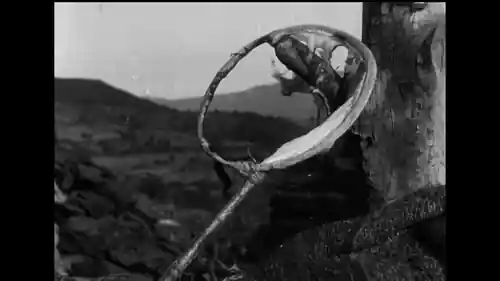
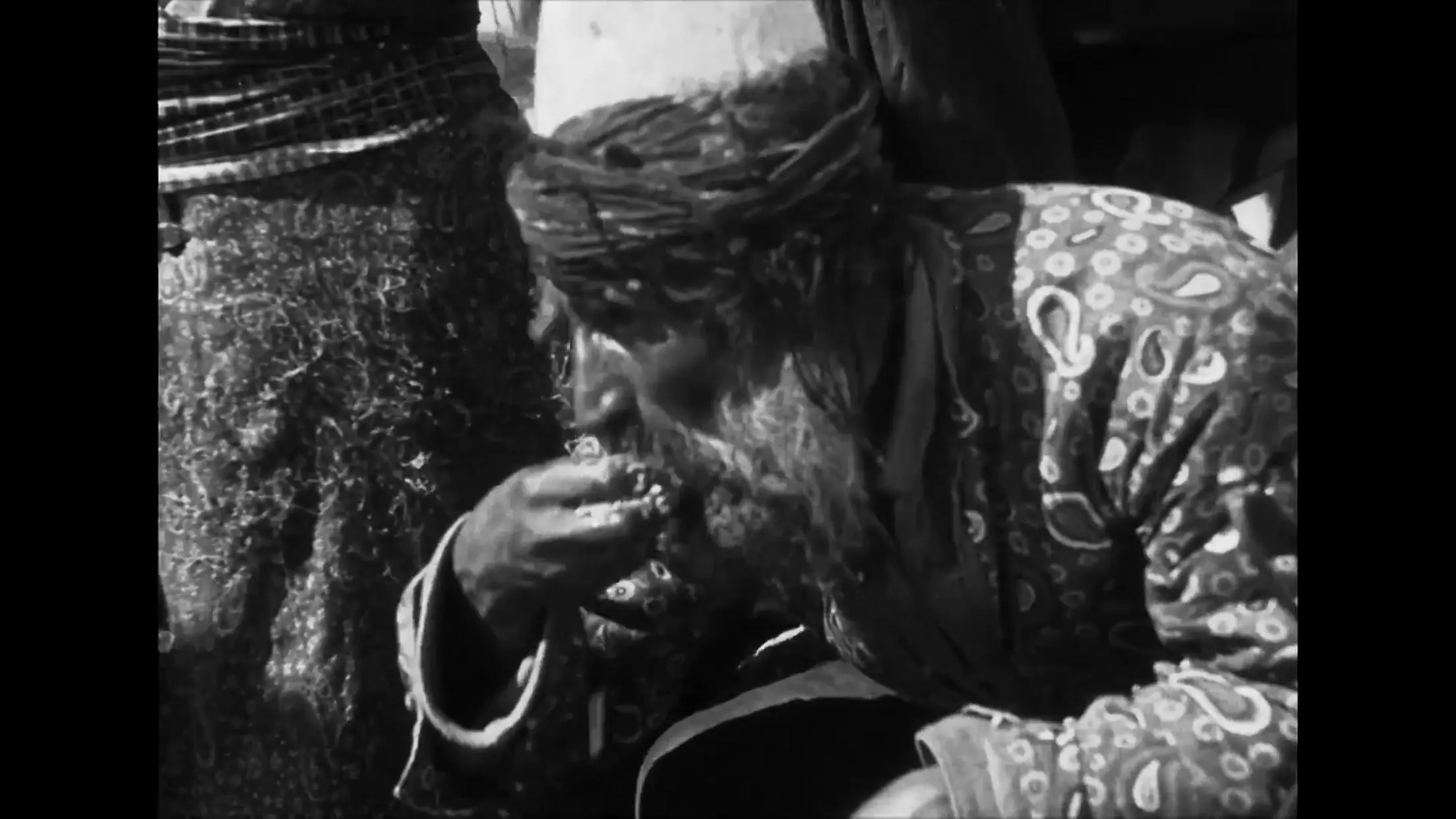
Scene from Zare
Cinematic perspective: Exploring the visual vocabulary of Zare (1926) through its definitive frames.
This film fails because: Its pacing can be undeniably glacial by contemporary standards, and some narrative threads, while historically accurate, might feel underdeveloped or unsatisfying to a modern audience.
You should watch it if: You appreciate cinema as both art and historical artifact, value emotional depth over conventional plot mechanics, and are prepared to immerse yourself in a world long past, guided by the nuanced expressions of silent era acting.
A Pioneering Glimpse into a Lost World
Amo Bek-Nazaryan’s Zare, released in 1926, stands as a monumental achievement in early Soviet Armenian cinema, and more broadly, in the history of ethnographic filmmaking. Set just before the seismic shifts of the Russian Revolution, the film presents a vivid, almost documentary-like portrayal of life in a Yazidi Kurdish village. This wasn't merely a backdrop; Bek-Nazaryan plunged his camera directly into the heart of this community, often utilizing non-professional actors alongside his seasoned cast to lend an unparalleled authenticity to the proceedings.
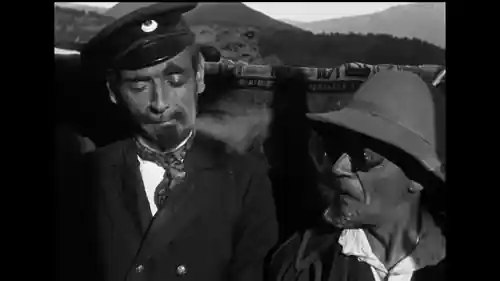
Scene from Zare
Cinematic perspective: Exploring the visual vocabulary of Zare (1926) through its definitive frames.
The director's approach here is fascinating. Unlike many of his contemporaries who might have exoticized or simplified the culture, Bek-Nazaryan strives for a respectful, observational tone. He allows the daily rituals, the social hierarchies, and the inherent struggles of the Yazidi people to unfold with a deliberate rhythm. We see the laborious work of shepherding, the intricate social dynamics, and the deep-seated traditions that govern every aspect of life, all captured with an earnestness that feels remarkably modern for its time.
One particularly striking aspect of Bek-Nazaryan's direction is his ability to weave a compelling human drama within this rich cultural tapestry. The central conflict—Seydo and Zare’s fight for their love—is not treated as a simplistic romance but as a symbol of individual will against the immovable force of communal expectation. The director masterfully uses the expansive Armenian landscape not just as scenery, but as an active participant in their struggle, vast and indifferent to their personal plight, yet beautiful in its stoicism.
This commitment to realism and cultural specificity sets Zare apart from many films of its era, which often relied on more melodramatic or allegorical narratives. It has more in common with the early works of documentarians or even later neorealist movements than with the theatricality often associated with silent cinema. It’s a film that asks you to observe, to understand, rather than merely to be entertained, and in that regard, it truly excels.
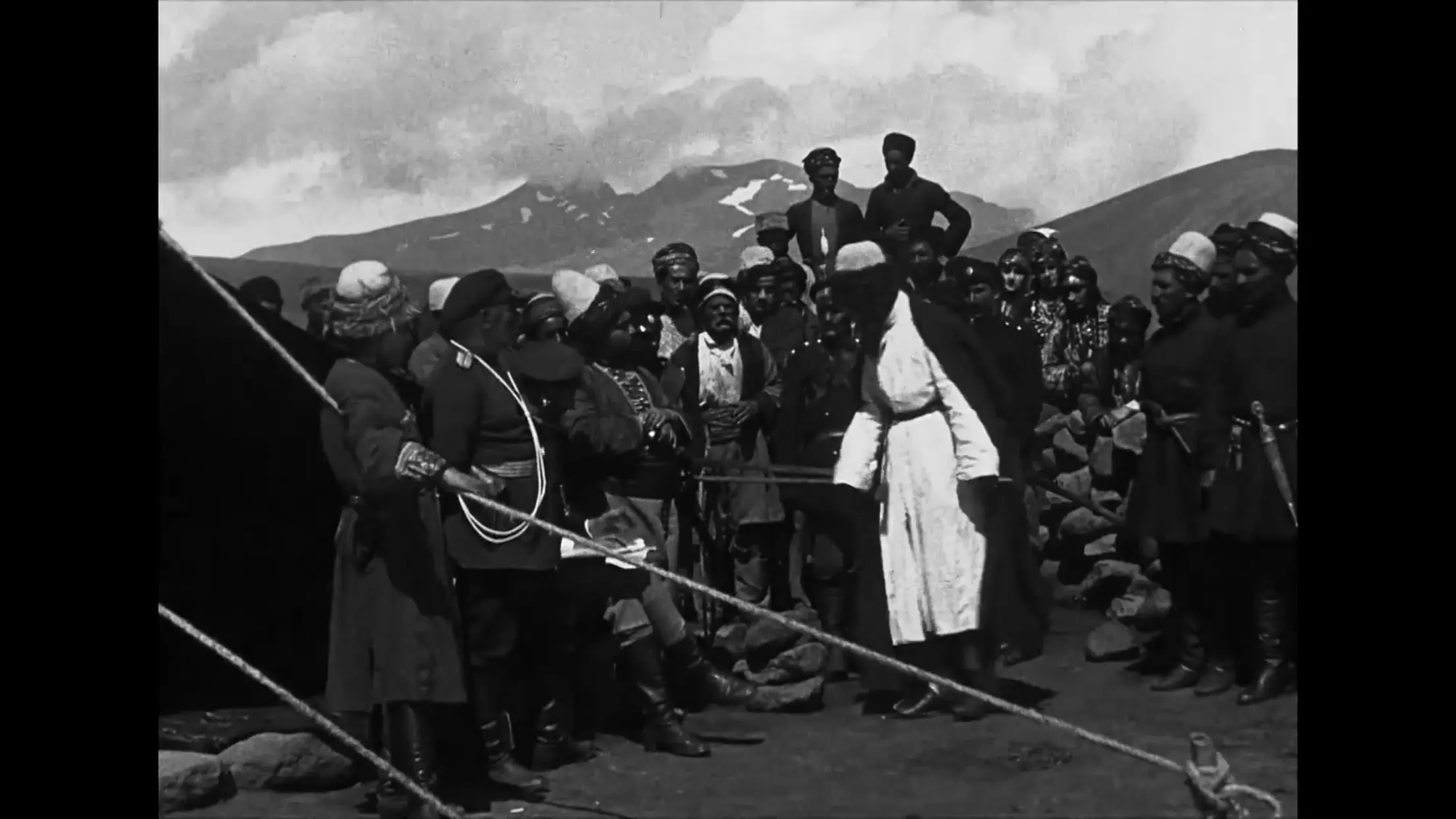
Scene from Zare
Cinematic perspective: Exploring the visual vocabulary of Zare (1926) through its definitive frames.
The Performances: A Silent Language
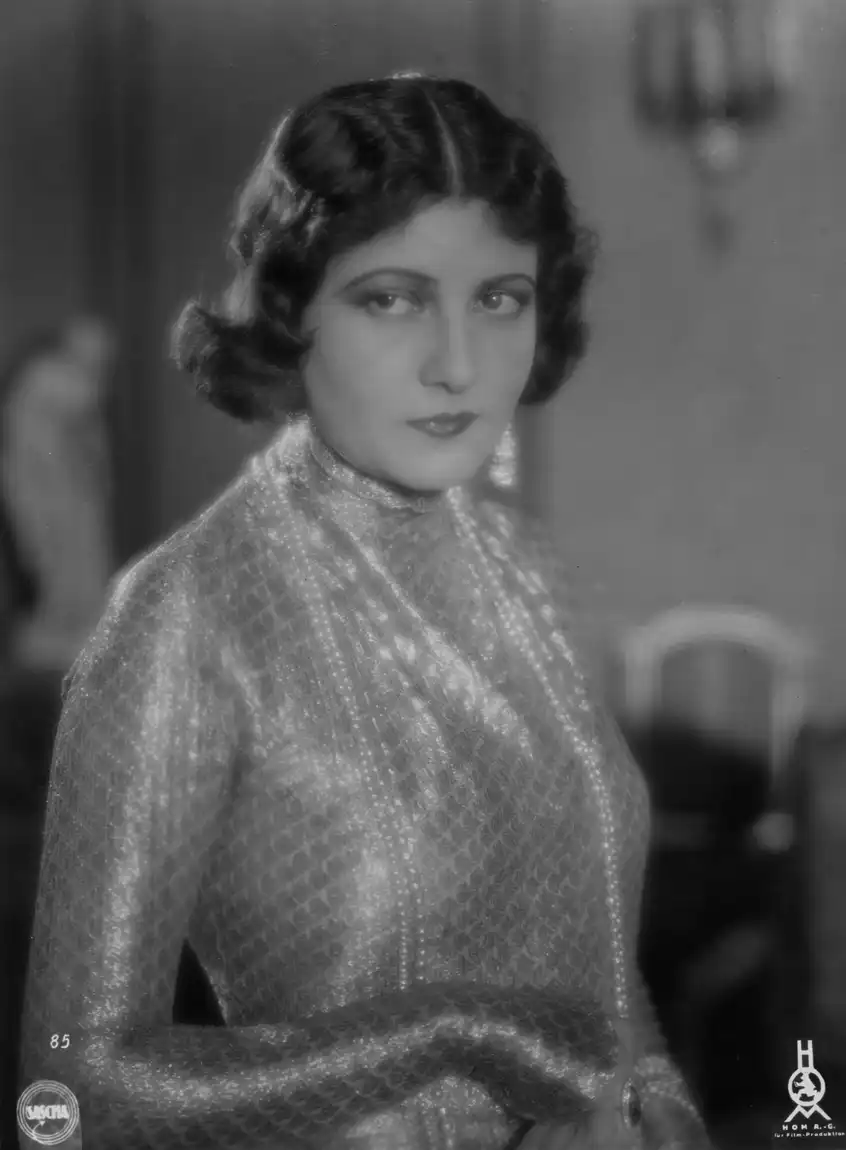
In the realm of silent cinema, the burden of conveying emotion, thought, and motivation falls almost entirely upon the actors' physical presence, their facial expressions, and their body language. In Zare, the performances are, for the most part, a masterclass in this demanding art form. Leading the charge is Maria Tenazi as Zare, whose portrayal is nothing short of captivating. Tenazi embodies Zare with a powerful blend of fierce independence and heartbreaking vulnerability. Her eyes, in particular, are incredibly expressive, capable of conveying defiance, sorrow, joy, and a quiet determination without the need for a single intertitle.
Consider the scene where Zare is confronted with the prospect of an arranged marriage. Tenazi doesn't resort to histrionics; instead, her subtle stiffening, the slight tremble in her lip, and the desperate, pleading glance she casts towards Seydo communicate a profound sense of entrapment and despair. It’s a performance that transcends the technical limitations of its age, feeling remarkably alive and authentic even today. Her Zare is not just a victim of circumstance but a woman with an indomitable spirit, fighting for her agency in a world that offers little.
M. Aghamalov, as the shepherd Seydo, offers a more stoic, yet equally effective, performance. His character is defined by a quiet strength and an unwavering loyalty to Zare. While Tenazi's performance is often more outwardly expressive, Aghamalov’s power lies in his understated reactions, his silent resolve, and the palpable tension he carries. Together, their on-screen chemistry, though often expressed through longing glances and desperate embraces, feels genuinely tender and believable.
Scene from Zare
Cinematic perspective: Exploring the visual vocabulary of Zare (1926) through its definitive frames.
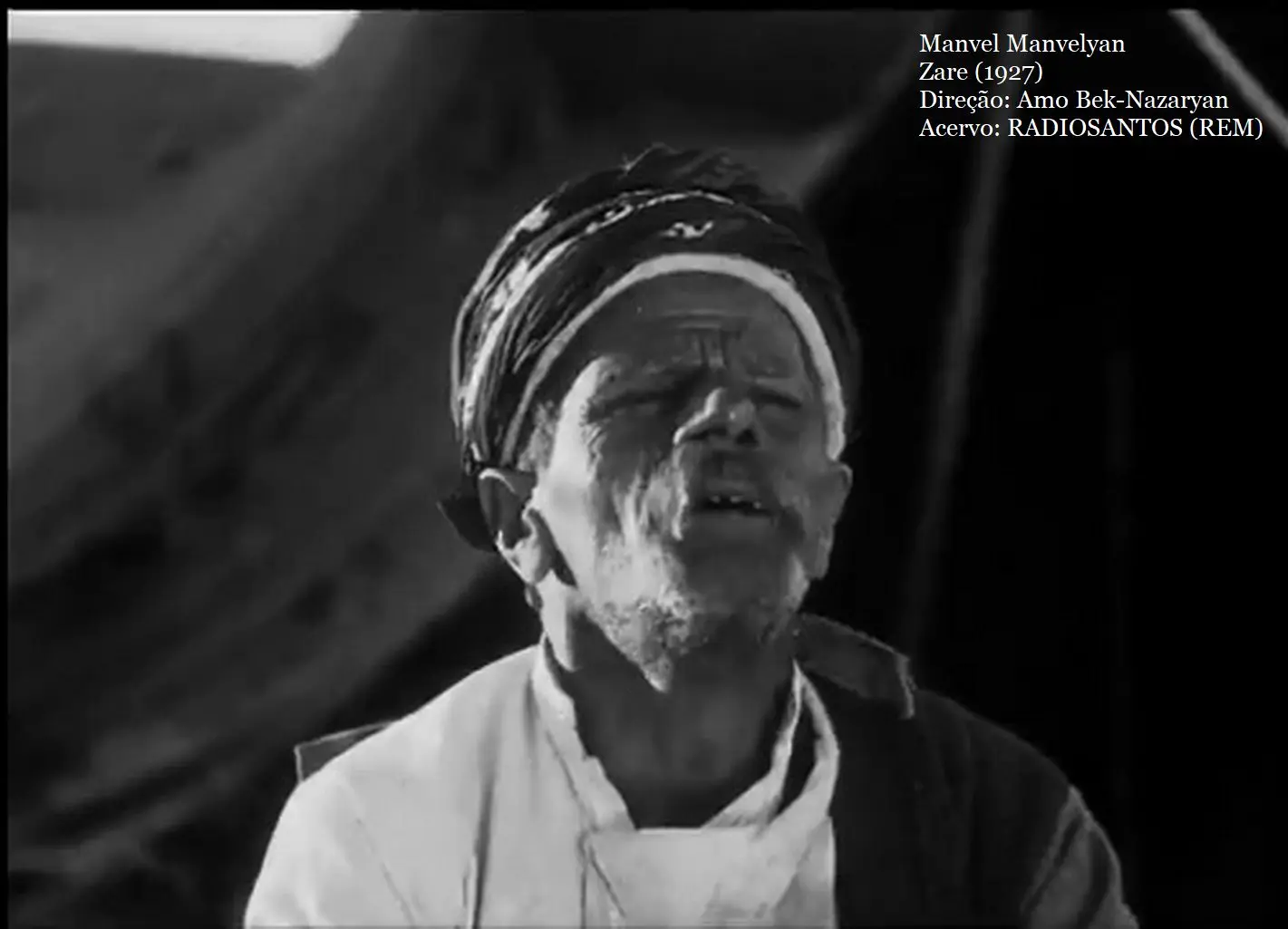
The supporting cast, a mix of professional actors like Manvel Manvelyan and local villagers, also contributes significantly to the film's authenticity. While some performances might feel broader or more theatrical to modern sensibilities, they nonetheless serve the narrative's purpose, grounding the central romance within a believable community. The village elders, for instance, are portrayed with a gravitas that perfectly encapsulates the weight of tradition and authority they represent. It's a testament to Bek-Nazaryan's direction that he managed to elicit such compelling and coherent performances across his diverse cast.
Visual Storytelling and Cinematography
The cinematography in Zare, while constrained by the technology of its era, is remarkably effective in building the film's atmosphere and furthering its narrative. The film masterfully utilizes the vast, rugged landscapes of Russian Armenia, transforming them into more than just backdrops; they become characters in themselves, reflecting the harsh realities and enduring beauty of the Yazidi existence. Wide shots frequently emphasize the smallness of human figures against towering mountains and expansive plains, visually reinforcing the struggle of individuals against larger forces.
There are moments of striking visual poetry. For instance, the sequences depicting Seydo with his flock, silhouetted against a dramatic sky, are not just beautiful but also symbolic of his life’s work and his connection to the land. The camera often lingers, allowing the viewer to absorb the environment, which is crucial for a film so deeply rooted in its location and culture. The use of natural light, though often a necessity in early cinema, here adds a raw, unvarnished quality to the visuals, making the village and its inhabitants feel incredibly real.
Scene from Zare
Cinematic perspective: Exploring the visual vocabulary of Zare (1926) through its definitive frames.
However, it’s not all sweeping vistas. Bek-Nazaryan also employs intimate close-ups, particularly on Zare’s face, to convey intense emotional states. These shifts in scale are vital for silent film, drawing the audience into the characters' inner worlds when dialogue is absent. The editing, while not as frenetic or experimental as some Soviet montage films, is thoughtful and deliberate, allowing scenes to breathe and emotions to register fully. The visual storytelling is clear, precise, and remarkably sophisticated for 1926.
One unconventional observation is how the film's visual style, despite its age, manages to feel less like a historical artifact and more like a window. It avoids the common trap of appearing dated through excessive stylization, instead opting for a visual realism that retains its power. The stark beauty captured by the camera is a constant, quiet presence, reminding us of the enduring power of nature and the human spirit within it.
Pacing, Tone, and the Test of Time
The pacing of Zare is perhaps its most significant hurdle for a contemporary audience. It is, by modern standards, slow. Deliberately so. The film takes its time establishing the world, the characters, and the intricate social dynamics of the Yazidi village. There are extended sequences dedicated to daily life, to rituals, and to the passage of time, which can feel challenging if one is expecting a briskly moving plot. This is not a film that rushes to its conclusions; it allows events to unfold with an almost naturalistic rhythm.
However, this deliberate pacing is also one of its strengths. It’s precisely this unhurried rhythm that allows the emotional truth of the narrative to seep into your bones. It forces the viewer to slow down, to observe, and to truly immerse themselves in the film's unique atmosphere. The tone is a delicate balance of romantic idealism, stark social realism, and an underlying sense of impending historical change. There’s a palpable melancholy that permeates the film, a quiet recognition of a way of life that is on the precipice of being irrevocably altered by the coming revolution.
The film’s emotional resonance, despite its age and silent format, remains potent. The universal themes of forbidden love, social injustice, and the struggle for personal freedom transcend the specific historical context. You feel for Zare and Seydo, you understand their plight, and you root for their happiness, even as the narrative hints at the larger, often tragic, forces at play. It works. But it’s flawed.
Comparing it to other early cinematic works, Zare stands out for its blend of dramatic narrative with ethnographic detail. While films like The Last Frontier or The Exiles might focus more squarely on grand historical events or individual urban alienation, Zare provides an intimate, ground-level view of a specific culture at a pivotal moment. Its enduring power lies in this specificity and its unwavering commitment to depicting the human heart amidst societal upheaval.
Key Takeaways
Best for: Silent film enthusiasts, cultural historians, and viewers interested in early ethnographic cinema and Armenian culture.
Not for: Those seeking fast-paced plots, modern narrative conventions, or viewers with limited patience for historical films.
Standout element: Maria Tenazi's deeply expressive and powerful performance as Zare, coupled with the film's groundbreaking authentic portrayal of Yazidi life.
Biggest flaw: Its extremely deliberate pacing, which can be a significant barrier for contemporary audiences.
Pros and Cons
Pros:
Historical Significance: A landmark film in Armenian cinema and a vital ethnographic document of a specific culture and time.
Authenticity: Bek-Nazaryan’s use of real locations and villagers lends unparalleled realism.
Powerful Performances: Maria Tenazi’s portrayal of Zare is particularly memorable and emotionally resonant.
Visual Storytelling: Effective cinematography that uses landscape as a character and conveys emotion through subtle visual cues.
Thematic Depth: Explores universal themes of love, tradition vs. modernity, and social justice.
Cultural Insight: Offers a rare and respectful window into Yazidi Kurdish traditions and way of life.
Cons:
Pacing Challenges: Extremely slow by modern standards, requiring significant viewer patience.
Technical Limitations: As a silent film from 1926, some aspects like sound design (obviously) and image quality (depending on restoration) will be a barrier for some.
Narrative Conventions: Plot progression and character development might feel less dynamic than what contemporary audiences expect.
Limited Accessibility: Not a film for casual viewing; demands a focused and appreciative audience.
Verdict
Zare is not merely a historical curiosity; it is a testament to the enduring power of silent cinema, often overlooked by those who mistake silence for simplicity. Amo Bek-Nazaryan crafted a film that is both a tender love story and a profound sociological study, capturing a moment in time with remarkable clarity and empathy. While its deliberate pace demands a certain investment from the viewer, the rewards are substantial. You will be transported not just to another era, but to another way of seeing, feeling, and understanding the human condition.
For those willing to engage with its unique rhythm and historical context, Zare offers a deeply enriching experience. It reminds us that fundamental human struggles for love and freedom are timeless, and that cinema, even in its earliest forms, possessed an extraordinary capacity to document, to move, and to enlighten. It’s a film that deserves to be seen, studied, and appreciated for its pioneering spirit and its quiet, yet powerful, emotional resonance. Highly recommended for the discerning viewer seeking substance and historical perspective over superficial entertainment.