DbcultAccessing Vault...
Cult Review
Senior Film Conservator
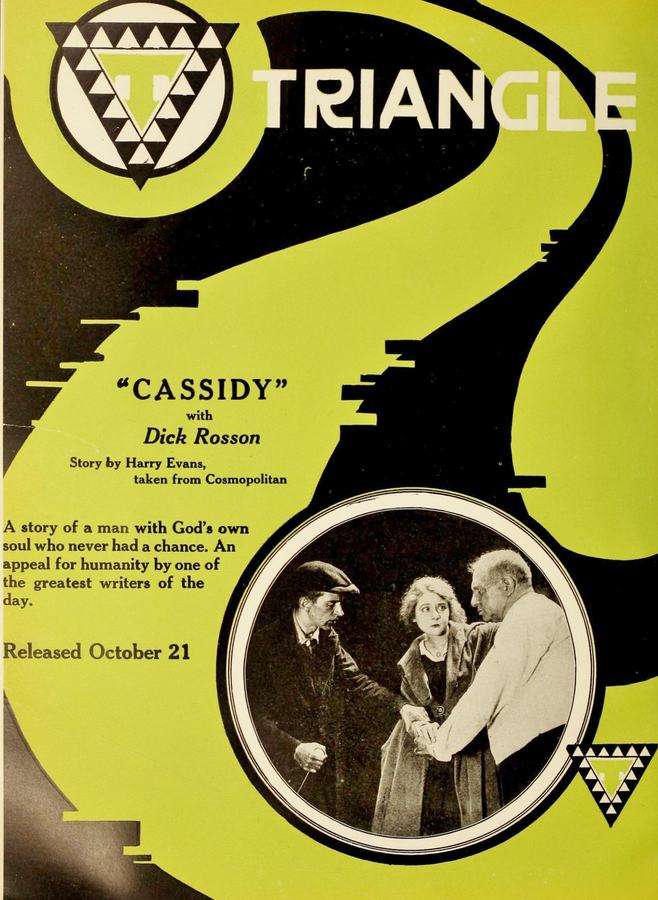
In the annals of early cinema, where narratives often relied on grand gestures and stark emotional contrasts, 'Cassidy' emerges as a particularly resonant, albeit somber, entry. This film, a product of an era that mastered visual storytelling, delves deep into the human condition, exploring themes of desperation, unexpected compassion, and the ultimate, redemptive sacrifice. It’s a narrative that, despite its century-old vintage, continues to tug at the heartstrings, prompting reflection on the inherent dignity of even the most downtrodden among us. The film’s raw emotional landscape, primarily conveyed through the expressive performances of its cast, particularly Pauline Curley, Frank Currier, and Mac Alexander, paints a vivid portrait of a man confronting his own mortality while clinging to a singular, profound desire.
The titular character, Cassidy, is introduced not as a hero, but as a man on the precipice – physically ravaged by tubercular lungs, spiritually adrift, and financially destitute in the bustling, indifferent metropolis of San Francisco. His immediate reality is one of profound isolation and impending doom. The city, far from offering solace, accentuates his plight, making his yearning for the distant shores of New York not merely a nostalgic wish, but an urgent, life-affirming (or perhaps, death-affirming) necessity. This desperate desire to return home, to find peace in a familiar setting before his final breath, forms the foundational emotional bedrock of the film. It’s a universal longing, one that transcends the specific circumstances of the character, resonating with anyone who has ever felt the pull of roots and belonging in the face of an uncertain future.
The narrative’s pivotal turning point arrives with Cassidy’s desperate decision to commit a crime. The act of breaking into District Attorney Grant's home isn't portrayed as an act of malice, but rather as a last, desperate gasp for survival, a flawed attempt to secure the means for his final journey. This moment of transgression, however, leads not to the expected condemnation, but to a profound encounter with empathy. Grant, a figure of law and order, could easily have dismissed Cassidy as just another criminal. Instead, he sees beyond the act to the man, recognizing the profound suffering and the heartbreaking sincerity of Cassidy's wish. This unexpected act of benevolence, where the enforcer of justice becomes an unlikely benefactor, is a powerful testament to the film’s underlying humanism.
The casting here, particularly Frank Currier as District Attorney Grant, brings a necessary gravitas and warmth to a character who could have easily been one-dimensional. His portrayal of a man capable of setting aside the letter of the law for the spirit of human compassion is subtly powerful, especially within the constraints of silent film acting. This scene, devoid of dialogue, relies entirely on facial expressions, body language, and the audience's ability to infer complex emotions. It's a masterclass in silent cinematic storytelling, where a simple gesture or a prolonged gaze can convey volumes more than pages of dialogue. This moment of grace is not just a plot device; it’s a moral statement, suggesting that true justice sometimes requires a deeper understanding of human frailty and circumstance.
What follows is a remarkable cinematic contrivance that, while perhaps melodramatic by modern standards, serves to elevate Cassidy from a mere recipient of charity to an active agent of destiny. The kidnapping of Grant’s daughter by his political adversaries provides the perfect stage for Cassidy’s redemption. It’s a narrative echo of the age-old trope where the outcast or the 'sinner' finds an opportunity for profound moral vindication. Cassidy, no longer just a derelict, becomes a man with a purpose, driven by a newfound sense of loyalty and a desire to repay the kindness he received. This immediate reciprocation of goodwill adds a layer of moral complexity and dramatic urgency to the plot, preventing the film from descending into mere sentimentality.
The film cleverly uses Cassidy's humble origins and street-level connections to facilitate the rescue. His friend, the bartender, a purveyor of information in the urban underbelly, becomes the unlikely oracle, guiding Cassidy to the girl's whereabouts. This detail grounds the heroic act in a believable, if romanticized, reality, suggesting that even those on the fringes of society possess valuable knowledge and connections. The sequence of the rescue itself would have been a highlight for audiences of the era, filled with suspense and the promise of a thrilling confrontation. Pauline Curley, presumably in the role of the kidnapped daughter, would have brought a necessary vulnerability to the character, making Cassidy’s rescue all the more imperative and heroic.
The climax of 'Cassidy' is a masterstroke of tragic heroism. Having successfully rescued the girl and returned her to her grateful father, Cassidy’s journey is far from over. He is badly wounded, his already fragile health pushed beyond its limits. Yet, his final act is not one of self-preservation, but of completing his original, deeply personal quest. He drags his failing body towards the railroad station, the symbol of his longed-for return to New York. His death at the station, a mere threshold away from achieving his dream, is profoundly poignant. It’s a death that is both tragic and triumphant, marking the ultimate sacrifice for a man who, in his final moments, found purpose and redemption. This ending elevates the film from a simple melodrama to a profound exploration of human endurance and the bittersweet nature of destiny.
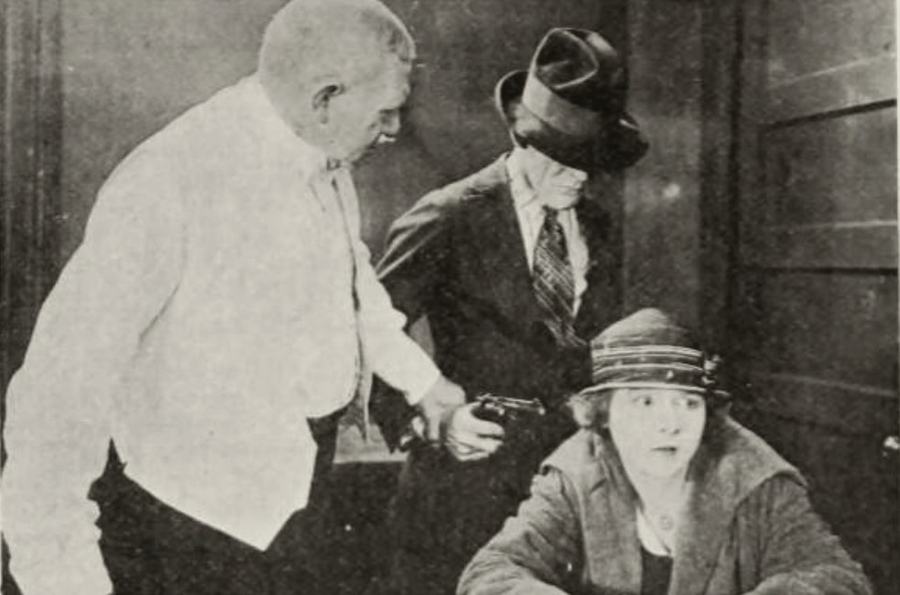
The film's resolution, with Cassidy's death, aligns with many narratives of the era, where moral virtue was often affirmed through sacrifice, particularly in stories featuring characters from the lower echelons of society. One might draw parallels to the stark realities depicted in other films of the period that explored themes of societal struggle and personal redemption. For instance, the fight against overwhelming odds and the eventual, often tragic, triumph of the human spirit seen in The Birth of a Man, or the moral dilemmas faced by characters in Crime and Punishment, resonate with Cassidy’s journey. The film doesn’t shy away from the harsh realities of life and death, presenting them with a directness that, even in its silent form, is deeply affecting.
Larry Evans' writing, translated into the visual language of silent cinema, must have emphasized clear character motivations and dramatic irony. The actors, without the benefit of spoken dialogue, relied heavily on exaggerated facial expressions, precise body language, and carefully choreographed movements to convey their inner turmoil and moral compass. This demand for visual expressiveness made silent acting a unique art form. One can imagine the subtle shifts in Pauline Curley’s expressions as she conveys fear, relief, and ultimately, gratitude. Similarly, Frank Currier's depiction of Grant’s internal conflict, moving from suspicion to compassion, would have been crucial to the film’s emotional impact. The pacing of 'Cassidy' would have been deliberate, allowing audiences to absorb the emotional weight of each scene, building tension through visual cues and intertitles.
The use of close-ups, a developing technique in early cinema, would have been vital in portraying Cassidy’s declining health and his unwavering resolve. A shot of his pale, sweating face, followed by a determined glint in his eyes, would have communicated his internal struggle more effectively than any caption. The film’s ability to evoke such profound emotion without uttering a single word is a testament to the skill of its director and the expressive capabilities of its cast. This method of storytelling forces the audience to engage more deeply, to interpret and connect with the characters on a purely visual and emotional level, a quality that often gets lost in the more explicit narratives of sound cinema.
Beyond the immediate drama, 'Cassidy' offers a subtle, yet potent, social commentary. It highlights the vast disparities of early 20th-century urban life – the stark contrast between the powerful District Attorney and the dying derelict. The film challenges the notion that morality is solely the domain of the privileged, demonstrating that profound acts of kindness can bridge social divides, and that heroism can emerge from the most unexpected quarters. Cassidy’s transformation from a desperate criminal into a selfless rescuer is a powerful narrative arc, suggesting that circumstances, rather than inherent character, often dictate one’s path.
The film's exploration of themes like justice, mercy, and sacrifice finds echoes in other cinematic works of the period. One might consider The Long Arm of the Law, which likely explored the reach and perhaps the limitations of legal justice, providing a contrasting perspective to Grant's personal act of mercy. Or perhaps The Church and the Woman, which might have dealt with moral redemption through spiritual means, as opposed to Cassidy's more secular, humanistic path. These comparisons, while speculative without direct plot knowledge of the other films, help frame 'Cassidy' within the broader moral and ethical concerns of its cinematic era. The film implicitly argues for a more compassionate understanding of those pushed to the margins of society, suggesting that even a single act of kindness can ripple outwards, leading to unexpected and profound consequences.
While 'Cassidy' may not be as widely known as some of its more celebrated contemporaries, its narrative strength and emotional depth ensure its place as a significant piece of early American cinema. It’s a film that, through its compelling characters and poignant plot, speaks to timeless human experiences: the fear of death, the longing for home, the capacity for both desperation and profound generosity, and the redemptive power of self-sacrifice. Larry Evans' storytelling, brought to life by the visual artistry of the time, creates a narrative that is both specific to its era and universally relatable.
The film serves as a powerful reminder of the sophisticated storytelling capabilities of silent cinema, an art form that, despite its technical limitations by today's standards, managed to convey complex emotions and intricate plots with remarkable effectiveness. Watching 'Cassidy' today is not just an exercise in historical appreciation; it’s an opportunity to connect with a raw, unfiltered human drama that transcends the passage of time. It encourages us to look beyond surface appearances, to consider the unseen struggles that drive individuals, and to recognize the potential for goodness, even in the most unlikely of heroes. The final image of Cassidy, dying at the threshold of his dream, leaves an indelible mark, a powerful testament to a life lived on the edge, redeemed by a final, selfless act of courage and gratitude.
The film's tragic denouement, far from being depressing, imbues Cassidy's journey with a profound sense of closure and meaning. His death is not in vain; it is the ultimate fulfillment of his redemptive arc, securing his place not just in the cinematic narrative, but in the hearts of those who witnessed his struggle and his ultimate triumph. It’s a compelling example of how early filmmakers, with limited tools, could craft narratives that spoke volumes, touching on the very essence of human experience with a grace and power that continues to resonate.

IMDb 7.1
1933
Community
Log in to comment.