DbcultAccessing Vault...
Cult Review
Senior Film Conservator
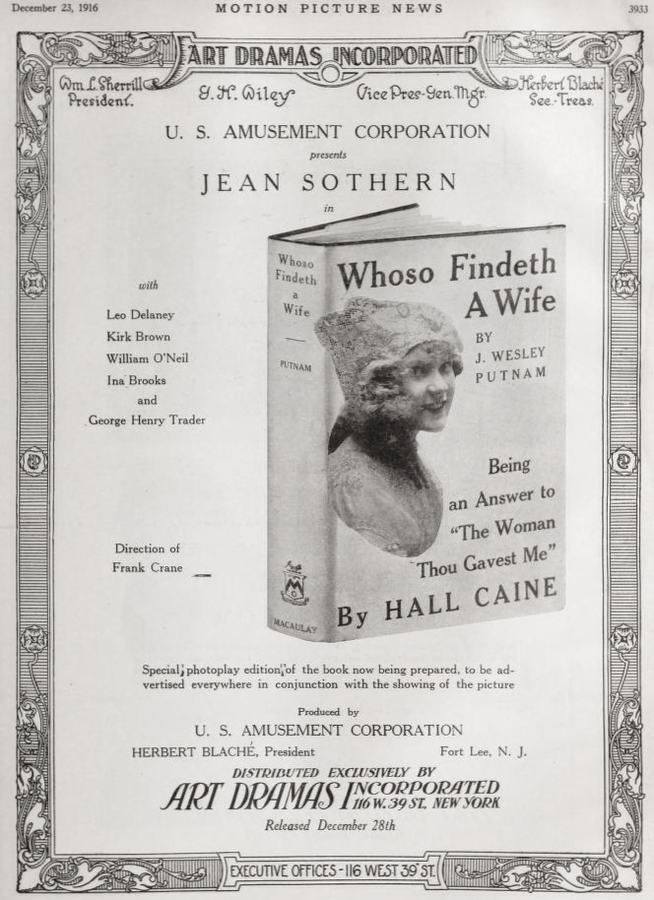
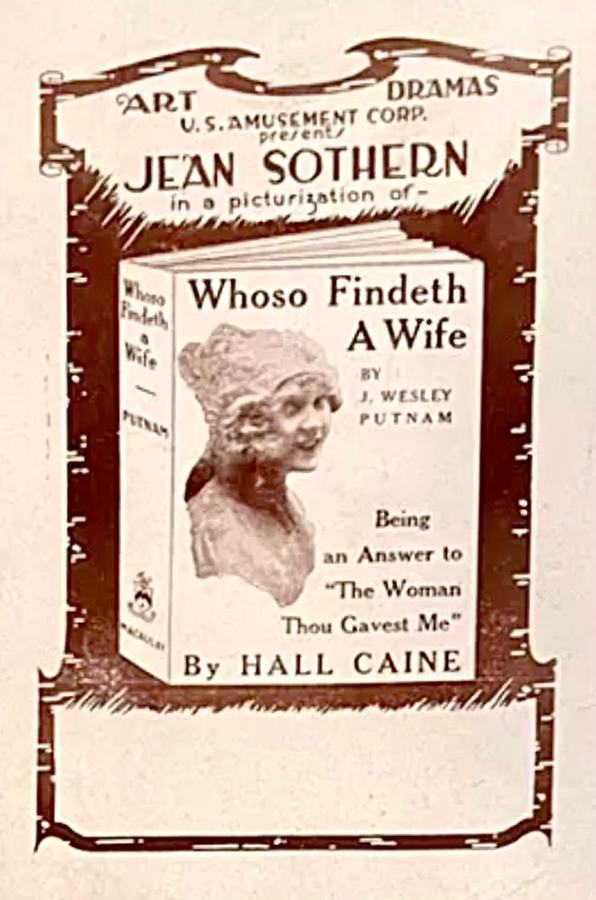
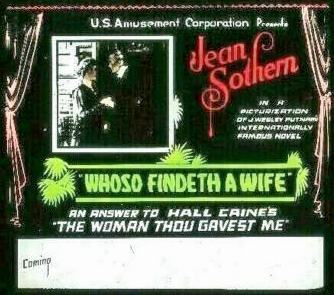
Ah, the silent era! A time when narratives, unburdened by dialogue, had to speak volumes through expression, gesture, and the sheer power of visual storytelling. It’s a period that often gets unfairly dismissed as primitive, yet within its flickering frames lie some of cinema’s most potent explorations of the human condition. Today, we’re diving into a fascinating, though perhaps lesser-known, gem from that rich tapestry: Whoso Findeth a Wife. The very title, drawn from Proverbs, immediately sets a tone of gravitas and moral inquiry, promising a journey not just of romance, but of profound self-discovery. And indeed, this film delivers on that promise with a compelling narrative that, even a century later, resonates with surprising clarity and emotional depth.
At its core, Whoso Findeth a Wife presents us with John Sterling, portrayed with a compelling blend of aloofness and underlying vulnerability by Leo Delaney. Sterling is not your typical romantic hero; he is a man jaded by life, perhaps by past heartbreaks or the pervasive superficiality he observes in the upper echelons of society. His considerable wealth, rather than being a source of joy, seems to have amplified his cynicism, making him wary of genuine affection. The societal pressure to marry, to secure a legacy, pushes him into a quest for a wife, but this is no ardent pursuit of love. Instead, it’s a calculated, almost scientific endeavor to find a suitable partner, a woman who meets a predefined, rather detached set of criteria. Delaney’s performance here is masterful, communicating Sterling’s internal conflict through subtle glances and restrained gestures, a hallmark of excellent silent film acting. He isn’t merely playing a character; he’s embodying a philosophical stance, a man grappling with the very essence of human connection.
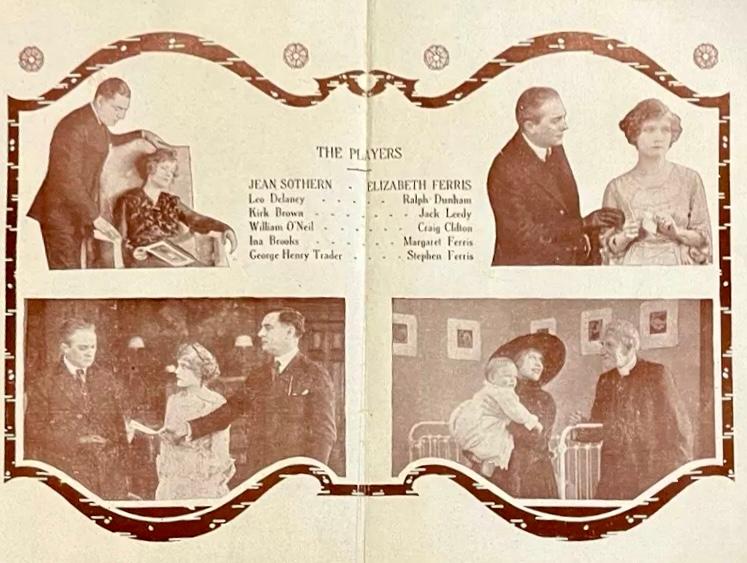
The writers, Rudolph De Cordova and Harry Sinclair Drago, deserve immense credit for crafting a screenplay that, despite the constraints of the era, manages to explore such complex psychological terrain. Their understanding of character motivation and plot progression allows the film to unfold organically, building tension and revealing layers of personality without ever feeling forced. This is a narrative that trusts its audience to interpret the nuances, to read between the lines of the intertitles and the expressions on the actors' faces. It’s a testament to their skill that even without spoken words, the emotional arc of Sterling feels utterly authentic, his journey from cynicism to eventual enlightenment palpable and earned.
Sterling’s initial foray into wife-hunting leads him down paths paved with illusion. First, there is Eleanor Vance, brought to life by Eldean Steuart. Steuart imbues Eleanor with a captivating, almost dazzling charm, a vibrant energy that initially sweeps Sterling off his feet. She is the epitome of the Gilded Age socialite – beautiful, vivacious, and seemingly perfect on the surface. Yet, beneath this glittering exterior lies a hollowness, a profound interest in Sterling’s fortune rather than his character. Their engagement, depicted with a certain melancholic beauty, is doomed from the start. Steuart portrays Eleanor’s superficiality not as outright villainy, but as a product of her environment, a woman who has learned to value status and wealth above all else. The dissolution of this union serves as Sterling’s first bitter lesson, reinforcing his belief that genuine connection is an elusive fantasy.
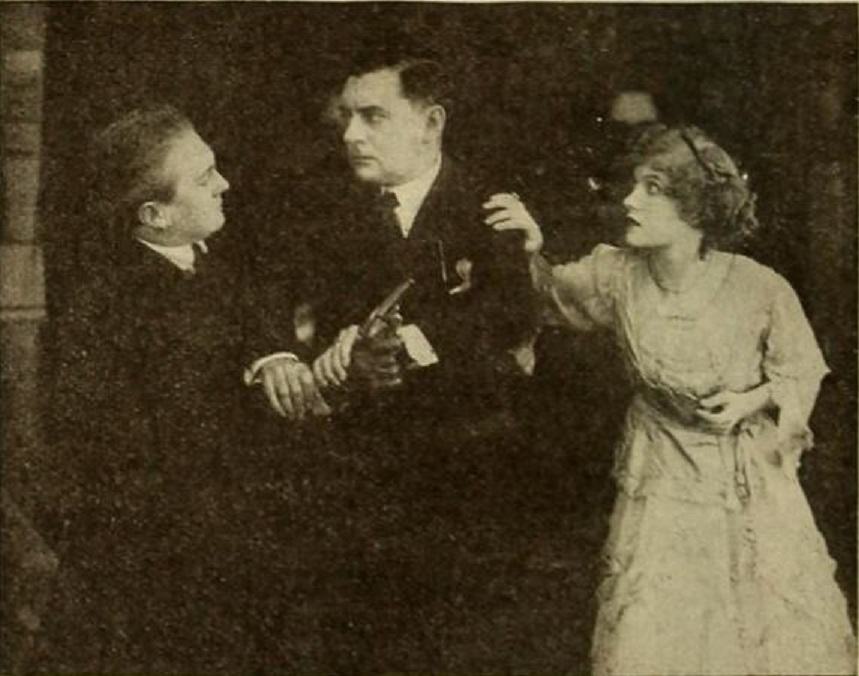
Then comes Lydia Thorne, played by Jean Sothern, a character who embodies a different, perhaps more insidious, form of deception. Sothern crafts Lydia as outwardly demure, pious, and seemingly the embodiment of respectability – everything Sterling believes he needs for a stable, socially acceptable marriage. He proposes, convinced he has finally found his ideal. However, the film masterfully peels back these layers, revealing a woman with a hidden past or a manipulative streak, perhaps a secret affair or a calculated scheme to secure Sterling’s vast fortune. Sothern’s performance is chilling in its subtlety; her seemingly innocent expressions slowly give way to glimpses of cunning and deceit, a quiet menace that is far more unsettling than overt villainy. This revelation shatters Sterling’s already fragile trust, plunging him into a deeper abyss of disillusionment. The film cleverly uses these two characters to illustrate the varied pitfalls of seeking a partner based on superficial criteria – whether it be dazzling charm or perceived piety. It’s a narrative technique that echoes the moral complexities found in other dramas of the era, such as A Woman's Honor, where characters often grapple with the societal pressures and personal betrayals that define their romantic pursuits.
It is in the depths of Sterling’s despair that the film introduces us to Clara Jenkins, portrayed with understated grace by Ina Brooks. Clara is not a dazzling socialite or a demure, calculating figure. She is a quiet, unassuming woman, perhaps working in a local charity or library, a stark contrast to the women who previously occupied Sterling’s attention. Brooks’ performance is a masterclass in quiet resilience and genuine warmth. Initially, Sterling overlooks Clara entirely; she doesn’t fit his superficial criteria, she doesn’t possess the overt charms of Eleanor or the carefully constructed piety of Lydia. Yet, it is precisely her lack of artifice, her genuine kindness, and her unwavering moral compass that slowly begin to penetrate Sterling’s hardened exterior. Brooks communicates Clara’s strength and integrity through subtle expressions and actions – a compassionate glance, a selfless act, an unwavering resolve in the face of adversity. She offers companionship without expectation, a stark contrast to the transactional nature of Sterling’s previous encounters.
The film’s climax is not one of explosive action but of profound internal transformation. Sterling is forced to confront his own prejudices, the superficiality of his earlier pursuits, and the corrosive nature of his cynicism. This confrontation might involve him having to defend Clara’s honor against the machinations of Lydia, or perhaps overcoming a personal crisis that only Clara’s unwavering support can help him navigate. The supporting cast, including Kirke Brown as perhaps a cynical friend who mirrors Sterling's initial worldview, James A. Furey as a rival suitor whose more conventional approach highlights Sterling's unique journey, and George Henry Trader as a wise elder figure offering subtle guidance, all contribute to this intricate web of character interactions. William O'Neill, possibly as a loyal servant or confidante, provides a grounding presence, observing the unfolding drama with quiet dignity.
The true beauty of Whoso Findeth a Wife lies in this gradual, earned redemption. Sterling doesn’t simply fall in love; he grows into it, shedding layers of protective cynicism built over years. He realizes that the biblical adage isn't about finding a perfect, pre-packaged partner, but about discovering the inherent goodness that resides in genuine character, in integrity, and in a connection built on mutual respect and understanding. His eventual proposal to Clara is not merely the culmination of a romantic plot; it is the symbolic acceptance of a newfound philosophy, a testament to the transformative power of genuine affection. This shift in perspective, this journey from calculated pragmatism to heartfelt connection, resonates deeply, offering a timeless message that transcends the specific social mores of the silent film era.
The directorial choices, while uncredited in some records, are crucial to the film’s impact. The use of close-ups to emphasize emotional states, the careful framing of scenes to highlight power dynamics, and the pacing of the narrative all contribute to a compelling visual experience. In an era without synchronized sound, every visual element had to carry amplified meaning. The costumes, the set designs, and even the subtle shifts in lighting are all employed to communicate character, mood, and plot. The film excels in creating an atmosphere that is both opulent and subtly suffocating, reflecting the societal pressures that weigh on John Sterling. The visual language is sophisticated, employing techniques that would become staples of cinematic grammar, demonstrating a keen understanding of how to convey complex ideas and emotions without a single spoken word. This artistry is reminiscent of the visual eloquence found in films like Pesn torzhestvuyushchey lyubvi, where atmosphere and symbolic imagery often convey more than dialogue ever could.
The film’s aesthetic choices, from the grandeur of Sterling’s mansion to the simpler, more authentic settings associated with Clara, are not mere backdrops but active participants in the storytelling. They underscore the thematic contrast between superficial wealth and genuine worth. The cinematography, while constrained by the technology of the time, is nevertheless inventive, using depth of field and carefully composed shots to guide the viewer’s eye and emotional response. Each frame feels deliberate, contributing to the overall narrative tapestry. It’s a testament to the filmmakers’ vision that they were able to evoke such a rich internal world for Sterling and such a vivid external world for the audience, relying solely on the power of the moving image. This meticulous attention to visual detail and symbolic representation places Whoso Findeth a Wife squarely among the more thoughtfully constructed dramas of its period, inviting comparisons to the careful narrative construction seen in films like The Royal Imposter, where every visual element serves a purpose in advancing the plot and character development.
While Whoso Findeth a Wife might not be as widely known as some of its contemporaries, its thematic resonance ensures its enduring relevance. The film’s exploration of societal pressure, the deceptive allure of superficiality, and the ultimate triumph of genuine character over calculated advantage is a narrative that transcends eras. In a world still grappling with the complexities of relationships, where appearances often overshadow substance, Sterling’s journey serves as a powerful cautionary tale and an inspiring testament to the power of authenticity. The performances, particularly from Delaney and Brooks, anchor the film with a compelling emotional core, making their characters’ struggles and eventual triumph feel deeply personal and universally understandable.
The film’s nuanced portrayal of women, from the vivacious but shallow Eleanor to the deceptive Lydia and the quietly strong Clara, offers a fascinating glimpse into the archetypes and expectations placed upon women in the early 20th century. It challenges the viewer to look beyond the surface, to question what truly constitutes a 'good wife' – is it social standing, beauty, or an inner goodness that quietly endures? This introspective quality elevates Whoso Findeth a Wife beyond a simple melodrama, positioning it as a thoughtful commentary on human nature and societal values. It encourages a deeper look at ourselves and the criteria we often use to evaluate others, particularly in matters of the heart. This examination of personal values and societal roles is a thread that runs through many compelling films of the era, including The Secret Sin, which similarly delves into the hidden complexities of human morality and relationships.
In an age saturated with digital noise and fleeting trends, revisiting films like Whoso Findeth a Wife offers a refreshing perspective. It reminds us of the power of narrative to explore profound truths, to challenge our assumptions, and to celebrate the enduring virtues of integrity and genuine connection. It’s a film that speaks to the enduring human quest for meaningful partnership, a quest fraught with pitfalls but ultimately rewarding for those willing to look beyond the superficial. The film’s silent yet eloquent voice continues to resonate, proving that some stories, like true love, are indeed timeless. Much like the ambitious narrative scope of Christus, which sought to convey grand themes without dialogue, Whoso Findeth a Wife achieves its powerful impact through a focused and deeply human story, demonstrating the enduring capability of early cinema to tackle complex emotional and moral landscapes. This film, though from a bygone era, provides a mirror to contemporary struggles, making it a valuable piece for any cinephile or student of human nature.
IMDb —
1933
Community
Log in to comment.