DbcultAccessing Vault...
5.7/10
Senior Film Conservator
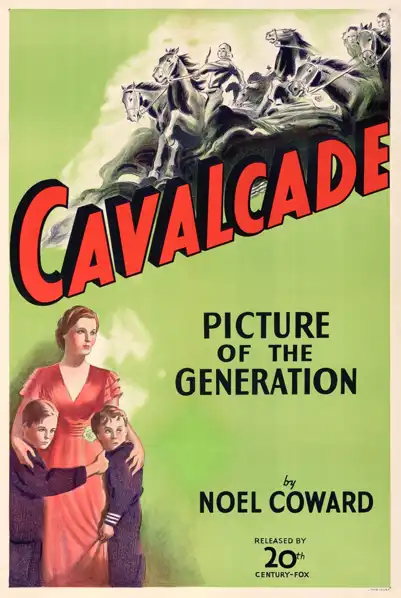
A definitive 5.7/10 rating for a film that redefined the boundaries of cult cinema. Cavalcade remains a cornerstone of transgressive art.
If you like movies that feel like a dusty museum exhibit brought to life, you’ll probably find something here. It’s grand, it’s loud, and it’s deeply, deeply sentimental.
If you’re the type of person who needs a fast pace or hates when movies lecture you about the nobility of suffering, you’ll likely find it unbearable. It’s an old-school prestige picture in every sense of the word.
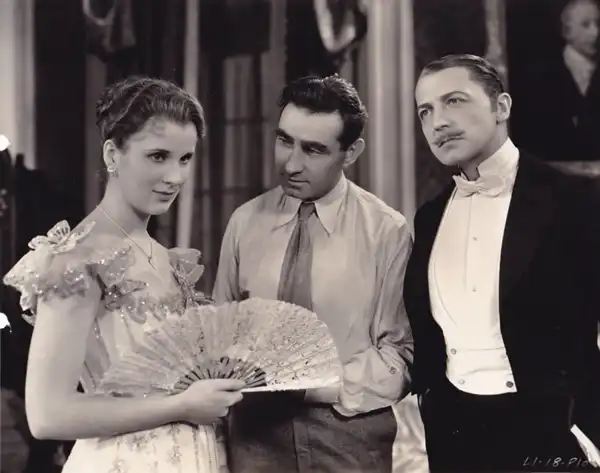
Watching Cavalcade feels like someone decided to shove thirty years of British history into a blender. It’s a bit messy, honestly. Sometimes it feels like a stage play that wandered onto a massive soundstage and got lost.
The whole thing with the Marryots and the Bridgeses? It’s classic stuff. One family is rich, one is poor, and they both just keep getting hit by the same historical waves. The 1899 New Year’s Eve scene—the one that kicks everything off—is weirdly staged. Everyone looks so eager to be happy that it feels slightly radioactive.
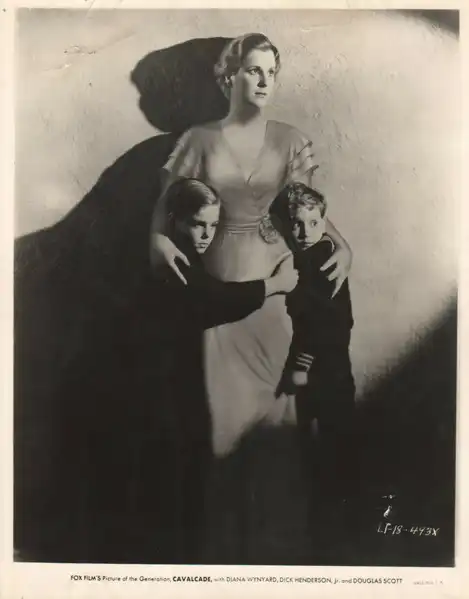
I caught myself staring at the background extras more than the main actors. There’s a specific bit in a street scene where a guy is just awkwardly leaning against a lamp post for way too long. He clearly forgot what he was supposed to be doing, but they kept the take anyway.
The Great War stuff is where the movie actually finds its legs, I think. It stops being about polite dinner table gossip and turns into this bleak, gray slog. It hits harder than the rest of the film because it drops the pretense of being a "polite drama" for five minutes.
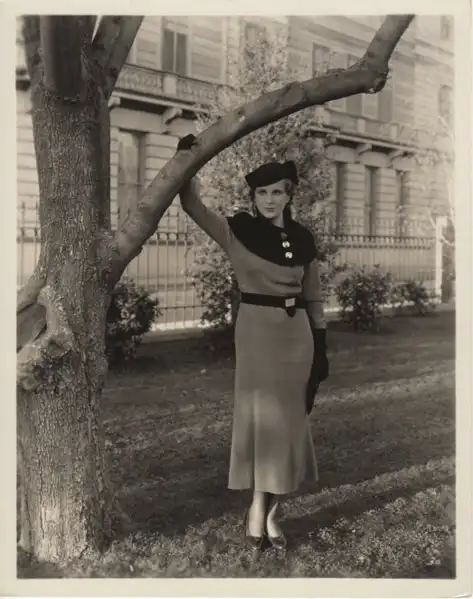
There is a scene near the end—the one with the jazz age chaos—that is just wildly over-the-top. It’s like the director decided that the only way to show the 1920s was to make everyone look like they’d just drank ten pots of coffee. It’s frantic and kind of exhausting to watch.
Also, the transition from the somber war stuff to the glittery, cynical post-war era feels like whiplash. The movie doesn't really know how to handle the change in tone, so it just sort of throws it at you and hopes for the best. 🤷♂️
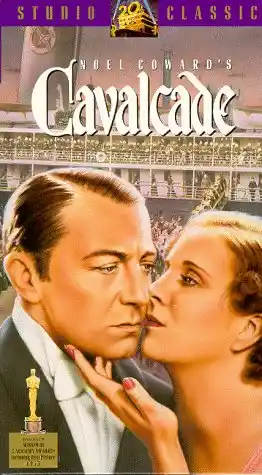
It’s not as weird or singular as Aelita, the Queen of Mars, obviously. That movie is a fever dream, whereas this is just a very long, very loud parade. But compared to something standard like A Man of Honor, at least this one has a pulse.
I found myself wondering if anyone in 1933 actually talked like this. Everyone is so articulate. It’s like they’re all reciting lines even when they’re just complaining about the weather. It’s a bit much, really.
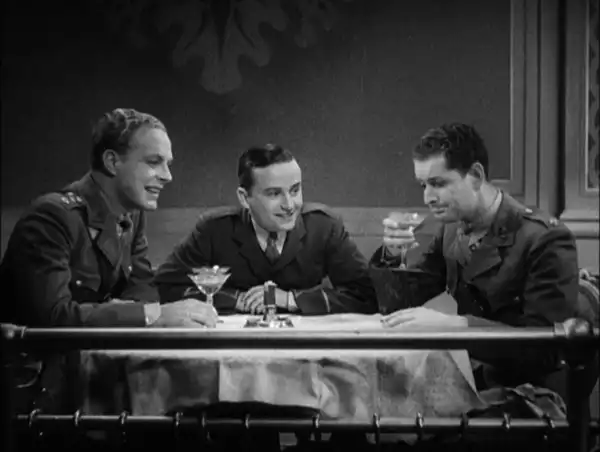
Still, there’s a strange charm to how earnest it is. It isn't trying to be cool or clever. It’s just trying to tell you that history is hard and families are complicated. It succeeds at that, mostly by just throwing enough stuff at the wall until some of it sticks.
IMDb —
1915
Community
Log in to comment.